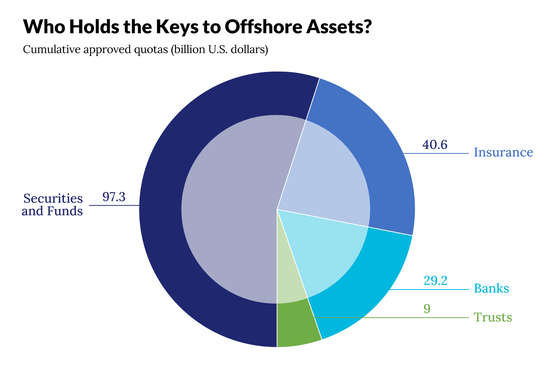
Beijing’s recent crackdown on overseas brokerage platforms serving mainland investors, together with Hong Kong’s tighter scrutiny of investment-account openings for mainland users, has raised fresh questions about how the nation’s investors can legally access offshore markets.Despite a more hawkish regulatory environment, mainland retail investors still have several regulated channels to gain exposure to foreign markets.Each investment vehicle comes with different eligibility requirements, investment restrictions and product offerings:The Stock Connect routeLaunched in 2014 with the Shanghai-Hong Kong link and expanded to Shenzhen in 2016, Stock Connect links the Shanghai, Shenzhen and Hong Kong stock exchanges. Acting as a “bridge”, it allows mainland investors to buy eligible Hong Kong-listed shares directly through existing brokerage accounts without opening a separate overseas account.The scheme currently covers more than 2,800 Hong Kong-listed securities, including stocks and exchange-traded funds (ETFs). Southbound net purchases hit a full-year record in 2025, with Goldman Sachs estimating total inflows of around US$160 billion.Investors generally need at least 500,000 yuan (US$69,500) in combined account assets to qualify.Qualified Domestic Institutional Investor (QDII) fundsIntroduced in 2006, the QDII scheme allows domestic institutions to invest overseas using foreign-exchange quotas approved by regulators.
Going global? Here’s a quick look at 4 options for China’s offshore investors
As Beijing tightens its grip on unlicensed stock platforms, mainland China’s retail players utilise these state-sanctioned options to diversify globally.
188 words~1 min read