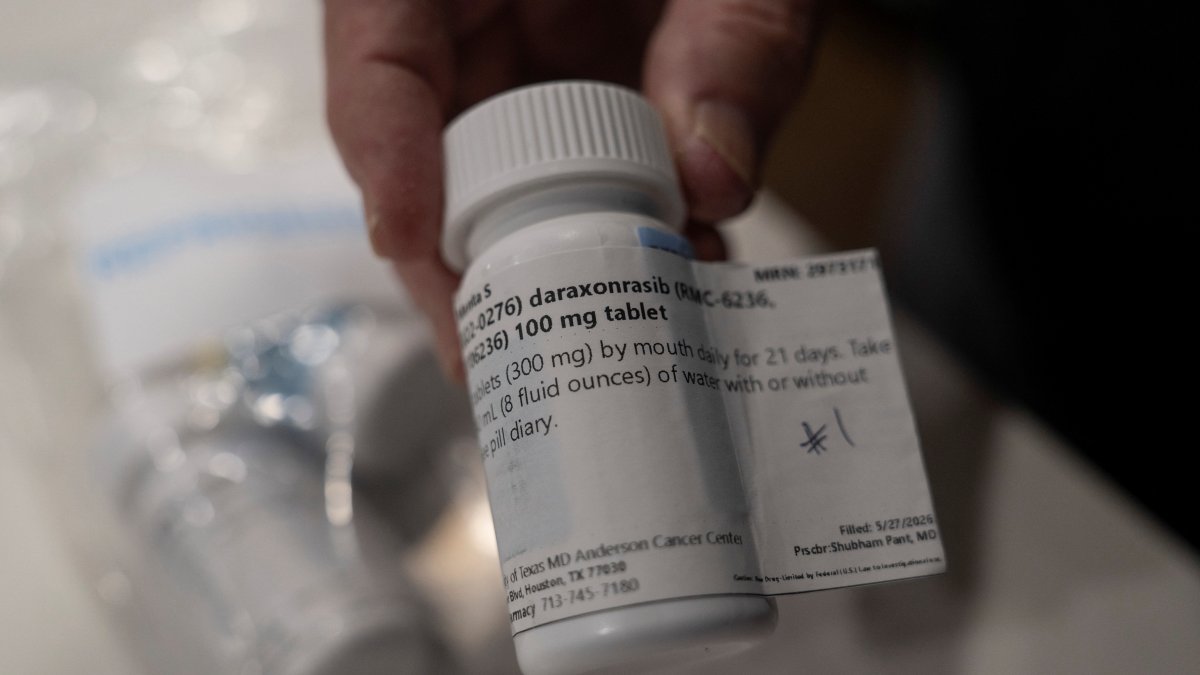
An experimental drug from Revolution Medicines has proven broadly effective against an aggressive and tough-to-treat pancreatic tumor in a highly anticipated study result that could quickly change medical practice.
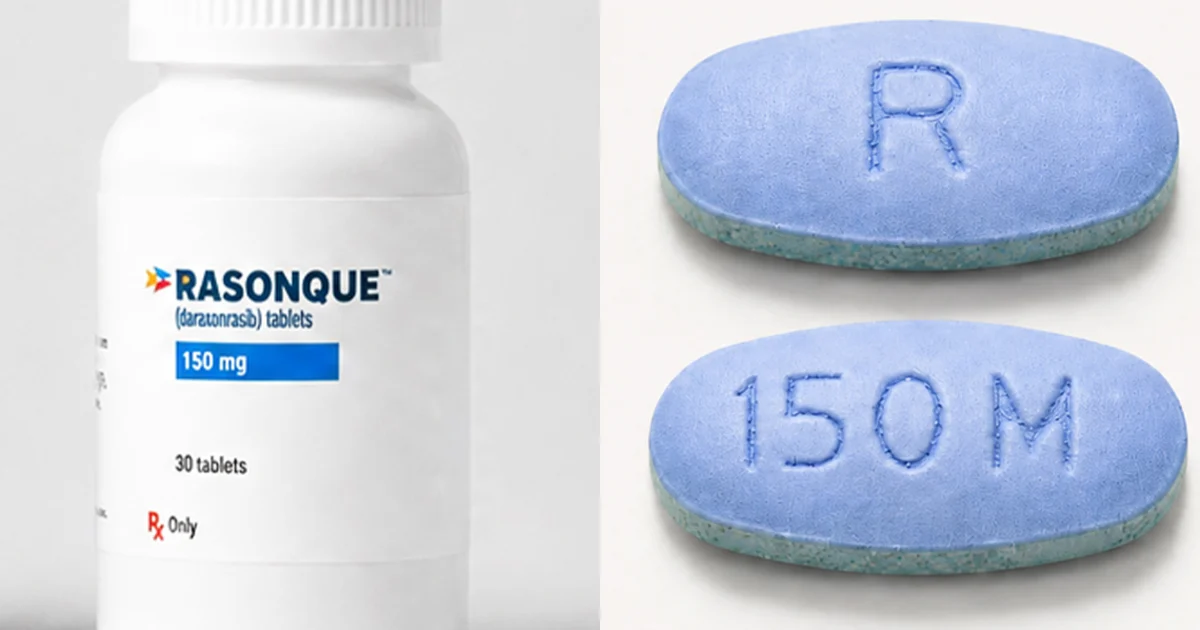
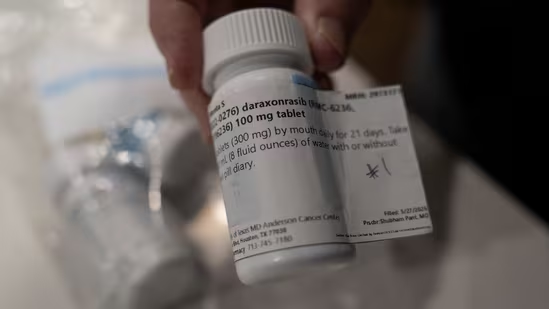
Revolution disclosed in April that the drug, daraxonrasib, nearly doubled survival compared to standard chemotherapy in a Phase 3 trial. At the American Society of Clinical Oncology meeting on Sunday, study investigators provided fuller details experts described as “unprecedented” and “landscape changing.”
Revolution’s primary study objective was to test whether daraxonrasib could benefit pancreatic cancer patients whose disease had spread despite a previous treatment and whose tumors were driven by a particular “RAS G12” mutation. But it also evaluated daraxonrasib’s effects on the entire trial population as a secondary outcome, too.
Data presented at ASCO show Revolution’s drug extended survival by a median of 13.2 months among all recipients. By comparison, those who got chemotherapy and had RAS G12 mutations lived a median of 6.6 months. And that figure was comparable — 6.7 months — for all treated with chemo.
The benefits were similarly stark on measures of disease progression. For people with a RAS G12 mutation, daraxonrasib held tumors in check for a median of 7.3 months. For all drug recipients, that number was 7.2 months. Both numbers doubled the 3.5 month and 3.6 month median survival observed, respectively, among those groups of chemo recipients.