This is the online version of Adam’s Biotech Scorecard, a subscriber-only newsletter. STAT+ subscribers can sign up here to get it delivered to their inbox.
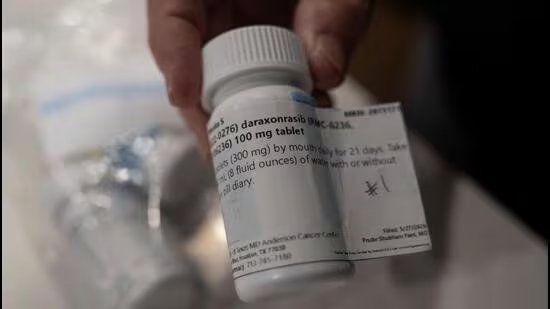
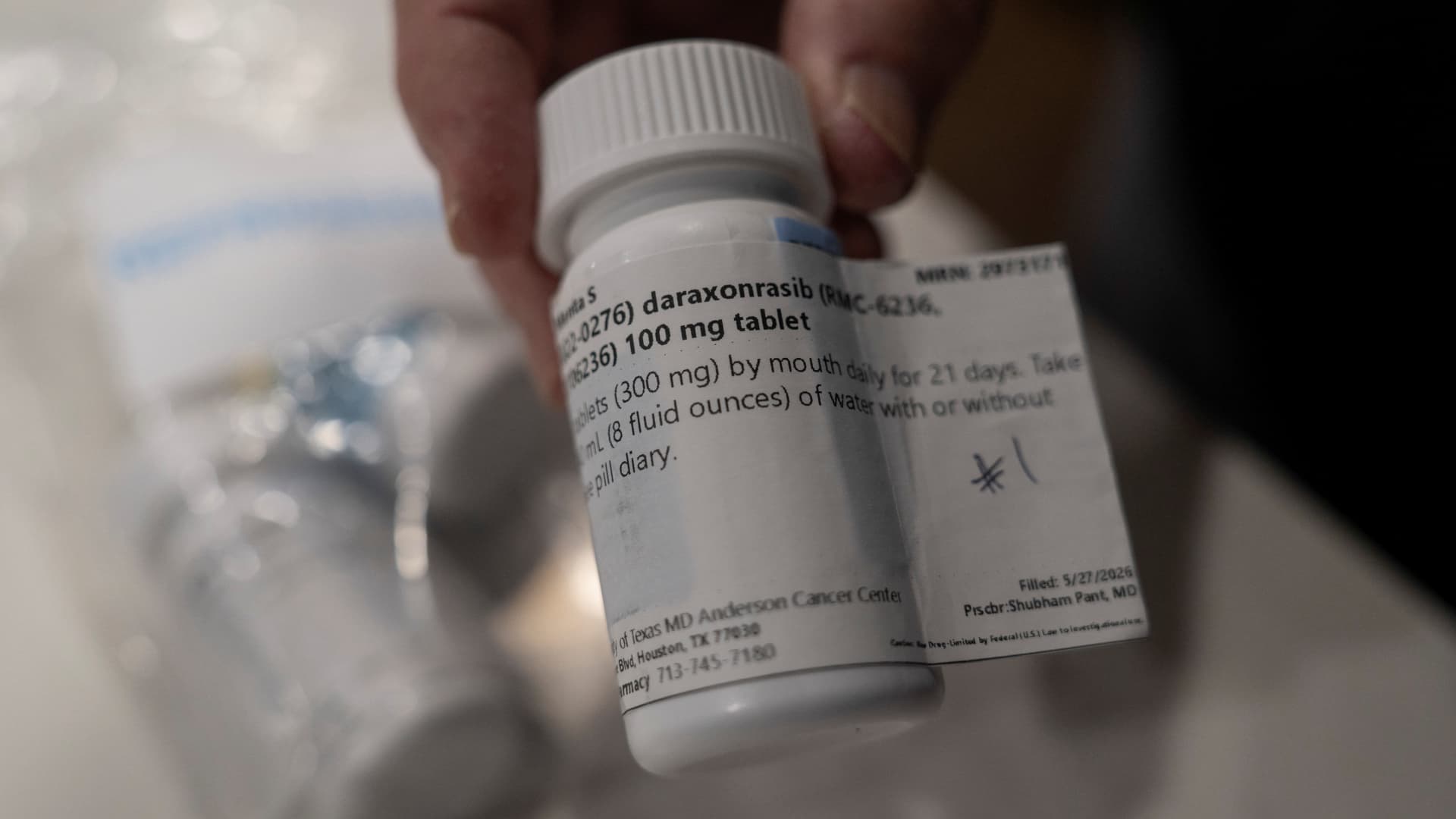
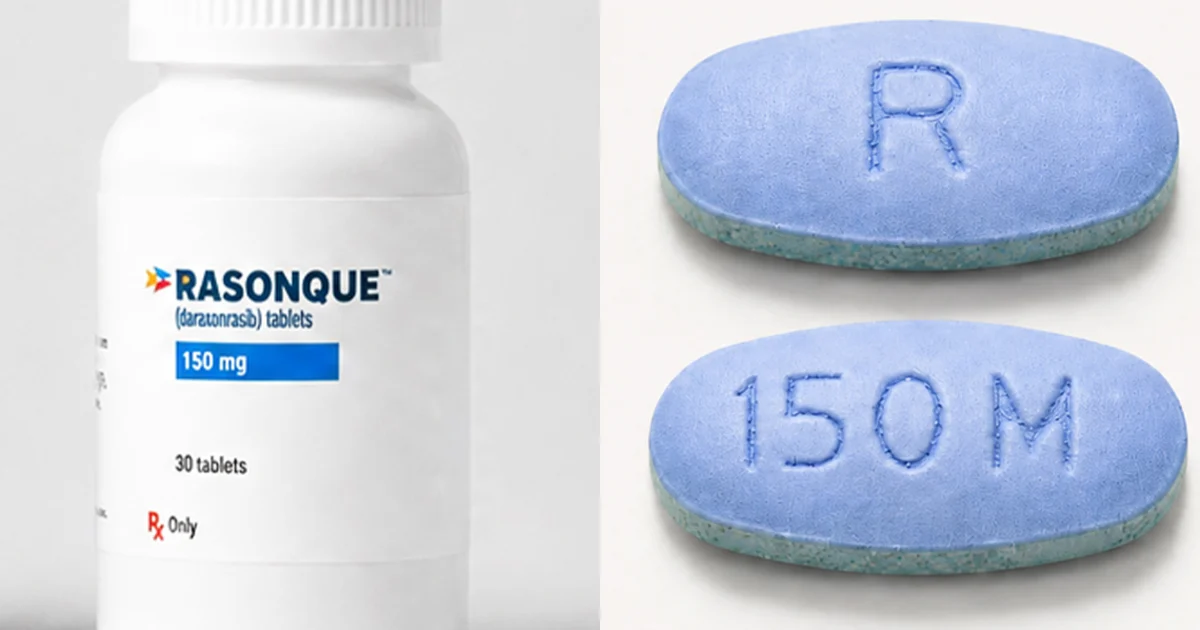
Revolution Medicines’ daraxonrasib is a certain approval for patients with metastatic pancreatic cancer and tumor progression following chemotherapy. The only gating factor seems to be the speed at which the company can submit the drug to the Food and Drug Administration. Once that happens, daraxonrasib will be cleared quickly and become the new standard of care in the second-line setting.
After the drug’s standing ovation during the ASCO plenary session, the talk shifted to how (and when) the use of daraxonrasib might be expanded to patients with newly diagnosed, metastatic pancreatic cancer.
A speedier-than-expected approval in the first-line setting would benefit more patients. Sales of the drug would grow faster, boosting Revolution and its valuation. It could also impact the way competing drugs for pancreatic cancer, including other RAS inhibitors, are developed.
By showing a near-doubling of overall survival already in the second-line setting, daraxonrasib is an example of a “transformative therapy” that makes conducting future, randomized clinical trials more challenging logistically and ethically, said Rick Pazdur, the former top cancer drug regulator at the FDA, speaking at a STAT event held last Friday during the ASCO meeting.