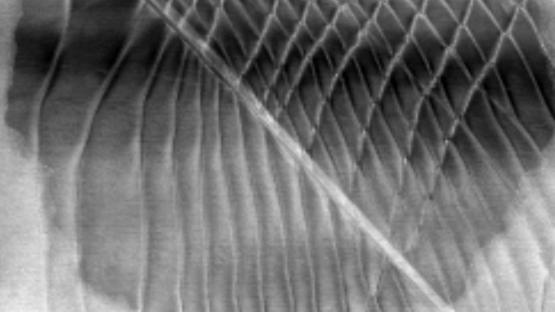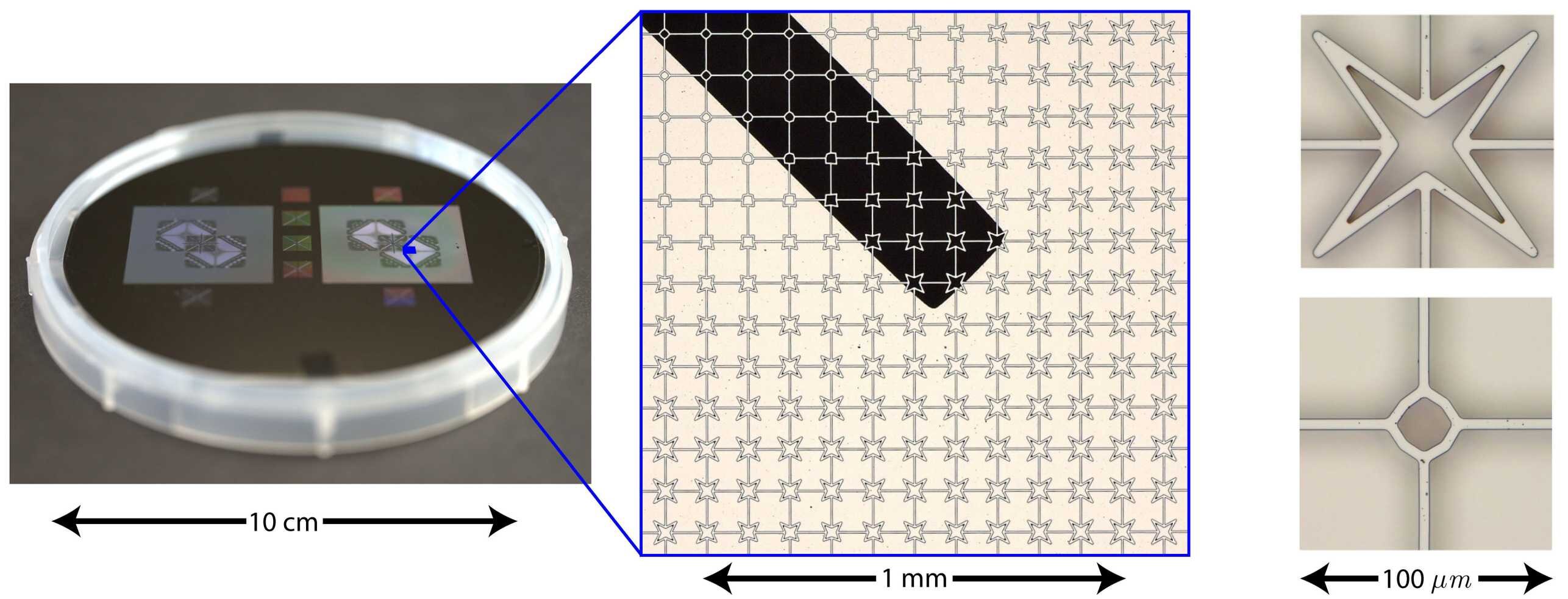
hoto of the pattern (middle image) that the ETH researchers simulated on the computer and produced using microfabrication (left). Right: Unit cell with varying lengths of the star’s pointy corners. Credit: Nature Communications (2026). DOI: 10.1038/s41467-026-69888-x
Metamaterials—the term may sound esoteric to the layman. In science and engineering, however, this is an interesting field of research that has developed at a highly dynamic pace, particularly since the 1990s.
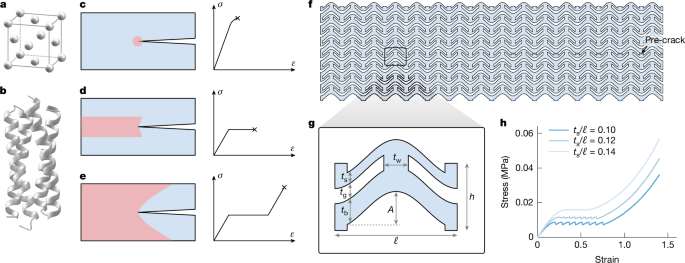
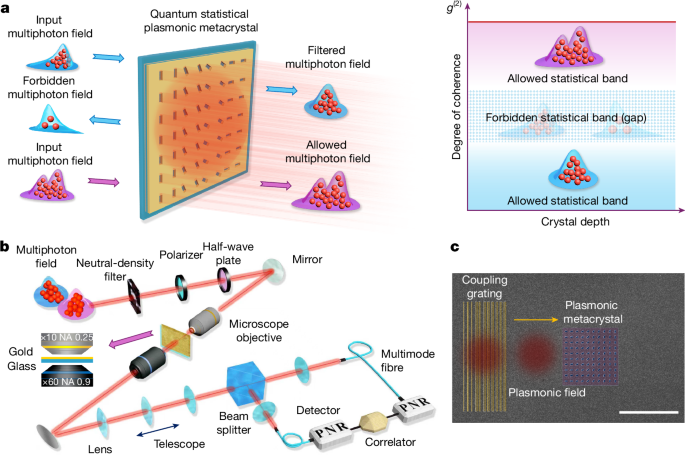
To the naked eye, a metamaterial looks like an ordinary material. On smaller scales, however, it features an unusual, carefully engineered structure, endowing it with special mechanical or physical properties that the original basic material does not possess.
Such artificially designed materials are, for example, very light, stiff, highly deformable, or they mitigate impact and attenuate vibrations. Applications range from shoe soles and helmets all the way to microelectronics.
Special properties thanks to a special microstructure