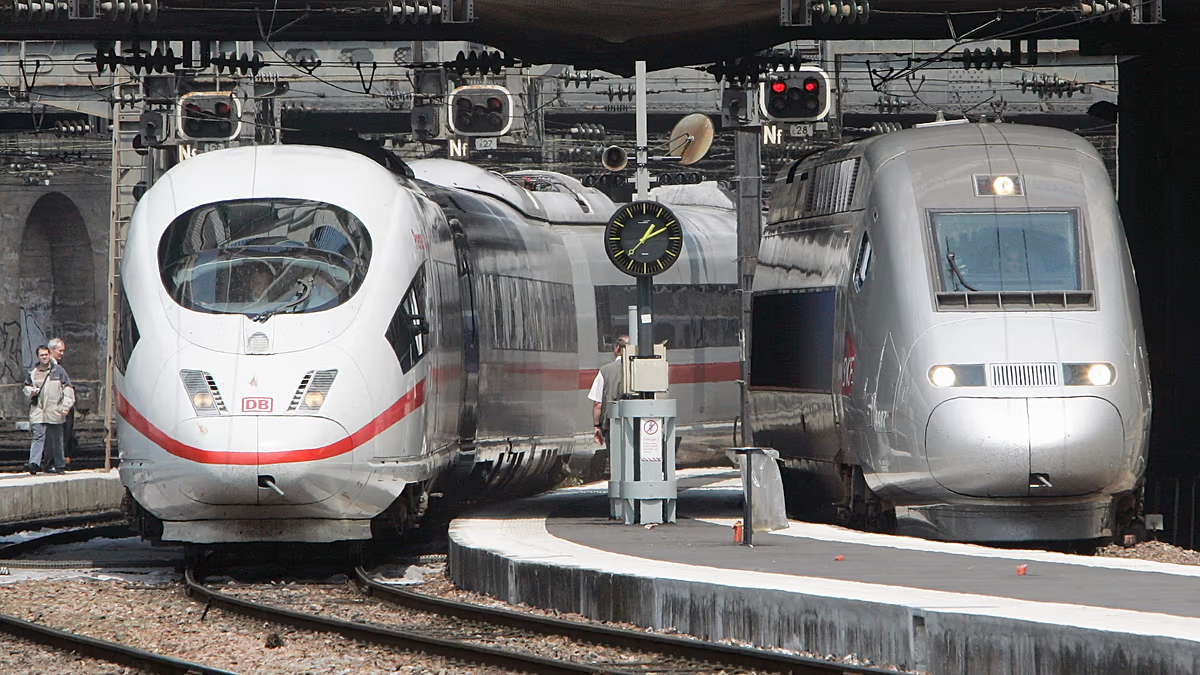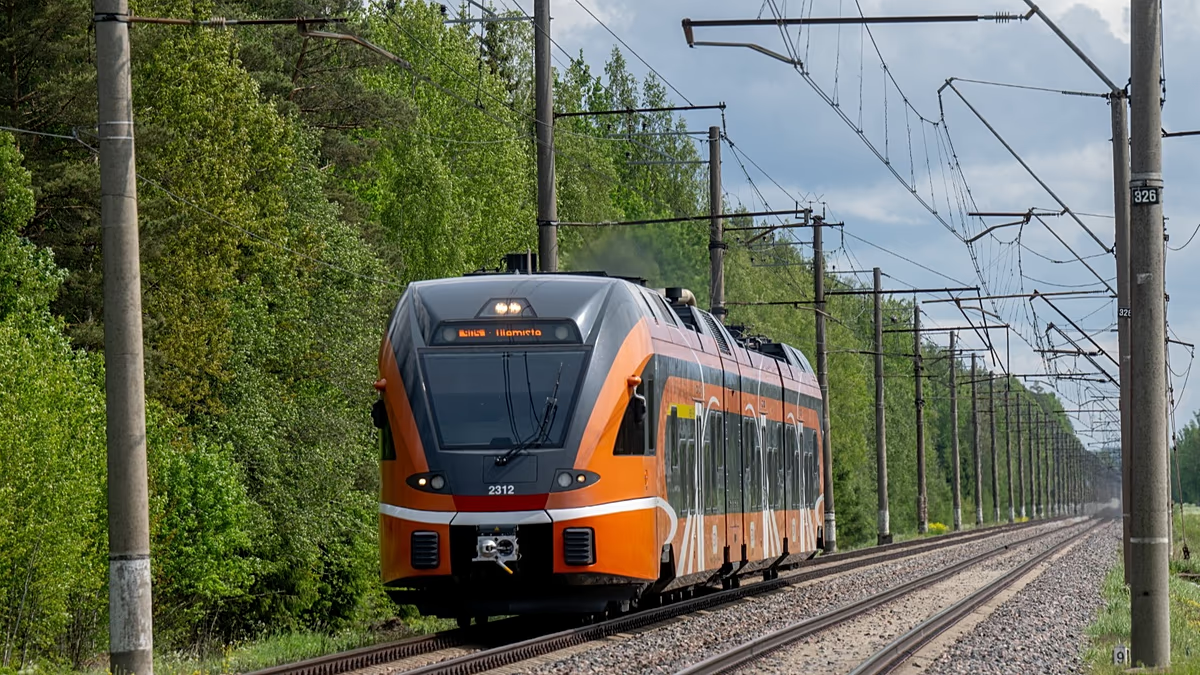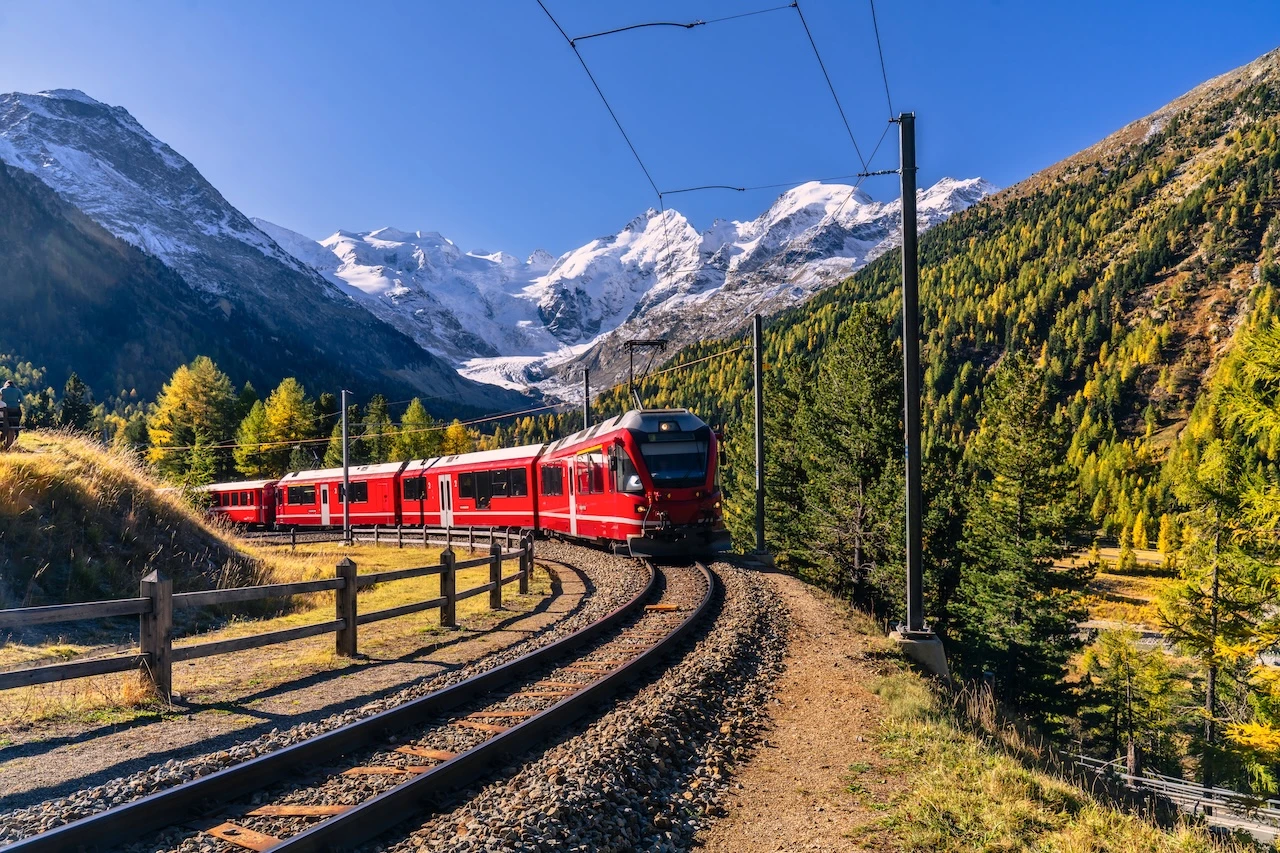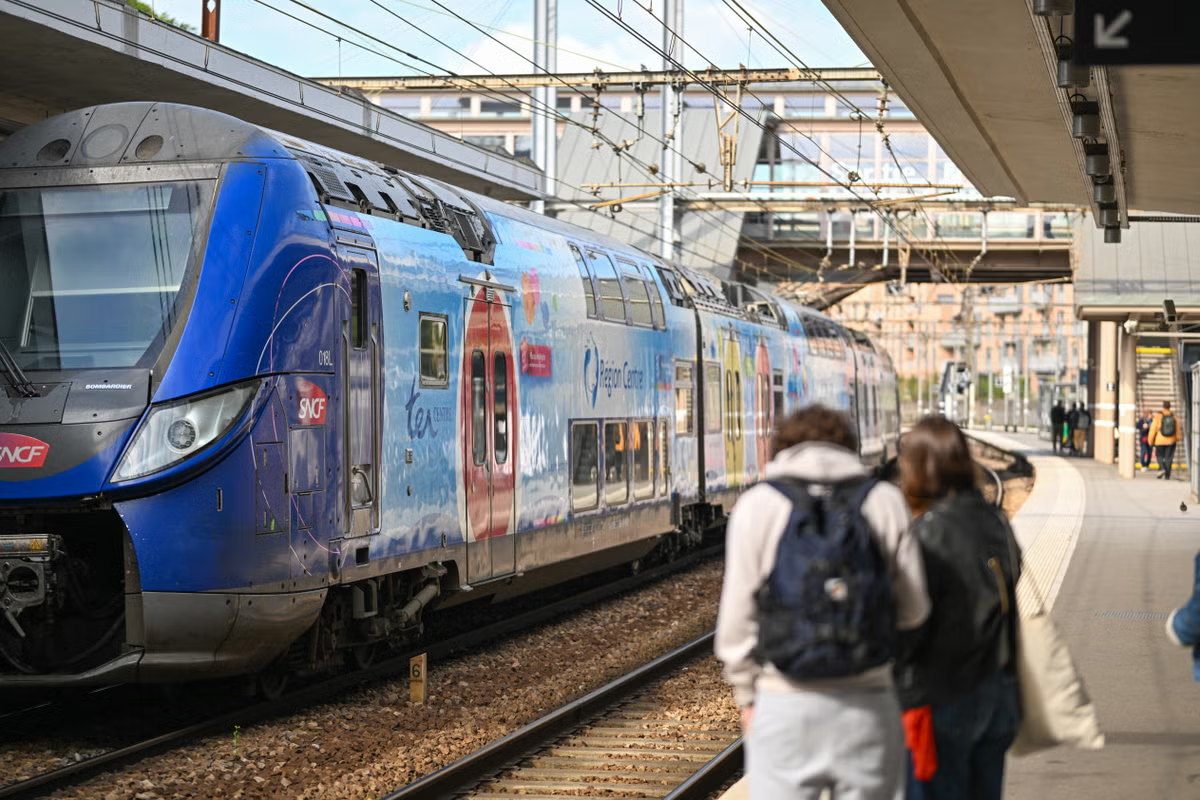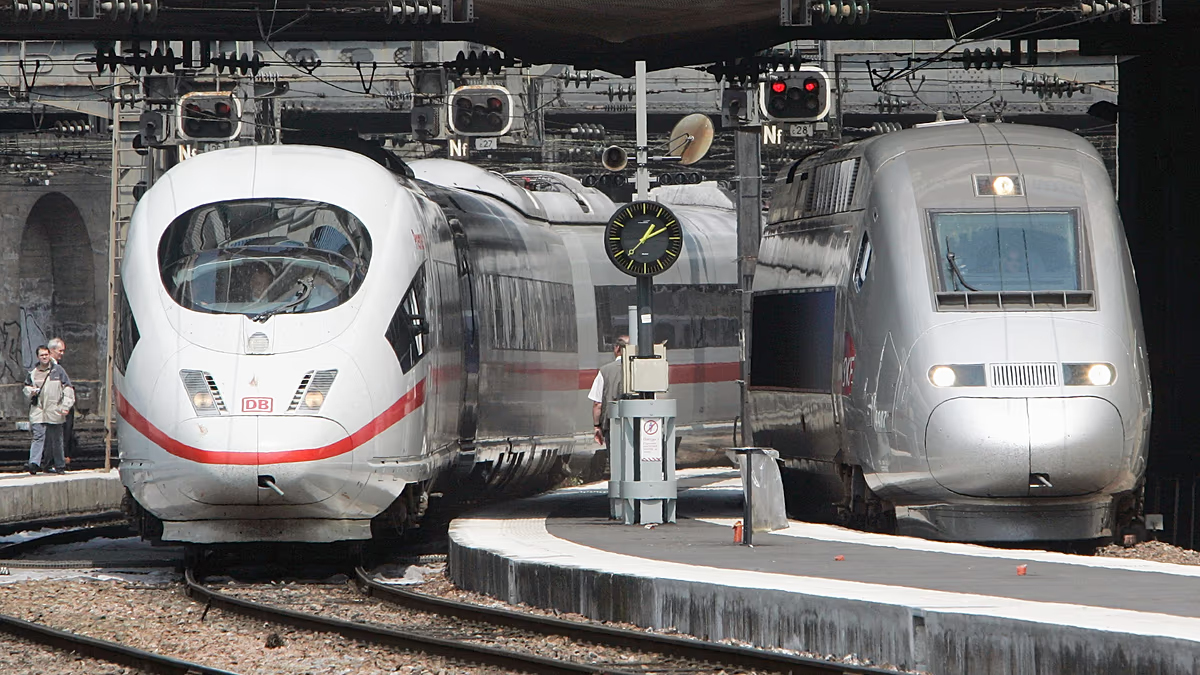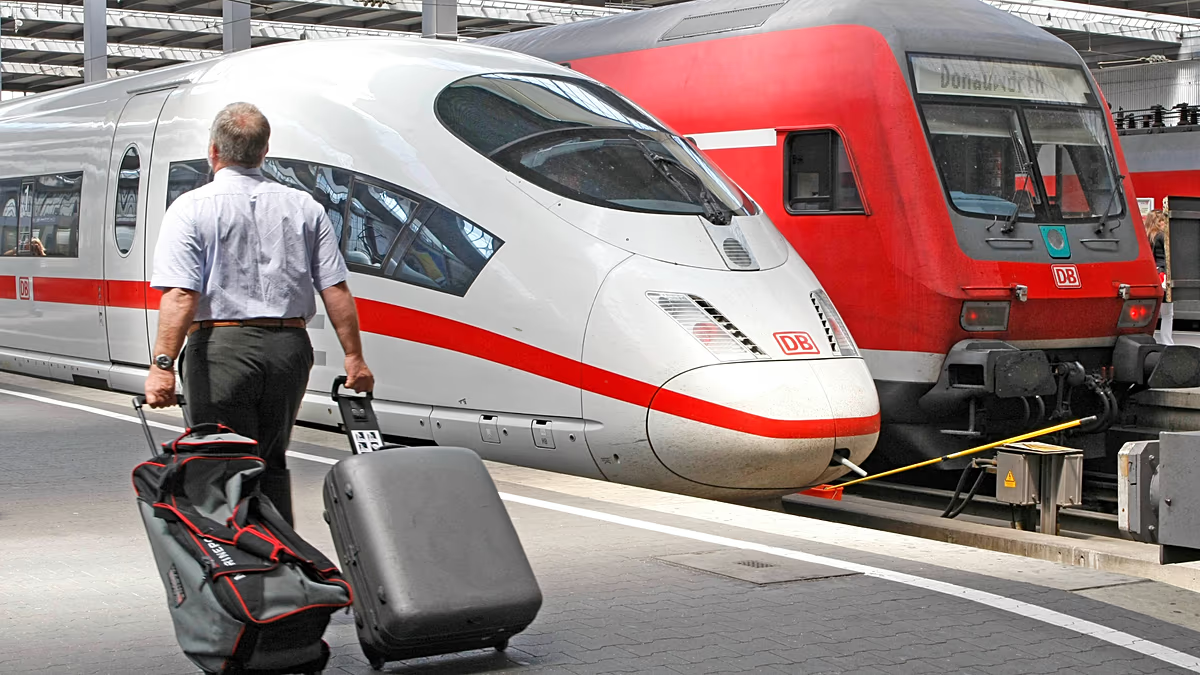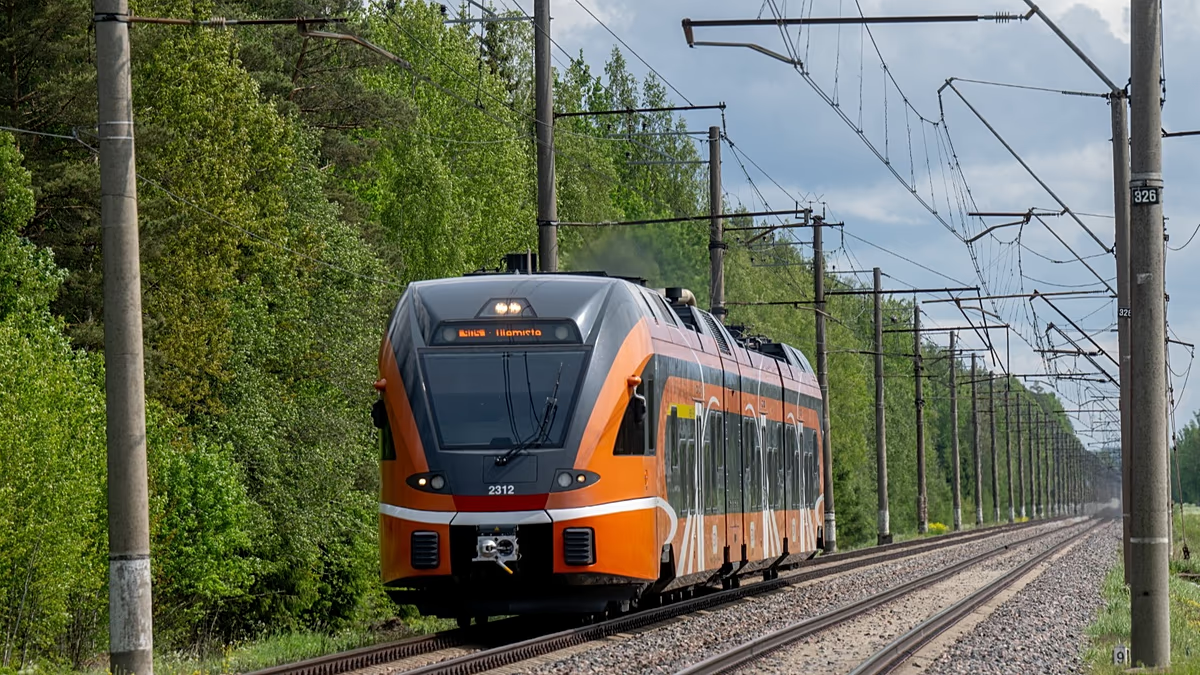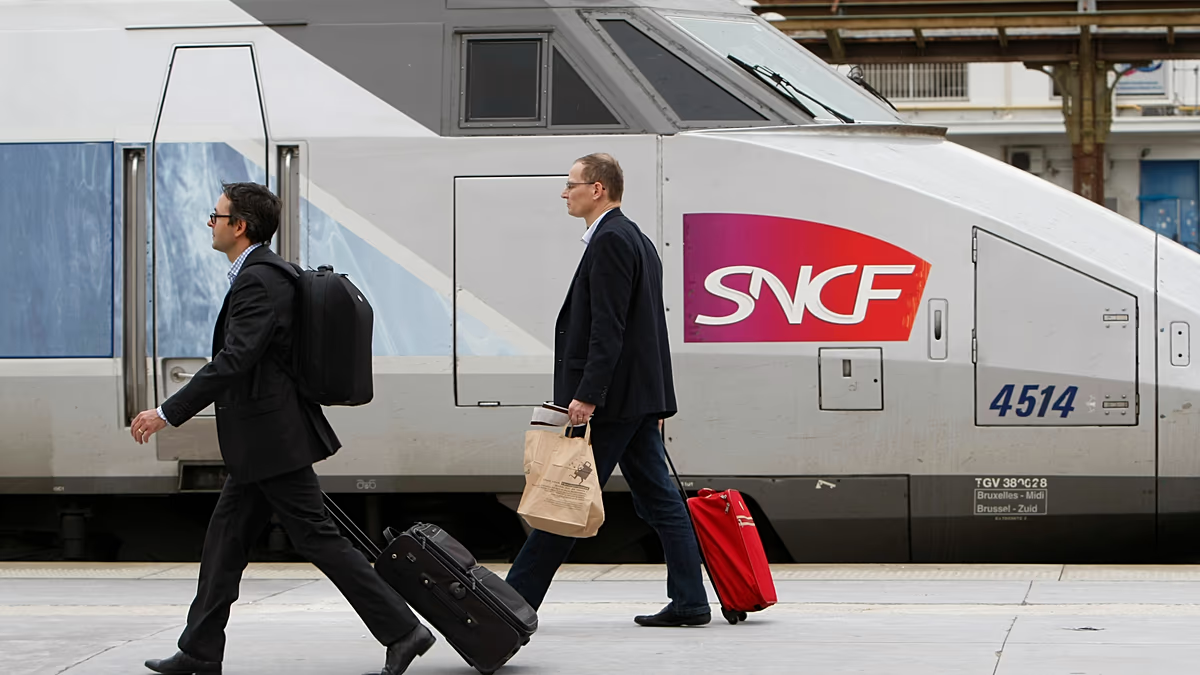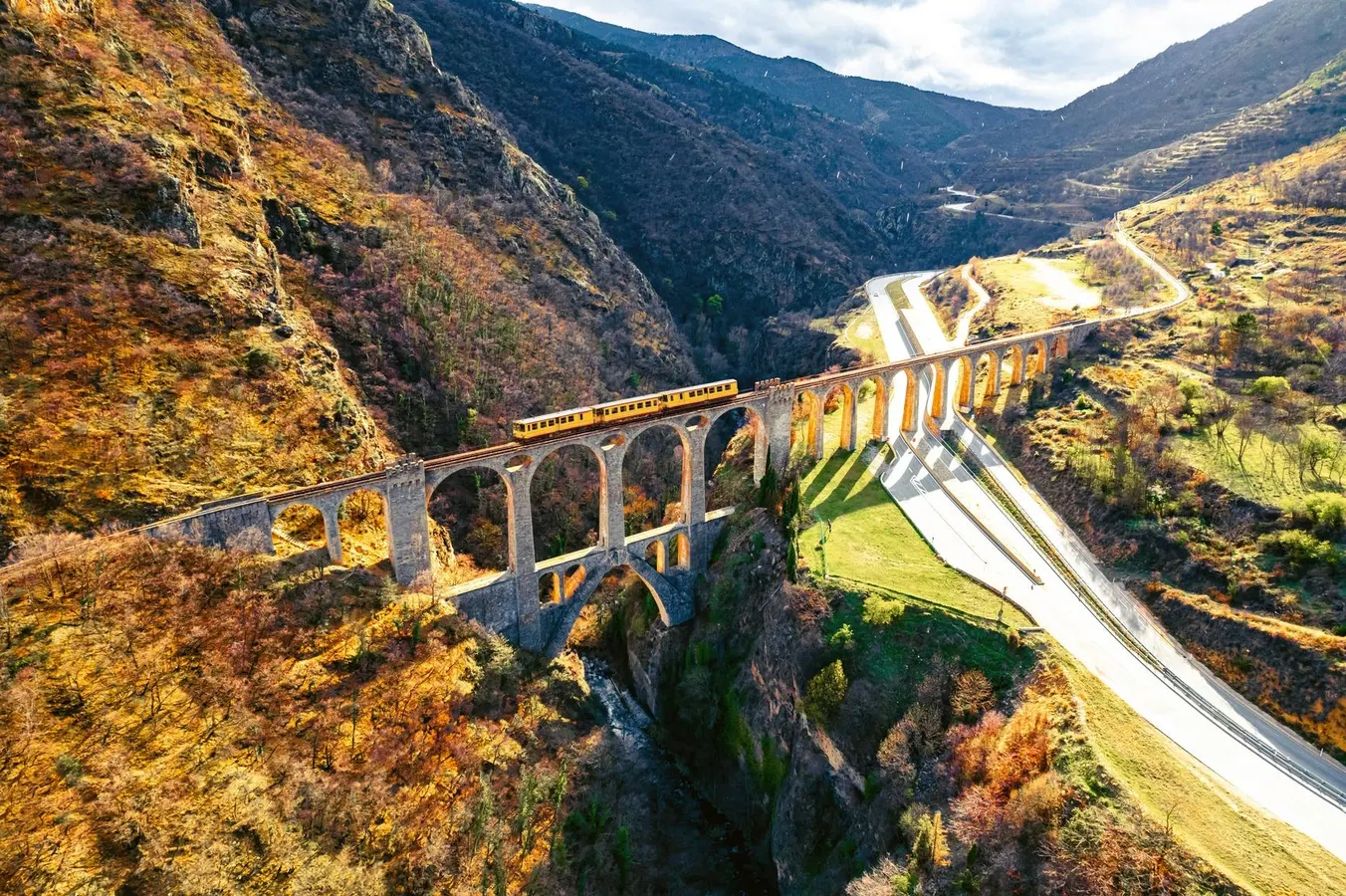
The train Jaune in Fontpédrouse, France—the EU has a new plan to allow passengers to travel more easily across all 27 European countries.gettyBooking a cross-border train journey across Europe currently requires navigating a labyrinth of national rail systems—often juggling "five tabs, three apps and a prayer," as transport officials wryly put it. That frustration is about to end as the European Commission has unveiled ambitious new rules promising "one journey, one ticket". That means a single booking for European train travel that seamlessly combines services from multiple rail operators across all 27 EU member states, with full passenger rights protection from start to finish. The proposal aims to make European rail travel as simple to book as flying by the end of the decade, or, more specifically, by the end of the current EU mandate in 2029.The EU transport commissioner, Apostolos Tzitzikostas, said, “Europeans will be able with the click of a button to plan, compare and purchase multimodal journeys across borders while benefiting from stronger rail passenger rights, greater transparency and better protection every step of the way.” It can be incredibly difficult to book travel across EU countries, something Tzitzikostas called “excessively complex”. It would be made easier because all the major rail companies, like Deutsche Bahn, Trenitalia and SNCF, would have to sell competitors' tickets on their websites too. A 2024 pan-European survey found that a third of Europeans had encountered difficulties when booking multimodal travel—combining transport modes and operators.Crucially, as reported by EuroNews, travelers will be able to apply for compensation for any issues throughout their journey, even if a problem happens on a different railway company. In the event of a cancellation, passengers would need to be rerouted to their final destination and wouldn't have to pay for a new ticket.Crucially, too, it's hoped that this measure might help companies focus on reducing the costs of rail travel, making it more competitive with air travel and enabling more people to afford the train. In turn, the Commission hopes that, as more people use public transport across the European Union, it can also meet its climate change commitments and reduce its carbon emissions—Europe's carbon emissions from the travel sector continue to climb. So what happens next? The Commission has to submit the proposal to the Council of the European Union and the European Parliament.There is also some criticism of the plan. The Community of European Railway and Infrastructure Companies (CER) said: “Underneath the surface of this rosy vision lies unprecedented and unjustified regulatory interventionism.”This initiative supports several other initiatives that individual European countries have taken to encourage public transport over air travel to reduce carbon emissions. In 2023, France banned air travel for trips under 2.5 hours if a viable train alternative exists (i.e., the train can get someone there and back in a day, with them being able to spend 8 hours in the destination). That same year, France also proposed an EU-wide minimum airfare price to curb ultra-cheap flights. Europe is built on the freedom of movement of its citizens. It is also committed to more sustainable travel and reducing its carbon emissions. This project to make European train travel easier seems to be a perfect combination of the two.MORE FROM FORBESForbesMore Americans, Especially Women, See Europe As A Plan BBy Alex LedsomForbesThe Iran Conflict Is Reshaping Middle East Tourism Habits (And Beyond)By Alex LedsomForbesMachu Picchu Joins Governments Worldwide To Curb Overtourism In 2026By Alex Ledsom
"One Journey, One Ticket"—The EU Unveils Cross-Border Train Travel Plan
The EU wants to make traveling across Europe by train easier—one ticket, across all booking platforms with full passenger rights. It will also reduce ticket prices.
572 words~3 min read