How realistic is the idea of cruising through space with a solar sail?
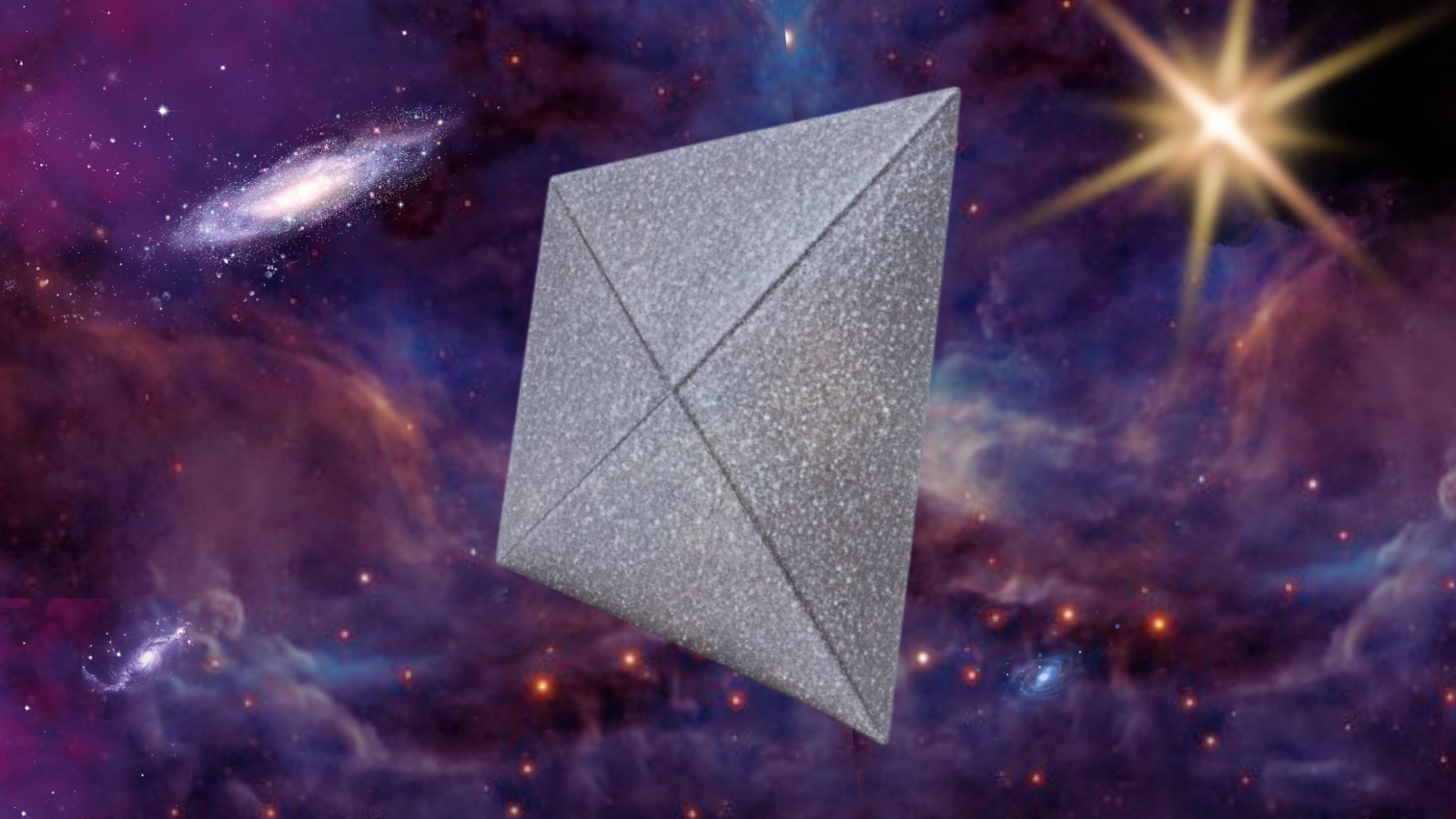
(Image credit: Robert Lea (created with Canva))
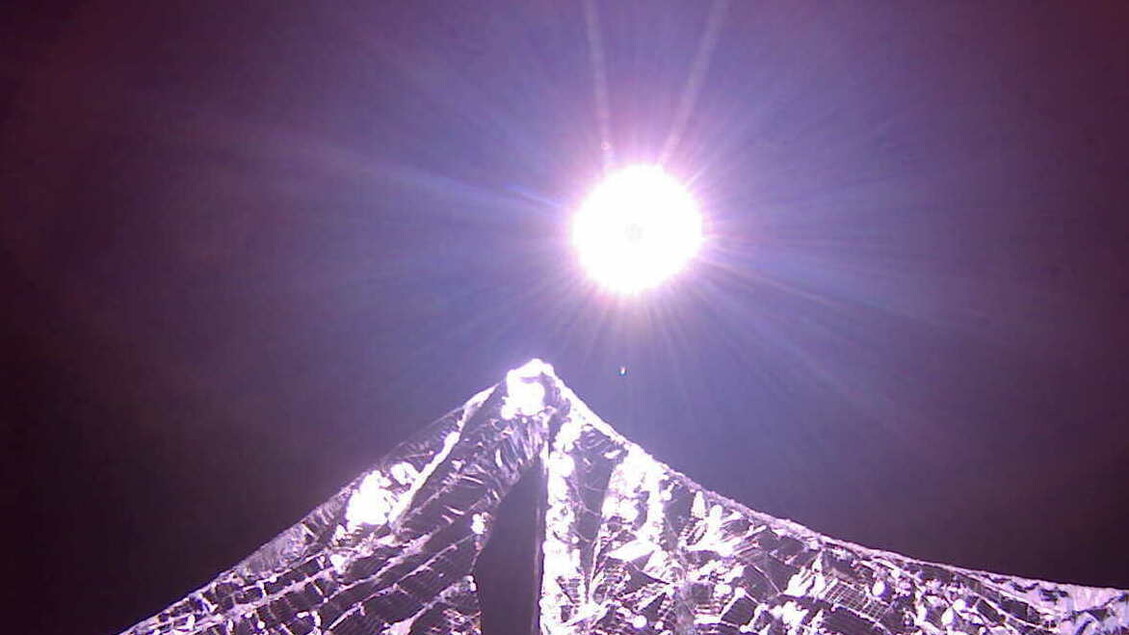
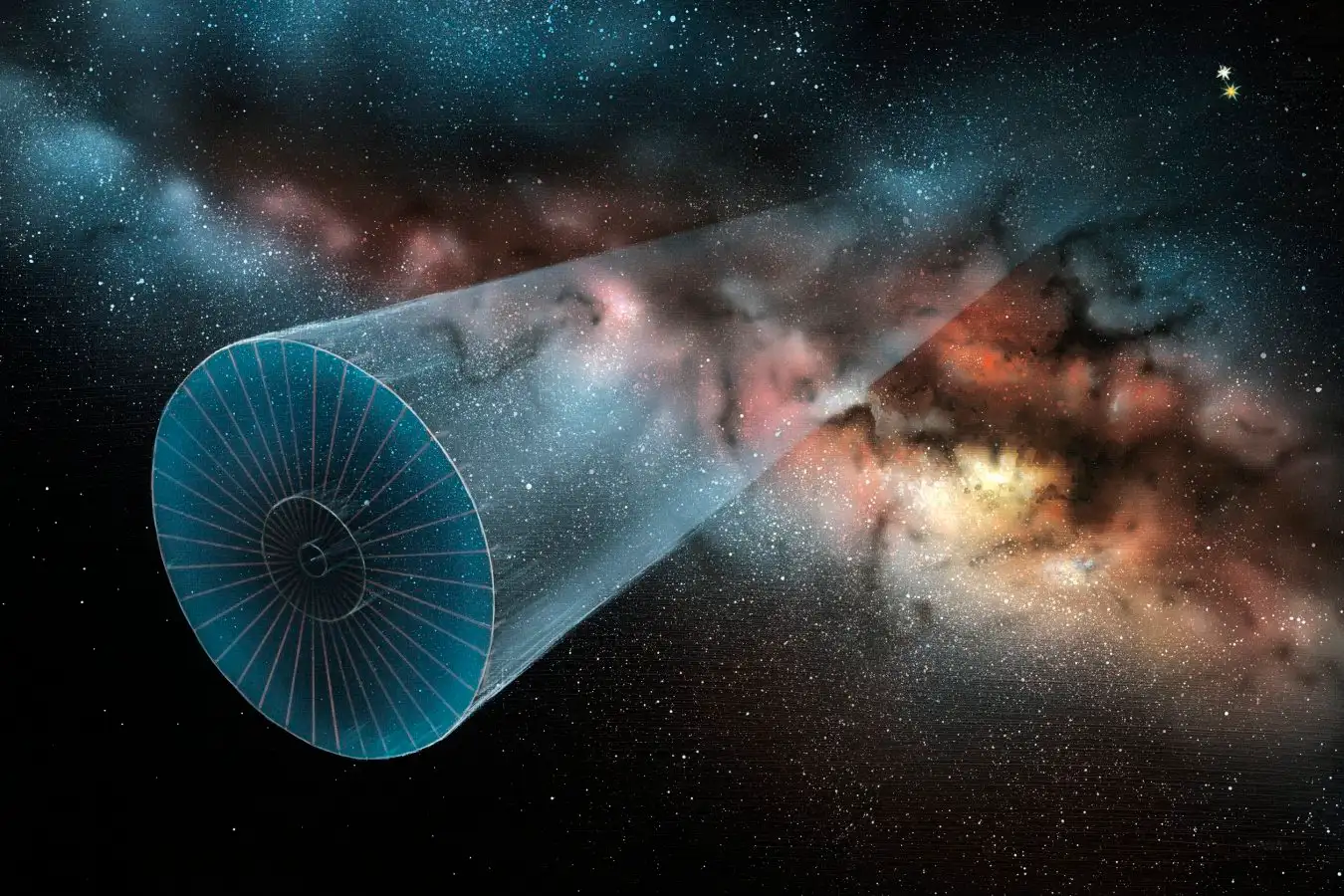
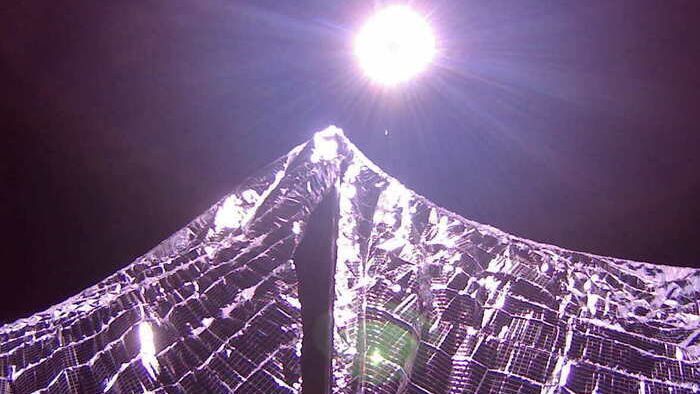
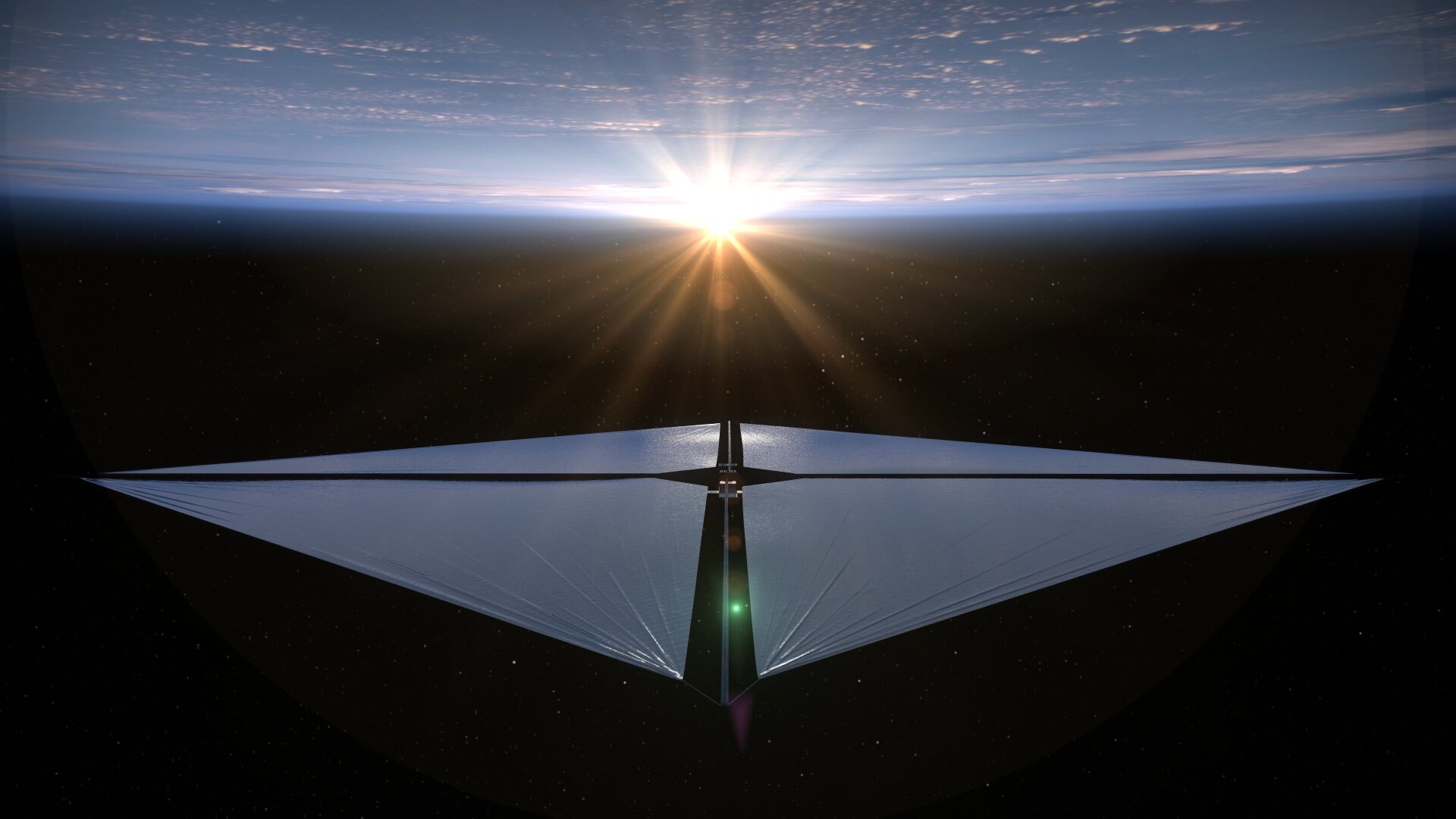
If humankind ever travels to distant stars, we might sail there — and it might be sooner than you think.Some of humanity's oldest ships used sails to harness the power of the wind, so it seems inevitable that we would do something similar in space. But instead of harnessing the wind for propulsion, scientists are developing ways to use light.The result? Solar sails: vast, but thin, sheets of specialized material built to harness the pressure of photons and propel spaceships across the cosmos. So far, solar sails have seen only a handful of proof-of-concept flights (including a flight to Venus), experiments and simulations in labs around the world, and some very ambitious mission concepts. But a recent study by Imperial College London engineer Debdut Sengupta and his colleagues found that solar sails could carry spaceships to the edge of our solar system within the next 10 or 20 years. The exact future of solar sailing depends on who you ask, but it's looking less likeFrom science fiction to spaceflight realityFor the few solar sails have flown so far, engineers at labs around the world developed lightweight booms to hold sail membranes steady, more heat-resistant sail materials, and worked to refine better overall sail designs. Missions like The Planetary Society’s Lightsail 2 (launched in 2019) and Japan's Ikaros solar sail (which flew to Venus in 2010) proved that the fundamentals of lightsail propulsion could work.But it's been seven years since Lightsail 2's launch, and NASA's latest test flight of an advanced solar sail design suffered deployment glitches and ended up tumbling in space. Does the current state-of-the-art lightsail technology live up to ambitious mission concepts to send a solar-sailing ship past the edge of our solar system?To answer that question, Sengupta and his colleagues started with three proposed lightsail missions (Breakthrough Starshot, Project Svarog, and Solar Cruiser), and then rated the readiness of all the technological pieces each mission would require, from Breakthrough Starshot's giant laser to Solar Cruiser's attitude control system.Breakthrough Starshot, an ambitious project first announced in 2016, is probably the best-publicized and most ambitious lightsail project proposed so far (it's a lightsail, rather than a solar sail, because it would ride on photons from a 200-gigawatt laser, not sunlight). It originally aimed to send a fleet of tiny nano-ships to Proxima Centauri, but the project has been on hold, its funding frozen, since late 2025. But Svarog and Solar Cruiser, in particular, are good examples of the two most likely types of solar sail missions.Svarog, a student-led project at Imperial College London, hopes to send a solar sail probe to the heliopause, a region 9 billion miles (14.5 billion kilometers) from the sun where the solar wind collides with the interstellar medium. Instead of using giant lasers to fill the sails with photons, Svarog plans to do what's called sun-diving: swooping close to the sun, where the radiation is most intense, to gain a big burst of speed — then slingshotting outward toward the heliopause. The team deployed a test sail from a high-altitude balloon in late 2024; Sengupta describes it as a "partial success."And Solar Cruiser, a project at NASA's Marshall Space Flight Center in Huntsville, Alabama, would have studied the sun from a vantage point near the L1 Lagrange point, using its 40-meter wide sail to hold itself in position against the pull of the Sun's gravity (picture a sailing ship here on Earth, using the speed from its sails to steer against the pull of currents and the push of waves). NASA shut down the project in 2023 but is still exploring some similar concepts.