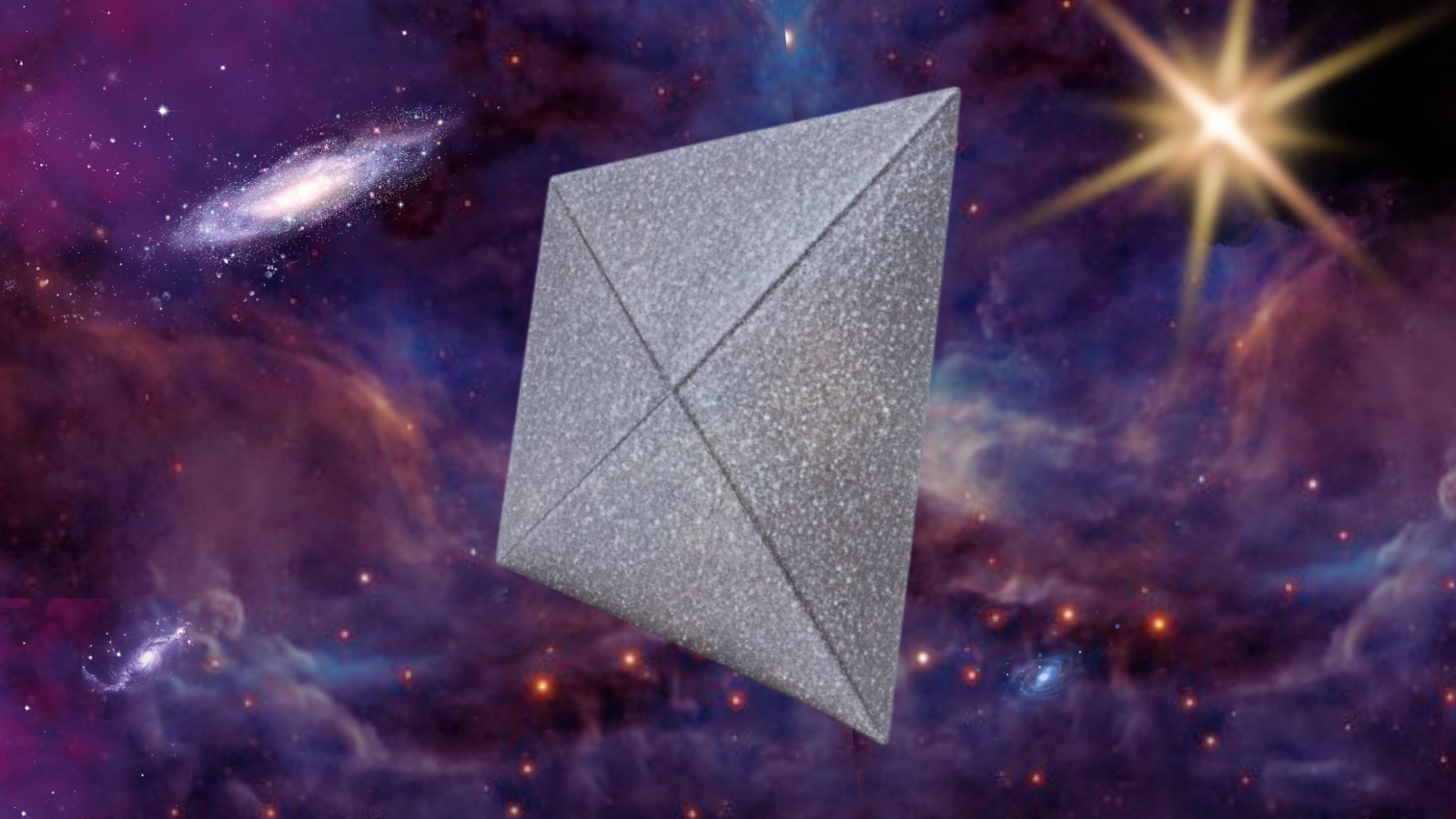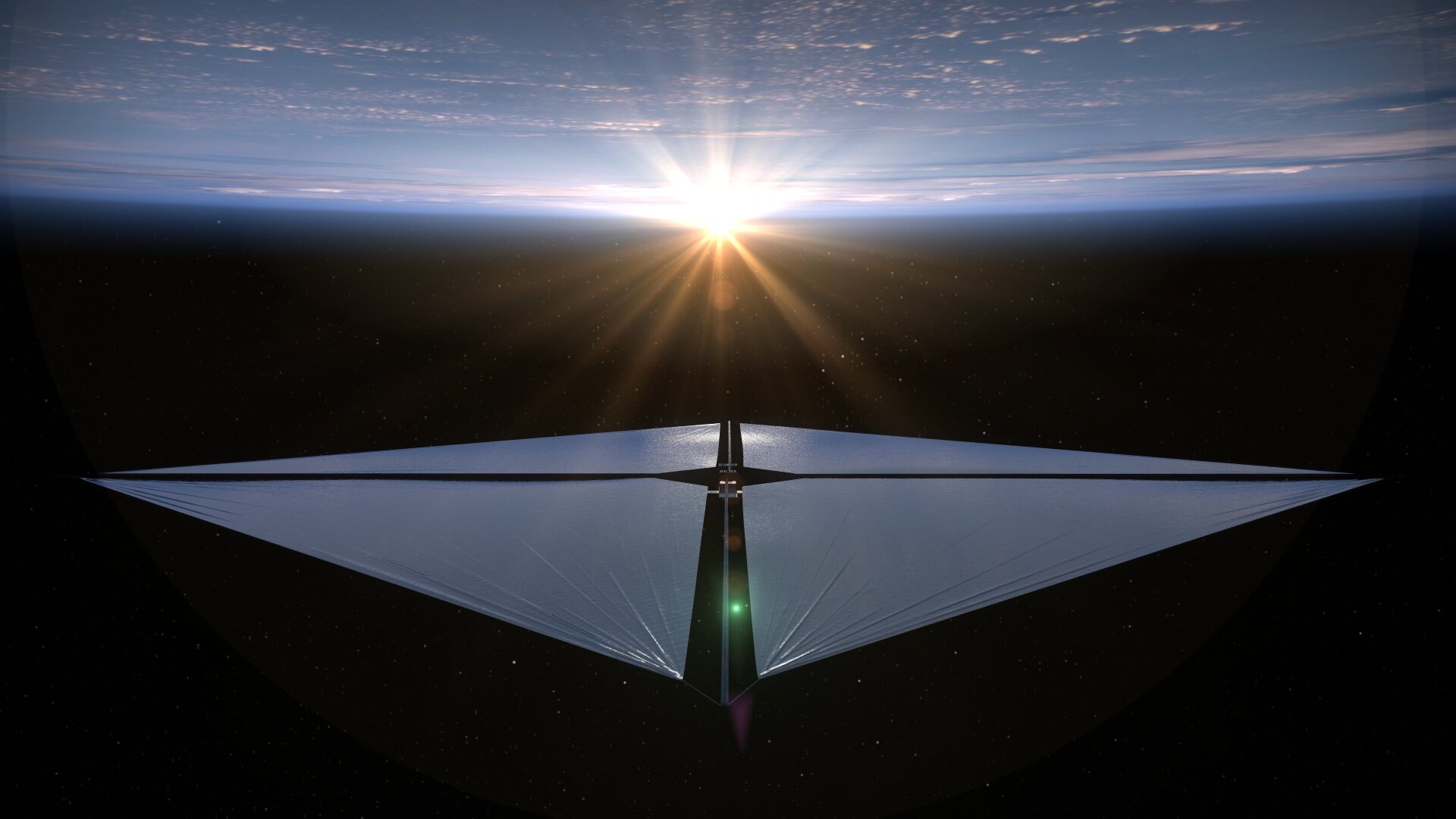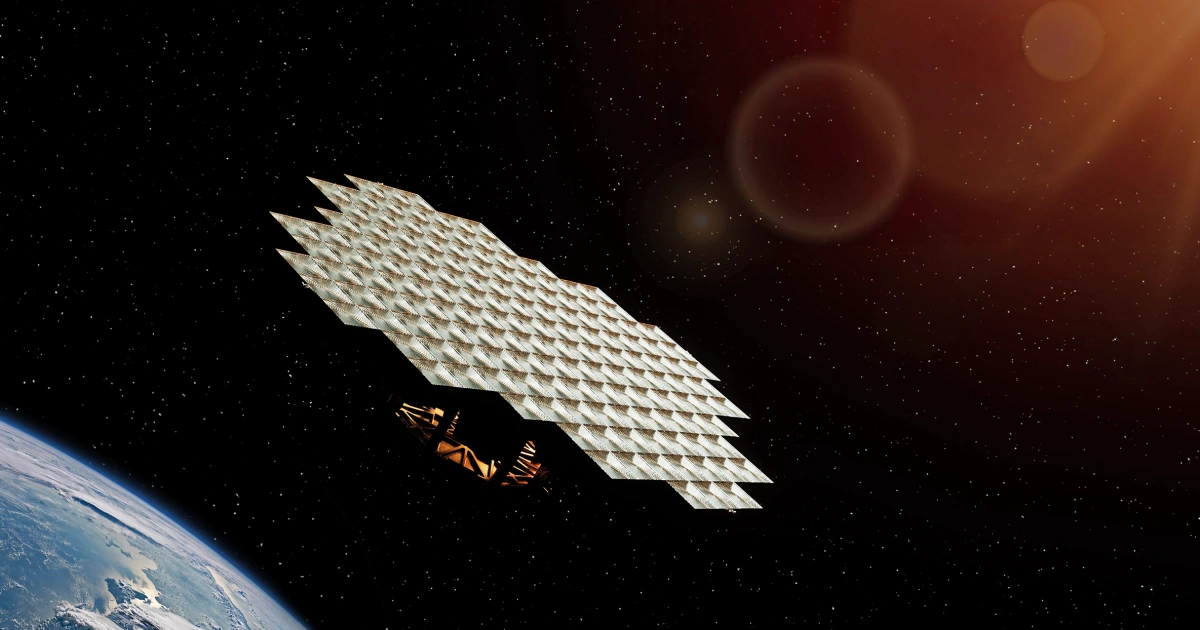
The idea of sending tiny spacecraft to another star system, not with rocket engines, but by riding a beam of light, may once have been science fiction, but new research published in Nature Communications is illuminating how the idea could become reality.
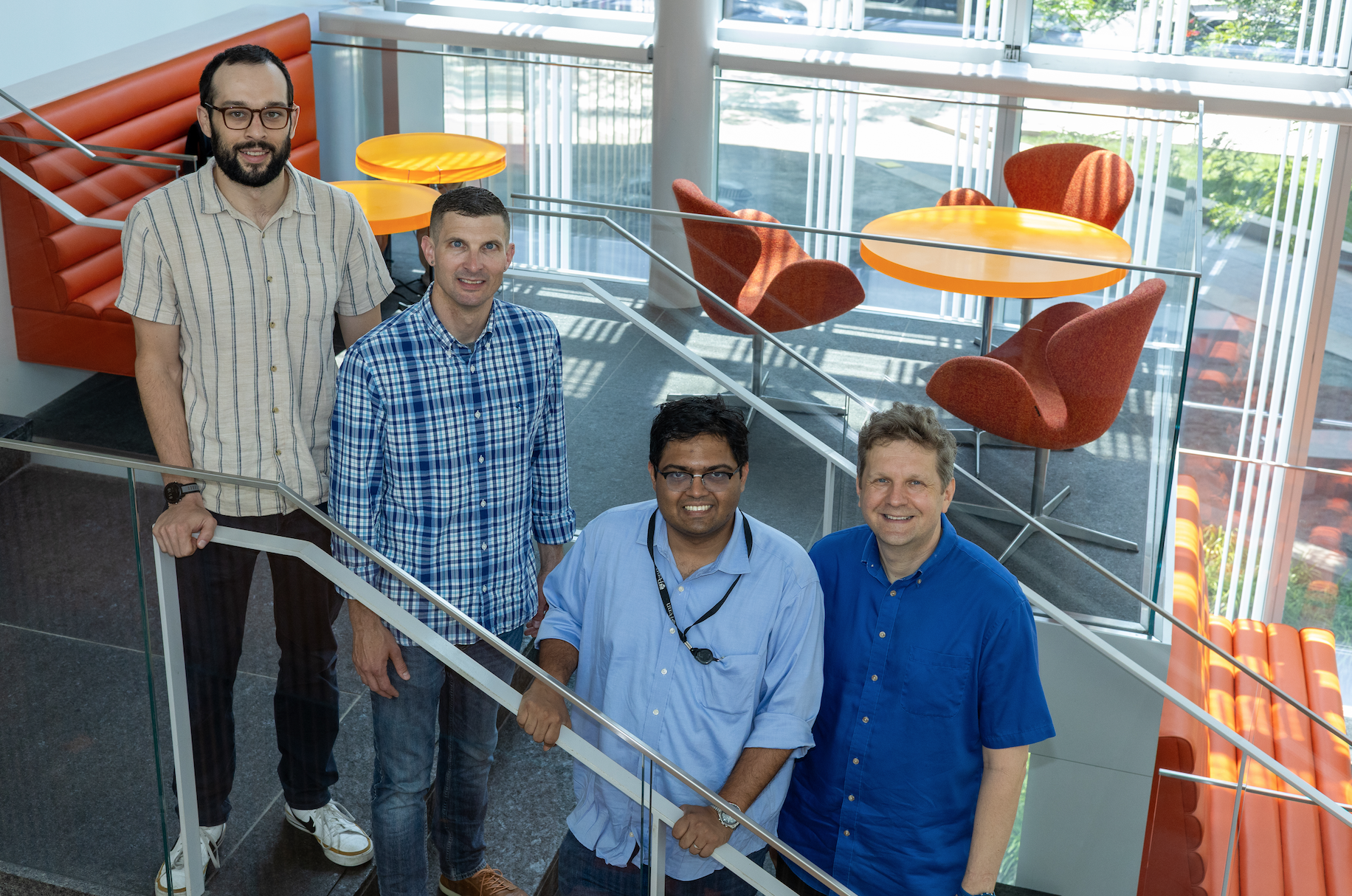
Led by Matthew Campbell, Research Assistant Professor in Mechanical Engineering and Applied Mechanics (MEAM), Igor Bargatin, Associate Professor in MEAM, and Deep Jariwala, Peter and Susanne Armstrong Distinguished Scholar and Associate Professor in Electrical and Systems Engineering, along with collaborators at the California Institute of Technology (Caltech) and UCLA, the research team leveraged a surprisingly simple driving force to power these light sails.
Just as wind fills the sails of a boat, photons (particles of light) carry momentum. If enough laser light is directed at a highly reflective, ultralight sail, those photons can push a spacecraft to extraordinary speeds, potentially reaching one-fifth the speed of light. At that pace, a mission to Alpha Centauri, the closest star system to our own, could take about 20 years, with data returning to Earth within a human lifetime. In contrast, this journey could take anywhere from 75,000 to 165,000 years using current spacecraft.