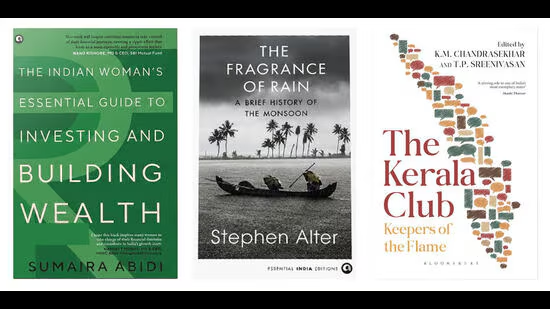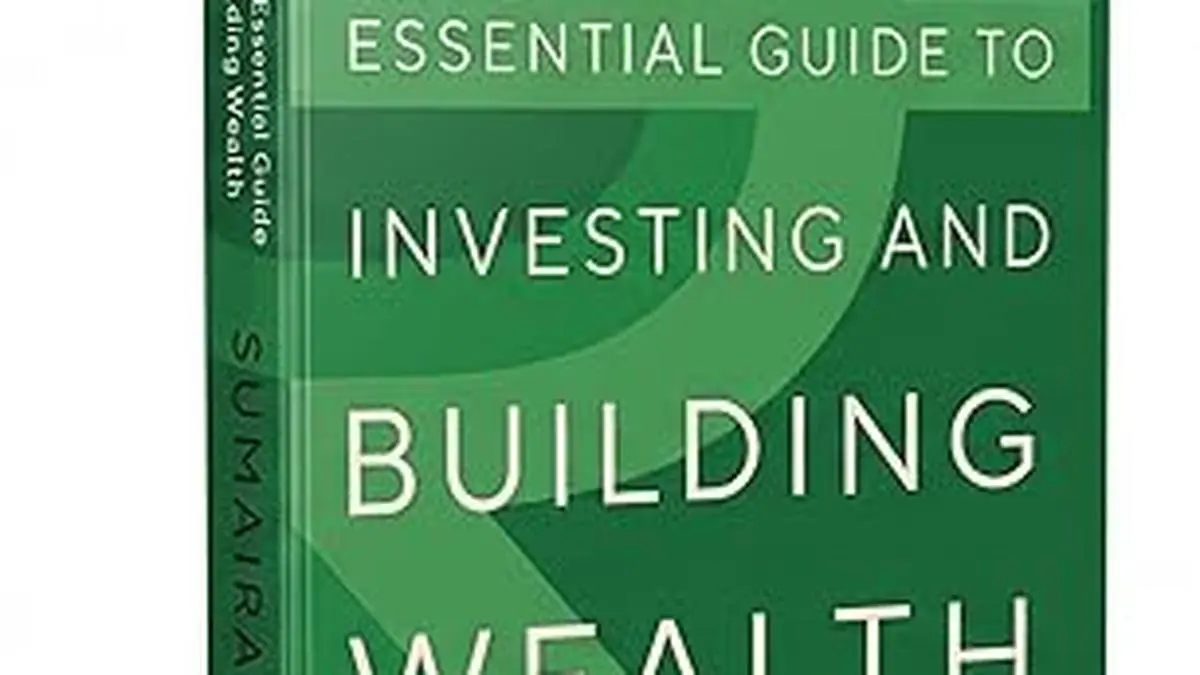
At the heart of this deeply insightful book lies a powerful, almost paradoxical truth: Indian women are celebrated as disciplined savers, yet many fall short when it comes to building sustainable wealth. The author begins by unpacking this contradiction, drawing a sharp distinction between saving and investing — two terms often used interchangeably but fundamentally different in purpose and outcome. Saving preserves money; investing grows it. This simple yet transformative shift in mindset sets the tone for the rest of the book.This book, written by Sumaira Abidi, who is Vice President-Investor Connect at SBI Mutual Fund, succeeds in making personal finance less intimidating and more relatable by blending financial concepts with everyday Indian realities.One of its strongest features is the author’s ability to simplify complex ideas through familiar analogies. Asset allocation, for instance, is compared to an Indian thali — balanced, diverse and incomplete without the right mix of ingredients.Similarly, compounding is introduced as the “eighth wonder of the world”, echoing Einstein’s famous quote, while illustrating how equities and mutual funds can create long-term multiplier effects unlike low-risk, low-return traditional instruments such as fixed deposits. While traditional options like FD/RD provide safety, they often fail to beat inflation — a silent eroder of wealth. The author also touches upon real estate as investment, discussing maintenance costs, and liquidity challenges.More advanced financial concepts such as the Sharpe ratio and Alpha are introduced, helping readers evaluate risk-adjusted returns and fund performance. Equally important is the guidance on portfolio rebalancing, emphasising that investment strategies should evolve with age, life stage, and market conditions. Goal setting is presented as the anchor of all financial planning — whether it’s retirement, children’s education, or financial independence.The author also examines the role of gold, a culturally favoured asset, comparing its long-term performance with the Nifty 50 and real estate. While gold offers stability and acts as a hedge, it cannot always match the wealth-creation potential of equities. The author reinforces the importance of understanding how mutual fund redemptions can disrupt compounding, using clear illustrations to show the cost of premature withdrawals.Practical advice abounds: building a contingency fund, securing adequate insurance (preferably term plans rather than investment-linked policies), and navigating India’s taxation system. The inclusion of updated tax slabs (as of March 1, 2026) in tabular form is especially useful, making what is often a daunting subject more approachable.Debt management is another key theme. The author distinguishes between “good” debt (like home loans) and potentially harmful liabilities such as personal loans. The importance of maintaining a healthy credit score is explained through relatable scenarios. There is also a strong emphasis on avoiding the “debt trap,” especially in a culture where easy credit and BNPL (buy now pay later) are increasingly accessible.Women’s challengesWhat truly sets this book apart is its empathetic lens on the unique financial challenges faced by women. From tackling gender stereotypes in money matters to addressing the realities of single women, single mothers, widows, and women on career breaks, the book offers nuanced, scenario-based guidance.. For instance, single women often find themselves acting as the “family bank,” their savings gradually depleted by extended family obligations. Practical advice — such as investing divorce settlements wisely in strategies like Systematic Withdrawal Plans (SWPs), updating nominee details under inheritance laws, or continuously upskilling during mid-career breaks — gives the book both relevance and depth.The discussion on career breaks is particularly relevant in today’s context. The author strongly advocates for continuous upskilling, especially in fast-evolving fields like IT, finance, and healthcare. Exploring alternative income streams such as online businesses or rental income is presented not as optional, but essential for financial resilience. The book highlights how unexpected events, such as medical emergencies, can derail even the best-laid financial plans.And you have some “Oh I never knew this” moments like Estate planning and Glide-path investing. Often overlooked, estate planning is framed not as a concern for the wealthy alone but as a necessity for everyone to avoid legal complications and ensure the smooth transfer of assets.As readers move into their 40s, the author asks them to shift their focus to consolidating finances, preparing for retirement, and understanding frameworks like William Bengen’s safe withdrawal rate. The message is clear: financial independence requires foresight, discipline, and informed decision-making.The author describes the book as both a mirror and a map — a mirror to reflect one’s current relationship with money, and a map to chart a better path forward. It is filled with real-life anecdotes that make the lessons tangible and relatable. While the book is primarily aimed at women, men, too, would benefit from reading it — not only to improve their own financial literacy but to ensure that the women in their lives are empowered and prepared for uncertainties.Published on May 31, 2026
A mirror and a map for investing
An empathetic lens on financial challenges women face
791 words~4 min read