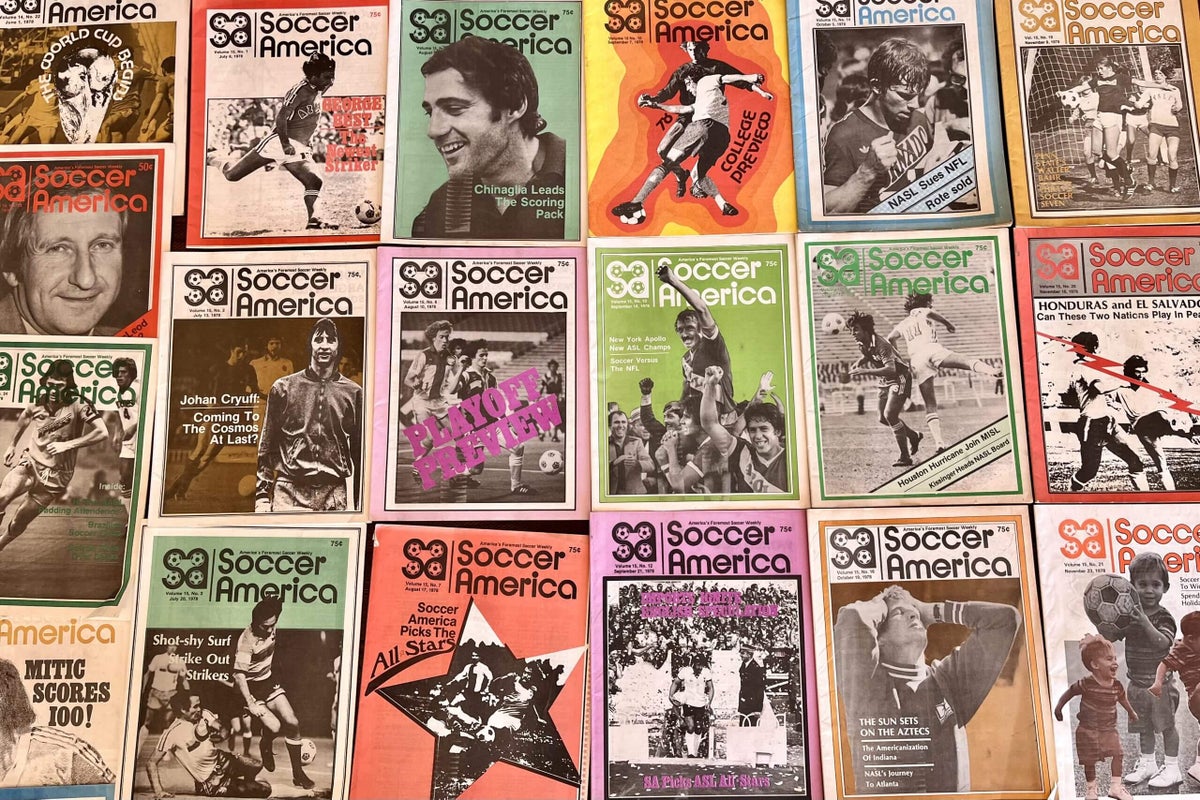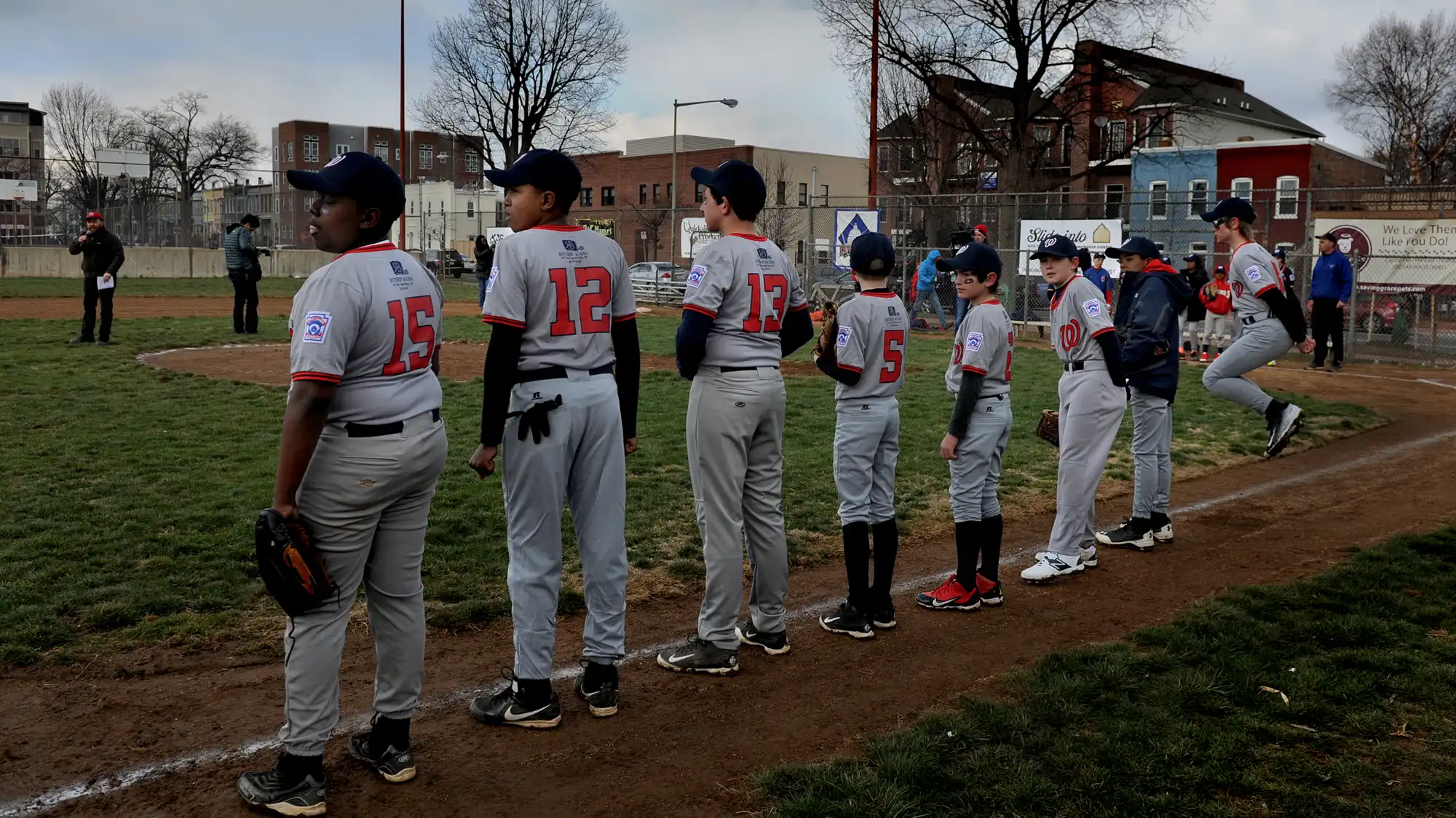
Soccer is already one of the most popular youth sports in the United States. According to industry data, outdoor soccer participation in the US reached nearly 14.1 million players in 2023, up 23% compared to 2018.
For many American children, soccer is also the first organized sport they ever play. In recent years, youth sports research has consistently shown that families often enter the world of organized athletics through soccer before trying anything else. For parents, especially mothers, that first experience usually means much more than just signing up for practices. It becomes a routine built around training schedules, tournaments, carpools, weekend travel, and communication with coaches and other families.
As participation keeps growing, the demand around youth soccer is changing too. Families are no longer looking only for a place where children can train a few times a week. They expect structure, communication, long-term development, and an experience that feels organized both on and off the pitch.
That shift has quietly changed the profile of who succeeds in youth football business in the US.
When people imagine the owner of a football academy or youth soccer club, they usually picture a former coach or player. Someone deeply connected to football itself. In reality, many successful soccer clubs are run by people who understand families better than tactics. And in the US, that person is often a soccer mom.