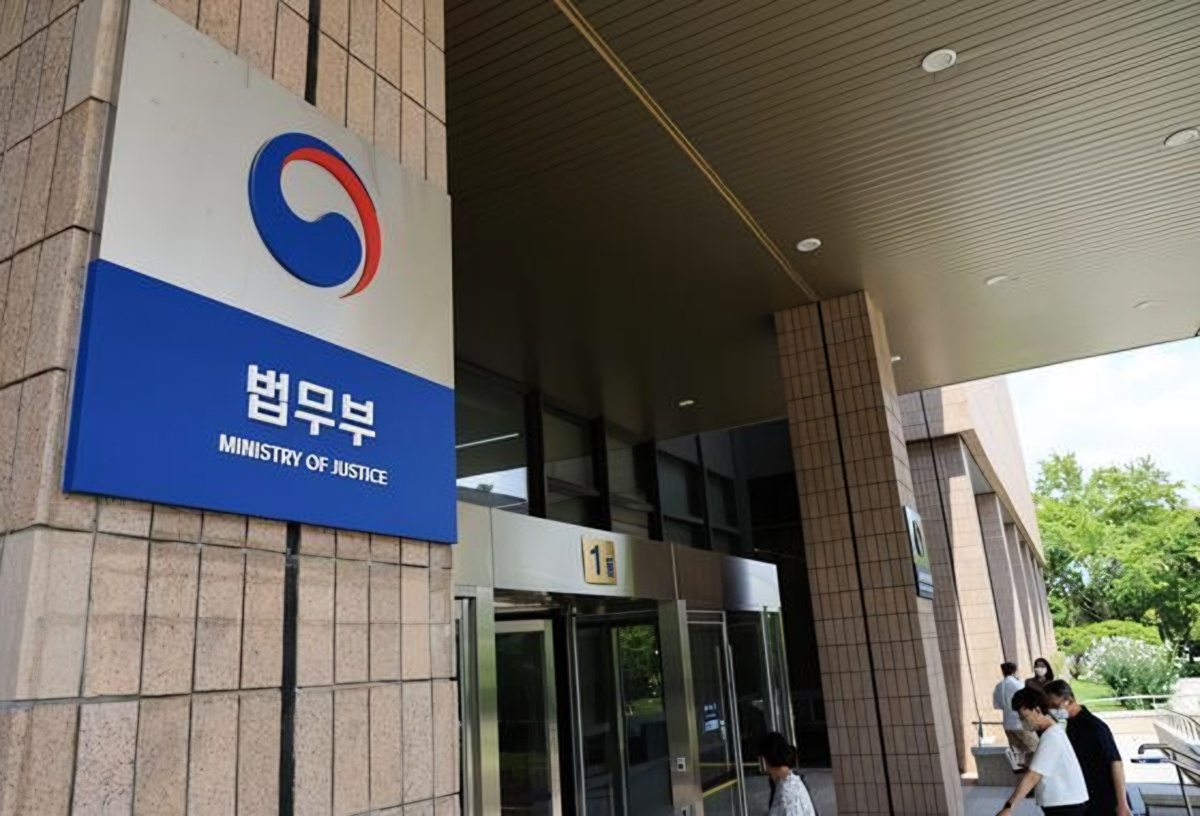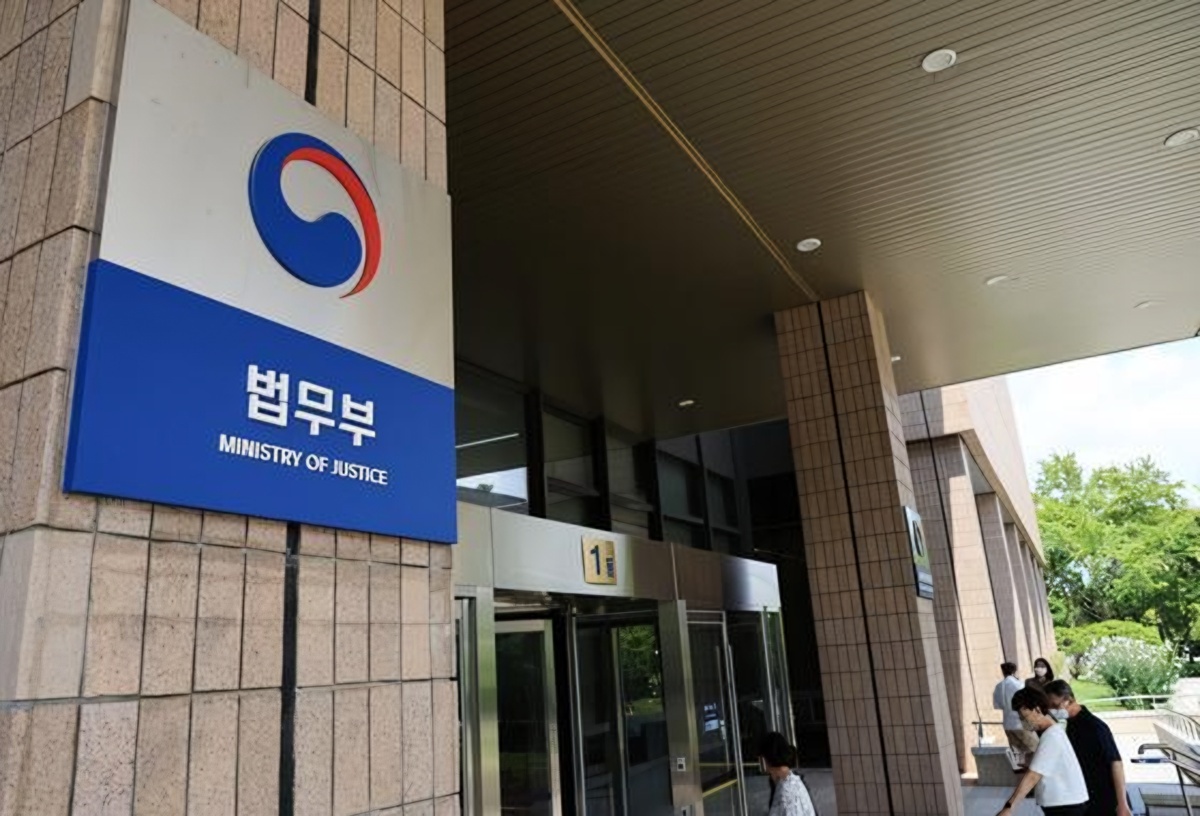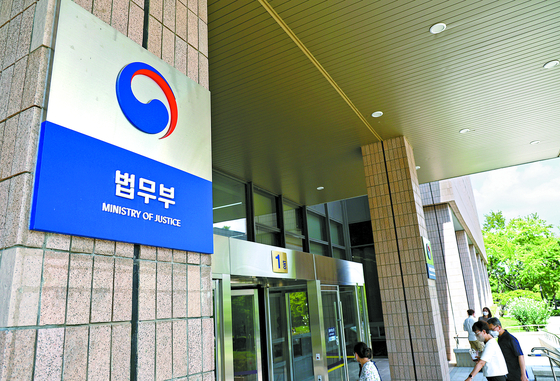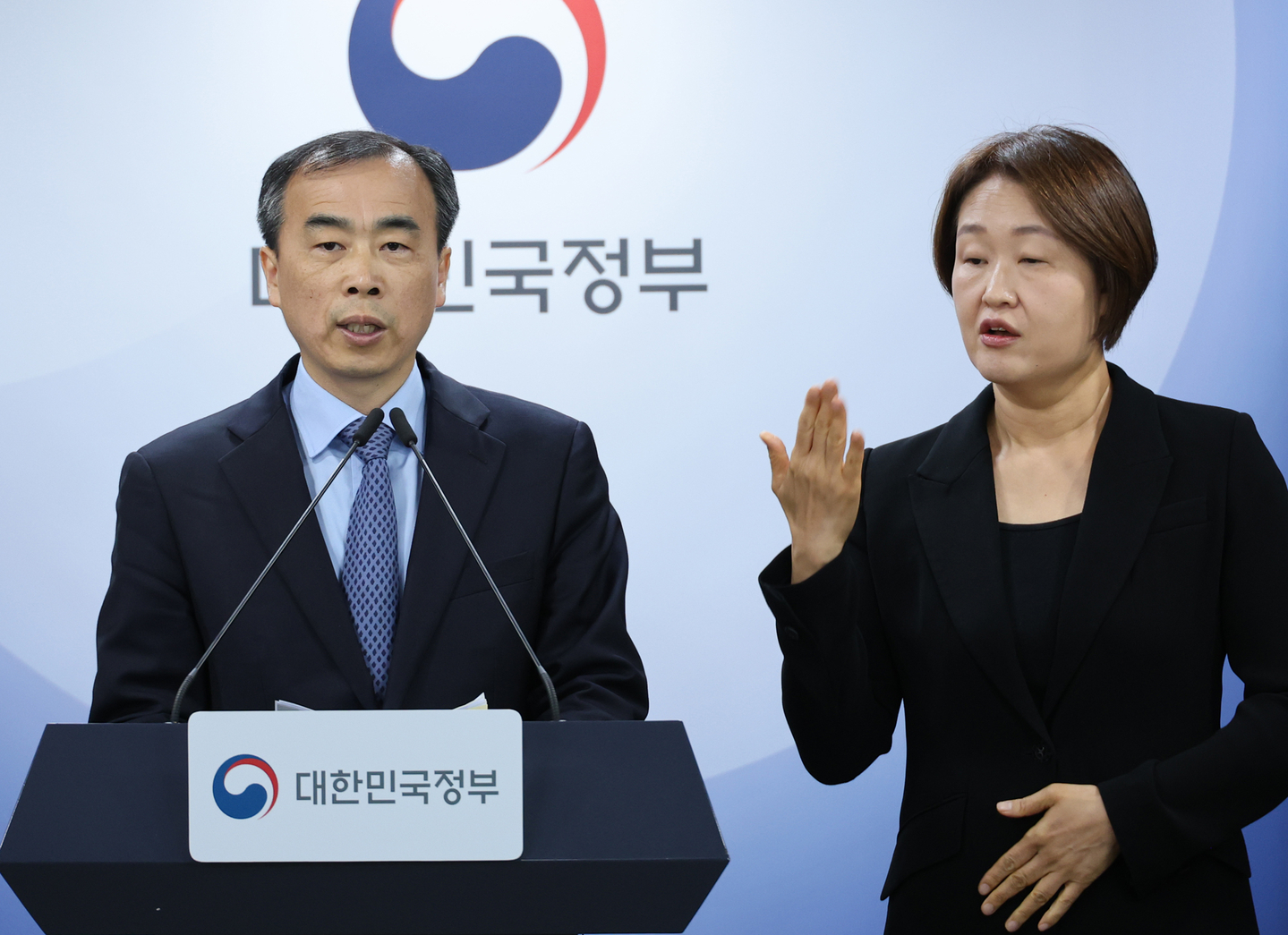
The Ministry of Justice building in Gwacheon, Gyeonggi Province (Ministry of Justice) More science and technology talent will become eligible for South Korea’s "top-tier visa" starting in June, as part of a government policy aimed at attracting more than 2,000 foreign researchers and professionals by 2030.The Ministry of Justice and the Ministry of Science and ICT announced Sunday that they would expand eligibility for the visa to include professors and researchers in science and technology.The visa had previously been available only to those hired in advanced technology sectors, including artificial intelligence, displays, batteries, biotechnology, advanced mobility, robotics and defense technology. The visa encompasses four categories and six subtypes but the expansion only applies to the F-2-T visa.The move is part of the government’s broader push to attract more than 2,000 foreign talents to Korea by 2030, including 350 through the top-tier visa program.To qualify, top-tier visa applicants must meet one of four sets of criteria and receive a recommendation from the science minister.The first category covers the recipients of major science and technology awards, such as the Nobel Prize or the Fields Medal. Those recommended by such award recipients may also be eligible.Foreign researchers may also apply if they are listed among Clarivate’s Highly Cited Researchers or have been named “researcher of the year” by international journals such as Science or Nature.Applicants may also qualify if they hold patents registered simultaneously in the US, Japan and Europe, or if they have generated at least 1 billion won ($663,000) in technology licensing revenue over the past three years.The fourth category applies to those with at least five years of experience as a project investigator or in a position equivalent to or higher than assistant professor at one of the world’s top 100 research institutions. Senior researchers at national research institutes or at one of the world’s top 500 companies may also be eligible.Researchers who do not meet these criteria but are deemed to have high potential may still be considered through a review committee jointly operated by the Justice Ministry and the Science Ministry.Once an applicant receives the top-tier visa, the Justice Ministry will immediately grant the applicant and their family members F-2 residency status, which allows stable long-term residence and free employment. The applicant will also receive an immigration priority card.The government will also shorten the residency period required to apply for permanent residency, or F-5 status, from the usual five years to three years.Those who receive the visa will also be given priority access to the Science Ministry’s support programs, including services covering entry, settlement and daily life in Korea.“We expect this improvement to strengthen the institutional foundation for outstanding overseas science and technology talent to swiftly enter Korea’s research field and enhance the global research capacity of domestic research institutions,” Justice Minister Jeong Seong-ho said.
Justice Ministry expands 'top-tier visa' program to attract foreign science and tech talents
More science and technology talent will become eligible for South Korea’s "top-tier visa" starting in June, as part of a government policy aimed at attracting m
TL;DRAI
South Korea opens its F-2-T top-tier visa to science and tech researchers from June, targeting 350 entries by 2030. Immediate F-2 family residency and a 3-year path to permanent status (vs. 5) make Korea a concrete variable in AI R&D hub location decisions.
468 words~2 min read