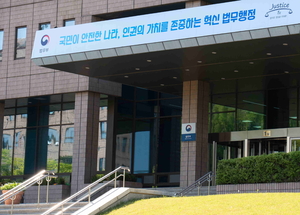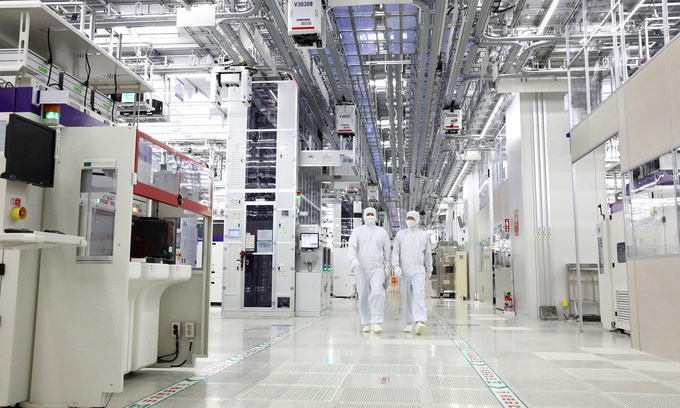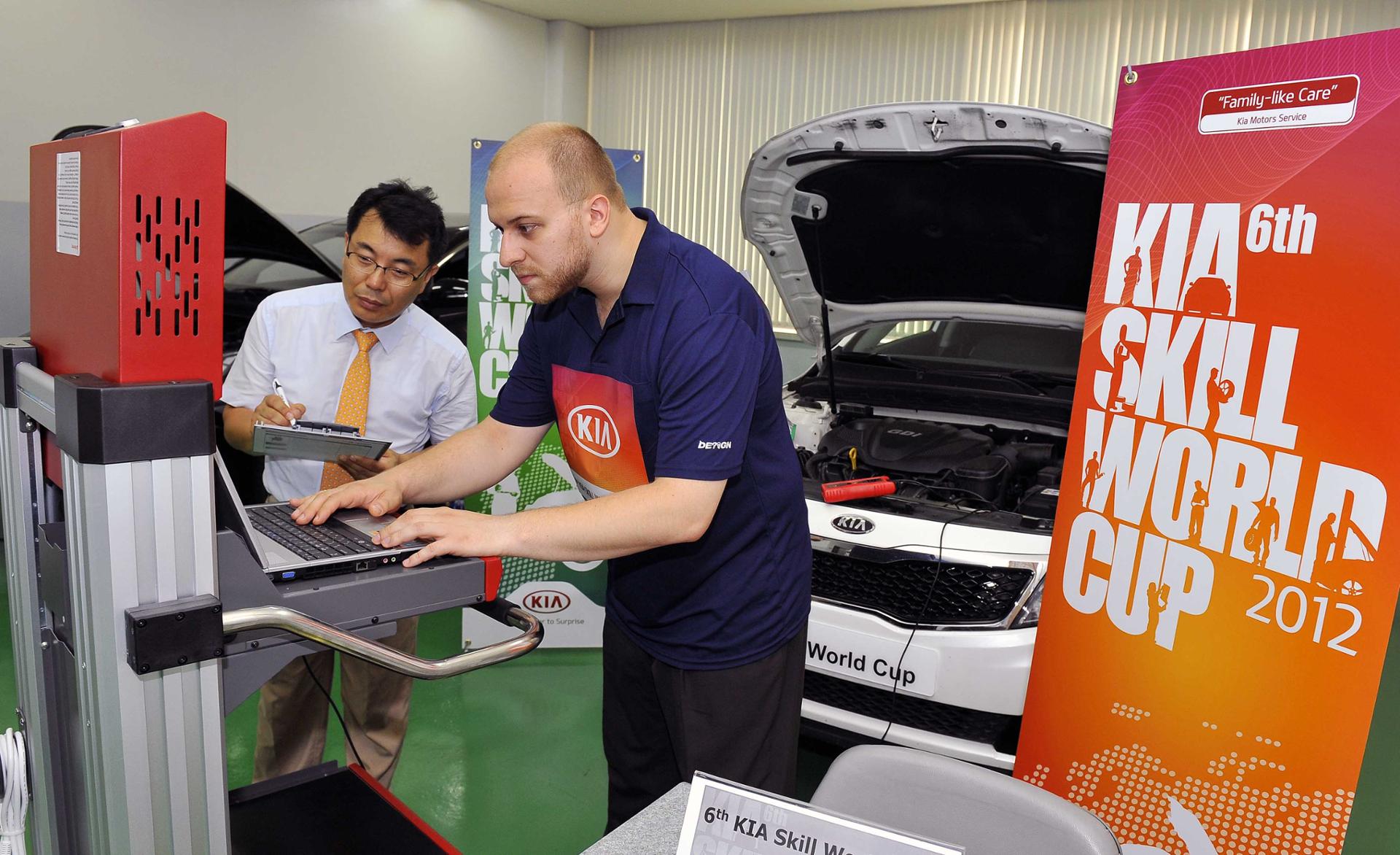
A technician conducts maintenance during the 6th Kia Skill World Cup at the Hyundai-Kia Cheonan Global Learning Center in Cheonan. Korea Times fileIn an increasingly competitive global scramble for advanced technology, Korea is rolling out the red carpet for elite foreign engineers and researchers.The Ministry of Trade, Industry and Resources announced Thursday the expansion of its “K-Tech Pass” program, introducing a more flexible screening framework designed to aggressively boost the recruitment of global talent by domestic firms.The overhaul shifts away from a rigid visa system that corporate leaders complained was disconnected from the realities of hiring in cutting-edge fields. Previously, foreign applicants could only secure the fast-tracked "Top-tier" residency visa if they met strict quantitative milestones. These included holding a postgraduate degree from one of the world’s top 100 engineering schools, an employment history at Fortune 500 companies or a salary at least three times Korea’s gross national income per capita.Under the new "qualitative track" launched Thursday, applicants will be evaluated on a broader 100-point rubric. While quantitative metrics still account for 65 points, 35 points are now allocated to qualitative measures, such as specific technical expertise and an individual’s strategic necessity to the hiring firm. Crucially, the ministry is offering a 10-point bonus to small and medium-sized enterprises, which traditionally struggle to compete with Korea's family-owned conglomerates, known as "chaebol," for international talent.A second new track will automatically extend K-Tech Pass benefits to world-class scholars recruited through government-backed initiatives, including foreign talent programs run by the Ministry of Health and Welfare and the newly formed Korea AeroSpace Administration.To ensure the program’s success, the Ministry of Justice introduced a critical policy shift by eliminating Korean language requirements for the Top-tier visa."Unlike the previous system, which relied strictly on quantitative evaluations, the addition of qualitative assessments will allow a broader array of companies to bring in the international talent they desperately need," Lee Min-woo, the director general for industrial policy at the industry ministry, said.For those who secure the credential, Korea is offering an exceptionally aggressive suite of benefits.Recipients of the Top-tier residency visa (F-2-T) will have their application processed online within two weeks, bypassing standard consular queues, and can apply for permanent residency after just three years. Their spouses receive unrestricted work authorization and extended family members are permitted to cohabitate.To sweeten the financial transition, the government is granting a 50 percent income tax reduction for up to a decade, alongside domestic-rate housing loans and guaranteed admission for their children at international schools.The policy push highlights a growing recognition within Korea that maintaining the country's dominance in semiconductors, artificial intelligence and aerospace will require a drastic shift in immigration policy.This article was published with the assistance of generative AI and edited by The Korea Times.
Korea trims bureaucracy to woo elite global tech experts - The Korea Times
In an increasingly competitive global scramble for advanced technology, Korea is rolling out the red carpet for elite foreign engineers and researc...
455 words~2 min read