(Image credit: Shutterstock)
Solar panels are easily the best home upgrade I've ever paid for, and over the past six years, I've saved thousands of dollars on my energy bill because of them. Naturally, the amount of benefit I get from my 12-panel system depends on a bunch of factors, the most important of which is the weather. The more sun there is, the more energy you can generate, which means a better return on investment.I live in the U.K., which just endured a pretty big heatwave, which meant this week was the hottest week of the year so far. That coincided with some of the clearest skies I've seen for several months, and it sent my solar panels into production overdrive. Hotter temperatures mean my energy usage skyrocketed, and that had me wondering just how effective my panels were at keeping my energy bills down.So I decided to do the math to figure out what was going on — and calculate just how much money my solar panels saved me over a seven-day heatwave (May 22 to May 28).For the sake of my own convenience, I'll be doing all my math in Pounds Sterling (£) and pence (p), and will convert the totals to dollars at the end.The solar situation at my home
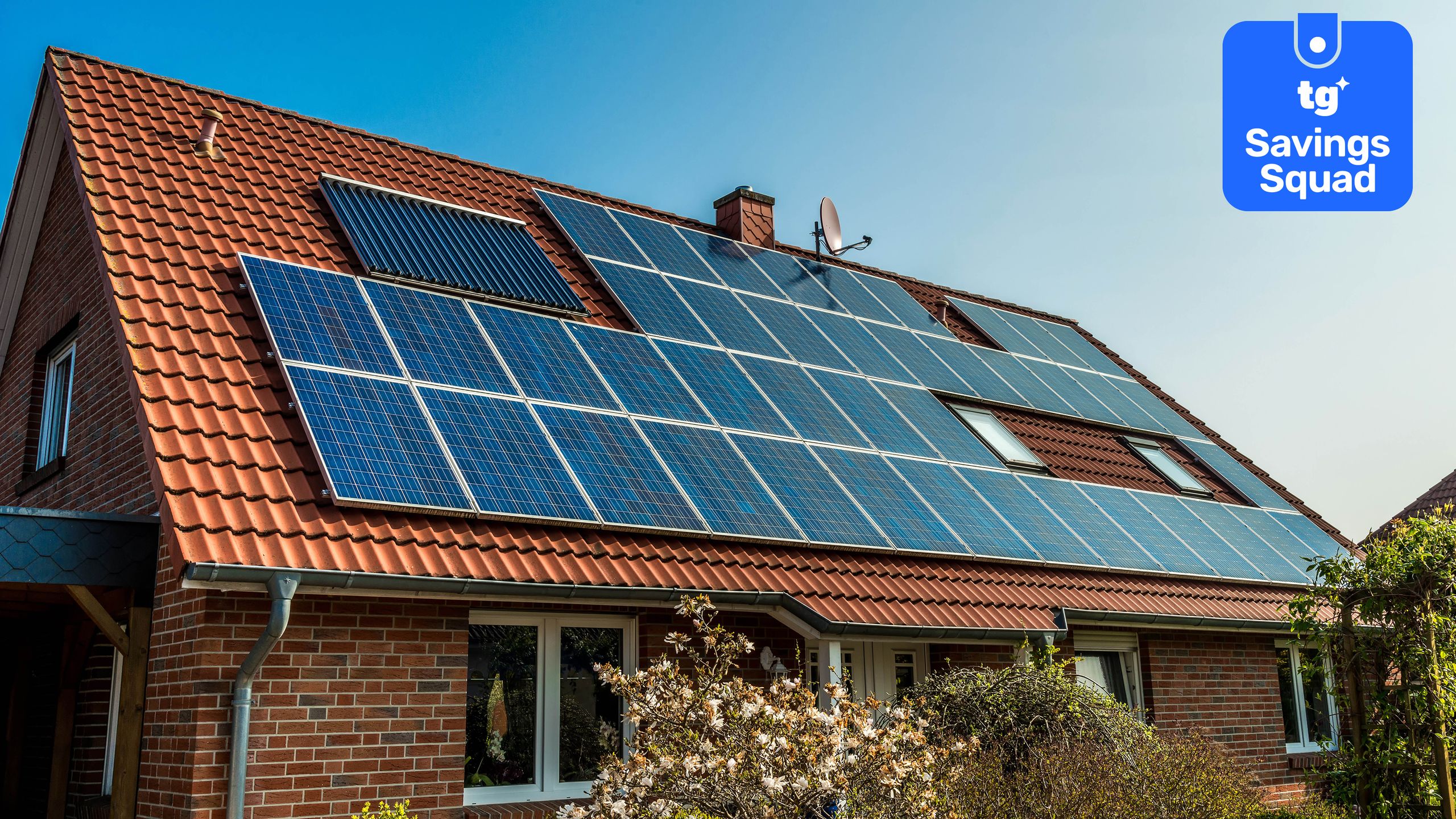
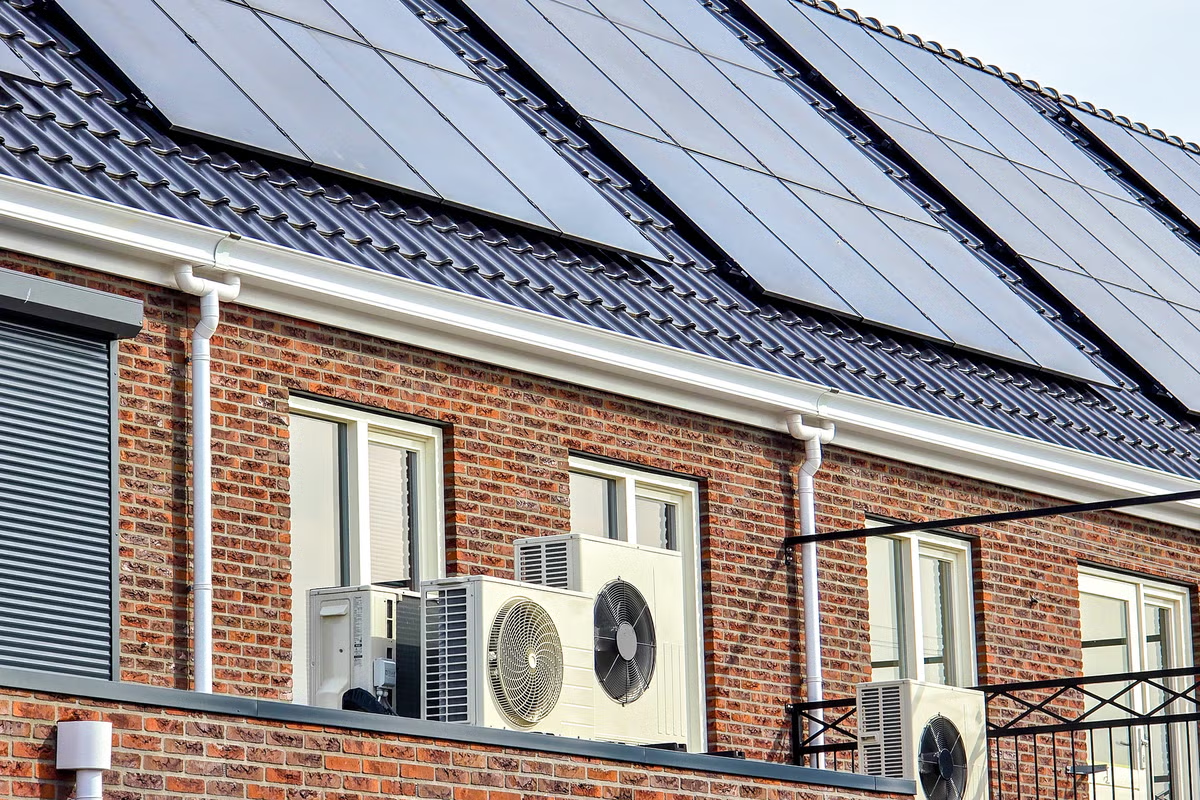
(Image credit: Shutterstock)I don't have a particularly large house, but the roof space is almost completely uninterrupted — meaning I had room for quite a few solar panels. My system is made up of twelve 345 watt solar panels, with a maximum production capacity of 4.14 kilowatts. While I could theoretically generate 4.14kW from this setup at any given moment, I've never actually seen my panels generate more than 3.5kW at a time — and that's a rarity.Eight of my panels are at the front of the house, facing the south when most of the energy is generated, while the other four are in the back room facing north. I also have a 3.3 kWh home battery, but it doesn't really factor into these calculations since all the energy it stores either gets used up or exported at some point throughout the day.My current electric plan means that I pay 22.17p for every kWh of electricity I import from the grid, plus a 41.35p daily standing charge — which is kind of like a rental fee for maintaining a connection to the national power grid. That standing charge doesn't change, and means my weekly electricity bill will always be at least £2.90 ($3.86) even if I don't use any electricity. My provider also pays me 12p for every kWh of electricity I export to the grid, which ensures I get some money back for any excess solar power that I don't personally use or store.Get instant access to breaking news, the hottest reviews, great deals and helpful tips.It's also worth mentioning that I don't have any HVAC installed that would drive up my electricity usage. My heating and hot water is powered by a gas boiler, rather than a heat pump, and any air conditioning I get to enjoy comes from a vented portable unit rather than a central air system.My energy usage over the past week