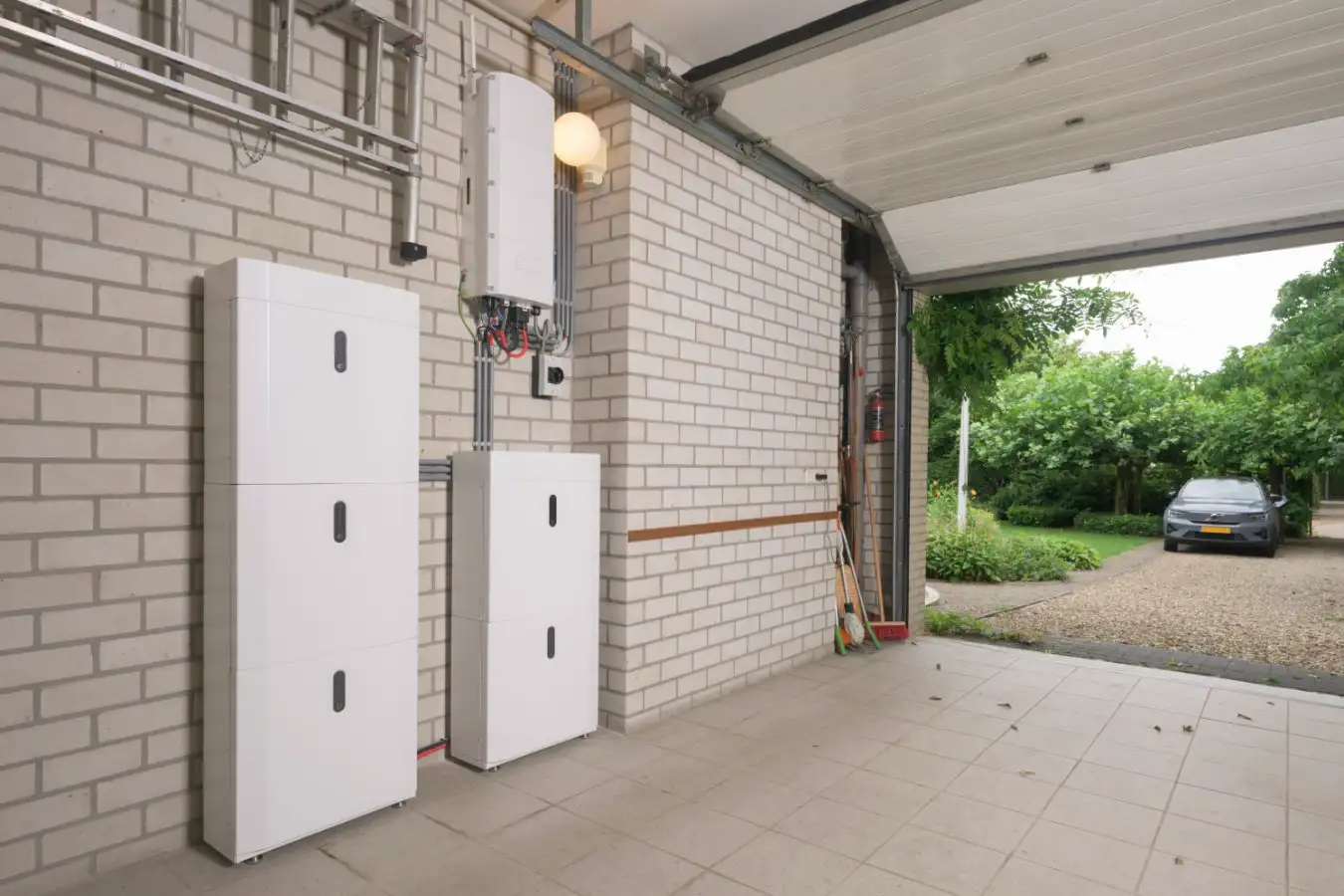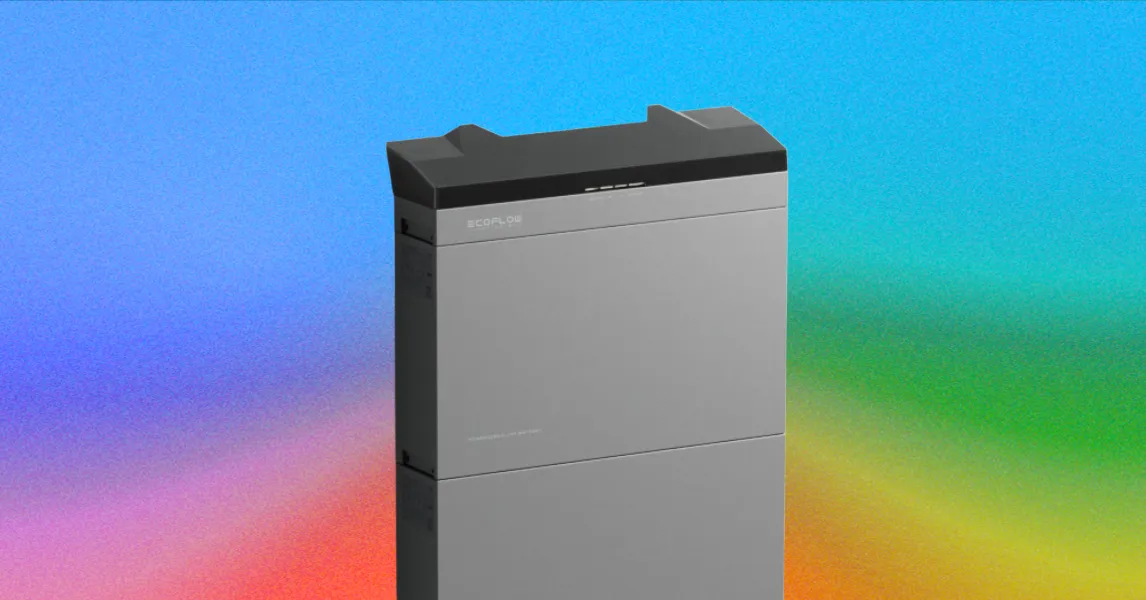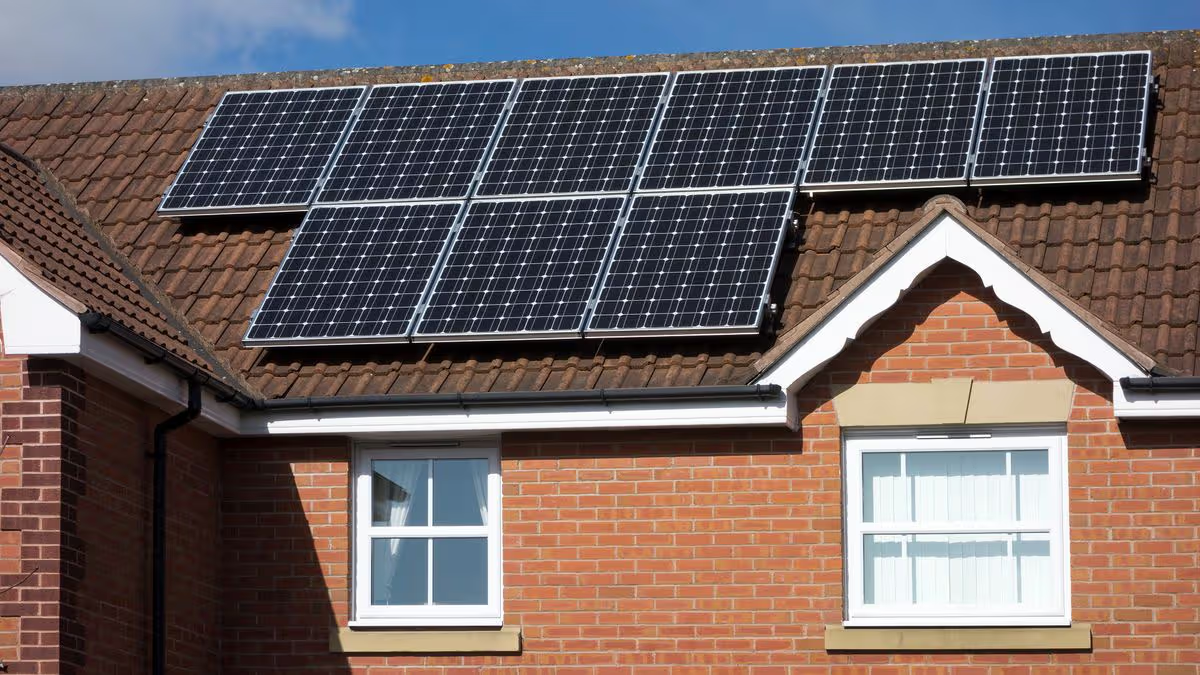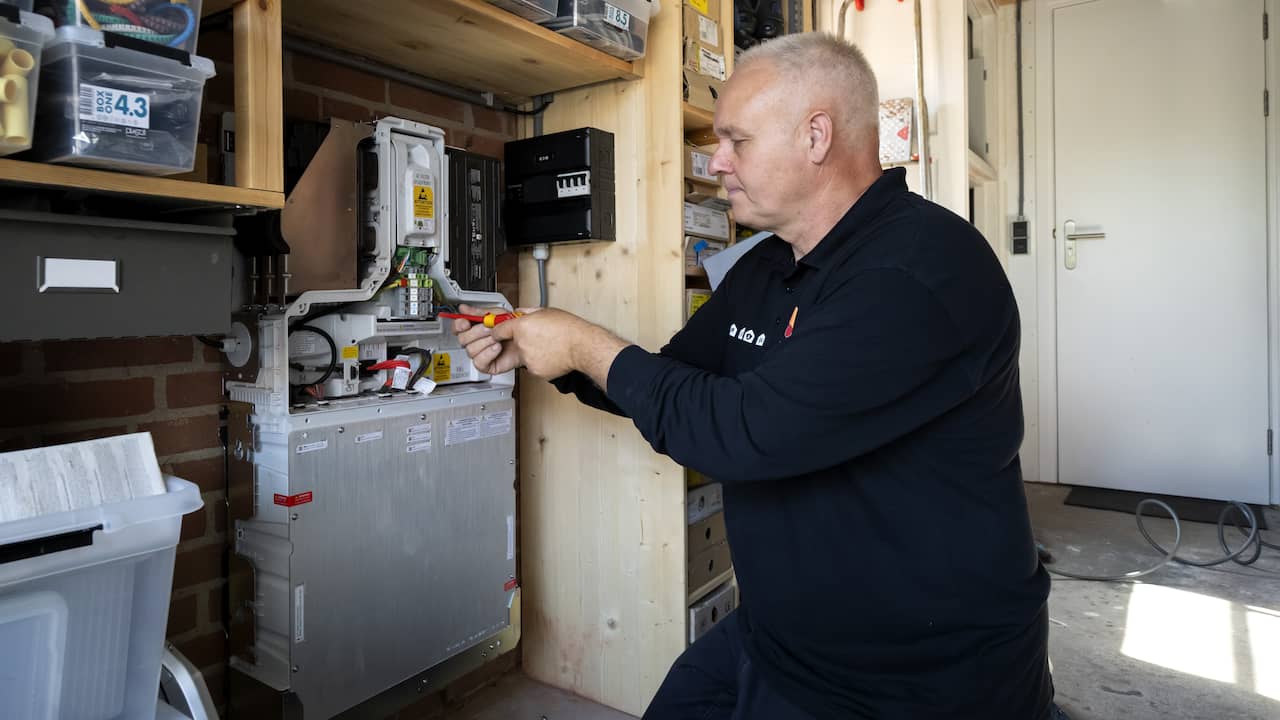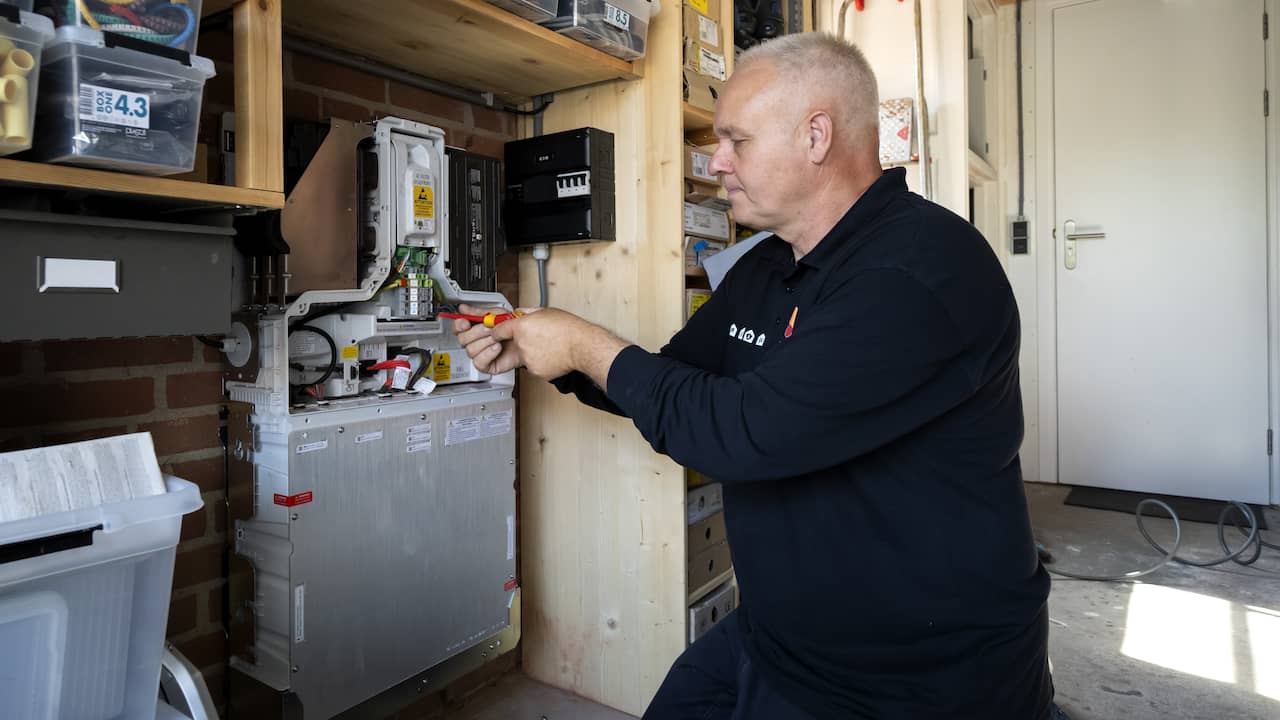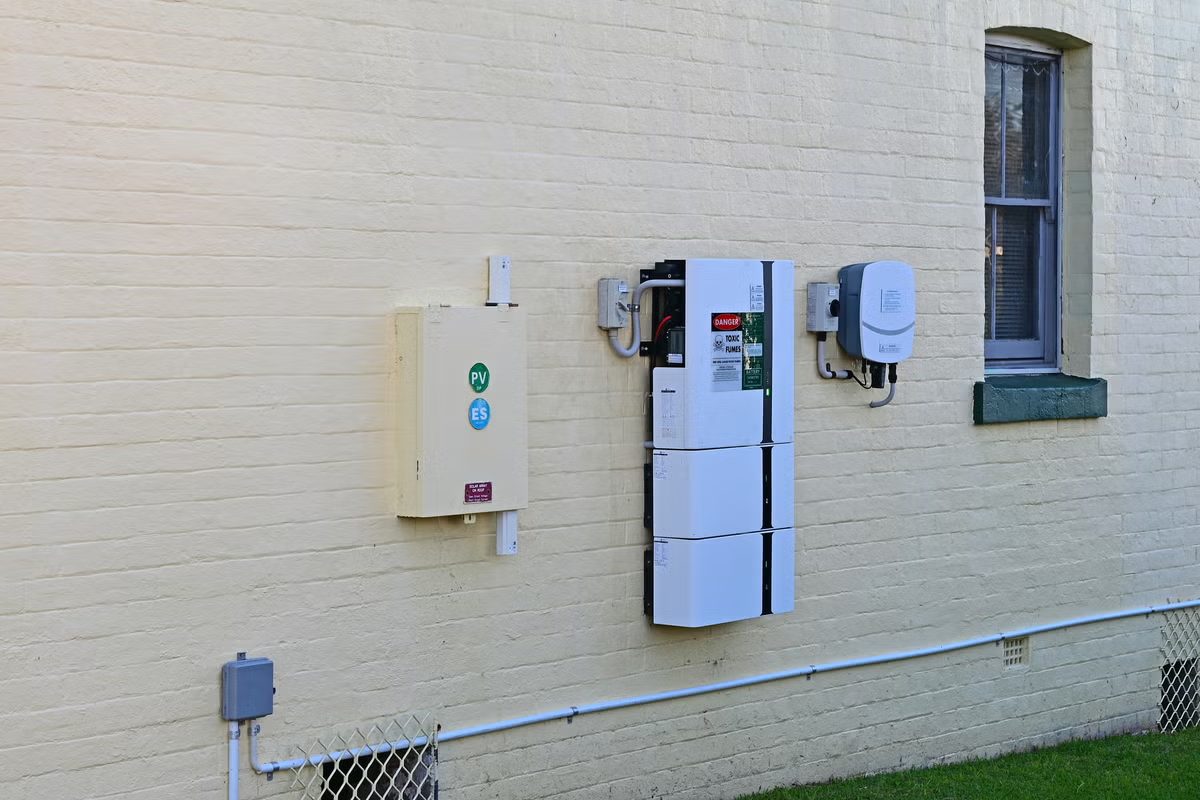
Not every home is made for solar panels. Some roofs are shaded for much of the day. Some are the wrong shape, face the wrong way or belong to a listed building. Flats, rented homes and leasehold properties can all come with extra hurdles. And for many households, the reality is that the upfront cost of installing a full solar panel and battery system may simply be too much to take on at once.But that raises an interesting question: if you can’t put solar panels on your roof, could a home battery still help you cut your energy bills? The short answer is yes, potentially. A standalone home battery won’t generate electricity in the way solar panels do, but it can afford you the opportunity to buy electricity from the grid at more opportune times. By charging when electricity is cheaper and using it to power your home when prices are higher, a battery can help some households make better use of smart tariffs and avoid more expensive peak-rate electricity. The catch is that the sums are more delicate than they are with solar. Without panels, you’re not storing your own free electricity. You’re relying on the gap between cheaper and more expensive grid electricity being wide enough – and consistent enough – to make the investment worthwhile.Phil Steele, future technologies evangelist at Octopus Energy, says his preference is still to pair batteries with solar where possible, because “the moment you’ve got solar, you’re generating your own energy and storing any excess energy.” But he says a battery can also work on its own, provided the tariff makes sense.“You can use a battery without solar by charging it when energy is cheap and using it later when import prices are higher,” says Steele. “The thing to be mindful of is that you’re dependent on there being enough of a spread between the cheap periods and the high periods.”Can you have a home battery without solar panels?Yes. A home battery doesn't have to be connected to solar panels. Instead of storing surplus solar electricity, it can charge directly from the grid.The principle is simple. If your electricity tariff has cheaper off-peak periods, the battery can be set to charge during those hours. Later, when electricity is more expensive, your home can use the stored power instead of buying electricity from the grid at a higher rate.That can be especially useful for households that use a lot of electricity in the evening, when national demand tends to be higher. Using electricity for cooking, washing, lighting, heating, watching TV and gaming can all add up during the hours when many people are at home.A battery doesn’t necessarily change what you do. You may still cook dinner at 6pm or put the washing machine on after work. What differs is when some of the electricity powering those appliances was bought.How does a battery-only setup save money?The savings come from what is known as load shifting. Rather than paying one flat electricity rate throughout the day, a household on a time-of-use tariff may pay less during quieter periods and more during peak periods.A home battery lets you shift some of your electricity buying into the cheaper window.For example, if electricity is cheaper overnight and more expensive in the early evening, the battery can charge while you sleep and discharge when you get home. The bigger the gap between the off-peak and peak rates, the more valuable each unit of electricity shifted through the battery becomes.The exact saving depends on the tariff, the size of the battery, how much electricity you use during expensive periods and how efficiently the system charges and discharges, Steele says. But the core idea is straightforward: a battery can help you use cheap electricity at the most expensive times of day.Who is a battery without solar best suited to?A standalone battery isn't right for every home. It's most likely to make sense if several conditions line up.It may be worth considering if you have access to a smart tariff with a meaningful cheap period, use a lot of electricity during peak hours and have enough daily consumption to charge and discharge the battery regularly. Homes with electric vehicles, heat pumps, electric hot water, induction hobs or high evening usage may have more opportunities to shift electricity from expensive periods to cheaper ones.It may also appeal to households that can't install solar panels but still want more control over their energy costs. This could include some flat owners, leaseholders, renters with permission to install fixed equipment, or homeowners whose roofs are not suitable for panels.However, the case is weaker if your electricity use is already low, if most of your usage already happens overnight, or if you are on a tariff with no meaningful difference between cheap and expensive periods. A battery is also less attractive if you need a very fast payback, because the upfront cost can still be significant.The most important question is not just how big the battery is. Instead, it is worth considering how much electricity you can realistically shift through it each day. How much could you save without solar?There is no single answer, because a battery-only system is highly dependent on the home and the tariff.Steele says savings from a battery-only setup are likely to be lower than those from a solar-plus-battery system. With solar, the battery can store electricity that would otherwise be exported or unused. Without solar, the savings come only from buying electricity cheaply and using it later.“If you’re battery only, I think the savings are going to be a lot lower,” says Steele. He estimates that some households might be able to reduce their electricity costs by “somewhere between 10 and 20 per cent,” depending on the size of the battery, the property’s energy consumption and the spread between tariff rates.That range shouldn't be treated as a guarantee. A household with a strong off-peak tariff and high evening usage may do better than one with low electricity demand and a smaller price difference between day and night rates.A simple way to think about the maths is to look at three figures. Firstly, how many kilowatt-hours can you charge into the battery during the cheap period? Next, think about how much of that stored electricity you can use during expensive periods. Finally, consider the difference between the cheap rate and the rate you would otherwise have paid.If you can only shift a small amount of electricity each day, the annual savings may be modest. But if you can fill and empty a useful proportion of the battery most days, the economics become more interesting.Part of the value of solar panels is the money you can save by generating your own electricity (Alamy/PA)The tariff spread is the make-or-break factorWith solar panels, part of the value comes from generating your own electricity. With a battery-only setup, the value depends much more heavily on the tariff.“The danger with buying a battery to trade in that way is that you’re dependent on there being enough of a spread between cheap periods and high periods,” says Steele.That 'spread' is the gap between what you pay to charge the battery and what you avoid paying when the battery discharges. If the cheap rate is much lower than the peak rate, the battery has more room to save money. If the gap narrows, the payback takes longer.That means homeowners should be cautious about doing the maths based only on today’s tariff.“You’ve always got to be mindful of the tariff,” says Steele. “Because you might do your maths on today’s tariff and then discover that the tariffs change.”Before buying a battery without solar, Steele says it's worth asking a few practical questions. How long is the tariff fixed for? What happens if the cheap period becomes less generous? How much would the battery save if the gap between cheap and peak rates narrowed? And would the system still make sense if your household usage changed?A standalone battery can cut bills, but the tariff is doing a lot of the work.Do you need a special energy tariff?A battery can technically charge from the grid on almost any electricity tariff, but the financial case is much stronger when there is a cheaper period to take advantage of.On a standard flat-rate tariff, there may be little benefit in charging a battery from the grid and using that same electricity later. You would be moving electricity around, but not necessarily saving much money.On a time-of-use tariff, the calculation changes. If the battery can be charged during lower-cost hours and used during higher-cost hours, it can help reduce the amount of expensive electricity a home buys from the grid.Octopus offers smart tariffs designed for different types of low-carbon technology, including tariffs for electric vehicles, heat pumps, solar panels and batteries. For battery owners, the right option will depend on the equipment in the home and how actively the household wants the system to be managed.Automation can also make a difference. Steele says a static time-of-use tariff can be fairly simple to programme.“If you are on a fairly static time-of-use tariff, you can go into the software on the battery system and say, always charge during these six hours until you’re fully charged,” he says.Dynamic tariffs are more complicated, because the cheapest periods may change.“If you’re on something like the Agile tariff, the rates vary every day,” he says. “You can’t just programme the battery to do the same thing at the same time each day. You need software that can read the tariff and tell the battery when to charge or discharge.”For many households, that means the best battery setup is one that can work with smart controls, apps or third-party optimisation software. The less you want to think about energy prices, the more important it becomes that the system can do the work for you.What size battery would you need?A bigger battery can store more electricity, but bigger is not always better. The right size depends on how much power your household uses, when you use it and how much cheap electricity you can realistically put into the battery.A smaller battery may cover background loads and some evening use, such as for lighting, wifi, TV and cooking. A larger battery may be needed if you want to cover heavier demand from a heat pump, electric hot water, a tumble dryer, an EV charger or a busy family home in the evening.Steele says a typical home battery might be around 10kWh, but how long that lasts depends heavily on the home. In his own home, which has a heat pump and family evening usage, he says a 10kWh battery might cover “about a quarter of the day” in winter. In summer, when heating demand is lower, a battery may stretch further.The best starting point is your smart meter data. Look at how much electricity you use between late afternoon and bedtime, when prices are often higher on time-of-use tariffs. Then compare that with how much electricity you could buy during the cheaper window.A battery that is too small may not shift enough electricity to make a big difference. A battery that is too large may cost more than you can justify, especially if you rarely use its full capacity.What are the downsides of a battery without solar?The first downside is cost. Home batteries can run into several thousand pounds, depending on capacity, brand, inverter requirements and installation complexity. Without solar panels, the battery has only one main job: exploiting cheaper grid electricity. That means the payback calculation needs to be realistic.The second downside is tariff risk. A battery-only setup depends on cheap and expensive electricity periods remaining far enough apart. If that difference changes, the savings can change too.The third is that you are not creating your own energy. A battery can help you buy electricity more intelligently, but it doesn't reduce your underlying energy demand in the way insulation, efficient appliances or behavioural changes can.There are also some practical issues to consider. You need somewhere to install the battery, a compatible electrical setup, and a system that meets relevant safety and installation standards. Some homes may need additional electrical work. Renters and leaseholders will usually need permission before installing fixed equipment.Battery efficiency should also be factored in. No battery gives back 100 per cent of the electricity used to charge it. Some energy is lost during charging and discharging, so the price difference between cheap and expensive electricity needs to be large enough to cover those losses as well as contribute towards the cost of the system.Is a home battery worth it without solar panels?A home battery can cut your bills without solar panels, but it is not a universal shortcut to cheap electricity.It's most likely to work for households that use a meaningful amount of electricity during peak periods, can access a strong off-peak or smart tariff, and have enough battery capacity to shift that usage from expensive hours to cheaper ones. It is less likely to work for households with low electricity use, limited access to time-of-use tariffs, or a need for a very short payback period.The key is to treat a battery-only system as a tariff-led investment. The hardware is important, but the savings come from the relationship between your battery, your electricity use and your tariff.Without solar panels, a home battery doesn't generate free power on your roof, but it can help you buy grid electricity more strategically. And for the right household, that can still be valuable.
Could a home battery save you money even if you don’t have solar panels?
The savings depend on your tariff, usage and upfront costs
TL;DRAI
Home battery standalone leverages time-of-use tariffs (charge off-peak, discharge peak) with potential 10-20% savings, no solar needed. For facility and tech managers, cuts OPEX when smart tariff offers meaningful spread between cheap and peak periods.
2,247 words~10 min read