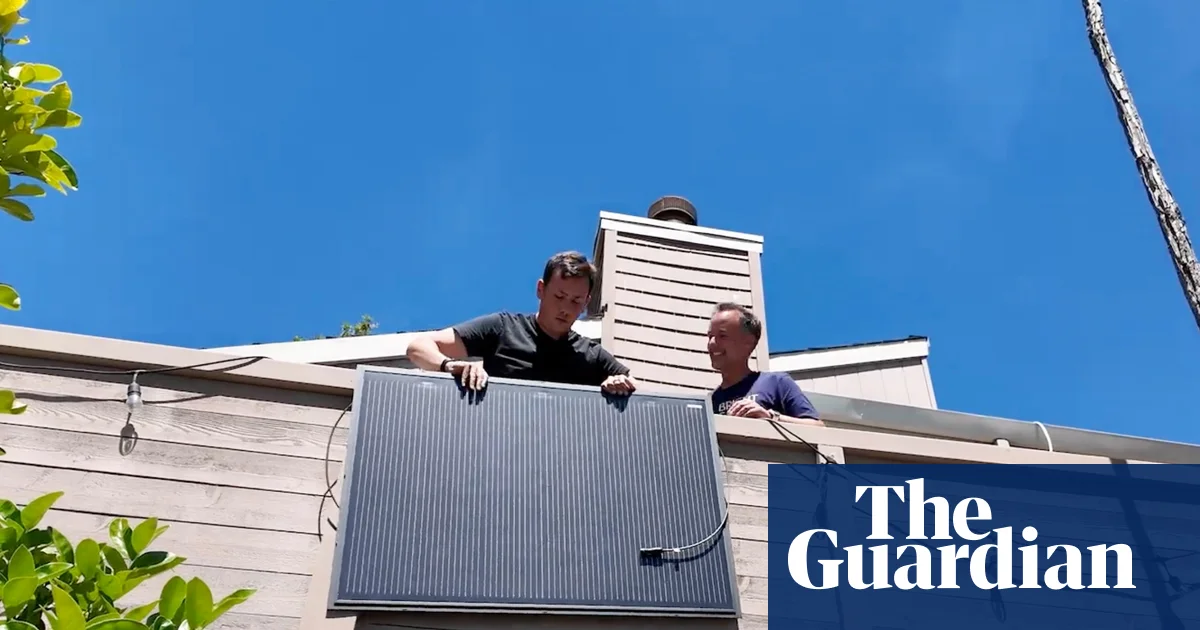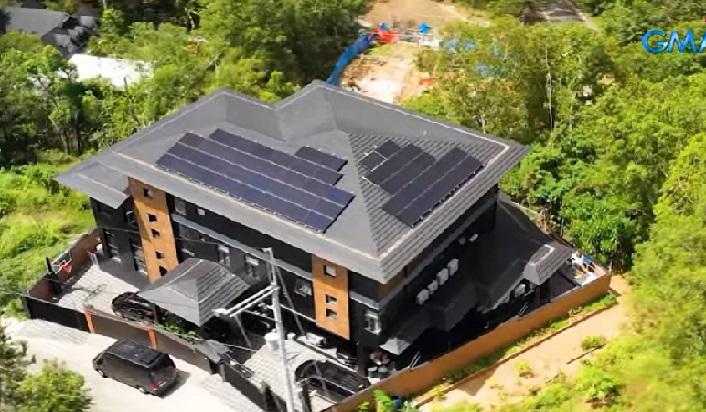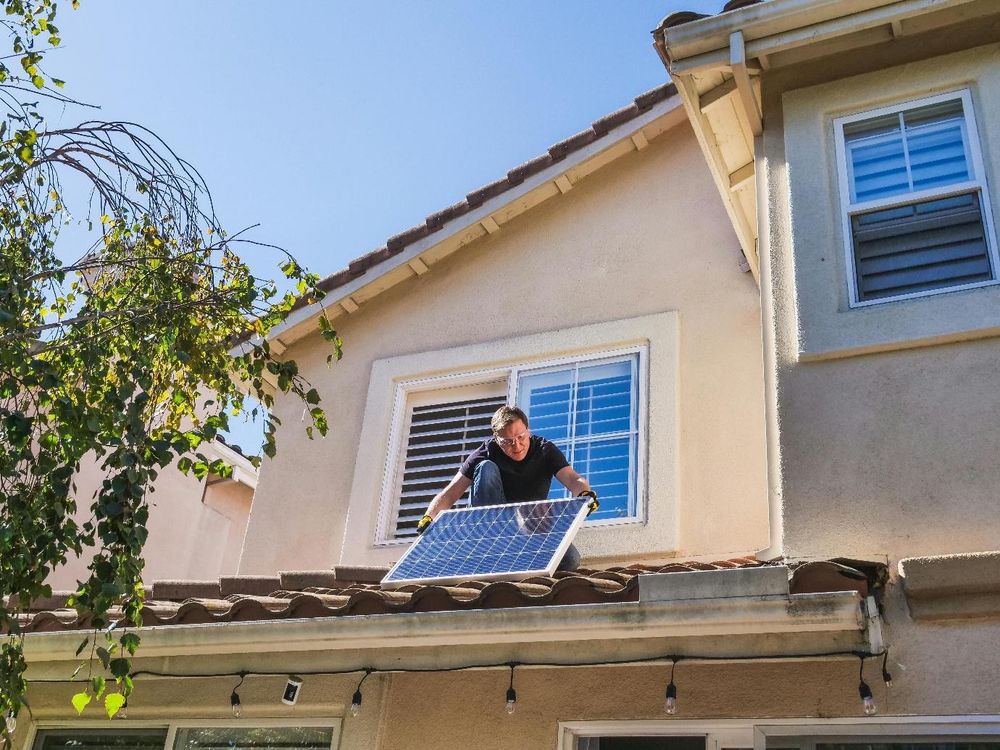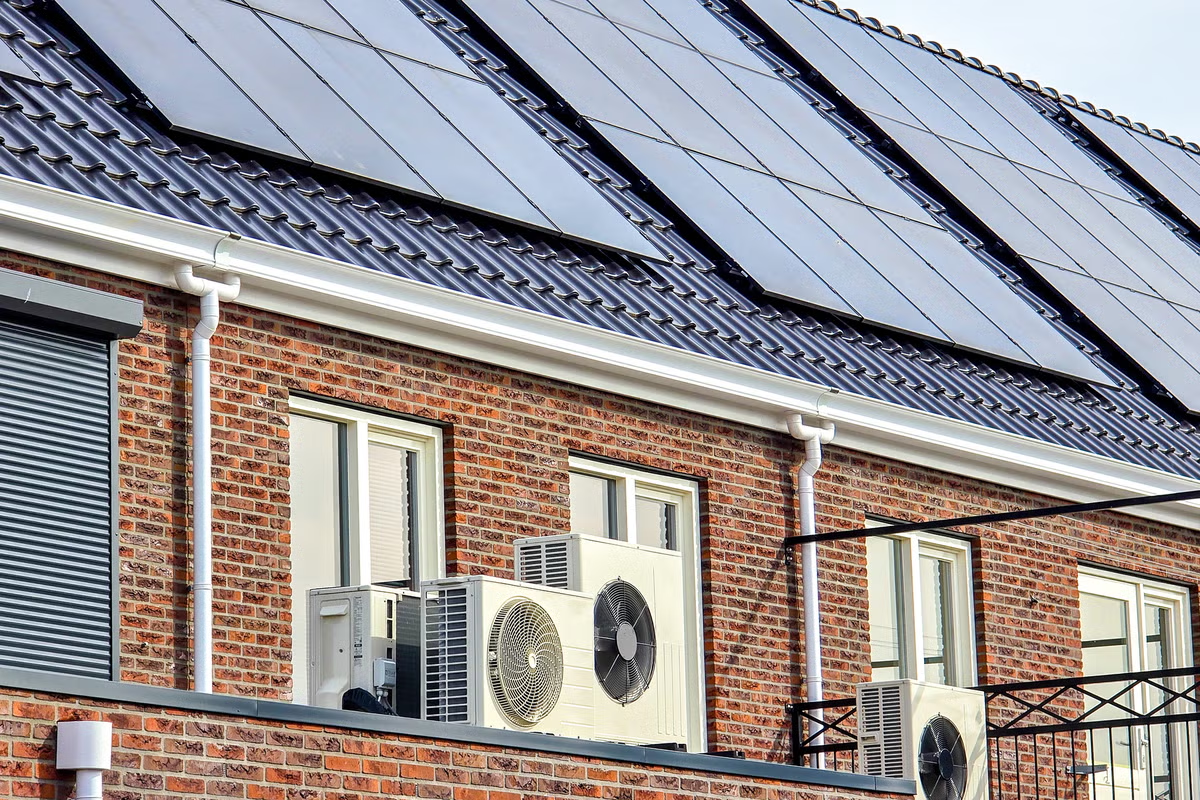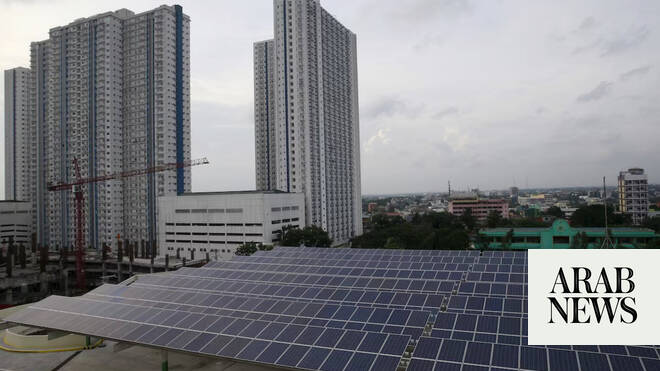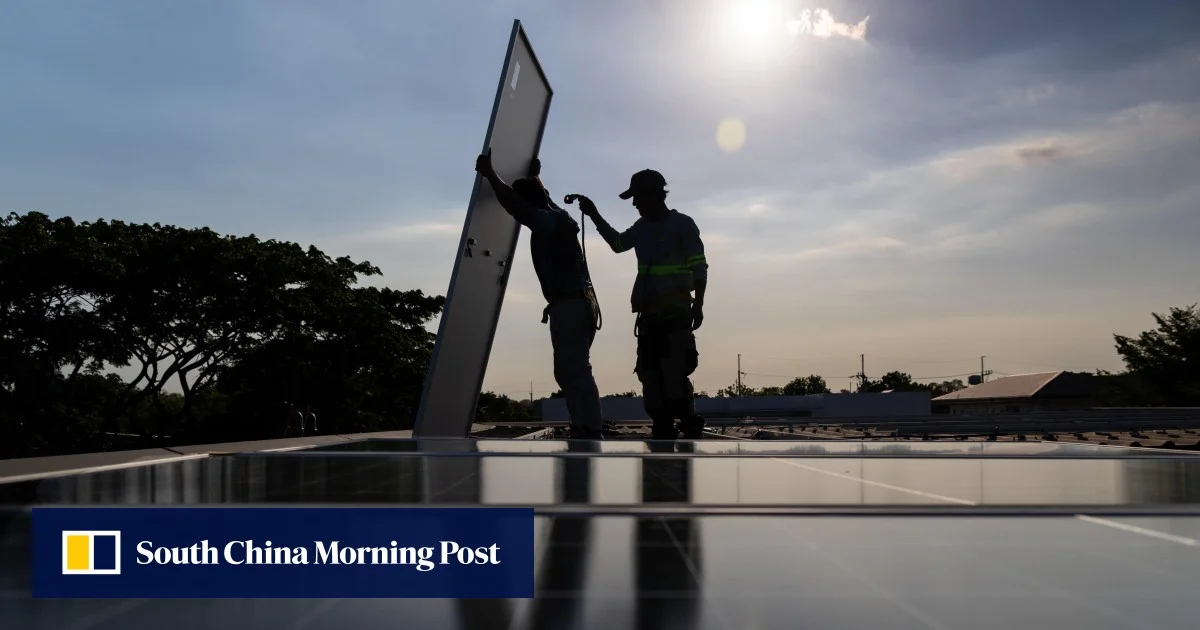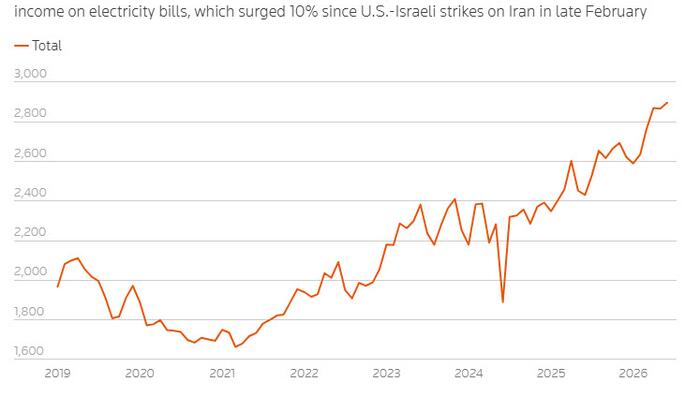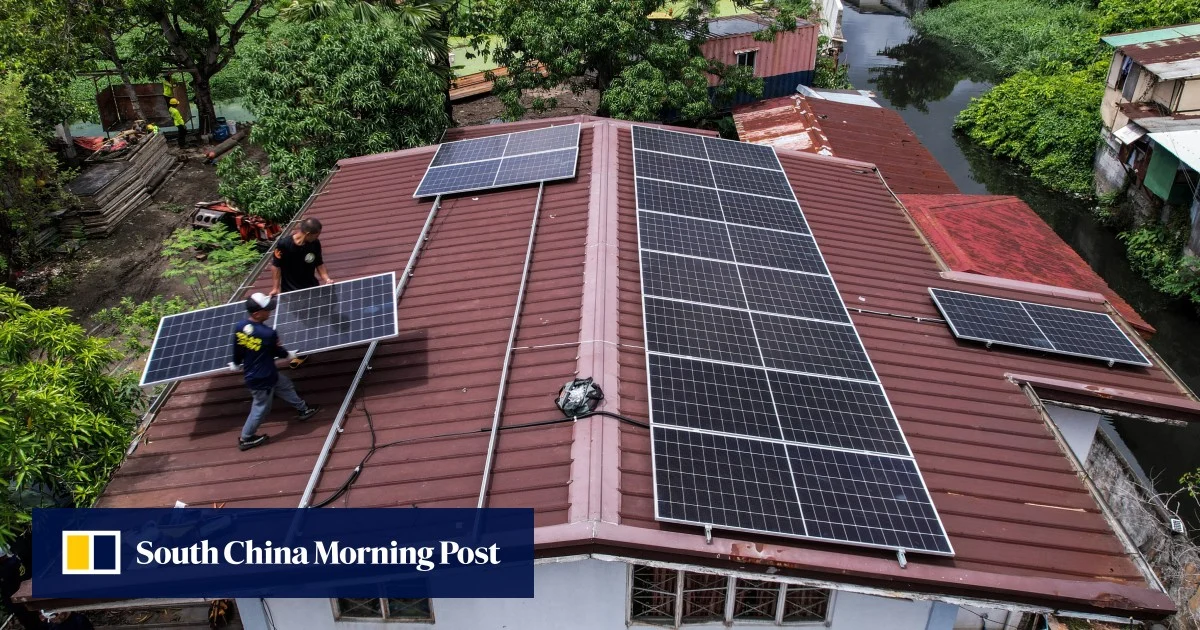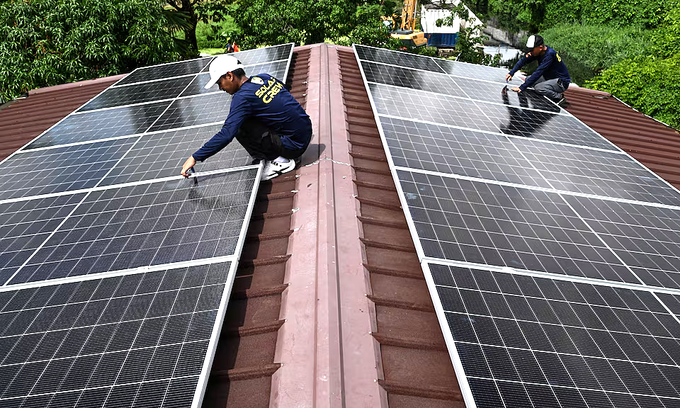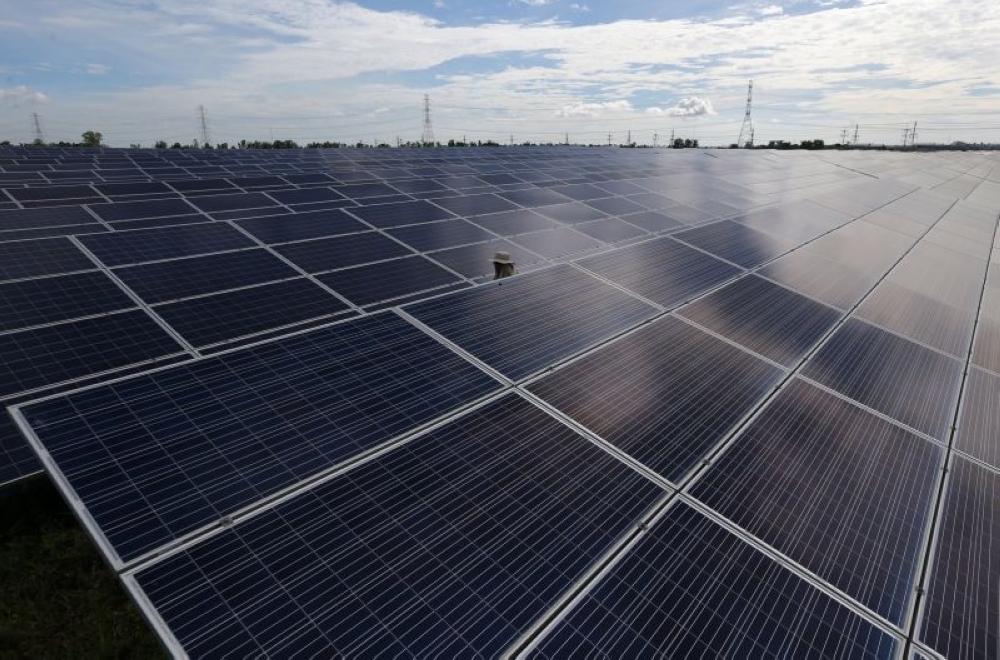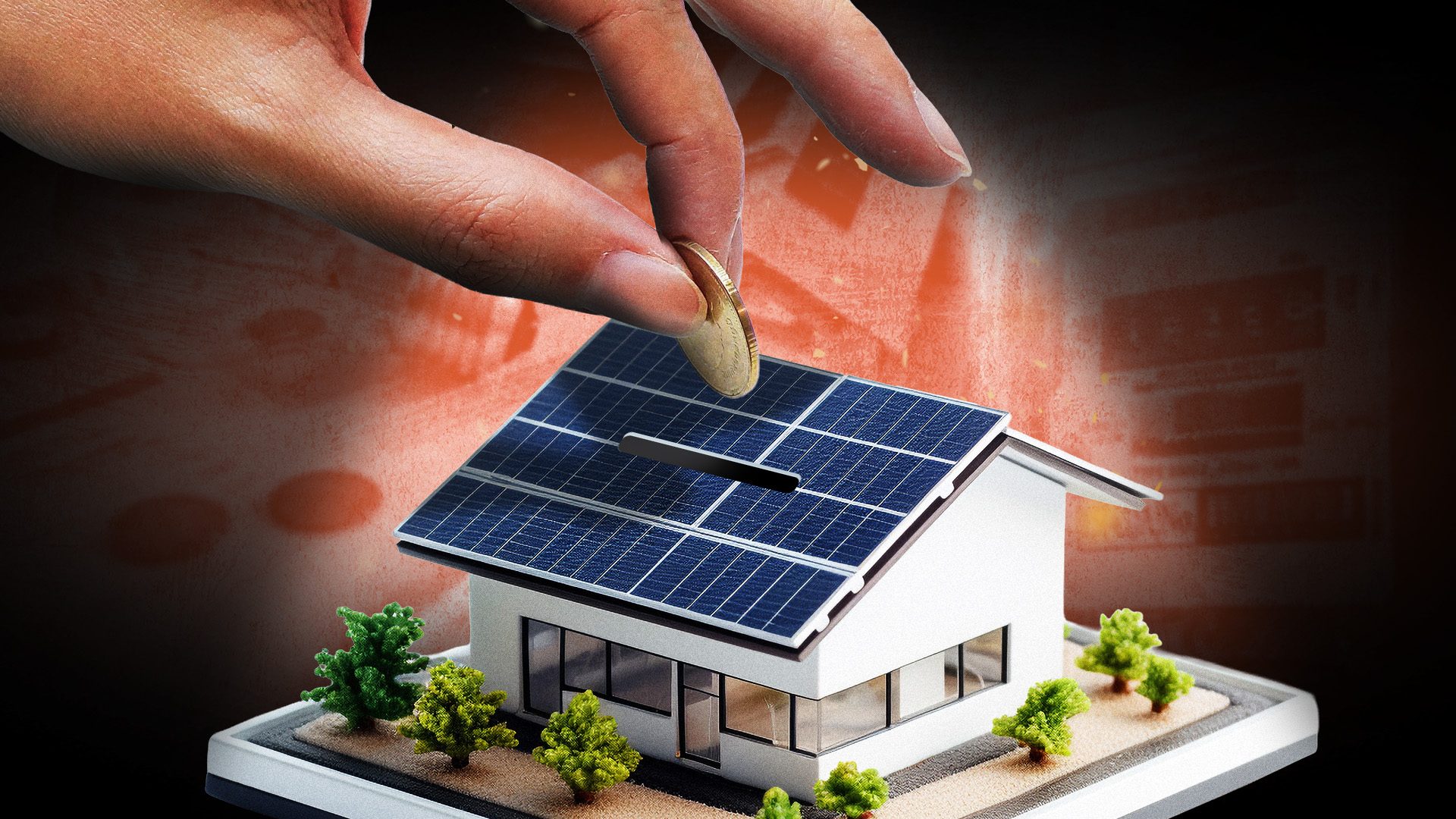
Putting rooftop solar panels wasn’t an environmental statement. It was a financial decision. After spending roughly P900,000 on an 8.8kWp solar-and-battery system, our Meralco bills have effectively collapsed to zero, transforming electricity from a recurring liability into a long-term inflation hedge. In a country burdened by some of Southeast Asia’s highest power costs, rooftop solar is no longer merely about sustainability — it is increasingly about economic survival.
Installing solar panels on our roof 18 months ago is turning out to be one of the best investments my family has ever made. We didn’t do it to look trendy or eco-friendly. Neither did we buy into a salesperson’s promise of never-ending “free” electricity.
We did it because the economics of Philippine power had already become irrational long before most consumers realized it. Every Meralco bill tells the same story — generation charges, transmission charges, system loss charges, distribution charges, universal charges, FIT-All charges, and taxes layered upon taxes.
Filipinos are not merely paying for electricity consumption; they are paying for structural inefficiencies, fuel exposure, regulatory distortions, and infrastructure costs embedded in one of Southeast Asia’s most expensive power systems.