Academia
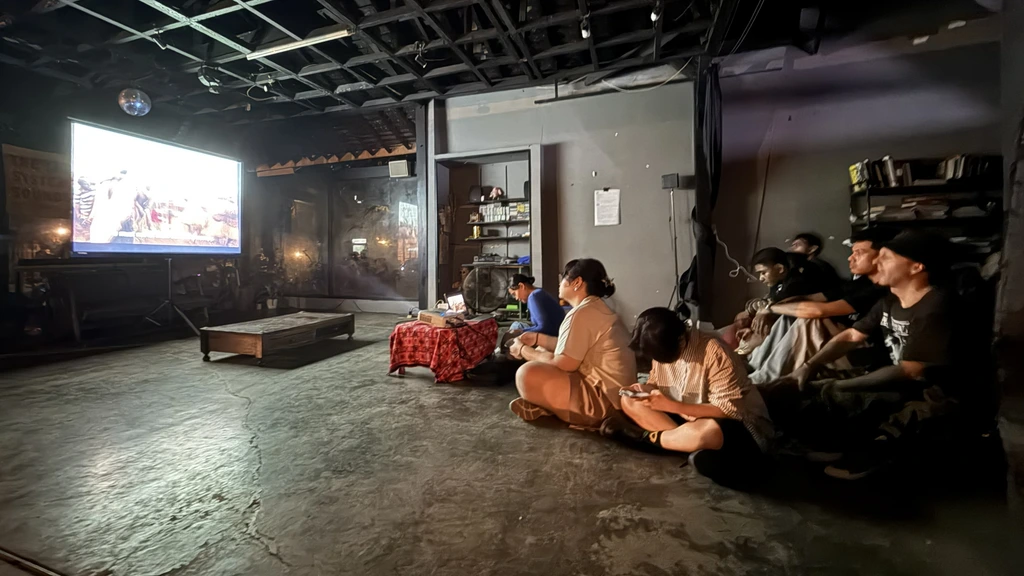
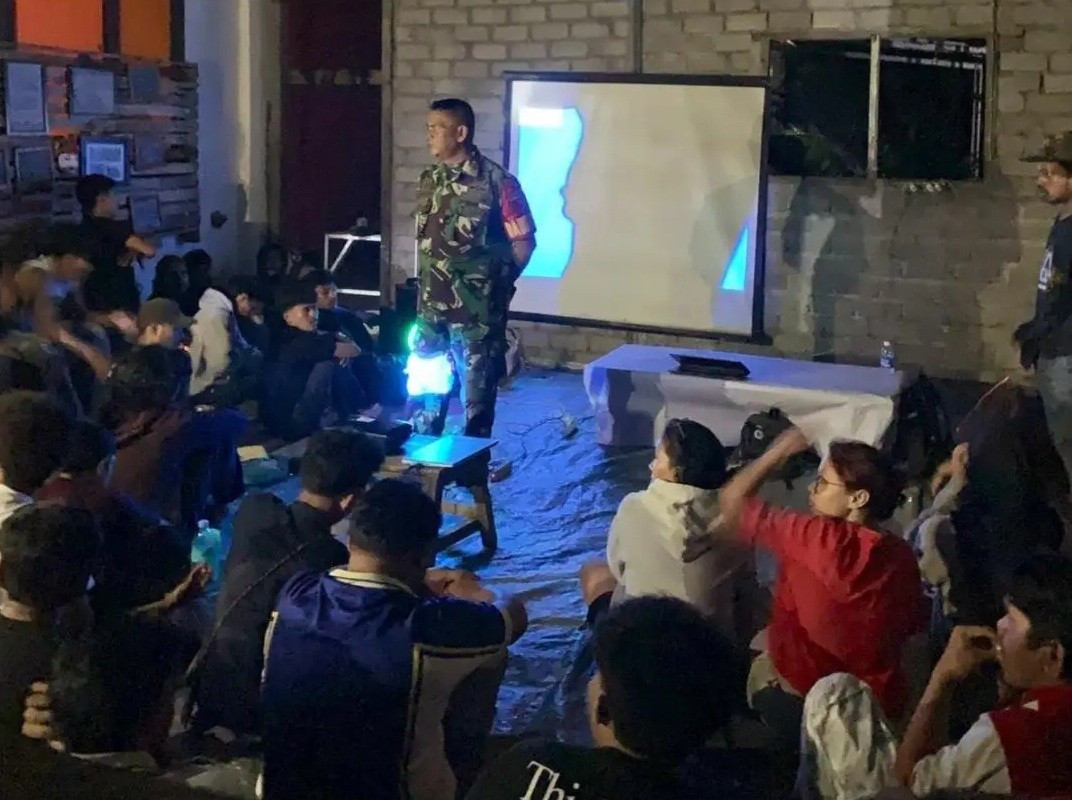
A military officer blocks a projector to shut down a public screening of the documentary Pesta Babi at Khairun University in Ternate, North Maluku, on May 12, 2026. Authorities halted the event under the pretext that it lacked an official permit. (x.com/@Dandhy_Laksono)
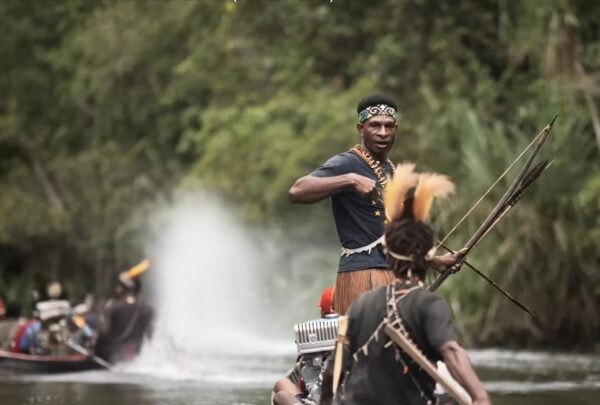
The documentary film Pesta Babi (Pig Feast) is compelling not only for what it portrays, but also for the reaction it has provoked. It lays bare Indonesia’s contemporary agrarian conflicts while, once again, exposing the state’s enduring discomfort with criticism.Pesta Babi: Kolonialisme di Jaman Kita (Pig Feast: Colonialism in Our Time) tells the story of indigenous communities in South Papua fighting to protect their ancestral lands from the expansion of palm oil plantations, sugarcane estates and large-scale food projects. More than a local land dispute, the documentary presents these struggles as part of a broader political and ecological crisis unfolding in Papua.
At the center of the documentary are Indonesia’s National Strategic Projects (PSN) for food and energy production, which have transformed roughly 2.5 million hectares of Papua’s forests into industrial plantations, a development environmental groups describe as among the largest episodes of deforestation in modern history. Directed by Dandhy Dwi Laksono and coproduced with Cypri Dale, Pesta Babi emerged from a collaboration among environmental and human rights organizations, including Greenpeace Indonesia, Watchdoc, Yayasan Bentala Pusaka, Media Jubi and LBH Papua Merauke.