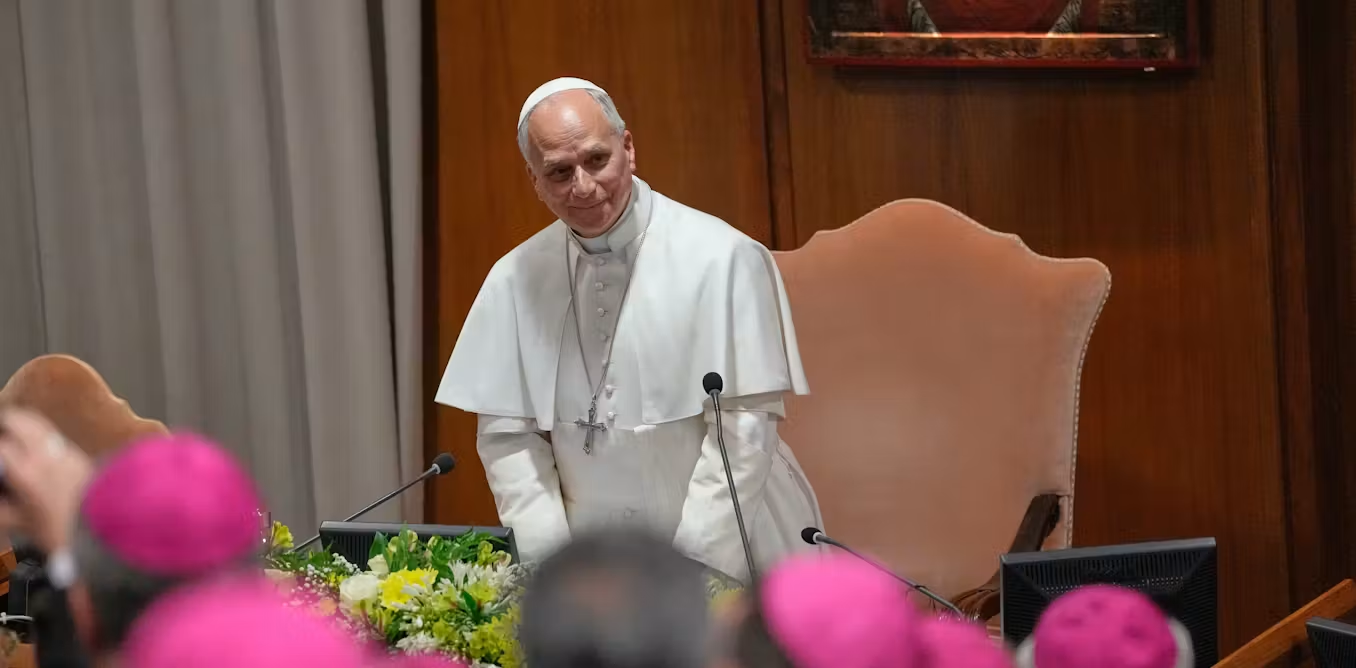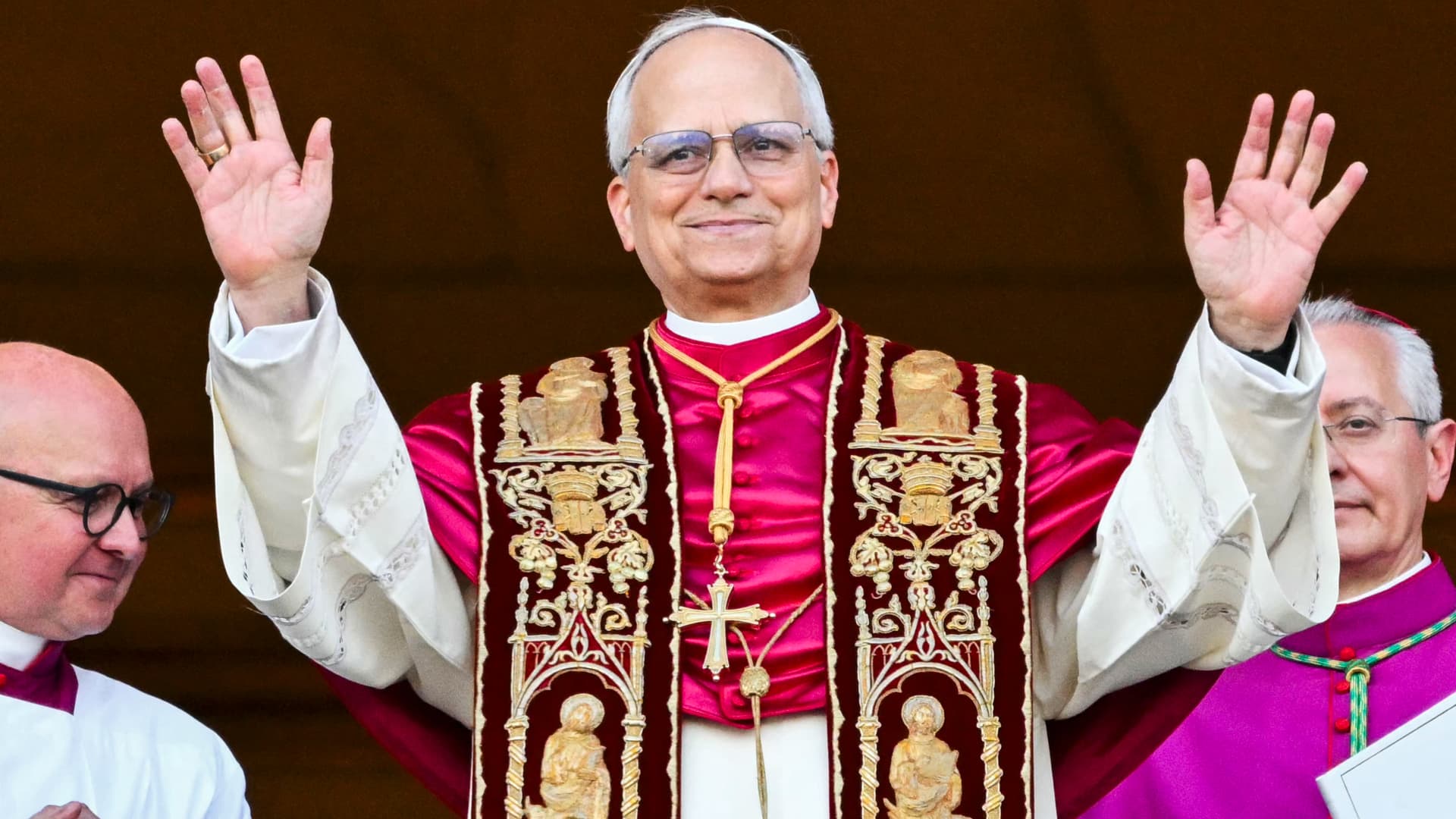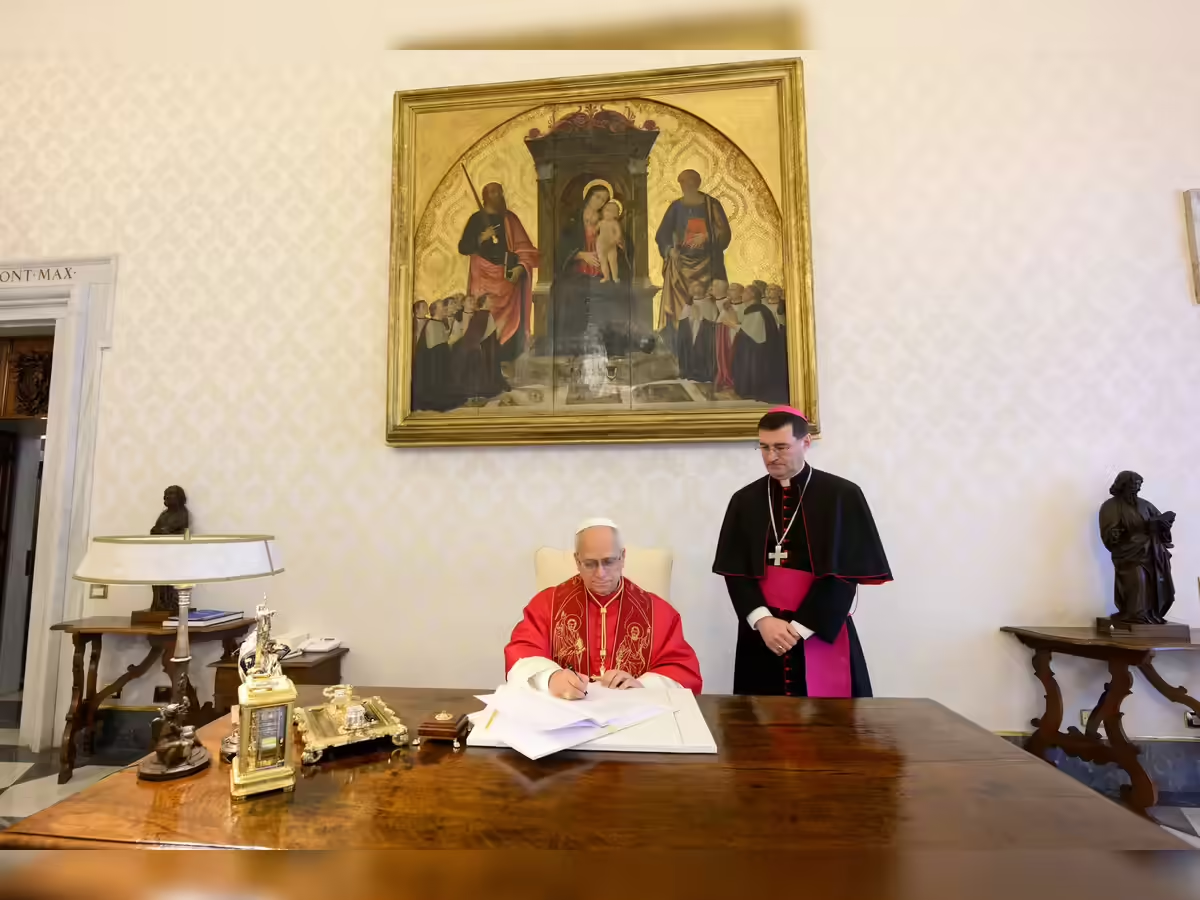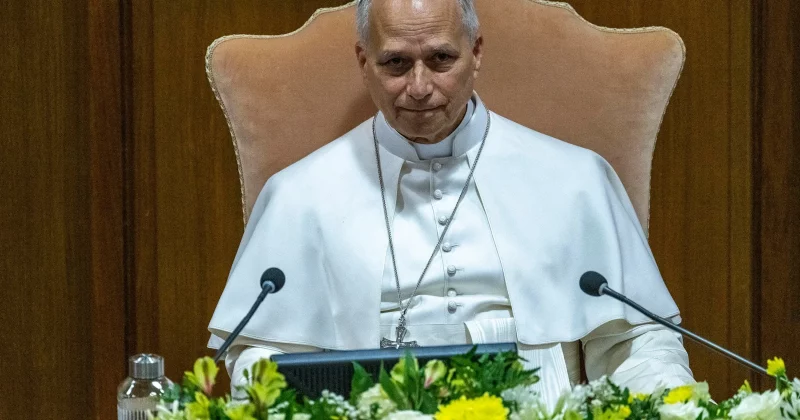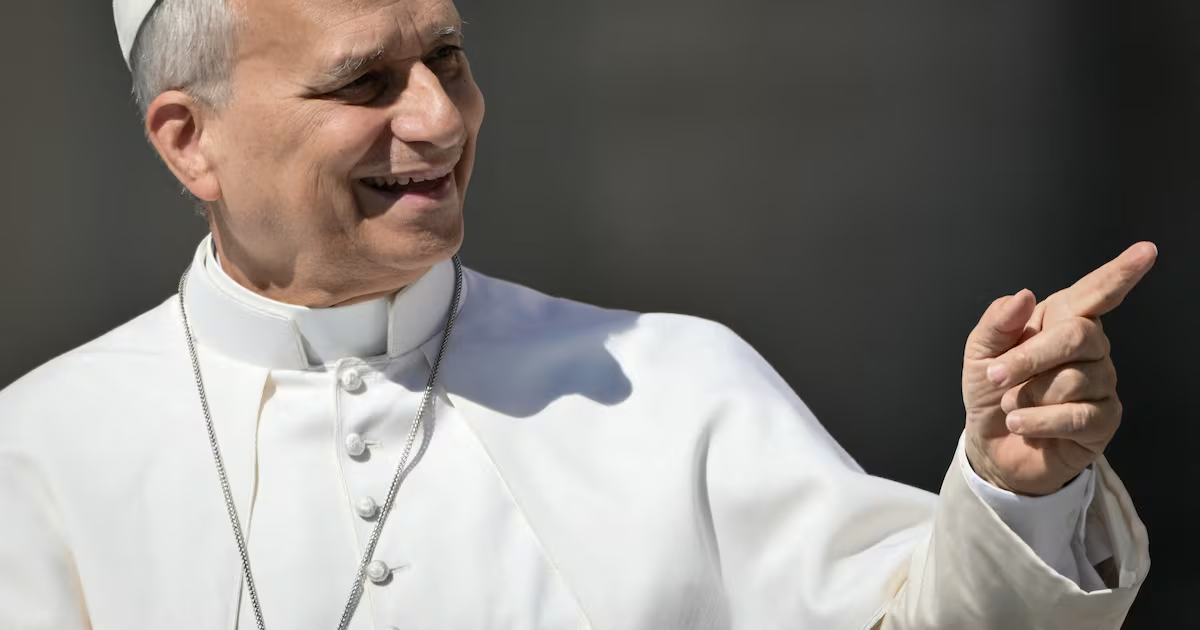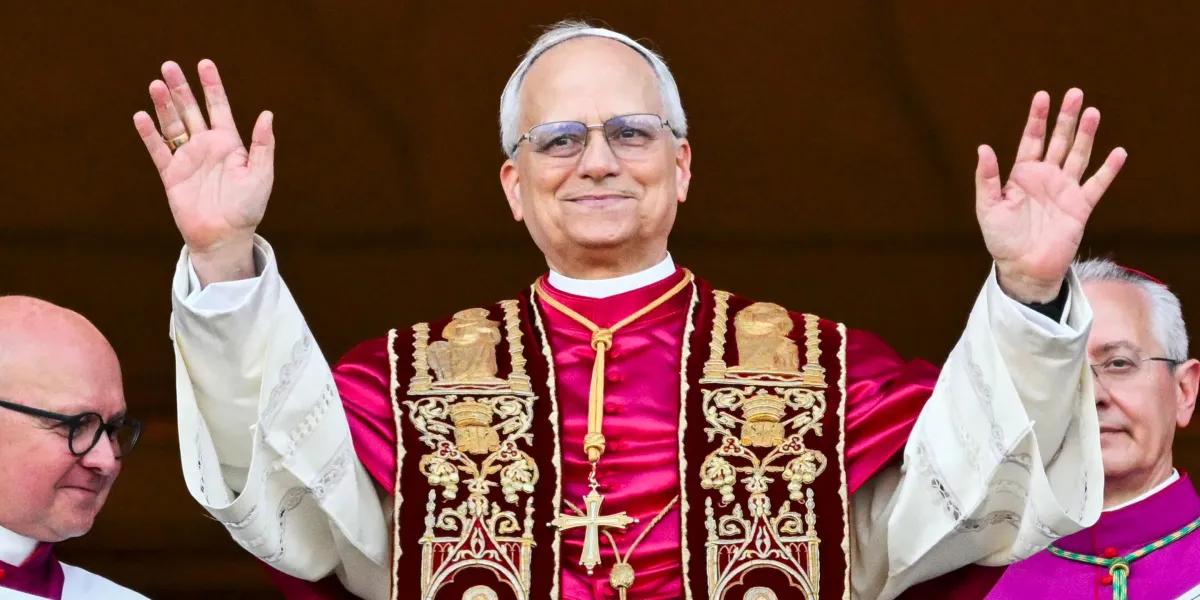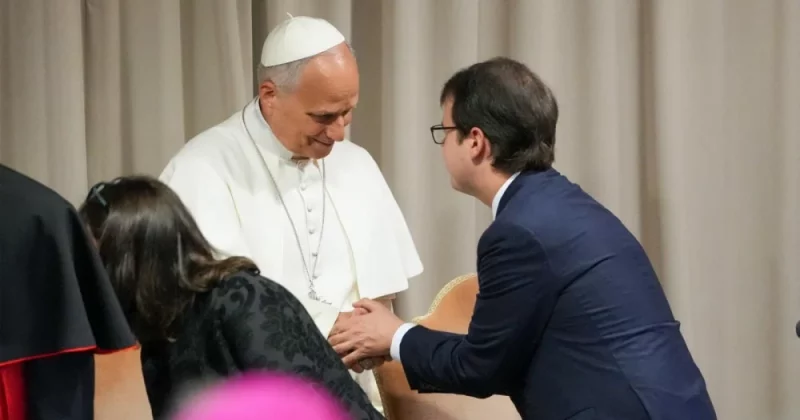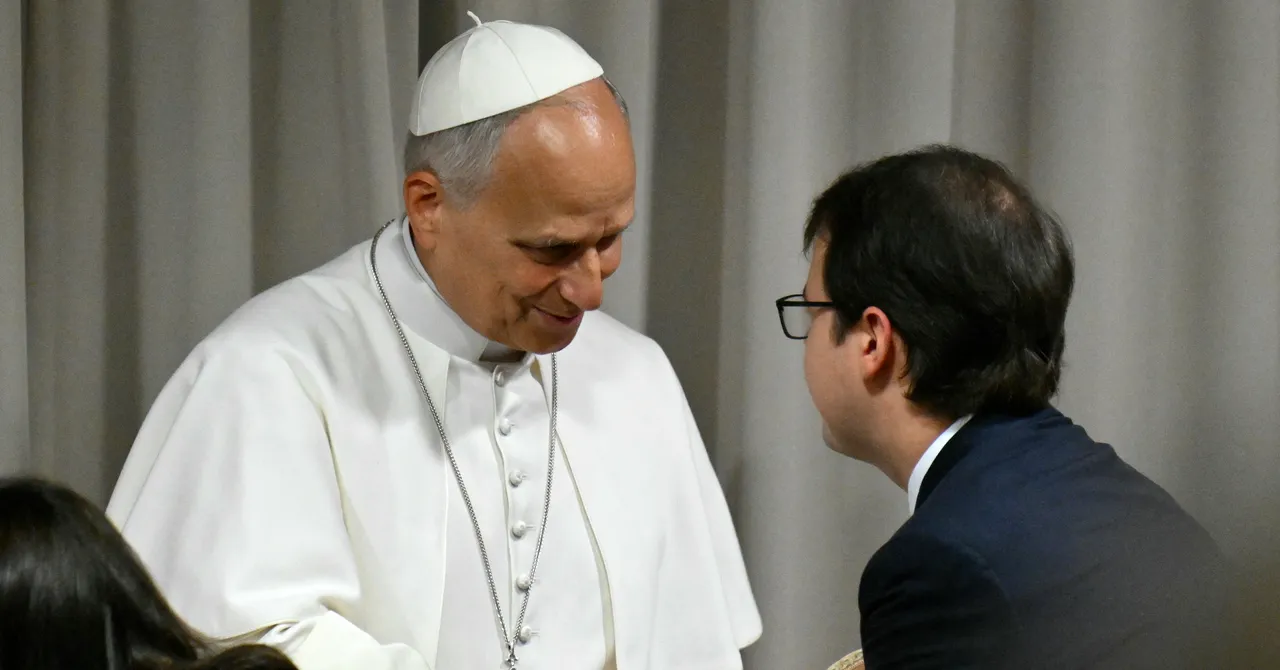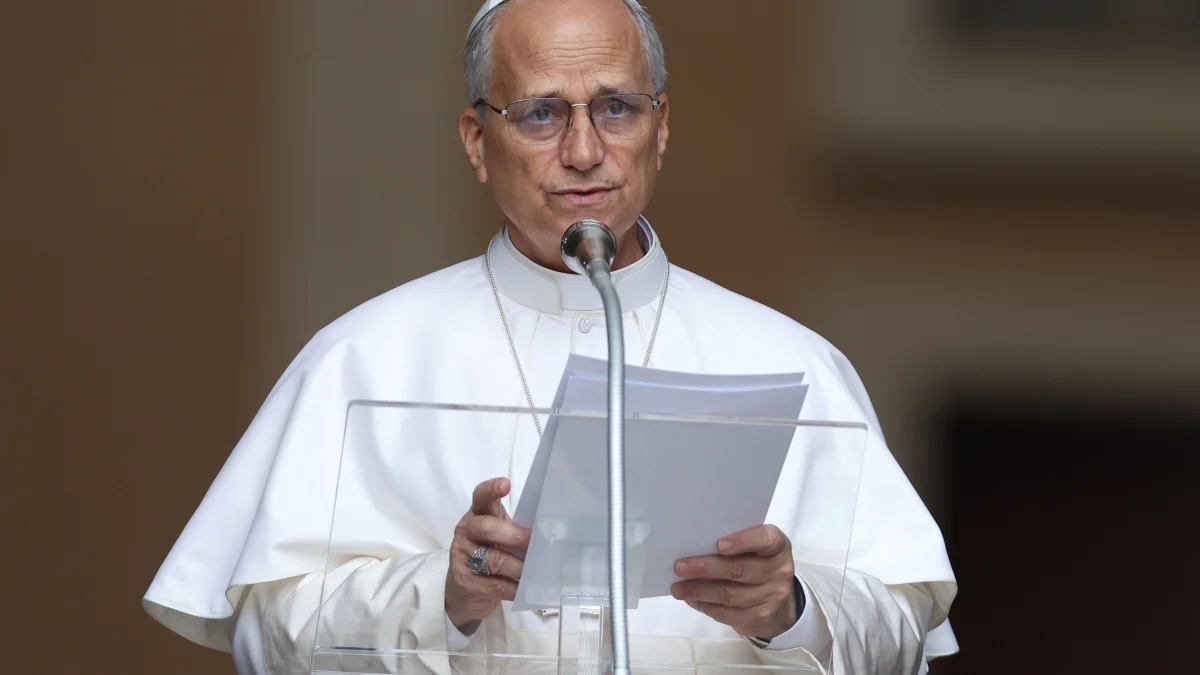
On Monday, Pope Leo XIV released a 42,300-word document about artificial intelligence. The English text runs ninety pages, named it Magnifica Humanitas. He picked the date of signature for May 15, the 135th anniversary of Rerum Novarum, which is the 1891 encyclical on labor, capital, and the industrial revolution.
I find it INCREDIBLY interesting that AI has now reached a point where religious figures feel the need to weigh in. The Pope is worried about AI in warfare, and he is, and the final chapter is direct enough about it that the just-war tradition gets explicitly retired. But I read the document (so you don't have to? but you should?) and that is a small fraction of what I took away.
Specifically, the 1891 problem, for lack of a better term, is back, the Catholic Church has had a hundred and thirty-five years to think about that problem, and the answer it landed on then is the same shape as the answer it would land on now.
What 1891 was actually about
Rerum Novarum was published into a world where electrical power and steam-driven manufacturing had centralized the means of production in a way that was new in human history. A worker who used to own his tools and the seasonal value of his labor was now showing up to a factory floor where someone else owned the boilers, the looms, the dynamo, and the building that contained all three. The 1891 question was not "is technology good" since the concept of technology barely existed - it was all just "stuff" that let you "work faster." The 1891 question was who gets to own the dynamo, and what the rest of society owes to the people whose labor is now mediated by an asset they will never personally afford.