Show Caption
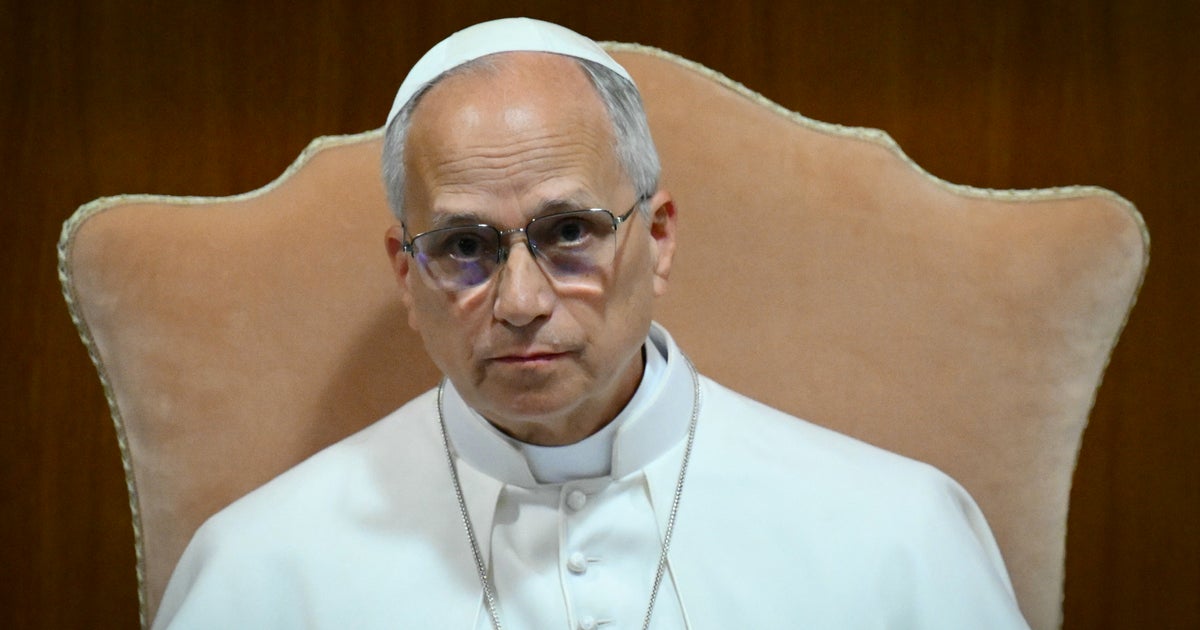
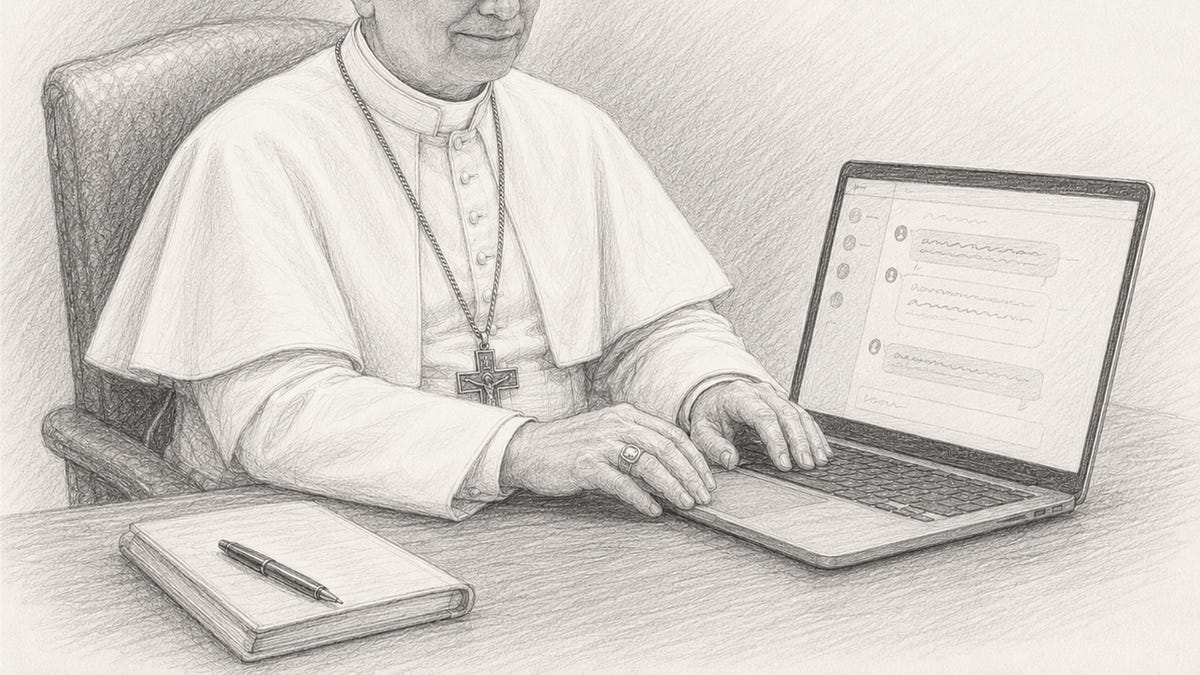
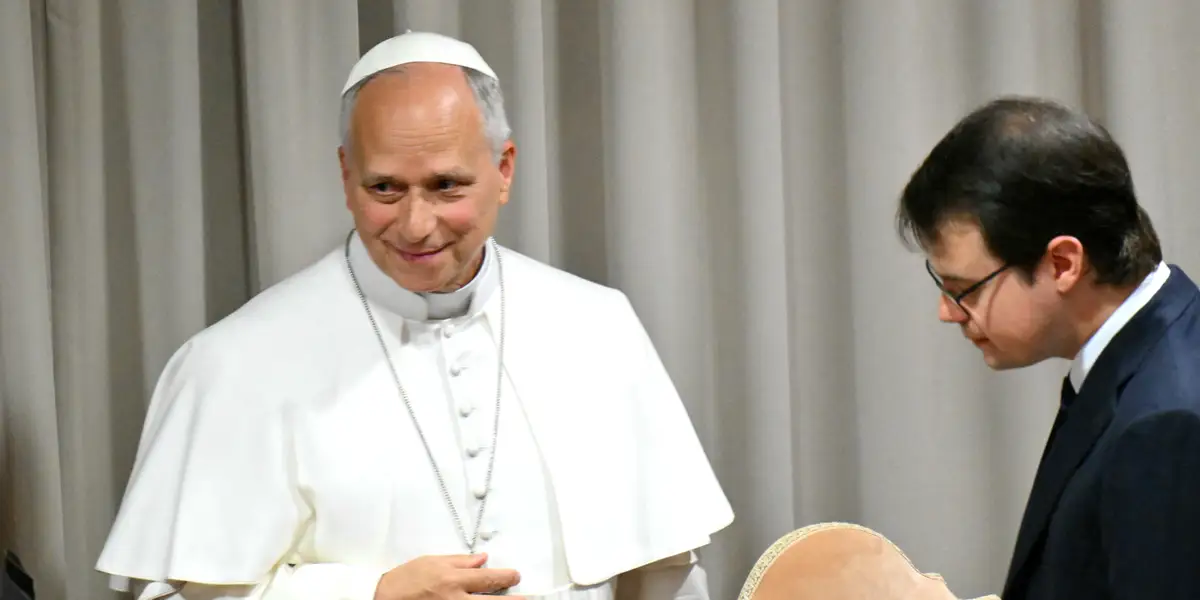
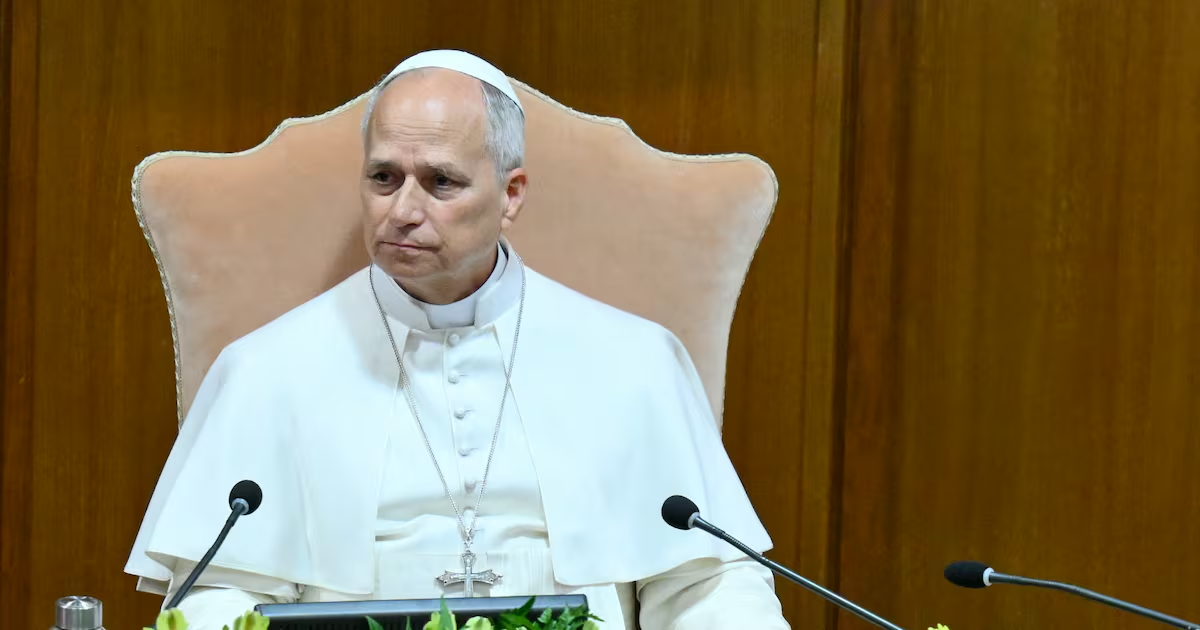
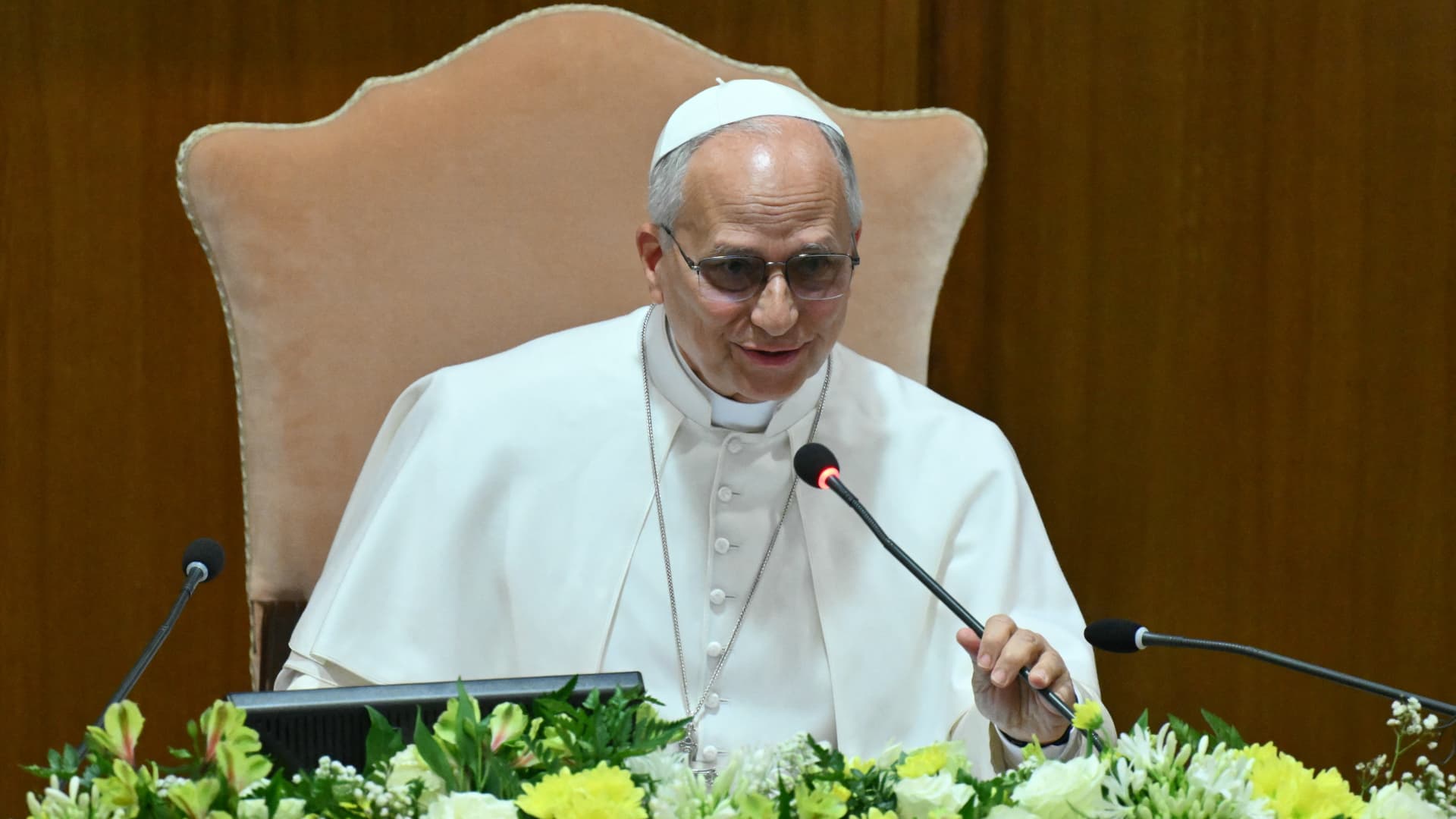
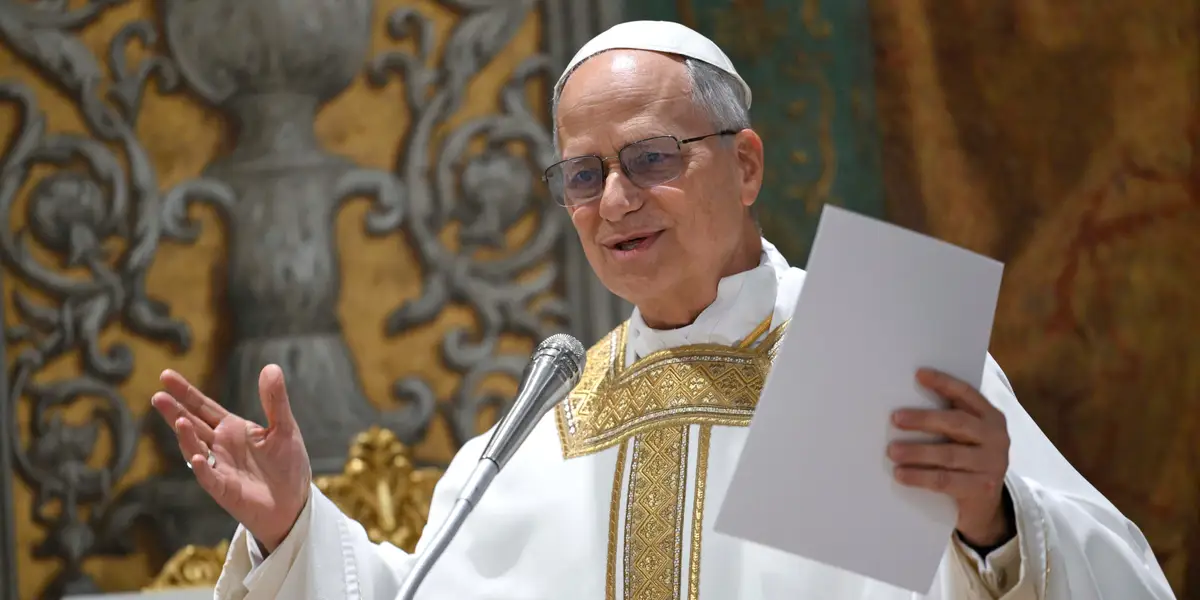
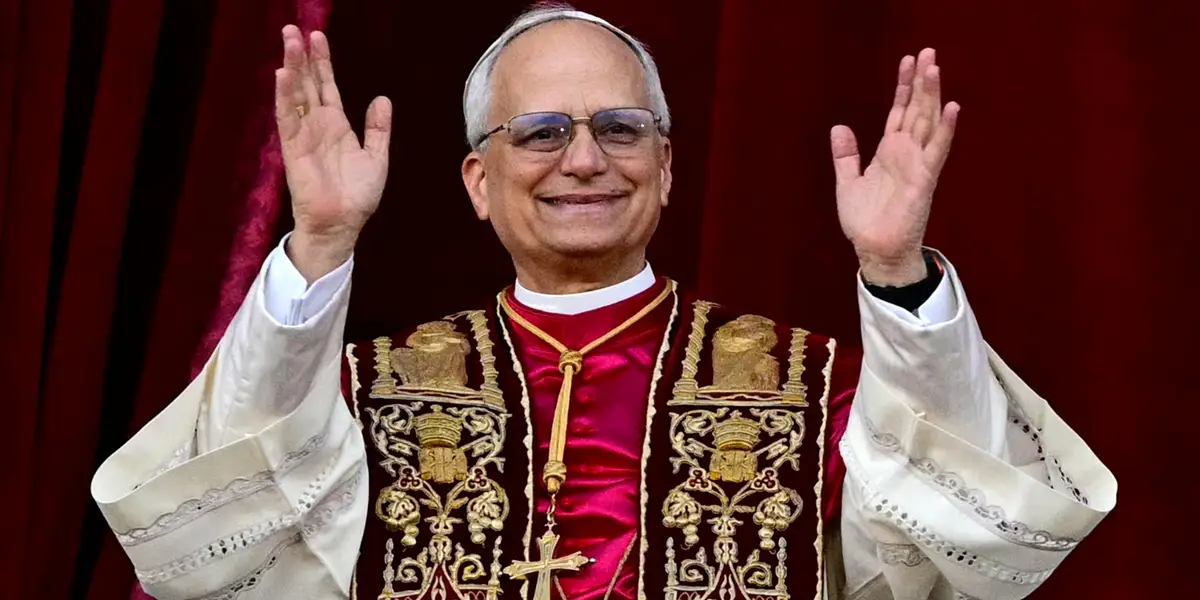
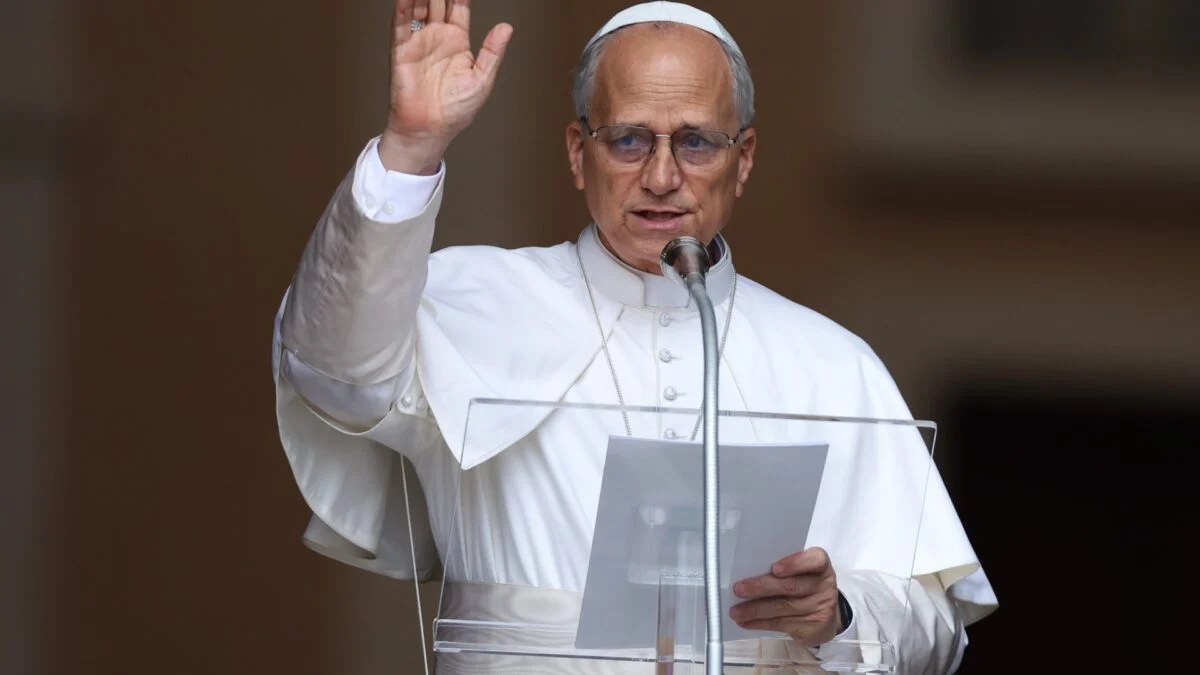
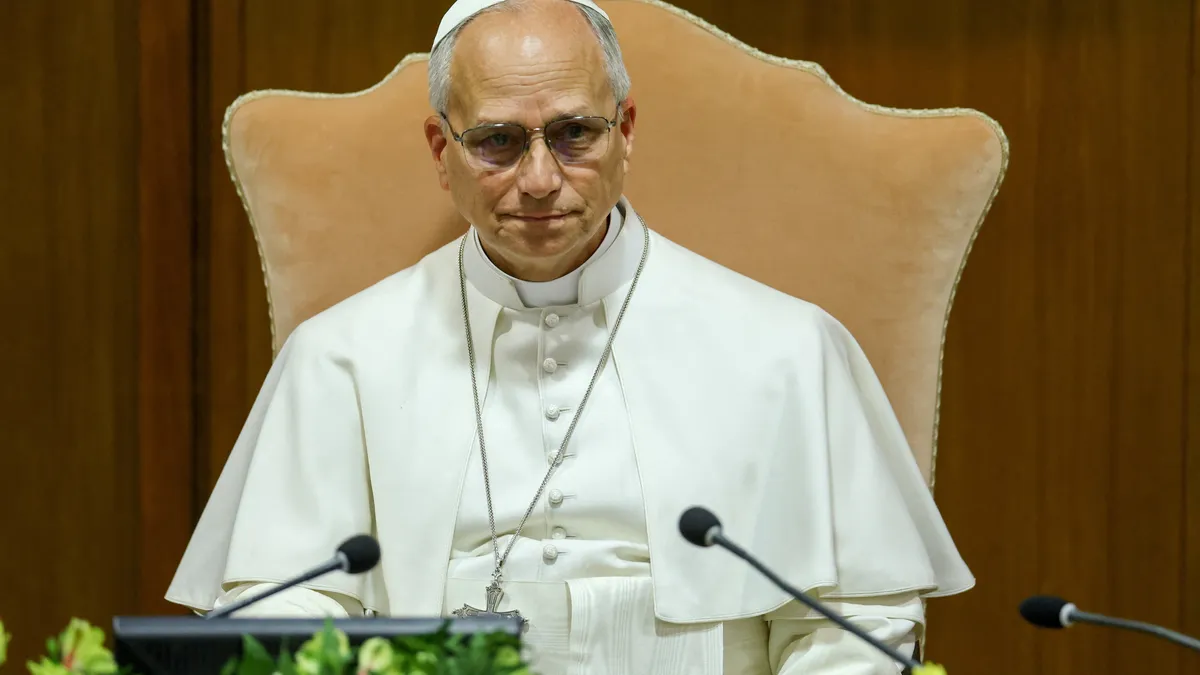
Pope Leo's recent comments about the need to pump the breaks on artificial intelligence may trickle down into the workforce, law experts say.On May 25, the Catholic Church published Pope Leo XIV's encyclicals, the highest form of teachings from a pontiff to the Catholic church's 1.4 billion members. The main theme of the nearly 43,000-word text? Artificial intelligence. And James Paul, a labor and employment litigator with the law firm Ogletree Deakins, told USA TODAY he is "bracing himself" for an influx of religious accommodation cases related to AI because of the comments."What is needed is a more active political involvement that is capable of slowing things down when everything is accelerating," Leo wrote about AI in the text, entitled "Magnifica Humanitas" (Magnificent Humanity).Pope Leo's statement is one of many debates being had in religious circles about the implications of AI and how parishioners should or should not engage with the rapidly growing technology. Though some denominations have stricter stances on AI, none are monolithic in their approaches.Paul, who's based in Florida, said he sees five to 10 religious accommodation cases a week since 2020, with about one related to AI more recently. He expects this number to "mushroom."Can employees file religious accommodations for AI?In short, yes, but there is nuance.Under Title VII of the Civil Rights Act of 1964, employers must make reasonable accommodations for applicants and employees who sincerely hold a religious belief, practice or observance that are in conflict with a work requirement. Common examples of religious accommodations include schedule changes for religious observations and permission to wear religious dress in the workplace.What is necessary for a successful religious accommodation request is sincerity, Paul told USA TODAY.To prove sincerity, employees must submit a request to an employer, explain their conflict, discuss practical accommodations and maintain consistent practice in good faith.Paul said common religious conflicts he has encountered are the environmental impacts of AI (argued as a negative impact on the world at large) and a lack of dignity for fellow humans by dehumanizing the workforce. Though the latter isn't inherently religious, Paul said, employees may argue replacing employees with AI causes "social harm."Filing a religious accommodation for AI may be harder than it soundsWhile filing a religious accommodation to avoid using AI is possible, Paul said it may be difficult to prove one's sincerity, especially if one's conflict is related to AI's impact on the environment."People are ... drawing the line at one particular thing when, wait a minute, you've been using a car that is probably using some type of AI technology, smartphone, personal computers, any electricity these days potentially is causing an impact on the environment," Paul said. "An employee has to show that they truly believe this, that they're complying with whatever rules they're laying out in their day-to-day life, and it's pretty hard."Paul said while an employer may not ask an employee filing an AI-related religious accommodation to outline how they use technology outside of work, an employer could.Additionally, Paul said most jobs, as of now, don't "absolutely require" employees to use AI. Rather, AI is a tool recommended for efficiency."One easy exit ramp to this, from an employer's perspective is, 'If you don't feel comfortable or don't want to use this, you don't have to use this. We're offering this to you to make your life easier or more efficient or for you to do your job better, but if you choose to not use it, then get your job done however you need to get it done without using this helpful tool,'" Paul said.Employees have had success in filing religious accommodations against technologyThough connecting tech to a religious accommodation may be difficult, it has been done.In 2017, the U.S. Court of Appeals for the Fourth Circuit ruled in favor of a West Virginia employee who claimed red-light biometric hand scanners were marking and linking him to the Antichrist.In the landmark case, EEOC v. Consol Energy, courts ruled in the employee's favor, affirming that an employer cannot debate the theological accuracy of an employee's beliefs. Because the employer previously used a different time clock system, they could have used this to accommodate the employee's wishes. Ultimately, the employee retired before the case's conclusion.Federal protections are strengthingIn 2021, the U.S. Equal Employment Opportunity Commission (EEOC), the federal agency responsible for enforcing laws that make workplace discrimination illegal, kickstarted an initiative to ensure AI use complies with federal civil rights laws.The initiative, which remains in place, aimed to launch listening sessions with stakeholders about AI, gather information about the adoption and impact of employment-related technology, identify "promising practices" and issue technical assistance to provide guidance on AI in the workplace, an EEOC news release outlines.Though not a practice currently in place, Whittney Barsh, professor and executive director of Emory University's Center for the Study of Law and Religion, argues a conscience-based model, which is used in the healthcare industry, could be an effective way to fill in the gaps when it comes to discrimination related to AI in the tech industry.Separate from Title VII of the Civil Rights Act of 1964, the conscience-based healthcare model allows healthcare providers to opt out of specific services, like abortions and assisted suicide, if they are against their moral or religious beliefs, without facing penalty.In a recently-published academic paper, Barsh says this model could be beneficial when it comes to the use of AI because it provides more protections than the Civil Rights Act, could result in disclosures that would be in the general public's interest and promotes transparency."The absence of comprehensive regulation underscores the need for employee protections that could, at least in some cases, function to help regulate AI development from the inside and shine a light for the public to understand the technology's implications," Barsh wrote.Contributing: ReutersGreta Cross is a national trending reporter at USA TODAY. Story idea? Email her at gcross@usatoday.com.