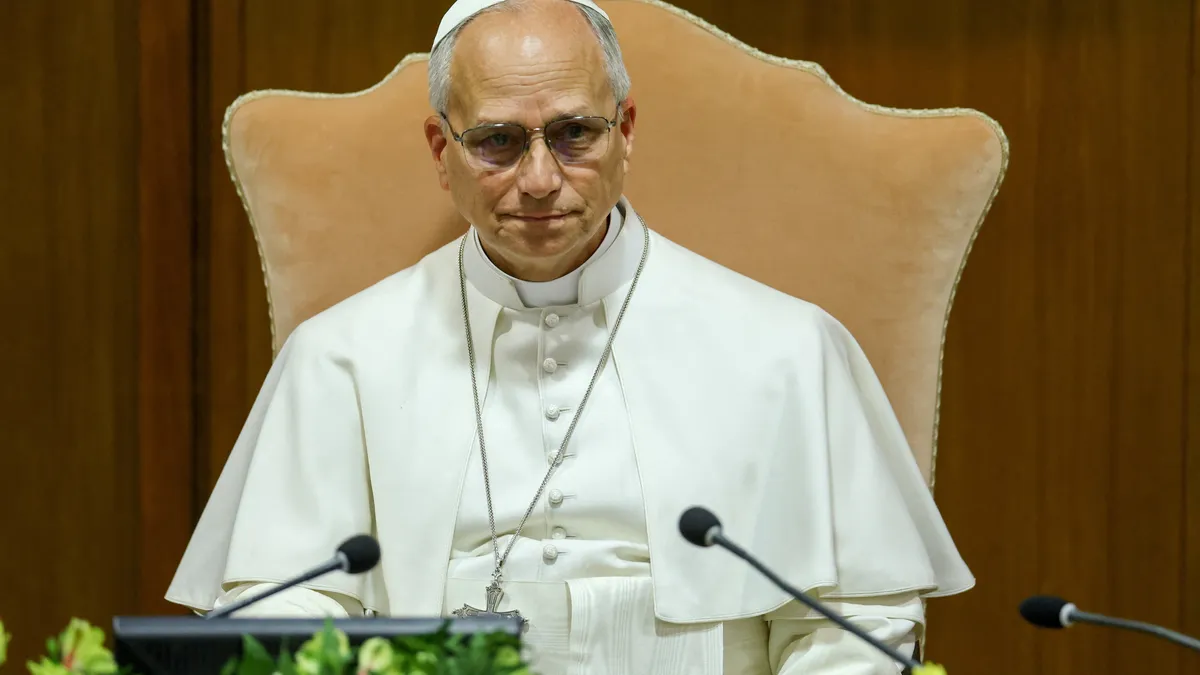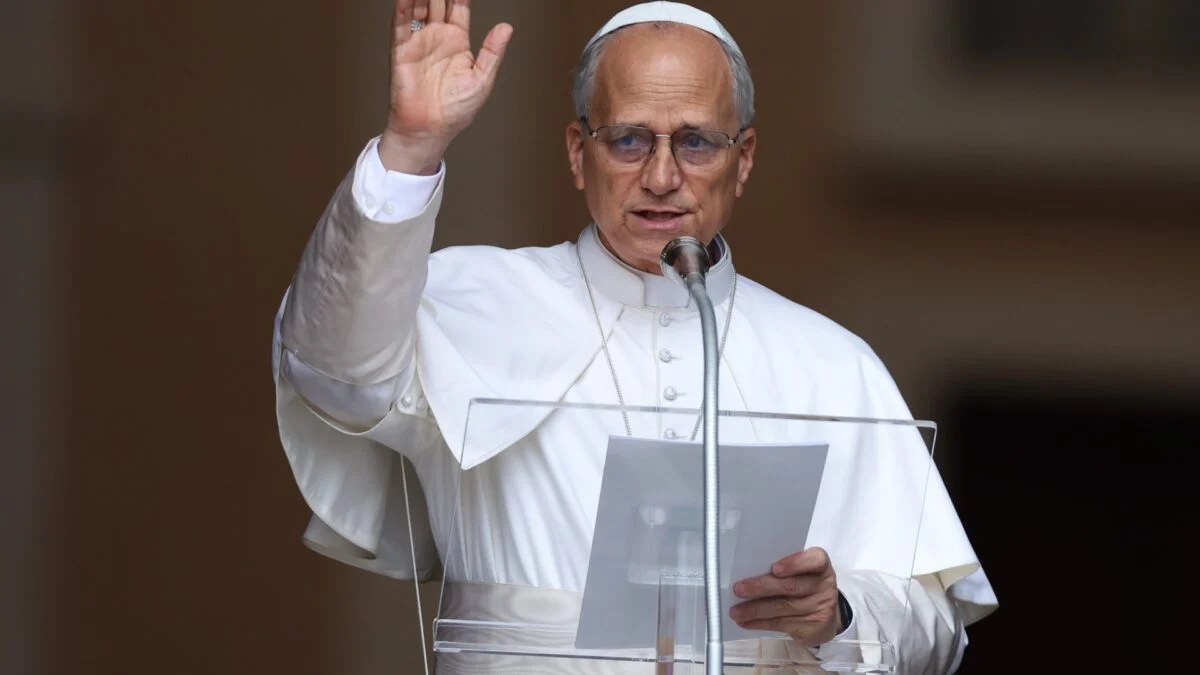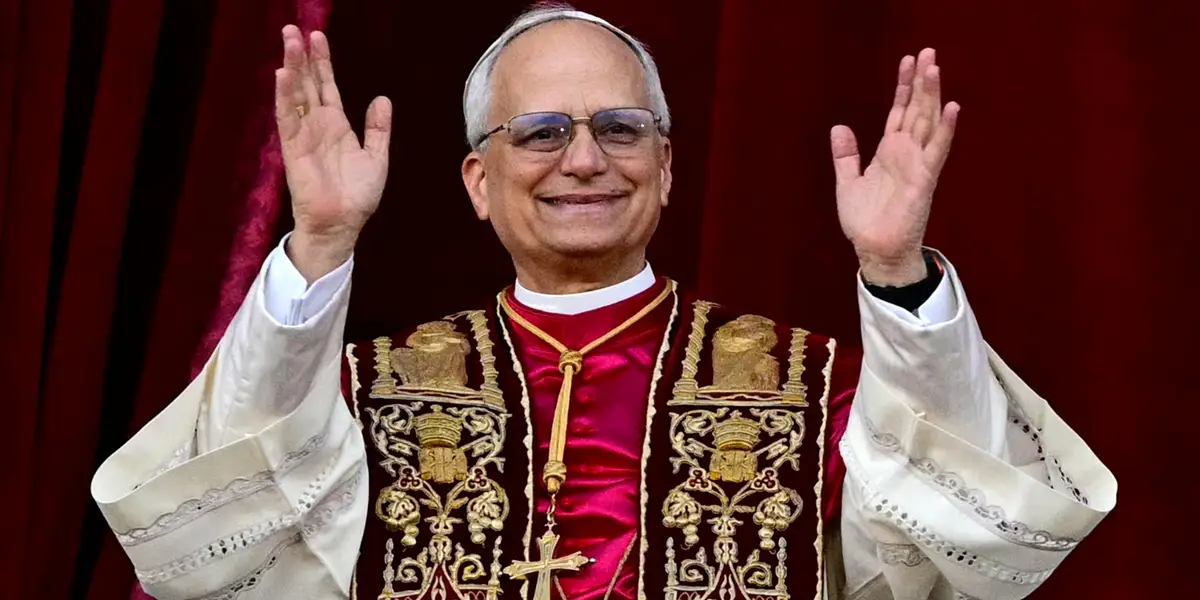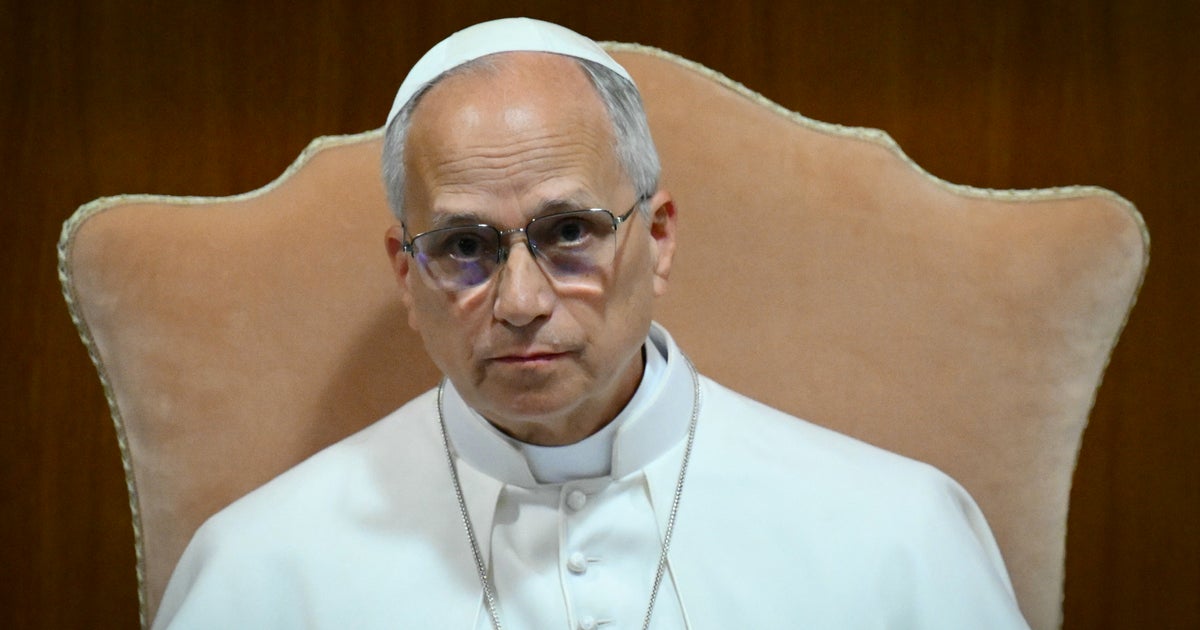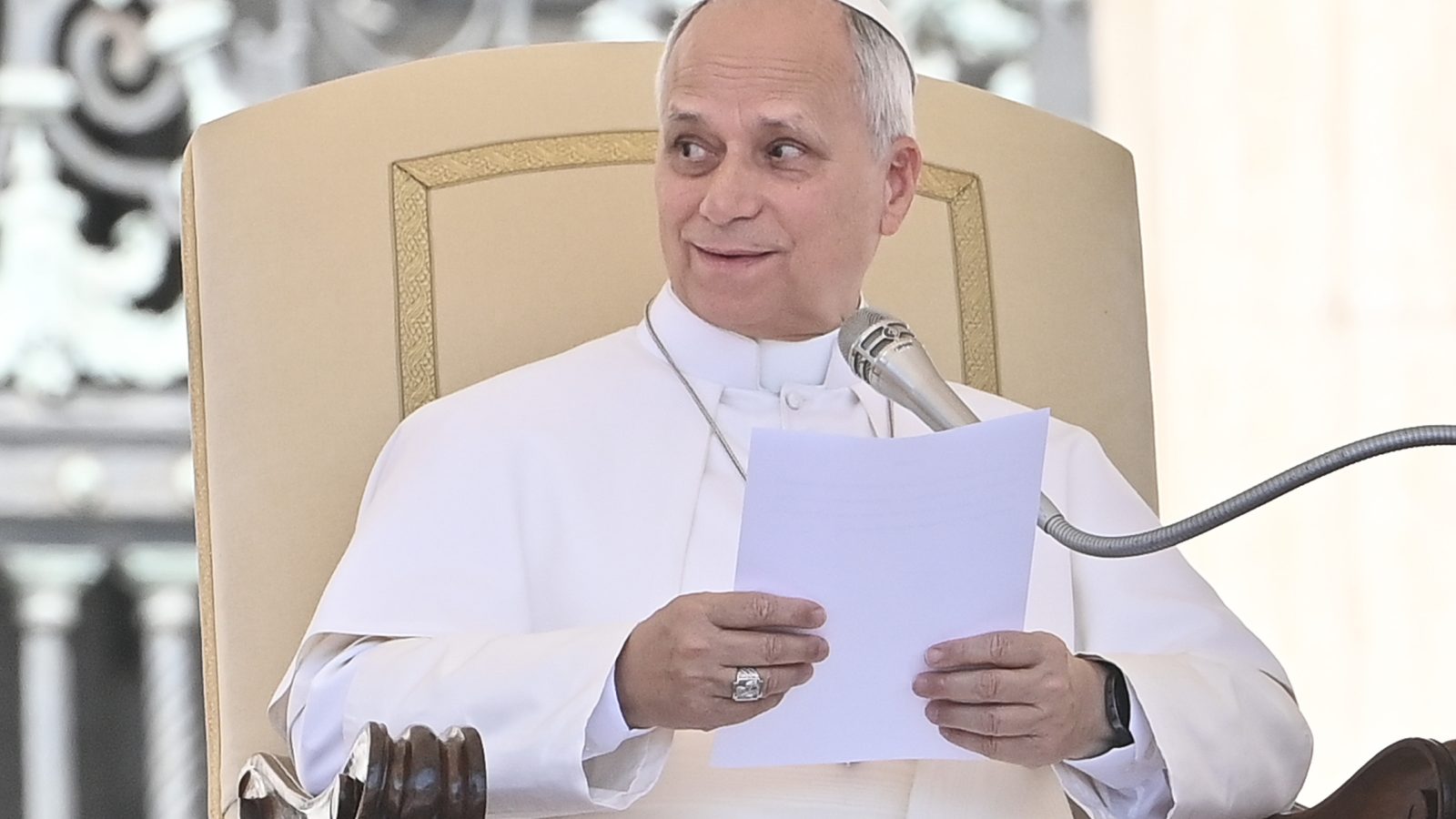
AI now plays a vital role within organizations and institutions.gettyIn May, Pope Leo XIV released his first encyclical letter, Magnifica humanitas, which focused on “safeguarding the human person in the time of artificial intelligence.” The overarching theme of the encyclical focused on the idea that technology is neither inherently good nor evil. Rather, responsibility and regulation are imperative to ensure technology centers human dignity. AI now plays a vital role within organizations and institutions, but as AI usage grows, so does the concern for this new and unregulated technology. “When Pope Leo XIV put out his encyclical, it provided a ray of hope for marginalized peoples,” shared North Carolina-based attorney Anitra K. Valentine in an email. “Finally, someone with a global platform is naming what many are living. He said the quiet part out loud…as much as we would like it to be, AI is not neutral. Dig deep enough and you'll discover it carries the values of whoever built it, whoever funded it…that has meant discrimination baked into systems that now decide who gets hired, who gets promoted, and who gets pushed out.”In an email, California-based workplace trauma lawyer Michele Simon shared, “For me, there is a much bigger picture that the Pope and coincidentally, California officials, are concerned about. That is of the widespread job losses that are already underway as employers move too quickly to adopt this technology without a care for the negative impacts on human beings. That to me is the real ethical and societal issue. I am already seeing in my practice, the tech layoffs in Silicon Valley, the everyday worker layoffs. Corporate America considers labor an economic cost: an item to cut on their balance sheet to please Wall Street investors. Who is paying attention to this economic crisis in the making? Obviously not our federal government, they are enabling it by trying to bar states from enacting laws to protect against it.”As AI usage grows, so does the concern for this new and unregulated technology. gettyThe Pope’s encyclical will add to the continued conversations about the potential harms of AI. With the increased use of AI in workplaces across the country, an interesting question to consider is whether employees will be able to forgo the use of AI for work-related tasks under a religious exemption. Senior labor and employment counsel and human resources consultant Justin O’Keith Higgs, shared in an email, “Under Title VII of the Civil Rights Act of 1964 and the EEOC’s guidance, an employee seeking a religious accommodation must demonstrate: 1. A sincerely held religious belief that conflicts with a workplace requirement, 2. Notice to the employer of the conflict, and 3. A nexus between the belief and the specific requested accommodation.” MORE FOR YOUHiggs went on to explain, “Title VII subscribes a broad definition to religion, encompassing not only traditional organized belief systems, but also sincerely held moral and ethical convictions in the employee’s life that occupy a place parallel to orthodox religious beliefs. A belief does not need to be universally shared within a denomination to qualify.” On whether employees would be able to refuse AI-related work tasks and cite their religious beliefs and more specifically the Pope’s encyclical as a reason why, Higgs said, “An employer can legitimately probe whether the employee personally holds the belief, rather than simply citing the document. The employee cannot hide behind the encyclical alone and must demonstrate personal, sincere internalization of the teaching as applied to their specific role and circumstances.”Title VII protects employees who witness discrimination happening to someone else and speak up.getty“The religious accommodation route is going to be a very hard road if you don't want to engage with AI at all,” Valentine shared. “For a claim to hold under Title VII, the belief has to be genuine, tied to an actual religious principle, and honoring it cannot create an undue hardship on the employer. What's the principle? The problem is Pope Leo XIV does not support total disengagement from AI. He calls it a valuable tool requiring a measured and vigilant approach, acknowledges its efficiency gains, and names its dangers around rights, opportunities, and freedom. But naming dangers is not the same as calling believers to walk away.”Valentine went on to explain, “The Pope's deepest concern is that AI amplifies the power of those who already control economic resources and data, threatening social justice for everyone else. That concern already has at least one legal home. It is called Title VII of the Civil Rights Act of 1964, as amended. Most people do not realize Title VII protects more than the person experiencing discrimination personally. It also protects employees who witness discrimination happening to someone else and speak up. That is the opposition clause. If you watch an AI tool screen out qualified candidates in ways that track along racial or gender lines and you say something, that is protected activity. If your employer punishes you for it, that is a separate retaliation claim. You do not have to be the target to be protected.”“I have a feeling we will have a better understanding of where the law will land on this by the end of the year,” shared Higgs. “We are truly at the forefront of AI in the workplace. This recent addition from Pope Leo opens new questions that we, as a society, will have to answer, especially as they relate to the employment context. There should be cases emerging in litigation regarding AI and the workplace that will give employers and employees more guidance on where the courts will draw the line. We need to see the arguments employees make regarding how AI in the workplace conflicts with their sincerely held religious beliefs. It is very possible that many employers could grant these accommodations where the cost and operational impact are low and doing so would cause minimal disruption to business operations.”
Can You Refuse To Use AI At Work Because Of Your Religion?
Pope Leo XIV's new encyclical raises questions about AI in the workplace. Three employment lawyers weigh in on whether religion can justify opting out.
979 words~4 min read