Food inflation is the next big inflationary push driver.
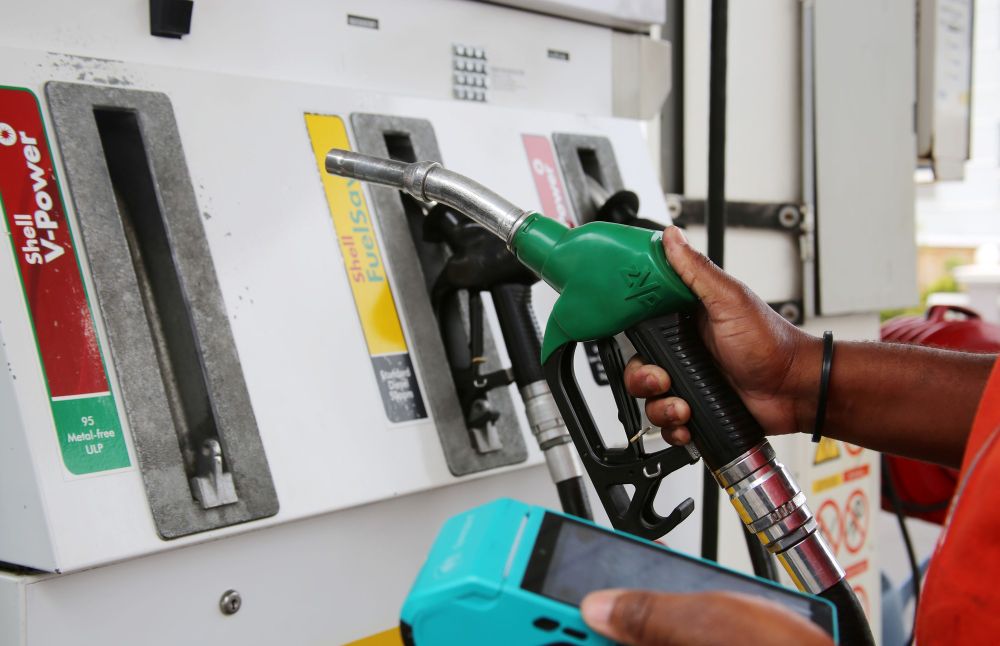
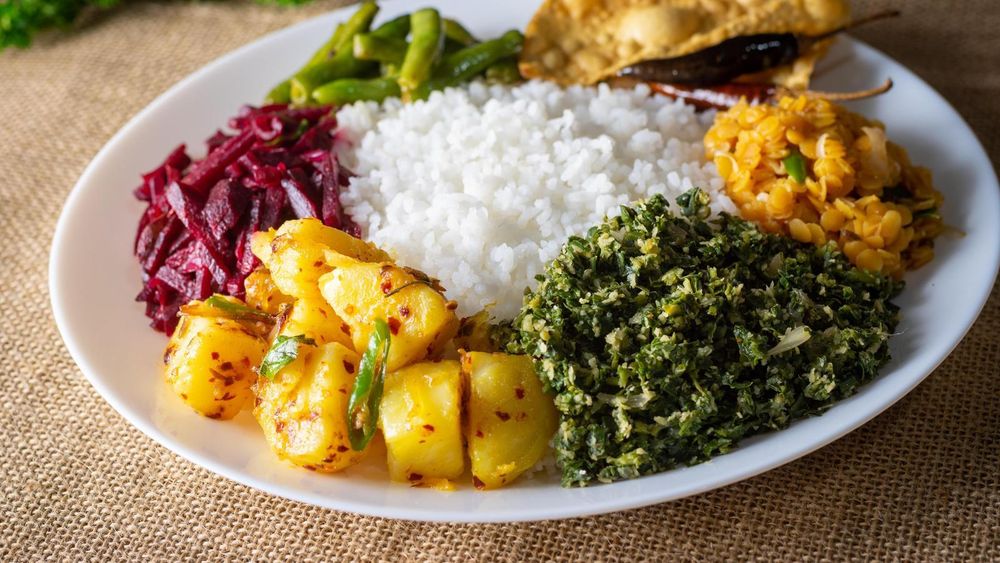
South Africa’s inflation fight is moving from the petrol pump to the dinner table, with the South African Reserve Bank warning that food prices are the next pressure point in an economy already under strain from fuel costs and geopolitical uncertainty.
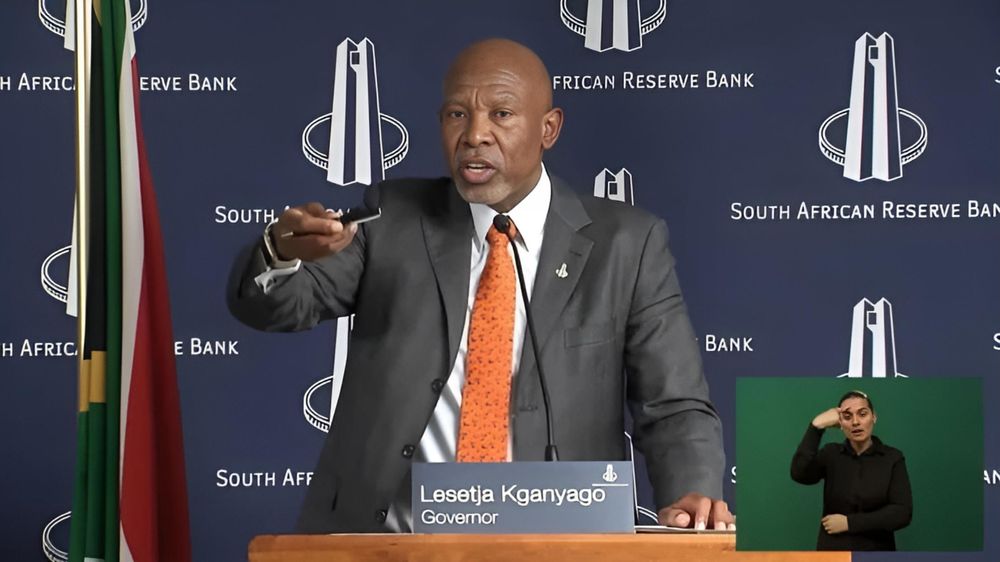
“It’s not so much that we have had a food shock, but we expect that to be coming,” said Reserve Bank Governor Lesetja Kganyago in announcing that the prime lending rate would increase 25bps to 10.5%. The agricultural sector is facing higher costs for both diesel and fertiliser which flows directly into the price of food on supermarket shelves.
“Amid pressure on food prices, we forecast headline inflation averaging 4.4% this year and 3.7% next year,” Kganyago says. Inflation climbed to 4% in April from the targeted 3% in March, driven largely by fuel prices.
Even though the vote was not unanimous, the committee agreed that inflation risks had intensified, and that the challenge of large and overlapping shocks would likely trigger second round effects, requiring a monetary policy response. “Our decision was aimed at managing risks and ensuring that inflation returns to target,” says Kganyago.