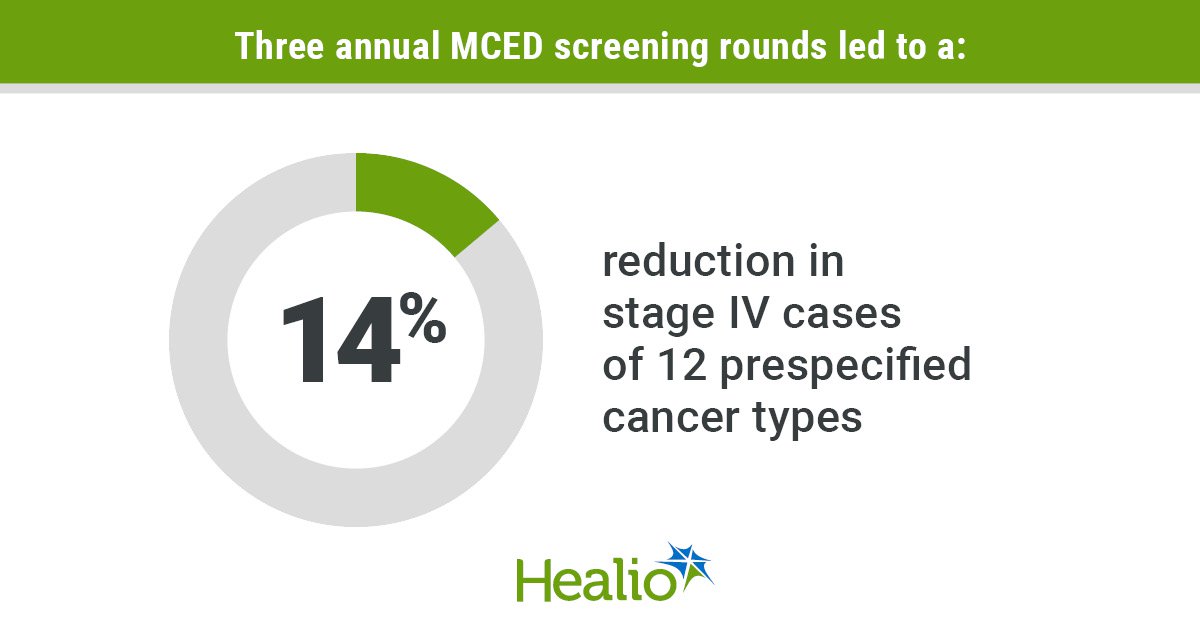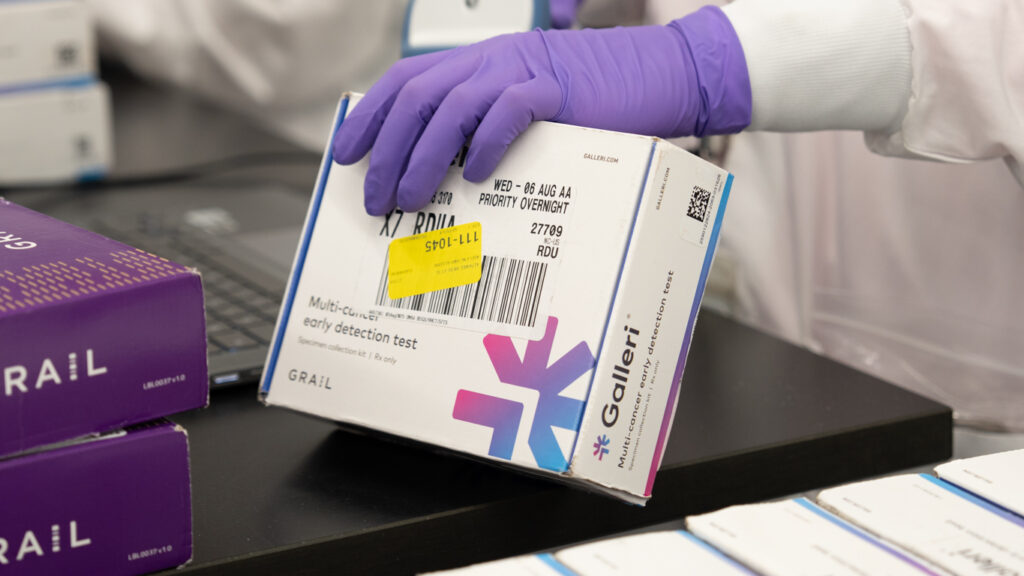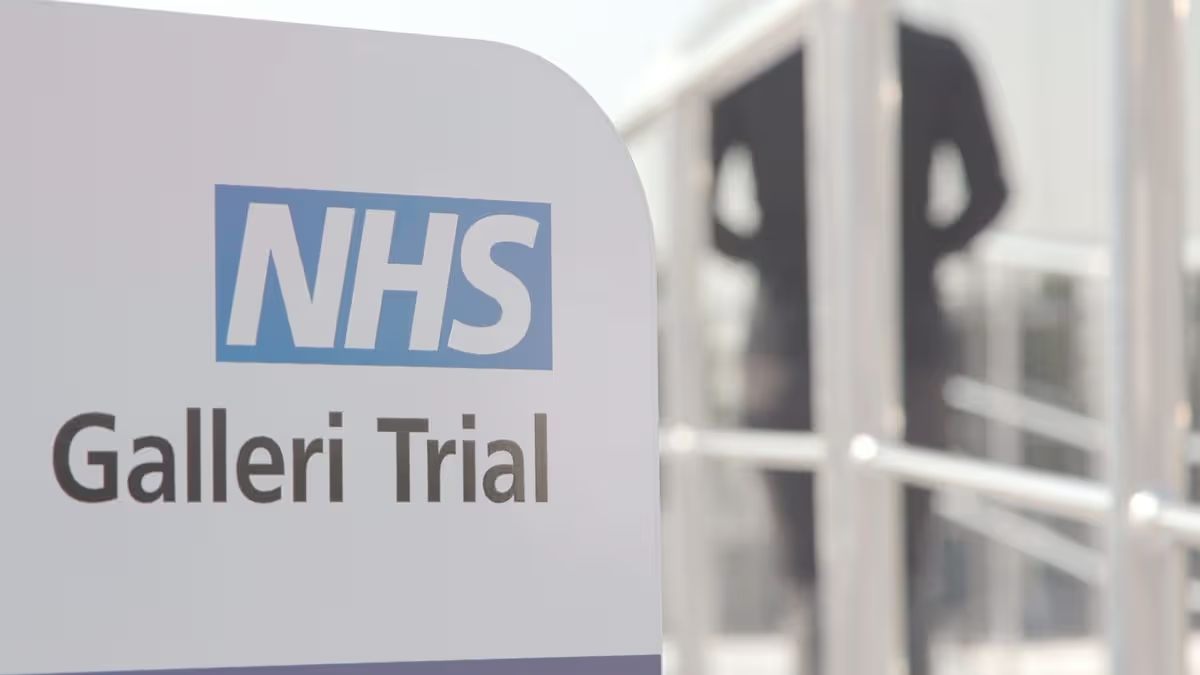
NHS hopes dashed after trial of the first multi-cancer blood test it had hoped would revolutionise treatment - but scientists say all may not be lostHanna Geissler12:59, 30 May 2026Hopes that a “revolutionary” cancer blood test could soon be rolled out on the NHS have been dashed after a trial failed to achieve its main goal.The NHS had hoped to prove that the first multi-cancer blood test, which has been dubbed the “Holy Grail” for medical researchers, could reduce the number diagnosed in later stages.The Galleri test looked for tiny fragments of tumour DNA in the blood, which can reveal the presence of the disease before symptoms emerge. It was evaluated in a three-year study of more than 142,000 NHS patients aged 50 to 77. Half had the blood test annually, while the rest underwent standard NHS screening.The £150million trial was designed to find out if using the test could reduce the number of cancers diagnosed at stages three and four. It failed to meet this primary goal. However, researchers claimed there were other positive signs.The number of cancers diagnosed at stage four alone fell by more than a fifth. Sir Harpal Kumar, chief scientific officer at the test’s manufacturer GRAIL, said: “This was outweighed by an overall increase in the number of stage three cancers.“We believe the stage three increase was driven in part by a number of stage four cancers being shifted to earlier stages.”The Galleri test was developed by US-based biotechnology company GRAIL. It is a Multi-Cancer Early Detection (MCED) blood test designed to screen for over 50 different types of cancer from a single blood draw, often before any symptoms appear.In 2021, former NHS chief executive Amanda Pritchard said the test could “mark the beginning of a revolution in cancer detection and treatment here and around the world ”.The mixed results were presented at the American Society of Clinical Oncology’s annual conference in Chicago.GRAIL’s chief medical officer Julie Gralow said the test “will not get approval in the NHS based on this data”.Professor Richard Houlston, of The Institute of Cancer Research in London, warned that the researchers risked “moving the goal posts” by highlighting positive signs despite missing their primary goal.Prof Houlston said the only reliable evaluation for such a blood test would be a lengthy trial which looked at patients’ survival rates. But he added: "The problem is, that to run such a trial to completion would take close to two decades…and it means that by the time the trial is complete the technology will likely be obsolete.”Professor Peter Johnson, national clinical director for cancer at NHS England, said: “Finding cancers at an earlier stage is central to the National Cancer Plan, and the NHS will explore every opportunity to detect more cancers sooner and save more lives.Article continues below“We look forward to seeing the data from the trial in detail, to help us make decisions on what this could mean for the NHS in the future.”
'Holy grail' blood test to help NHS diagnose different cancers fails in trial
NHS hopes dashed after trial of the first multi-cancer blood test it had hoped would revolutionise treatment - but scientists say all may not be lost
492 words~2 min read