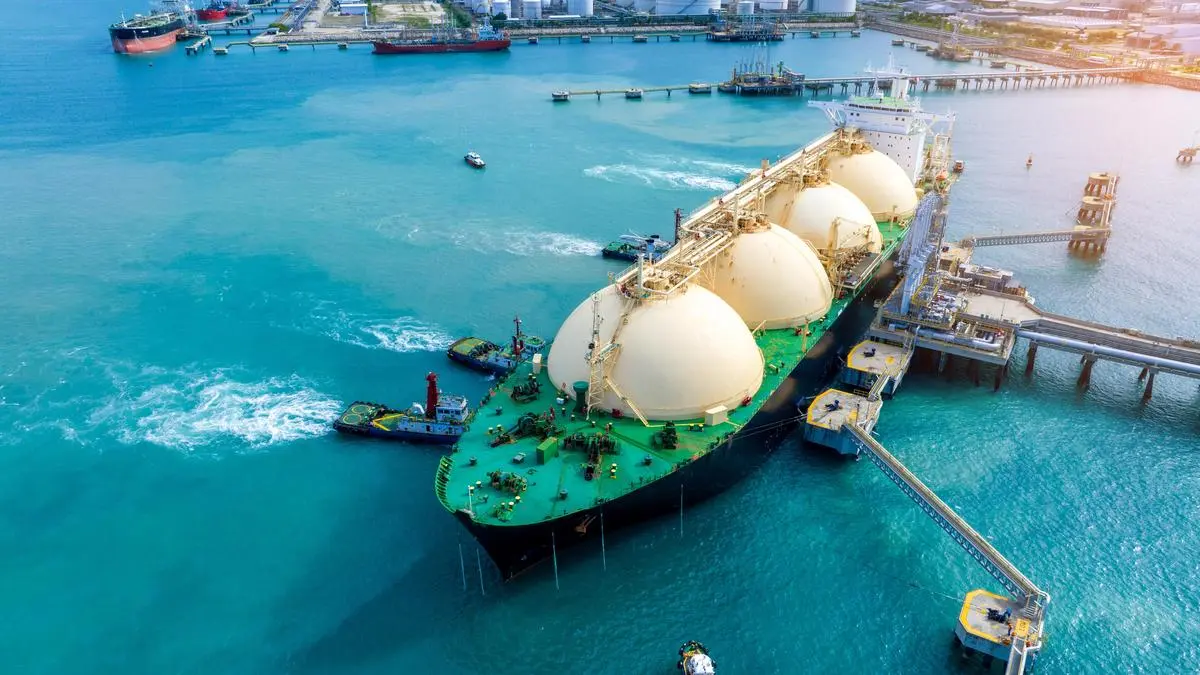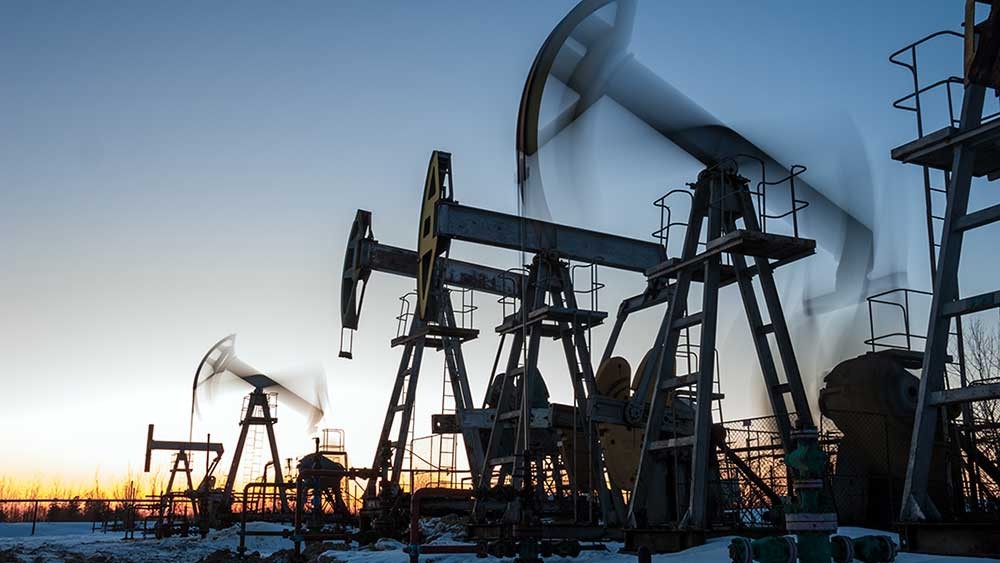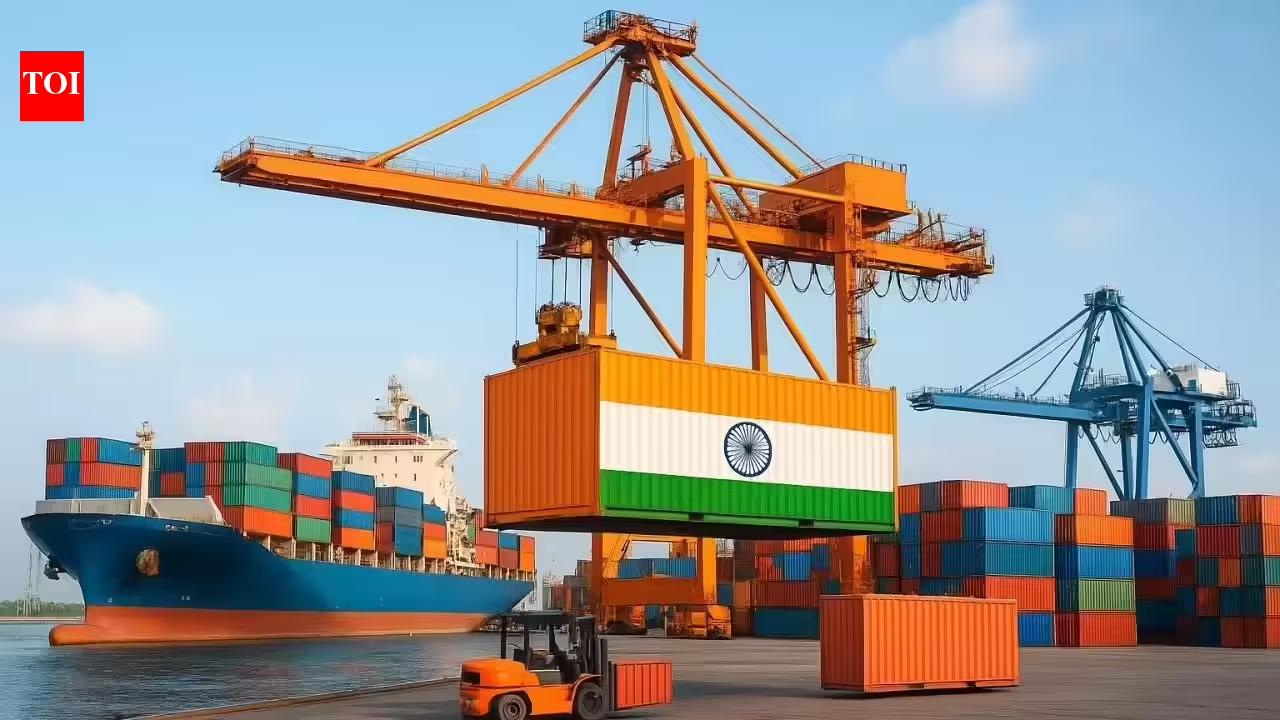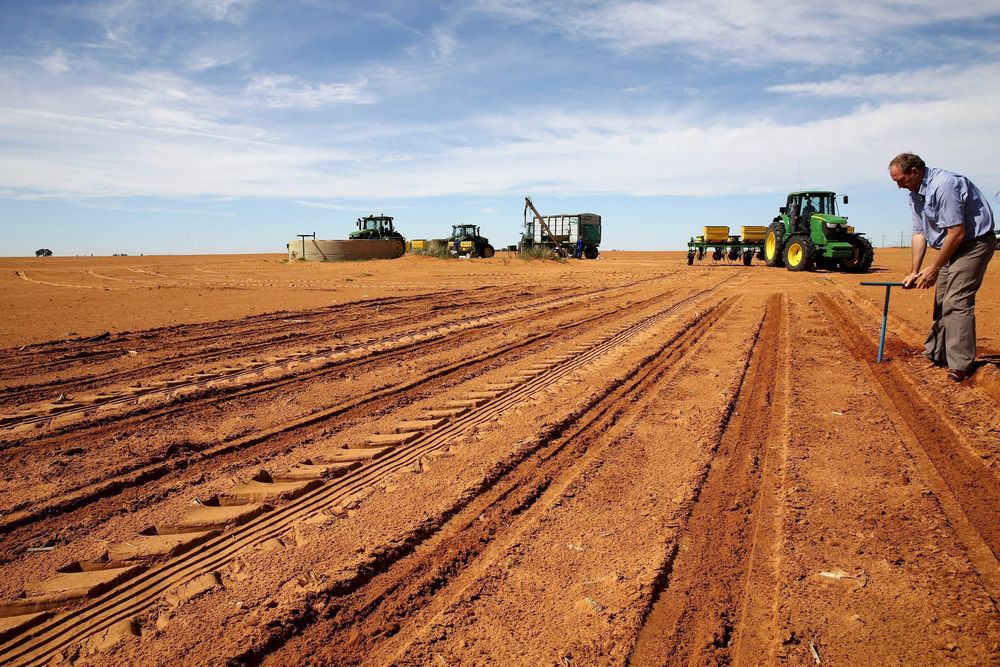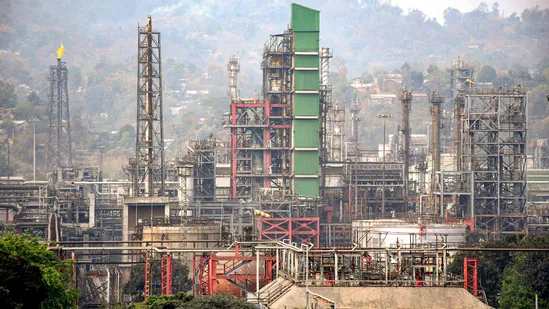
Oil and water don’t mix--but today, they are colliding at the centre of global risk. The past few months have shown how quickly oil can return to the centre of global concern, as geopolitical tensions and supply disruptions once again unsettle markets, push up prices, and ripple through supply chains and household budgets alike. These shocks are immediate and visible, drawing swift responses from governments and markets. But not all crises announce themselves this way. Today, wars are not just fought over land or ideology, they are fought over resources. Water risks unfold differently, building quietly over time, often in plain sight, until their consequences begin to shape daily life in ways that are far harder to reverse.Oil refinery in India (ANI)This renewed focus on energy security, particularly around the stability of oil supply chains and pricing, is understandable. These shocks influence inflation, logistics, and household budgets, demanding swift responses. Yet even as oil dominates headlines, a slower and more structural challenge continues to deepen beneath the surface.Recent geopolitical developments have also shown that water is no longer insulated from conflict. In parts of West Asia, desalination plants across countries such as Kuwait, the UAE, Bahrain and Iran have been targeted, putting water access for millions at risk. Closer home, during periods of India–Pakistan tensions, the Indus Water Treaty has increasingly been viewed not just as a framework for cooperation but also as a potential diplomatic lever. These developments point to a larger reality: while oil hurts economies, water hurts people and communities. Water is more critical than oil itself—because while nations can endure days without oil, communities cannot endure even a day without clean water.Globally, the warning signs are clear. The United Nations has described the current trajectory as one of “water bankruptcy,” where demand for freshwater is beginning to outpace sustainable supply. Nearly four billion people already face water scarcity during parts of the year. While this is a global challenge, its implications are particularly acute in countries where population pressures and resource constraints intersect sharply.India is one such case. With nearly 17% of the world’s population but access to only about 4% of its freshwater resources, the country operates under a persistent structural imbalance. This is further compounded by the fact that close to 60% of the country is already classified as water-stressed. India is also the world’s largest user of groundwater, accounting for roughly a quarter of global extraction, placing additional pressure on already stressed aquifers. This imbalance is becoming more difficult to manage as demand rises and supply becomes less predictable. Groundwater, which supports a large share of agricultural and urban consumption, is being extracted at unsustainable rates in several regions. Reservoir levels in parts of the country are already under strain before peak summer, reflecting increasing variability in rainfall patterns.India has expanded access to water at an unprecedented scale. Under the Jal Jeevan Mission, rural tap connectivity has grown rapidly, bringing millions of households into formal water supply systems. For many families, this has reduced the daily burden of water collection and improved basic living conditions. But access alone does not define water security. The harder question is whether these systems deliver water that is consistent, safe, and dependable across seasons and regions.This is where the nature of the challenge shifts. Across many networks, a significant share of treated water does not reach the end user. It is lost through leakages, inefficiencies, or informal diversion. What does reach households often travels through infrastructure that is not consistently equipped to preserve quality. The result is a gap between supply and usability that is increasingly difficult to ignore.Strengthening water systems must therefore begin with improving efficiency. Reducing distribution losses through better network design, pressure management, and routine maintenance can unlock meaningful volumes of water without increasing extraction. In several Indian cities, estimates suggest that between 30 and 50% of supplied water is lost before it reaches consumers, pointing to the scale of recoverable capacity within existing systems.Equally important is the need to safeguard water quality throughout the supply chain. Treatment at the source is only part of the solution. Storage systems, pipelines, and distribution networks must be designed and maintained to minimise contamination risks. This is particularly relevant in the Indian context, where water quality remains a concern, with global assessments ranking the country 120th out of 122 countries.While this reflects the scale of the challenge, it also underlines the opportunity ahead, as stronger infrastructure standards, better materials, and improved monitoring can significantly improve outcomes over time.Source sustainability must be addressed alongside system efficiency. Groundwater recharge, rainwater harvesting, and watershed management are often discussed but unevenly implemented. Where applied consistently, they have demonstrated the ability to stabilise local water systems. Targeted interventions also show what works. A recent ₹137 crore water supply scheme in Himachal Pradesh’s Barsar region illustrates how focused infrastructure investment, aligned with local needs, can resolve long-standing shortages.Urban India presents a different layer of complexity. As cities expand, their water demand grows rapidly, often outpacing infrastructure upgrades. Wastewater remains an underutilised resource despite its potential to supplement supply. Expanding treatment and reuse capacity, particularly for industrial and non-potable uses, can help reduce pressure on freshwater sources while improve overall system resilience. In a resource-stressed world, every drop must live more than once.Infrastructure, however, cannot operate in isolation. Outcomes depend on how systems are governed, priced, and maintained over time. In many parts of India, water remains under-priced or unmetered, reducing incentives for efficient use and limiting resources available for maintenance. At the same time, community participation in managing local water assets has shown measurable improvements in sustainability where it has been institutionalised. The effectiveness of infrastructure ultimately rests on these less visible but equally critical layers of governance and behaviour.New pressures are also emerging as the economy evolves. Data centres and advanced computing infrastructure, which are expanding rapidly in India, are highly water-intensive. Cooling requirements alone can place significant demand on local water systems. As digital infrastructure grows, it becomes essential to ensure that foundational water systems are not treated as secondary priorities but as core enablers of sustainable growth.The implication is clear. Water sustainability is no longer a peripheral concern. It sits at the centre of economic resilience, public health, and long-term development. India has already laid a strong foundation by expanding access at scale. The next phase must focus on ensuring that these systems are efficient, reliable, and able to withstand rising demand across seasons and regions.Oil shocks may pass with time. Water stress does not. If left unaddressed, it reshapes economies, alters livelihoods, and ultimately determines where and how people live.(The views expressed are personal)This article is authored by Yashovardhan Agarwal, director, Sintex and MD, Welspun BAPL.
Oil shocks are immediate, water risks are structural
This article is authored by Yashovardhan Agarwal, director, Sintex and MD, Welspun BAPL.
1,117 words~5 min read