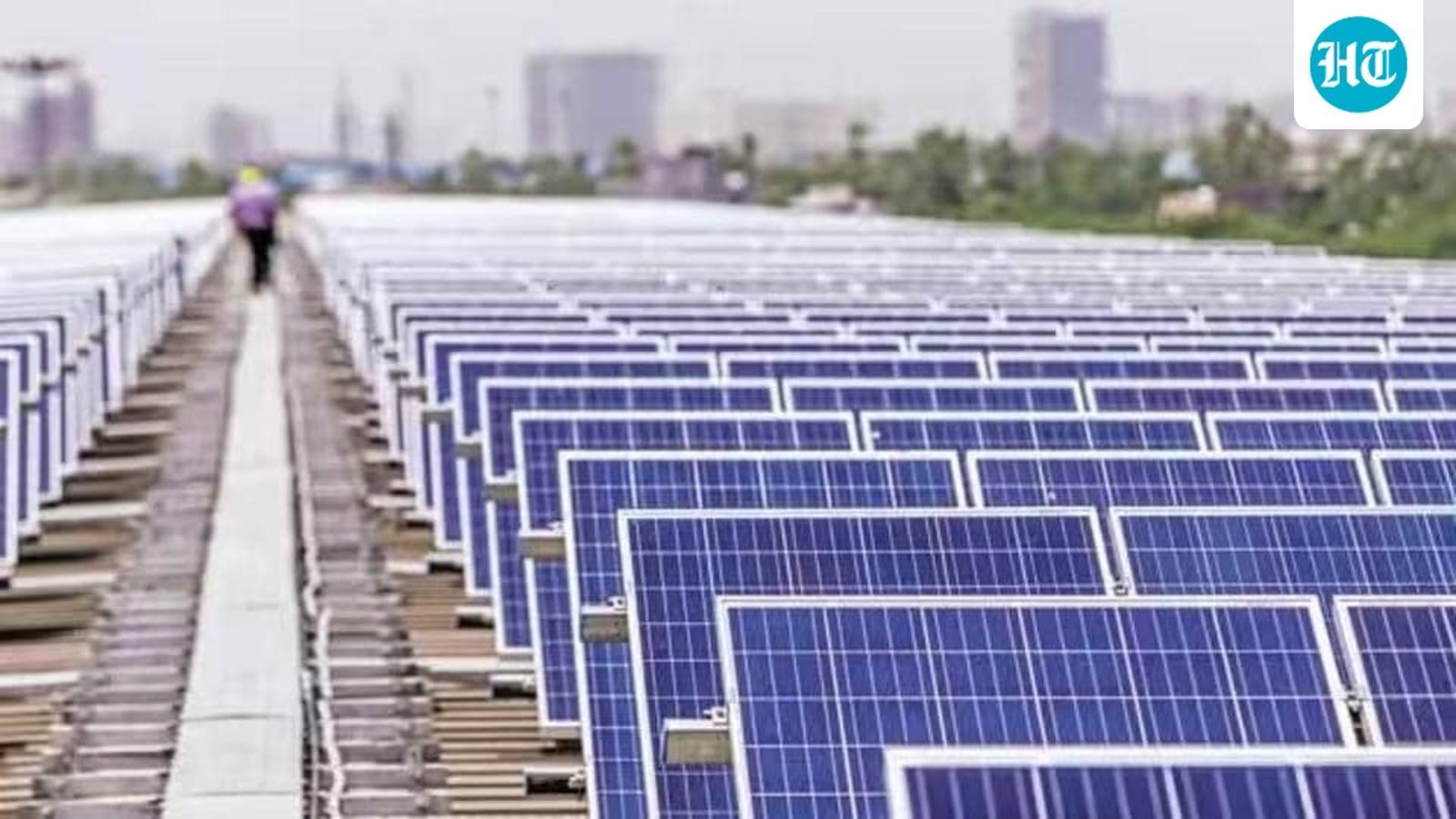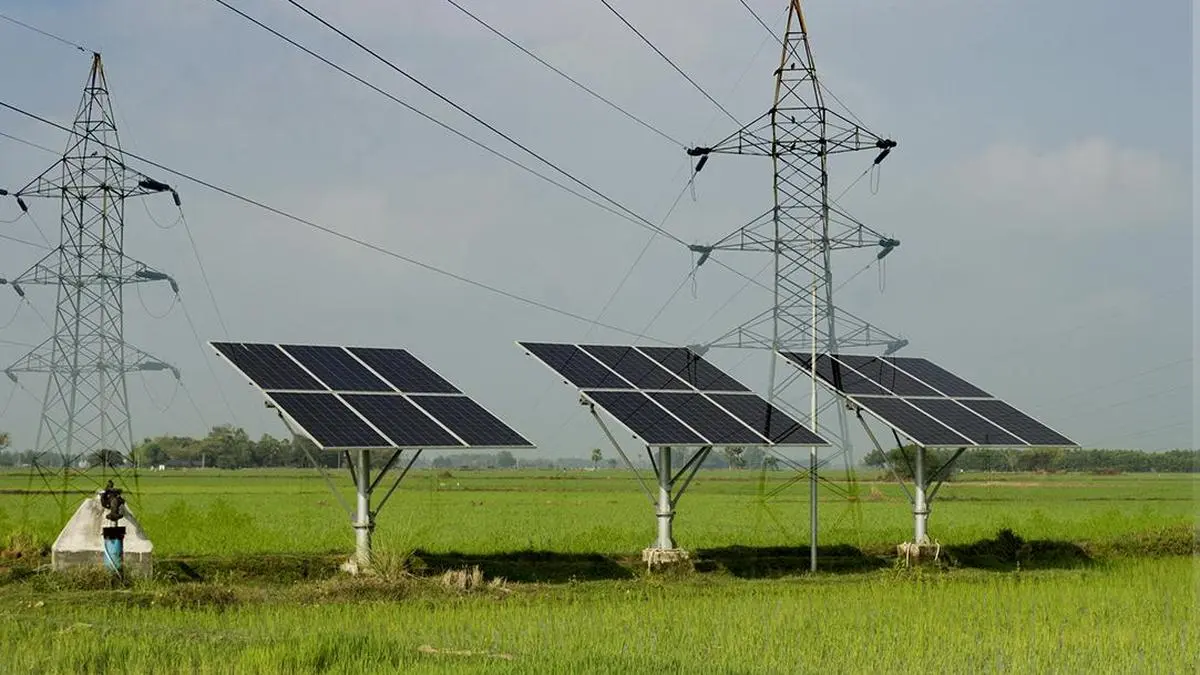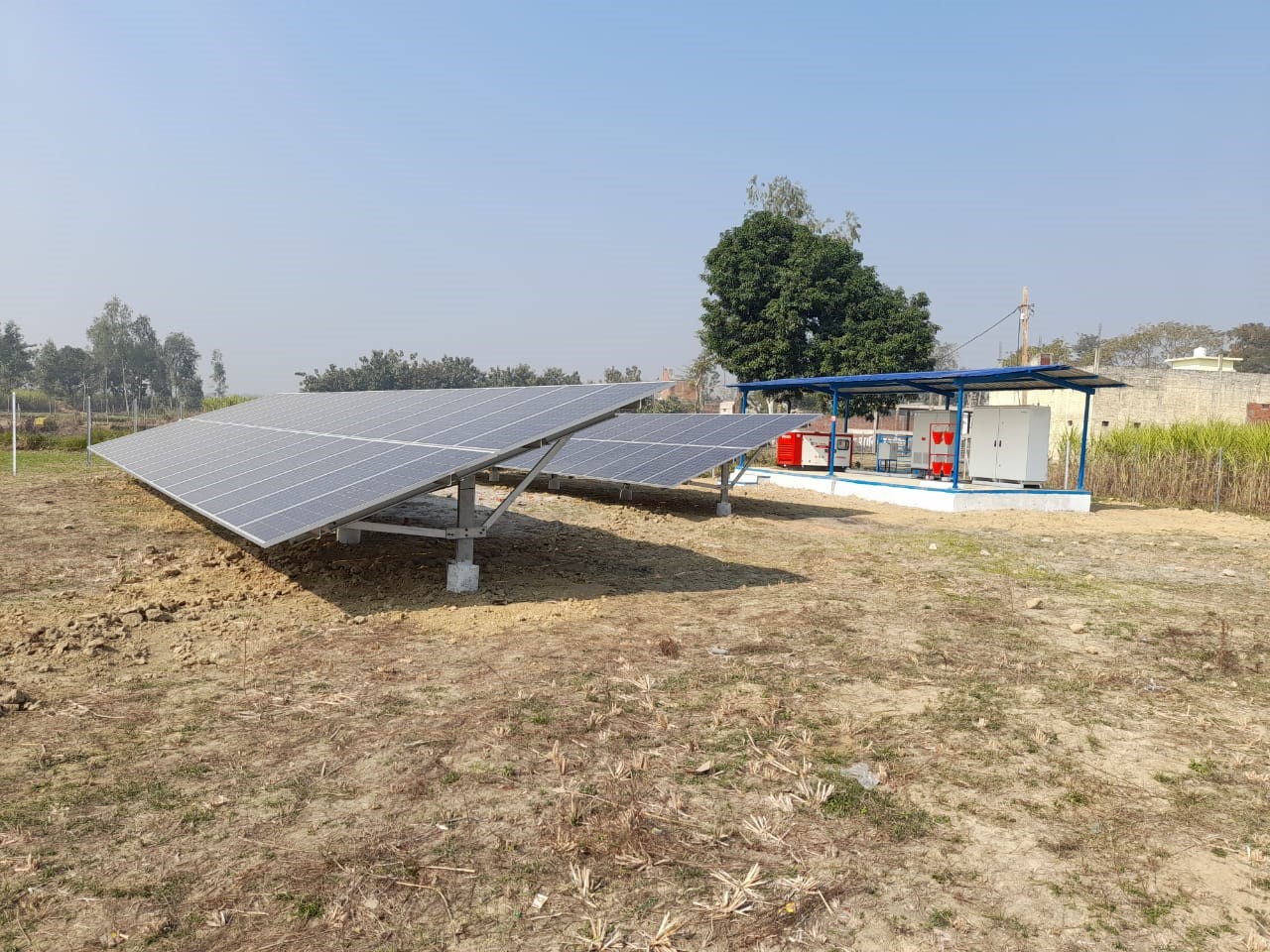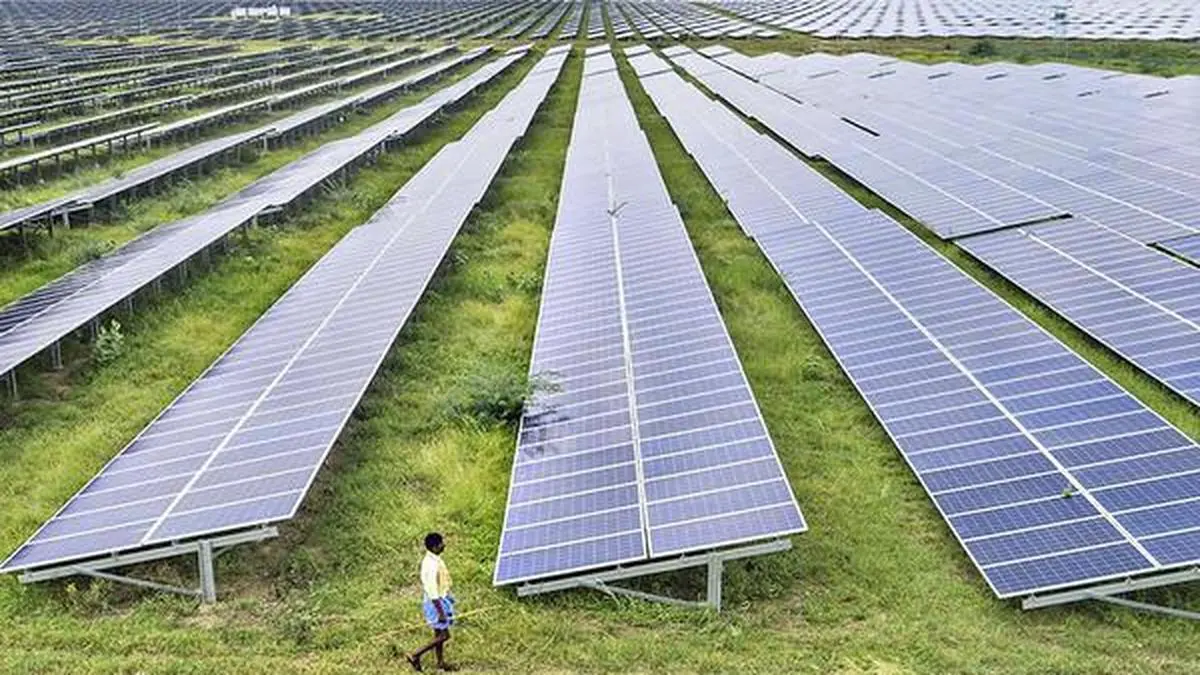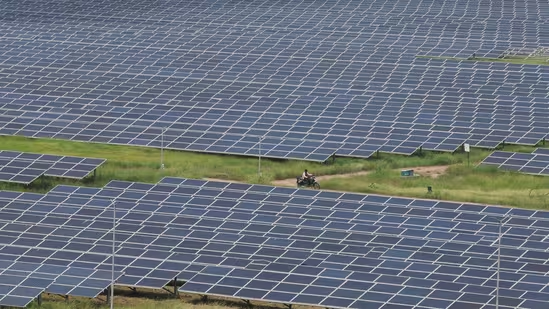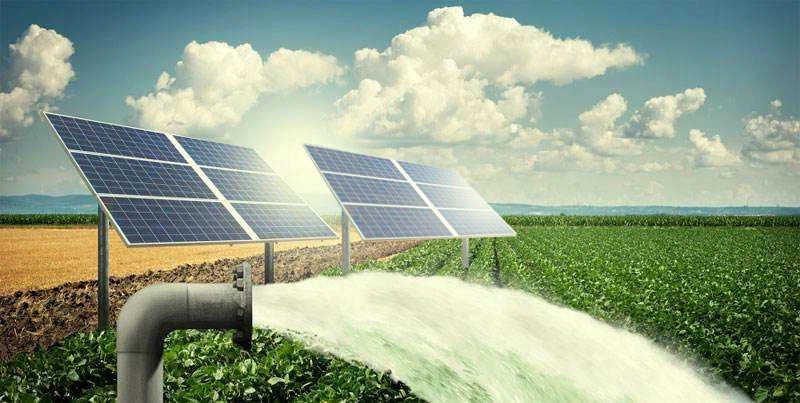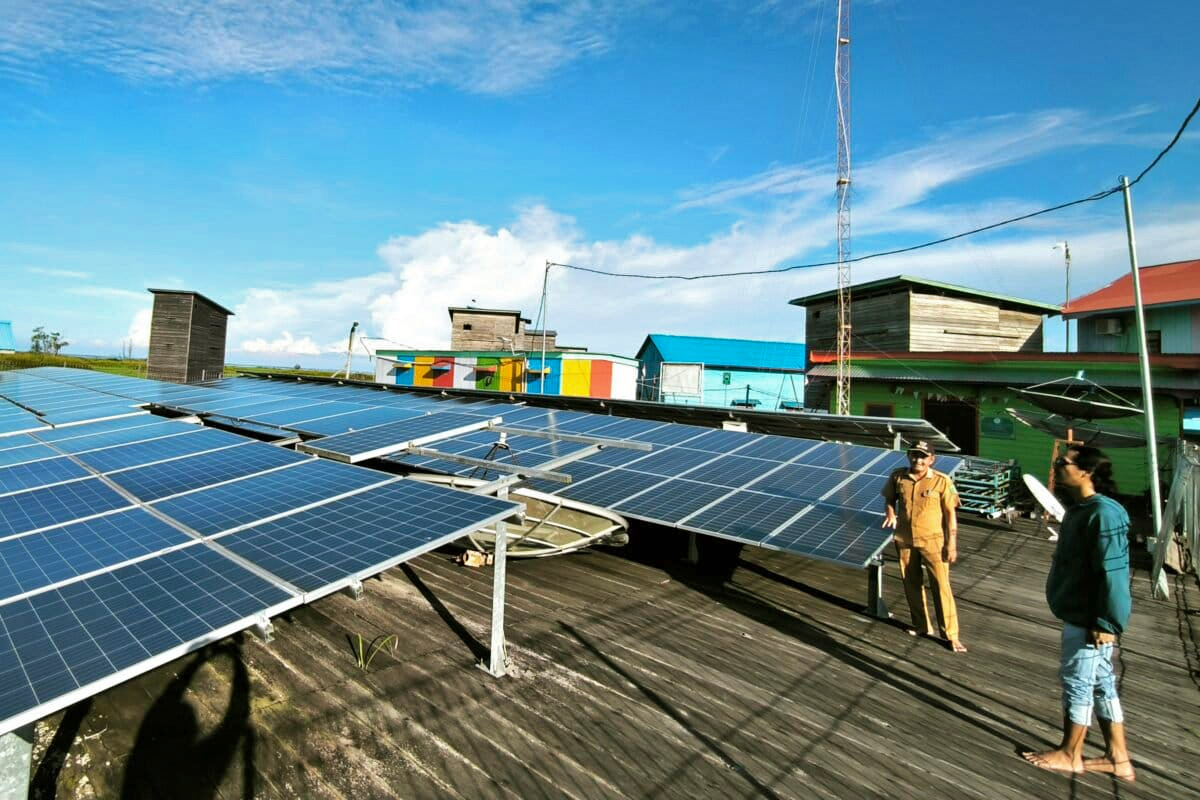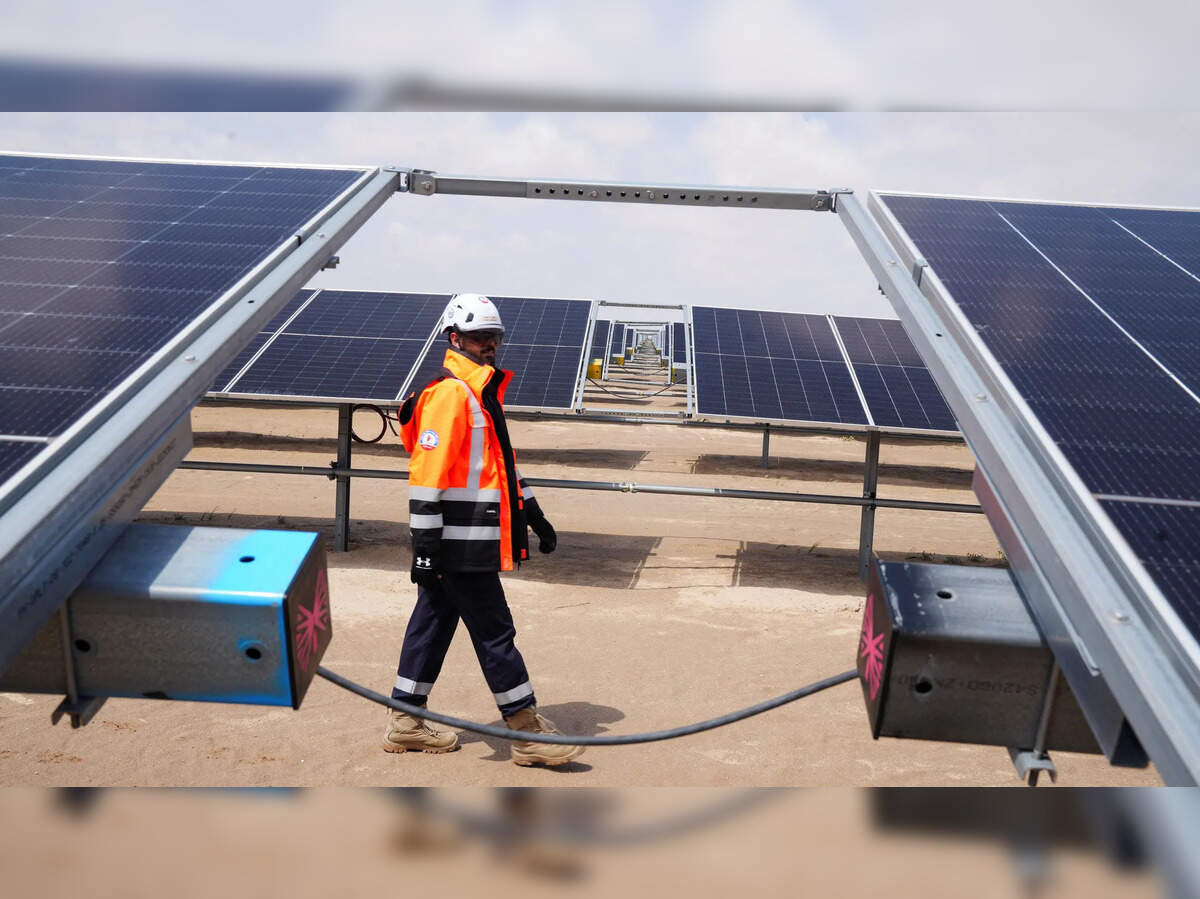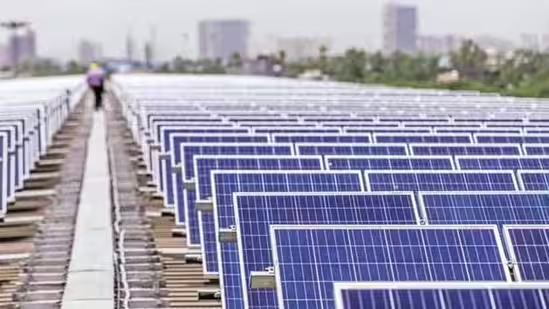
I grew up in a farming village in Madhya Pradesh. My earliest memories of the agricultural economy are not abstract--they are visceral. Families scanning the sky for monsoon clouds. My father calculating whether we could afford another season of diesel for the pump sets. The quiet, resigned despair that followed a bad harvest. Energy, in our household, was not a utility. It was a weight--one of the heaviest a farming family carried from one season to the next.Solar Energy (HT Photo)Three career chapters later--an engineering degree, a satellite-based agri-tech startup, and years building climate risk platforms for electric utilities in America--I find myself back in rural MP, running a solar company that deploys systems across the state. What I see on the ground today would have been incomprehensible to the village I grew up in.Farmers in Mandsaur and Ratlam are no longer just consumers of electricity. They are producers of it. The economics of a five-acre plot in Sehore are no longer defined solely by whether the soybean crop held up. They now include a solar lease rental that pays twelve months a year regardless of rainfall.For most of India's energy policy history, solar was a city-facing story. Rooftop panels on IT parks. Utility-scale auctions. Tariff records broken every quarter. The farmer watched this from a distance, still tethered to a diesel pump and an unreliable grid.PM-KUSUM changed the grammar of that conversation. Slowly, and with some implementation gaps, it began redirecting the solar story toward the farmer, not as a beneficiary of cheap power, but as a participant in energy production. The shift is subtle but profound. A farmer who sells power back to the grid is not waiting for a government subsidy. He is running a business on his own land.I have visited villages in Khargone and Barwani where young men who would have migrated to Indore for construction work are now employed as solar plant technician--fitters, electricians, site supervisors--within ten kilometres of where they were born. That is not a policy outcome. That is a life trajectory changed.My years in agri-tech taught me one thing above all: Technology adoption in rural economies works only when it fits the rhythm of existing lives. It cannot ask a farmer to choose between what he knows and what is new.This is why agrivoltaics moves me the most. It does not ask the farmer to give up his land for a solar park. It asks him to share it. Elevated panels. Crops underneath. Electricity above. In Madhya Pradesh, I have seen strawberries and lettuce growing in the shade of solar arrays, land that double-earns, a farmer who double-earns, a model that resolves a tension neither the energy sector nor the agriculture sector could solve alone.When I was building agri-tech tools years ago, we were trying to help farmers forecast yield, access credit, reduce input costs. We were fighting on the margin. Agrivoltaics, at scale, is a structural intervention--one that changes not just what a farmer earns this season, but what his land is worth every year for the next three decades. A guaranteed, inflation-indexed lease income sitting alongside cultivation income is not a marginal improvement in household economics. It is a different household entirely.I would be dishonest if I painted only the optimistic picture.The distance between a solar policy drafted in Delhi and a farmer's doorstep in Barwani is still vast. State agencies are understaffed. Vendor ecosystems are thin outside major cities. Farmer awareness of what schemes like PM-KUSUM actually offer--the financial mechanics, the income potential, the process to apply--remains genuinely low in large parts of India. I see this not in data but in conversations. Farmers who are eligible, interested, and willing, but who have no one to walk them through the process in their own language.Financial closure remains the sharpest bottleneck. A small farmer with five acres and a willingness to participate cannot navigate a DPR, a state agency, a discom, and a cooperative bank simultaneously, not without a hand-holding partner embedded at the district level. That infrastructure barely exists today.The gap between the solar India we talk about at conferences and the solar India a farmer in Barwani can actually access is where the real work lies.The solar industry has trained itself to think in megawatts. Capacity additions, tariff benchmarks, manufacturing volumes - these dominate every conference and investor deck. They are legitimate measures. But if solar is genuinely becoming an instrument of rural prosperity, we need to add different questions to that scorecard.How many farming households now earn a supplementary income that survives a bad monsoon? How many young people stayed in their village because a solar plant created a livelihood nearby? How many women entered the workforce through self-help group-led solar models?I grew up in a village where electricity was a luxury and diesel was a burden. Today, I build solar plants in villages much like that one. The technology is ready. The policy framework exists. The economics, when executed well, genuinely work. What remains is the last mile with the farmer, not the megawatt, at the centre.(The views expressed are personal)This article is authored by Bhavesh Patidar, founder & CEO, Nevron Group.
Solar power is all about rural prosperity
This article is authored by Bhavesh Patidar, founder & CEO, Nevron Group.
857 words~4 min read