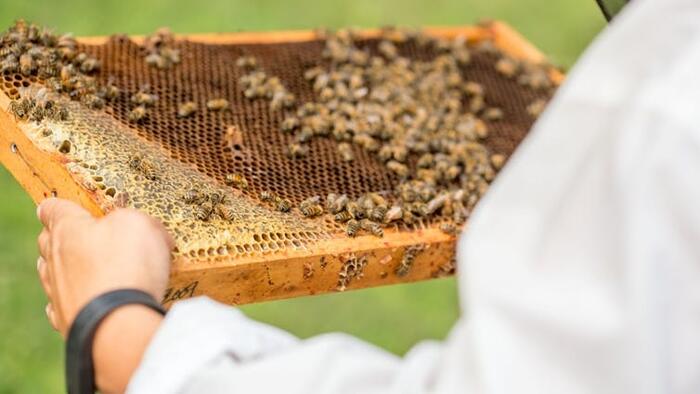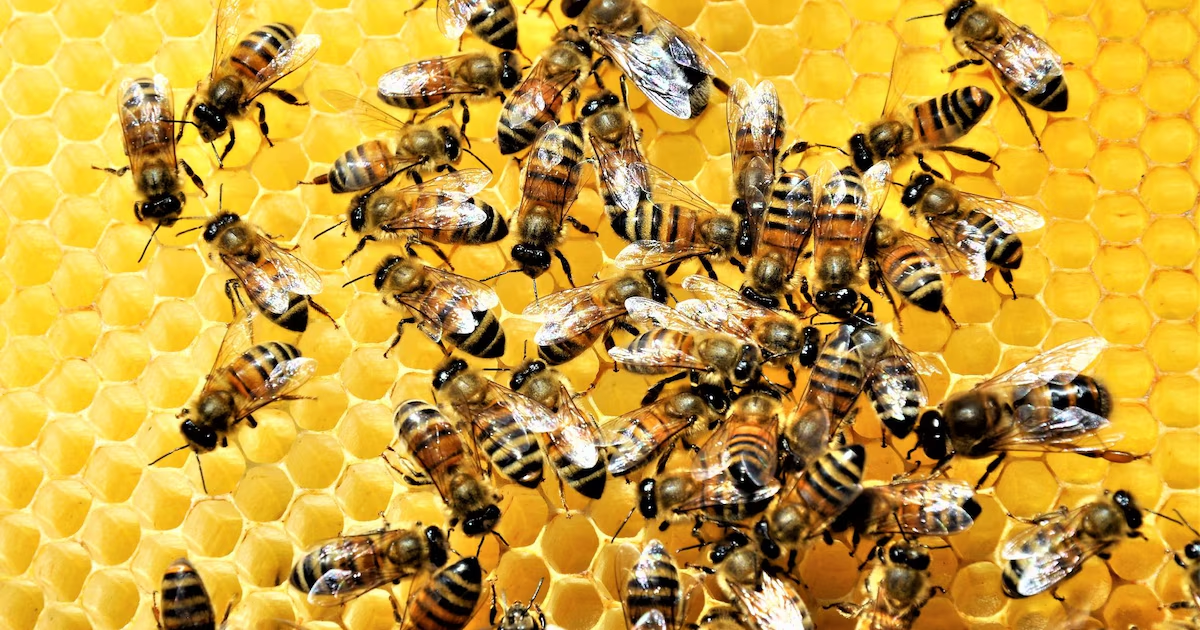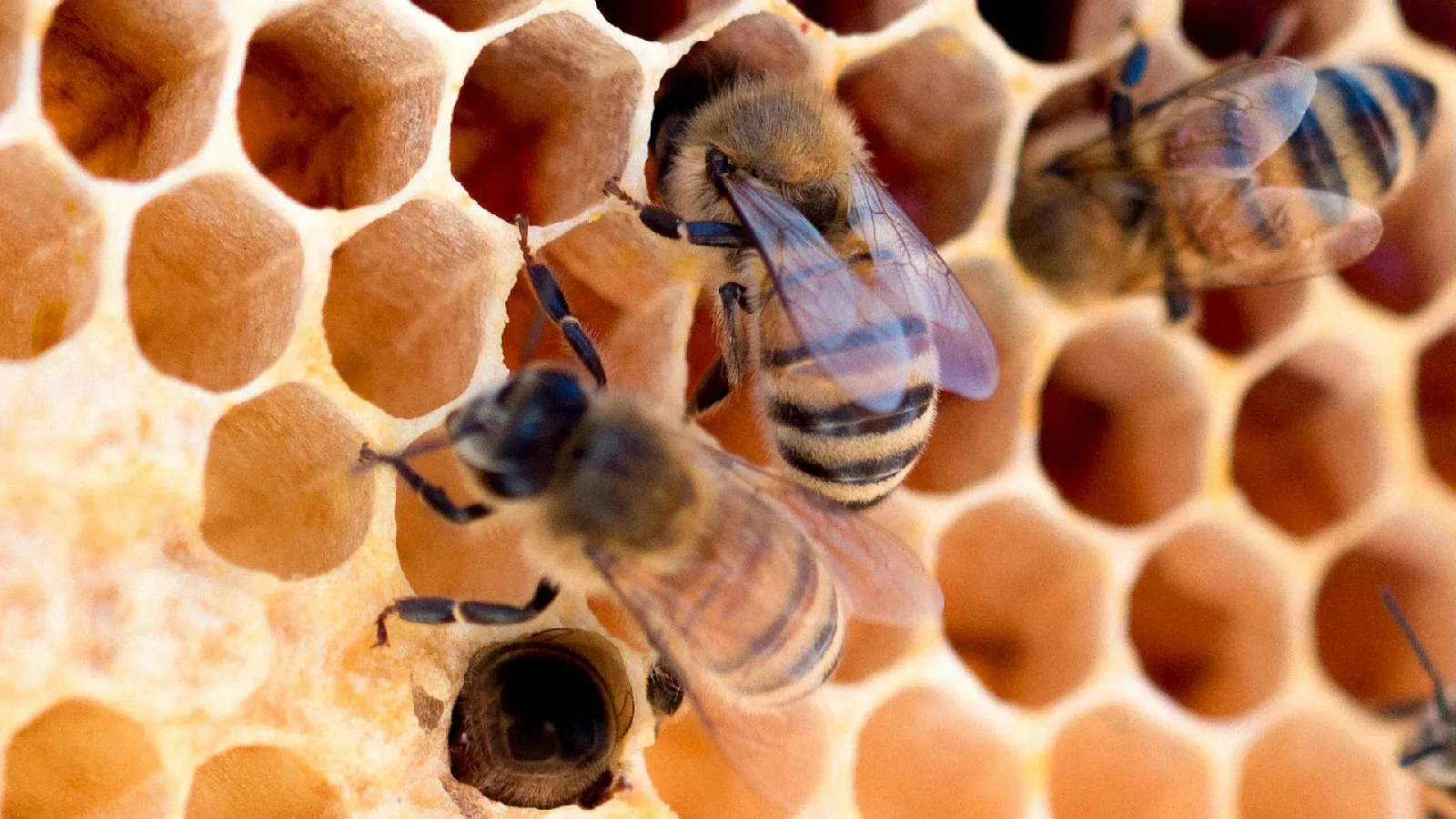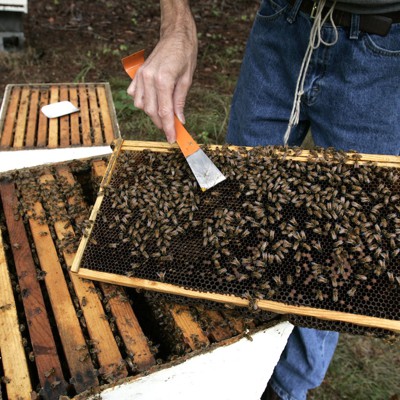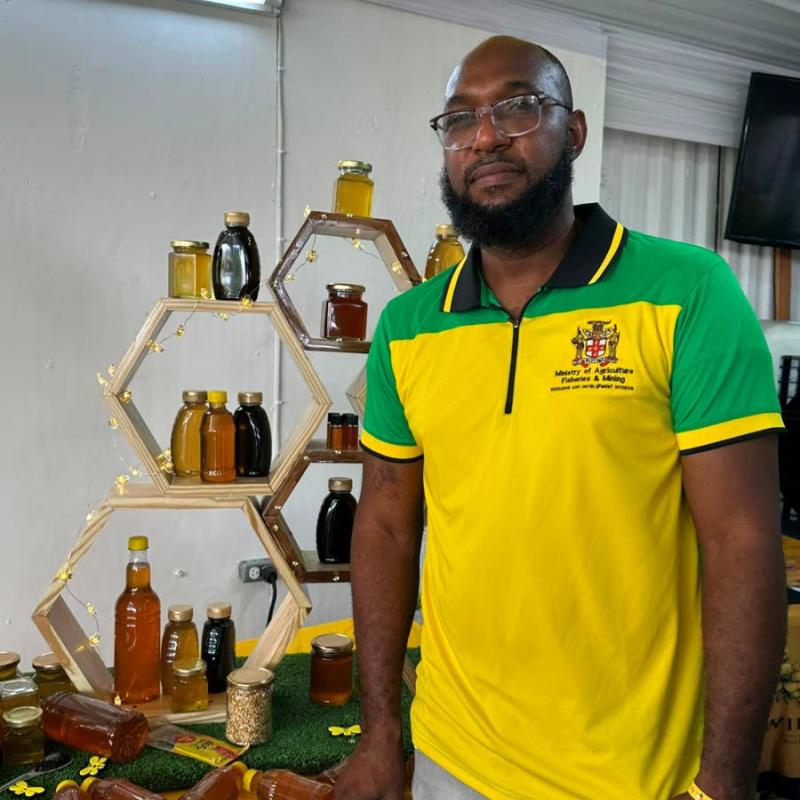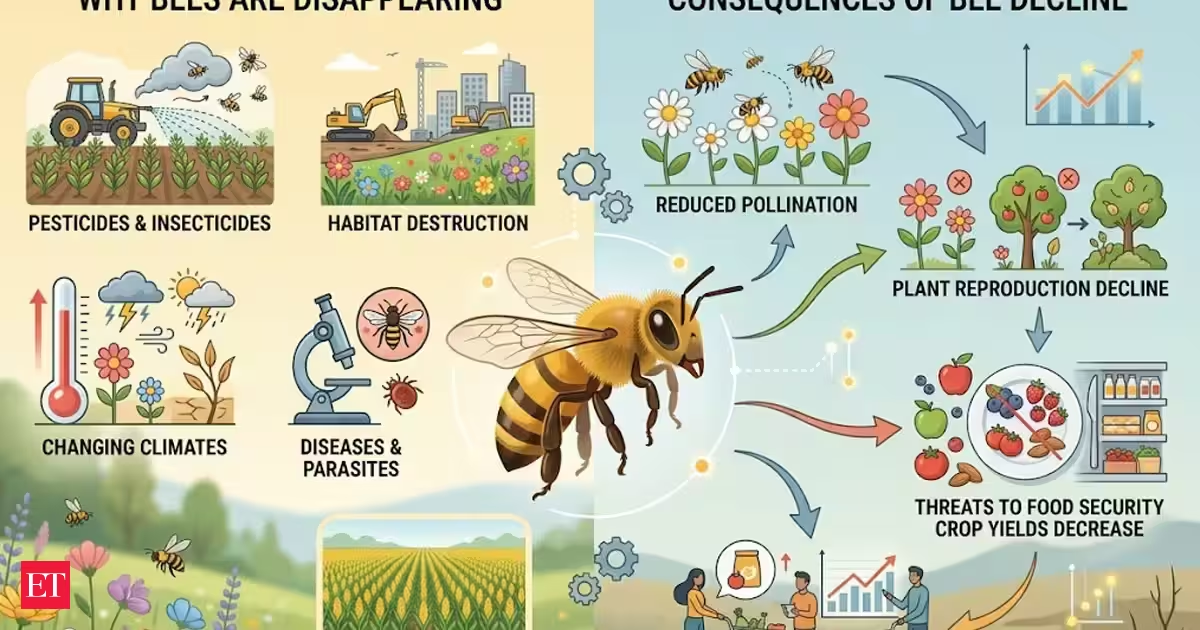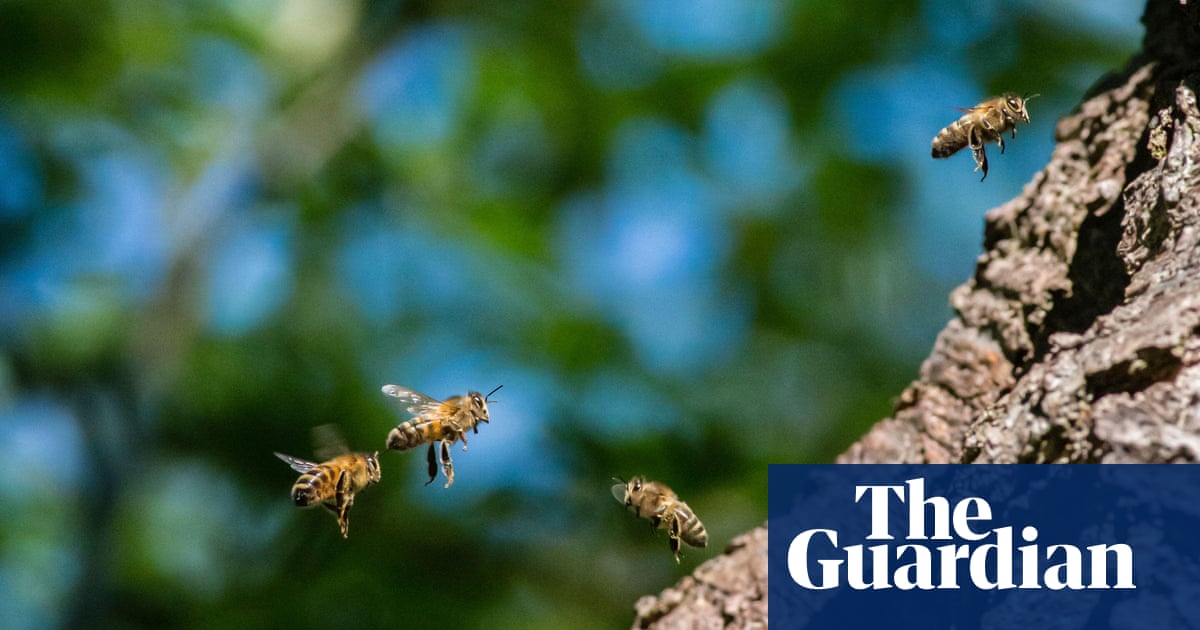
In Jamaica, it is not often that bees crop up in strategic discussions about agriculture, food security or environmental protection. Yet, the insect is important to all of these. It is why, post-Hurricane Melissa, which destroyed thousands of colonies last October, they deserve attention, as well as policies to help in the rebuilding and conserving of hives. According to the Food and Agriculture Organization of the United Nations, bees are critical pollinators. Pollinators, which include honeybees, butterflies, birds, and bats, pollinate crops like apples, bananas, blueberries, strawberries, melons, peaches, potatoes, vanilla, almonds, coffee and cocoa. It is estimated that three-fourths of the world’s flowering plants and about 35 per cent of the world’s food crops depend on animal pollinators to reproduce. It is estimated that pollinators support 87 of the 115 leading food crops, including fruits, vegetables, seeds, and nuts. The FAO warns, “Without adequate pollination, yields decline, food becomes scarcer and more expensive, placing food security and the livelihoods of farmers and communities at risk.”FEEDBACK LOOPWhen pollinator populations decline, food production and essential ecosystem services are affected, triggering a feedback loop that worsens both environmental and human health. Moreover, bees are vital to ecosystems. They contribute to forest regeneration, watershed protection, plant biodiversity and sustainable agriculture. Environmental protection cannot be separated from national development, whether discussing watershed degradation, deforestation, climate resilience or sustainable agriculture. Since agriculture remains deeply connected to rural livelihoods, and crops such as mangoes, ackee, coffee, citrus and vegetables rely heavily on pollination, a depleted bee population threatens domestic agricultural productivity.And then there is the matter of bees as producers of honey, which has its own value in the economic chain and significant potential for growth.According to Jamaica’s Ministry of Agriculture, the apiculture sector had grown to approximately 3,000 investors managing more than 3,500 apiaries and about 65,000 bee colonies, with the industry valued at roughly J$2.6 billion (US$17 million). In 2024, natural honey production reached 766 tonnes, which makes the country one of the largest producers of honey in the English-speaking Caribbean. Hurricane Melissa destroyed over 2,000 bee colonies in Jamaica with an estimated J$74.5 million in damages. To rebuild, the agriculture ministry announced an initial J$10 million for supplemental feed for apiculture.STRATEGIC GROWTHThe government has identified beekeeping as a strategic-growth industry because Jamaica still does not produce enough honey to satisfy local demand. Agriculture Minister Floyd Green noted that there is “significant demand for honey and other by-products”, both locally and internationally.More than J$30 million has been spent in training and capacity-building programmes for 23 beekeeping projects islandwide in 2020, along with an additional J$5 million in emergency support during the COVID-19 period to protect approximately 12 per cent of Jamaica’s bee stock. In his 2026/2027 Sectoral Debate presentation, Green, informed that Green Paper on National Livestock Policy, scheduled to be tabled September end, will include dedicated support for the apiculture (beekeeping) subsector. The proposed strategy would focus on boosting honey production and building climate resilience.Urban beekeeping should be considered too. Studies have shown that a one-per-cent increase in pollination rates can lead to a two-to-three-per-cent increase in crop yields. In cities like New York and Los Angeles, urban beekeeping initiatives have reported over 100 pounds of fresh produce per hive per year.Beekeeping, which is primarily a family-owned enterprise in Jamaica, should be promoted and encouraged, and critically made climate change resilient. The erratic weather patterns and the current El Niño phenomenon, which is driving the Mercury high, is altering flowering seasons and reducing nectar availability. Prolonged droughts affect plant life and weaken bee nutrition. Stronger storms destroy habitats and hives. At the same time, pests and diseases continue to threaten colonies globally. Exposure to harmful pesticides further compounds the danger.Small island developing states are particularly vulnerable to environmental disruption. They depend heavily on healthy ecosystems while simultaneously facing climate-related pressures with limited resources. In that context, bees become more than insects. They are indicators of environmental health. When bee populations decline, it often signals wider ecological distress already under way.Post Hurricane Melissa, Laura Littlebear of Greater Good Charities and her team travelled to Jamaica to look into saving these pollinators, which she said are key to rebuilding the island’s ecosystem. She underscored why preservation of bees is important. “The bees happen to be one of those areas nobody ever thinks about, but they’re our lifeline,” she told this newspaper. “If they’re not pollinating, we’re not eating.” Jamaica needs to take note of that.
Editorial | Conservation of bees
In Jamaica, it is not often that bees crop up in strategic discussions about agriculture, food security or environmental protection. Yet, the insect is important to all of these. It is why, post-Hurricane Melissa, which destroyed thousands of colonies last October, they deserve attention, as well as policies to help in the rebuilding and conserving of hives. According to the Food and Agriculture Organization of the United Nations, bees are critical pollinators.
740 words~3 min read