In this week’s newsletter: a conservation success story has a sting in its tail as wild pollinators pay the price
Everyone wants to save the bees.
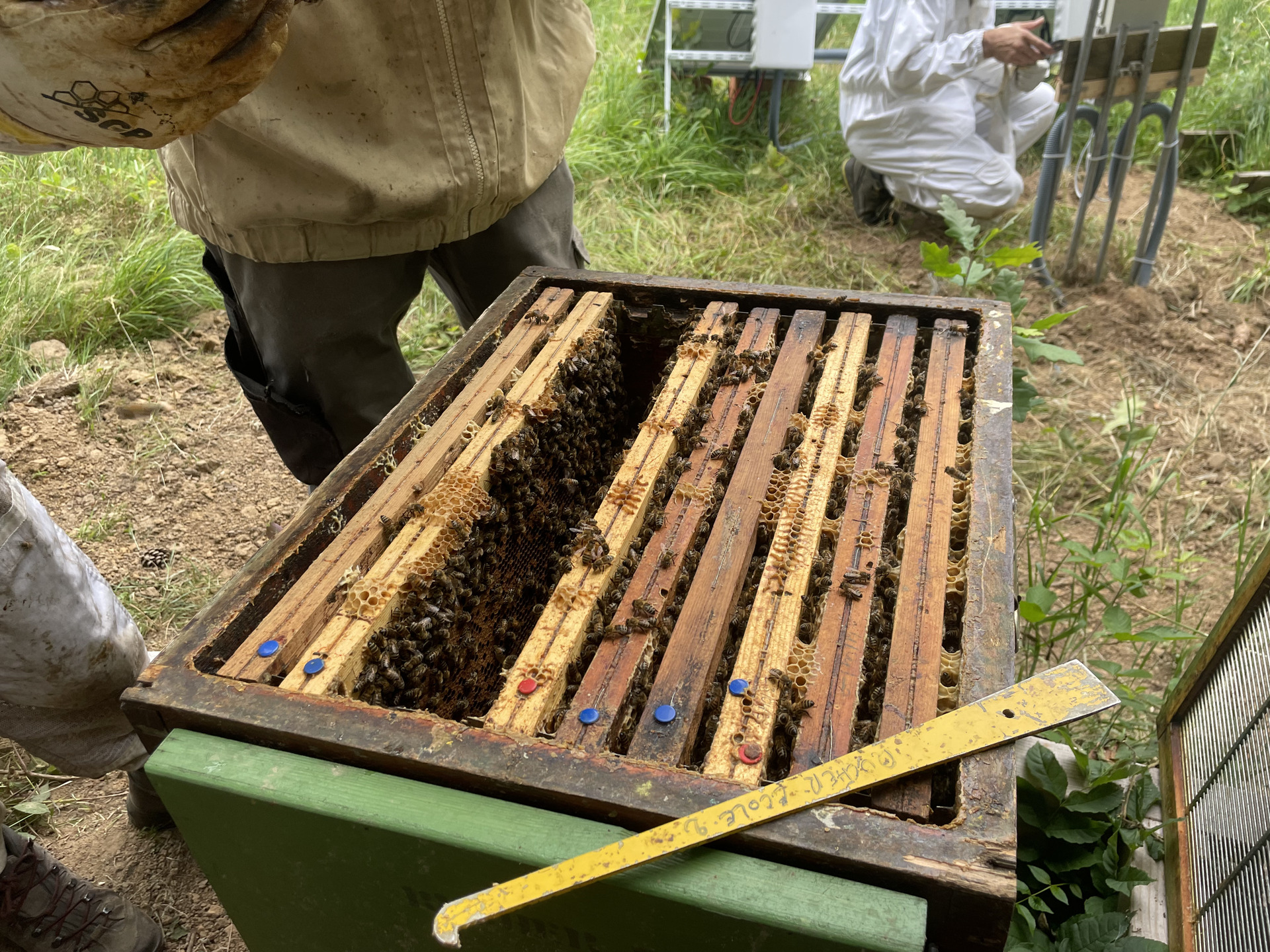
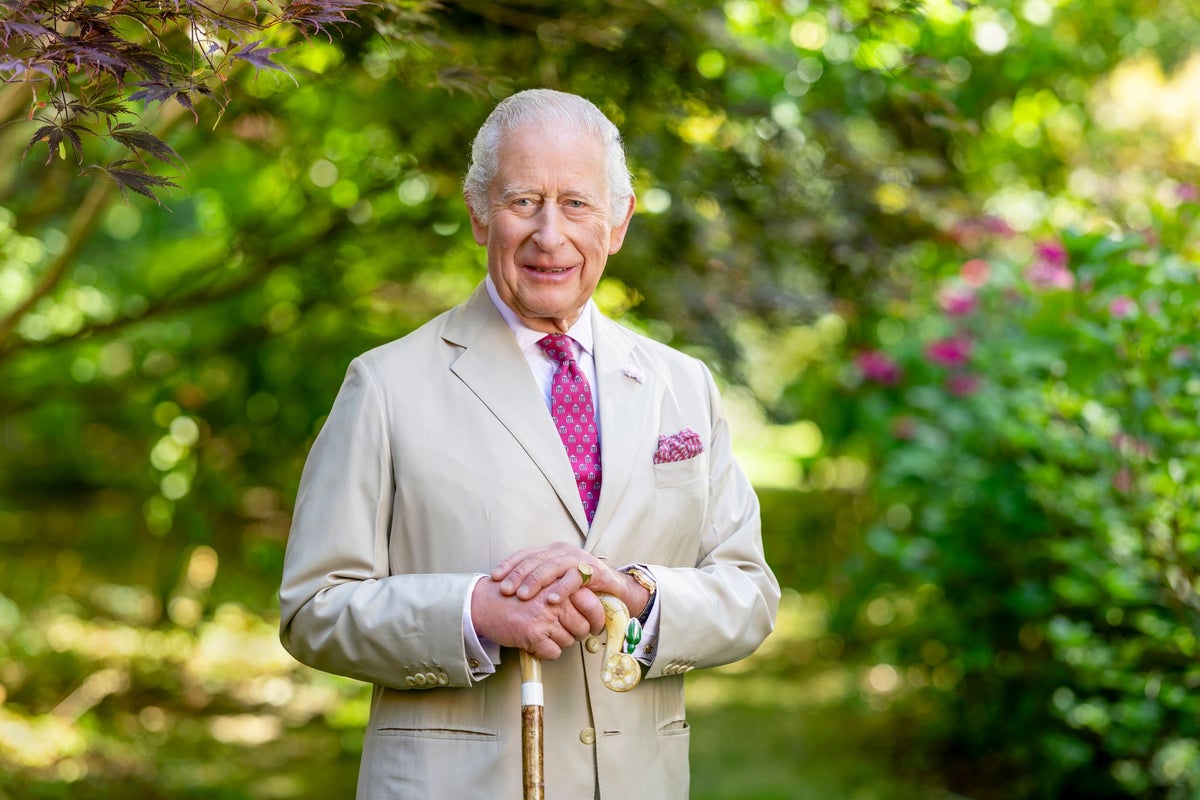
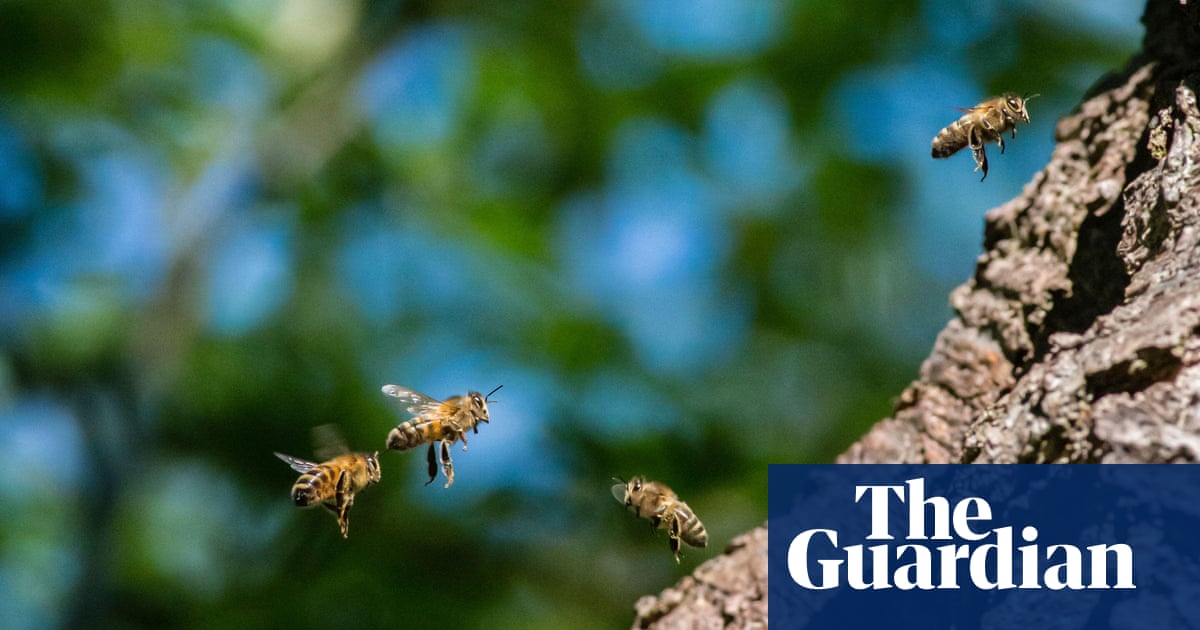
Angelina Jolie put on a beekeeping suit for Guerlain and David Beckham proudly presented the King with a pot of honey from his bees in Oxfordshire. So many people wanting to do good have set up hives in their gardens or on roofs that they have become a symbol of sustainability. Of course, farming honeybees is a great way to make delicious honey, but there is a sting in the tail – keeping hives doesn’t help wild pollinators.
Successful campaigns to “save the bees” have struck a chord with the public, but domestic honeybees don’t need saving because they are not in decline – setting up beehives is almost the equivalent of farming chickens to save wild birds.
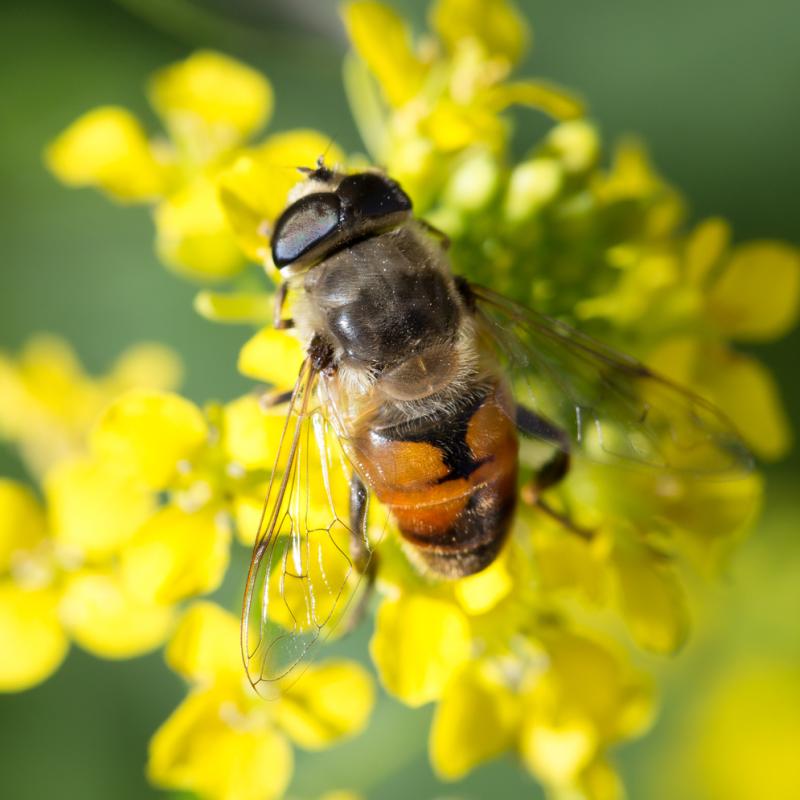
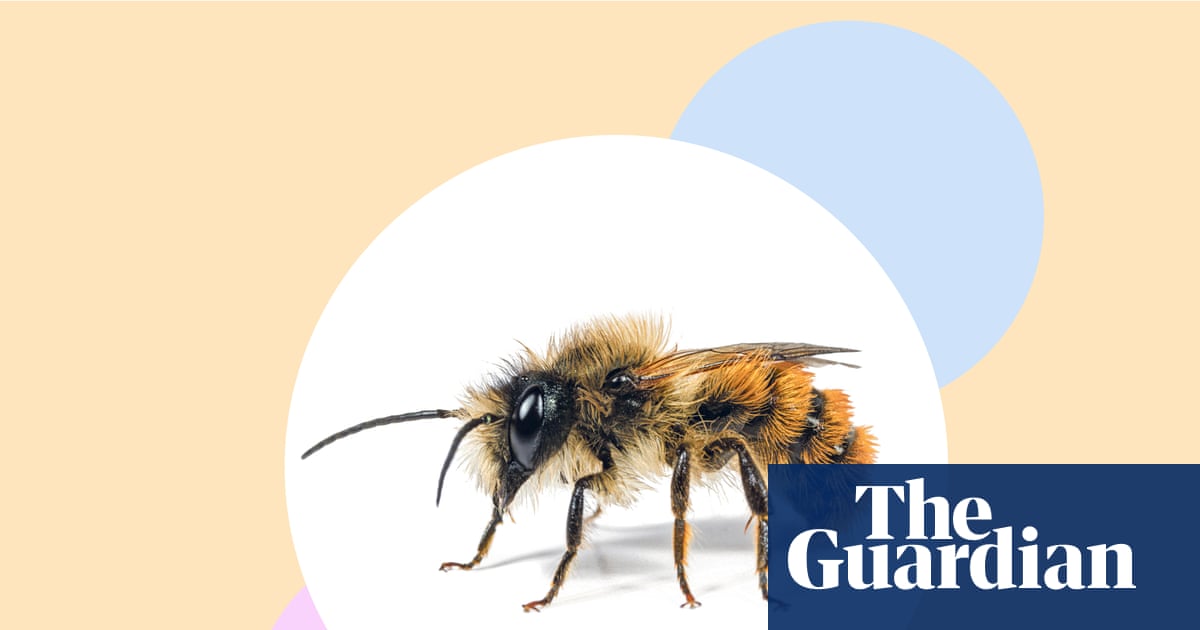
Meanwhile, there is a huge swathe of pollinators – about 270 species of solitary bee and 25 species of bumblebee – that are in real crisis and urgently need our help. Many of these threatened species are becoming rarer every year.