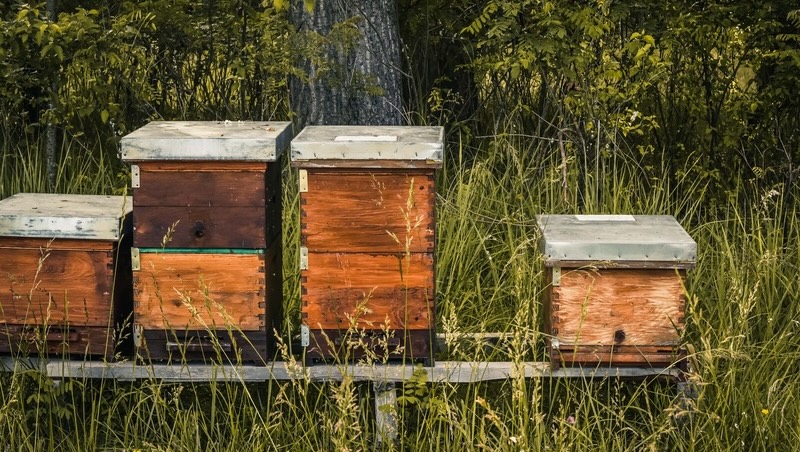
Over the past 150 years, honey bees have become the cornerstone of US agriculture. Beekeepers now crisscross the country in semi-trucks to pollinate our crops, towing thousands of bee colonies from one blooming pasture to the next like cattle ranchers on wheels.Article continues after advertisement
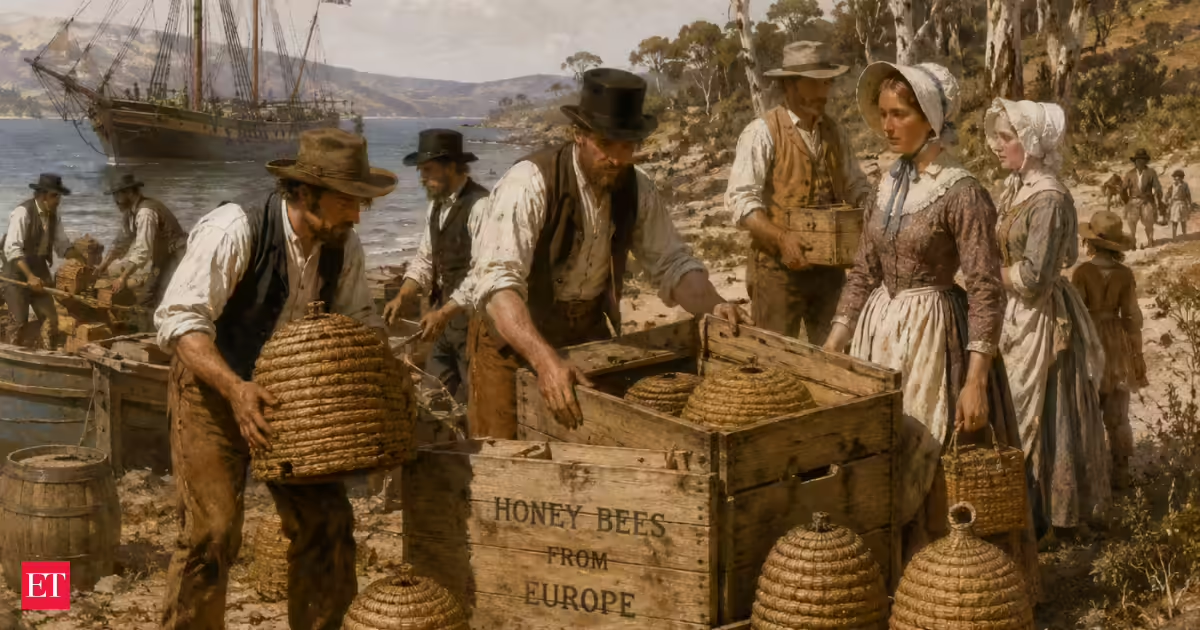
But it wasn’t always this way. Like the colonists who brought them, Western honey bees (Apis mellifera) aren’t native to the Americas. Over centuries, a series of migrations and innovations transformed beekeeping from a backyard hobby to a nationwide enterprise. Honey bees were domesticated to serve farms, and the fates of beekeepers and US agriculture became tightly intertwined.
Humans have been hooked on honey for thousands of years. Long before sugar was widely available, honey was often the only sweetener around—and we’ve gone to great lengths to get it. An 8,000-year-old cave painting in Spain shows a honey hunter dangling from a cliff, one arm deep inside a hive cavity, bees swarming as they harvest their prize. Ancient Egyptians documented early beekeeping in their art. By the Middle Ages, monks across Europe tended hives in monasteries and abbeys, not just for honey but also for beeswax candles and mead, a honey-based alcoholic drink. Honey and wax became staples of European trade.