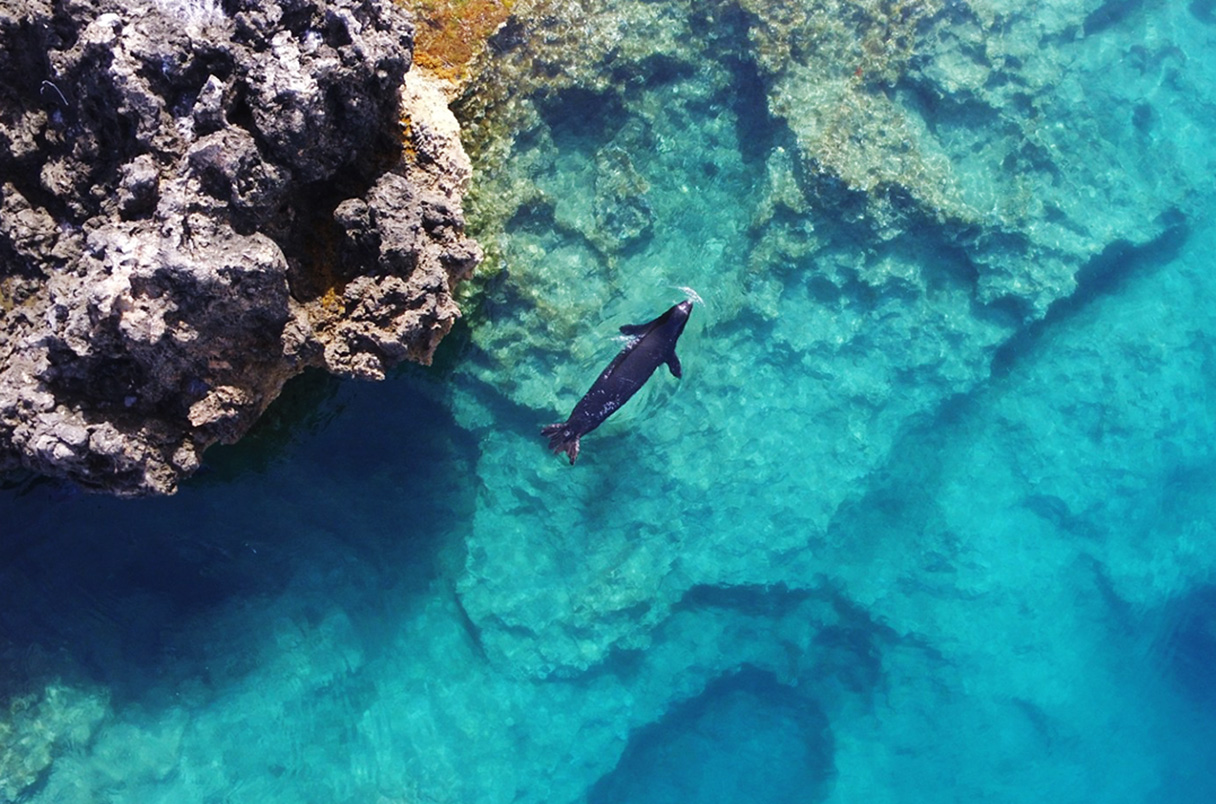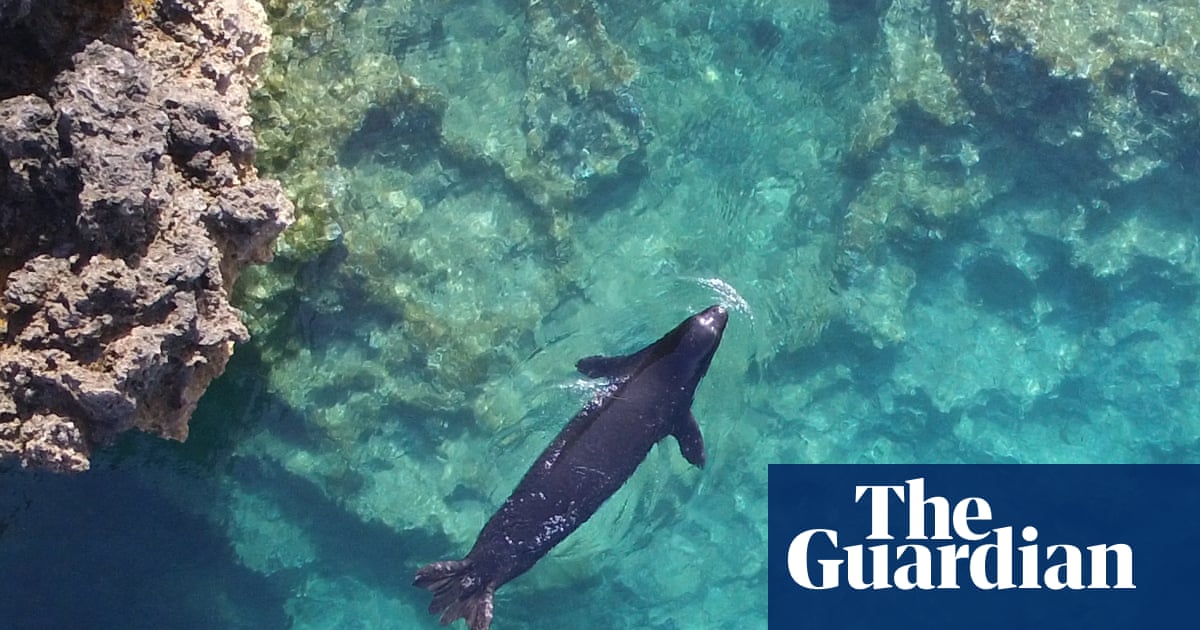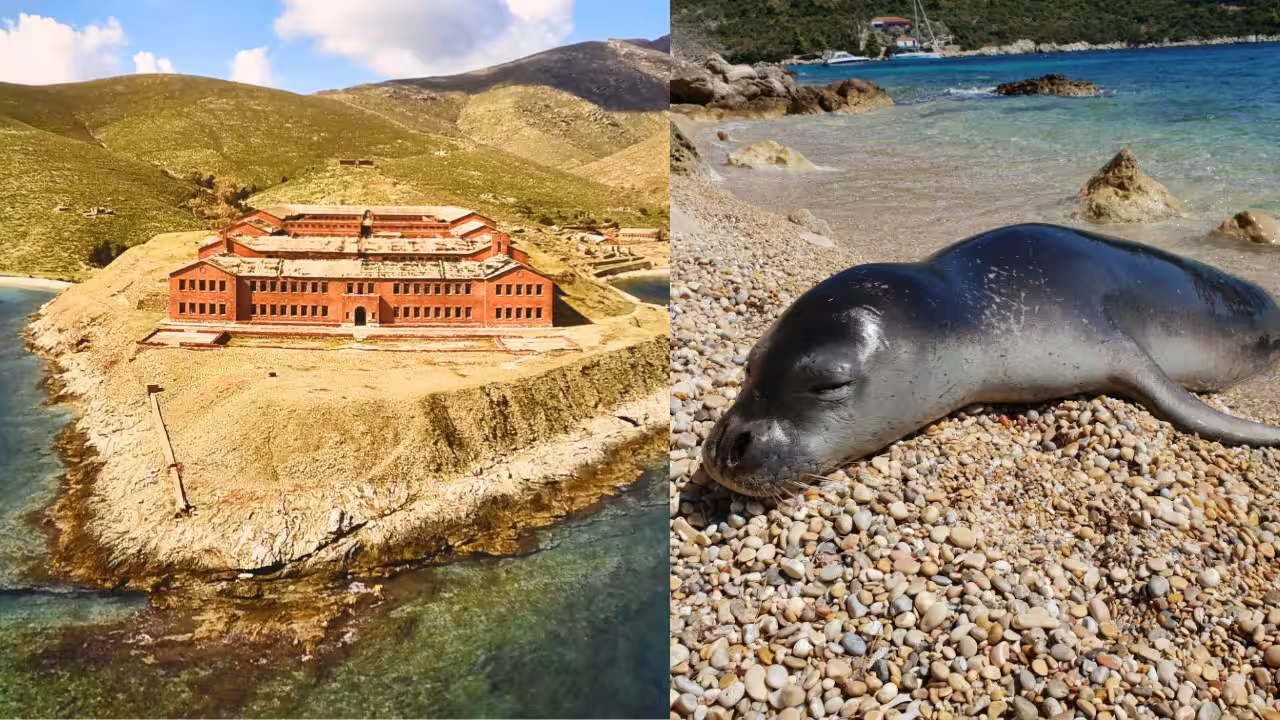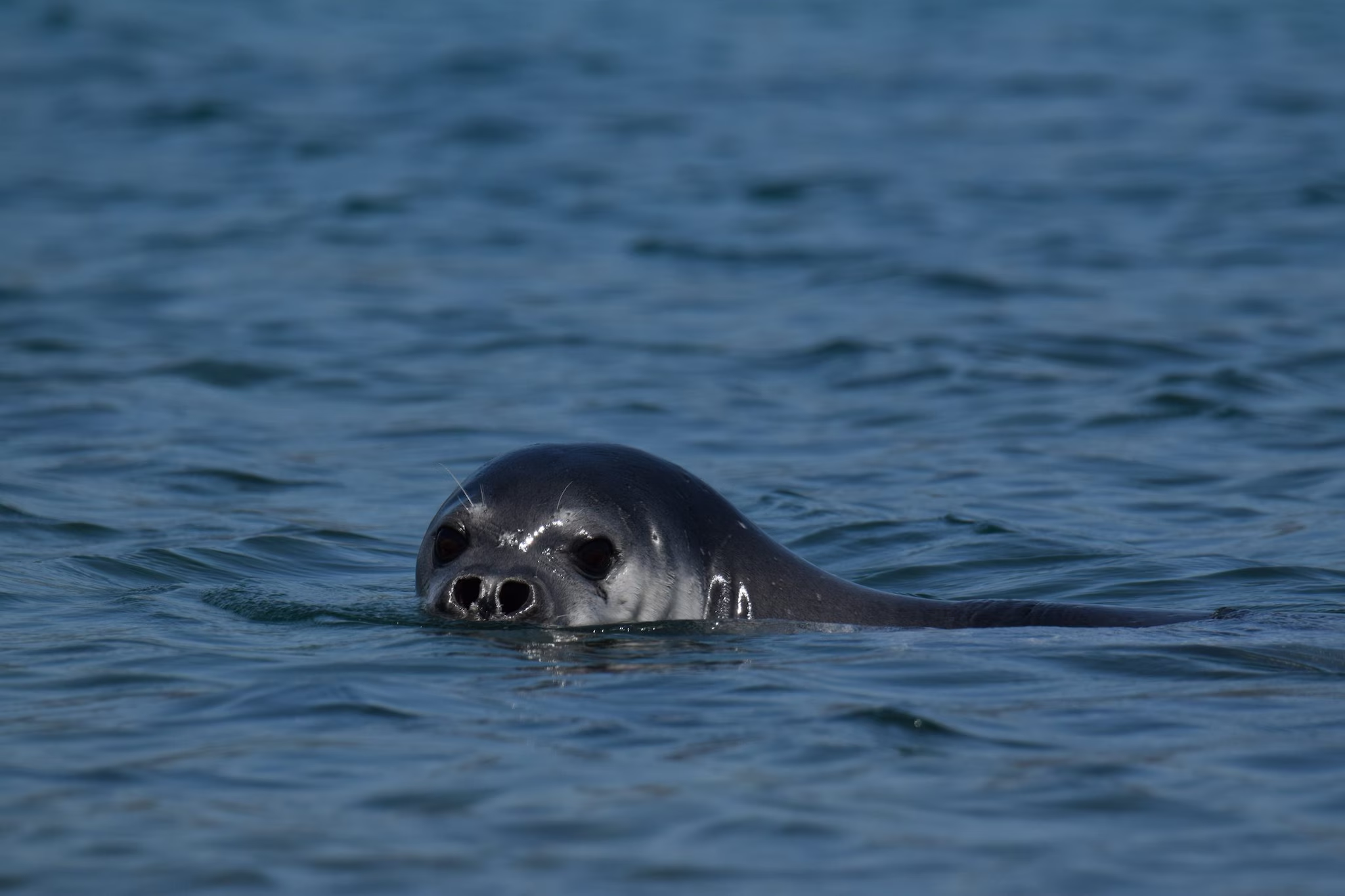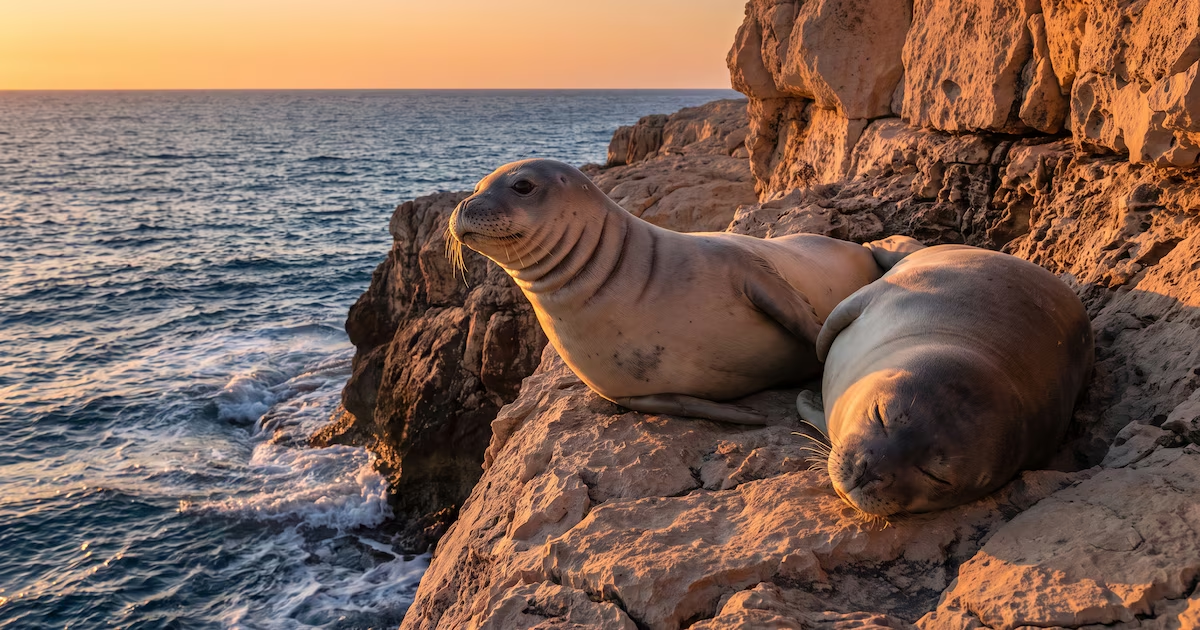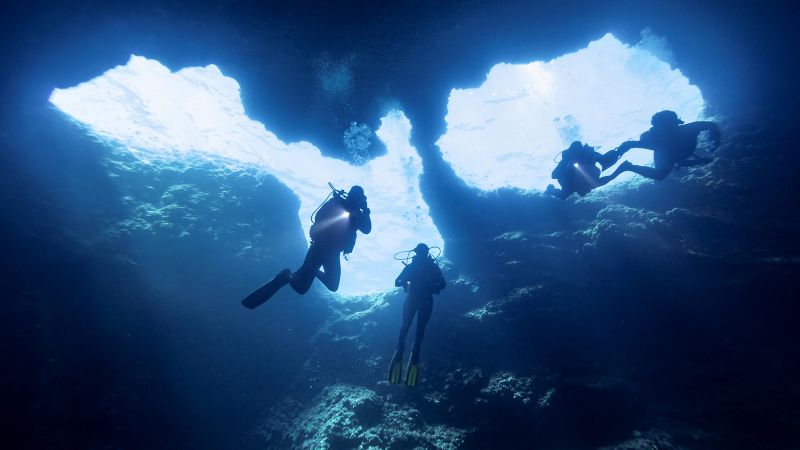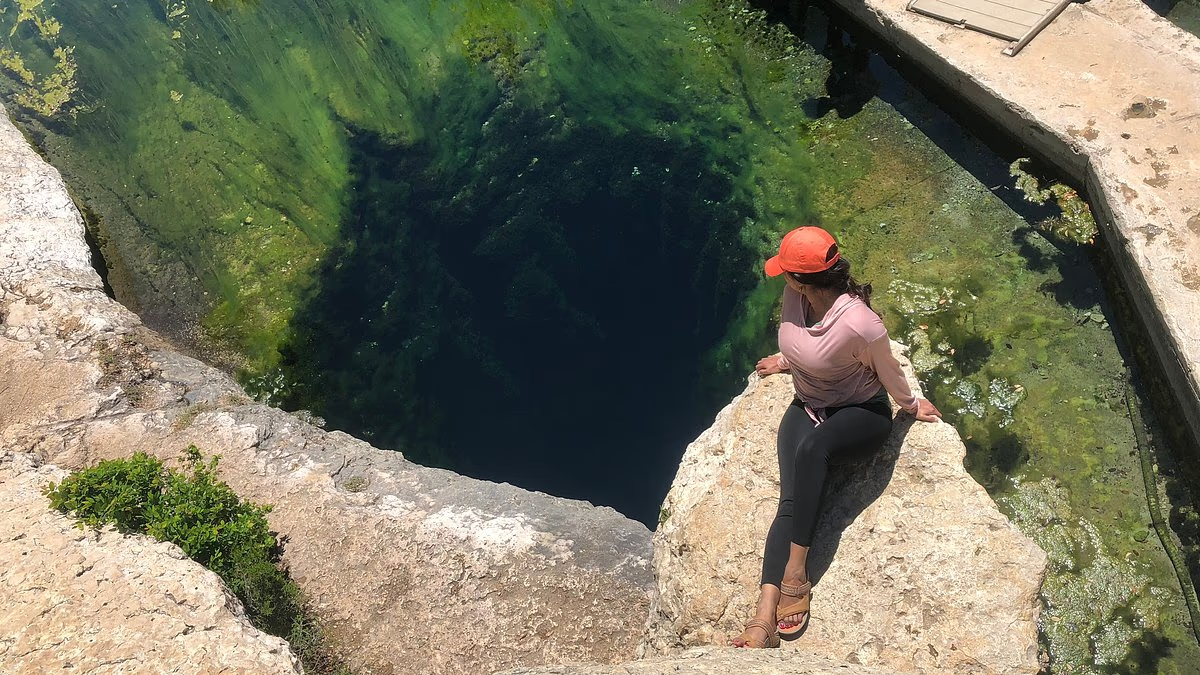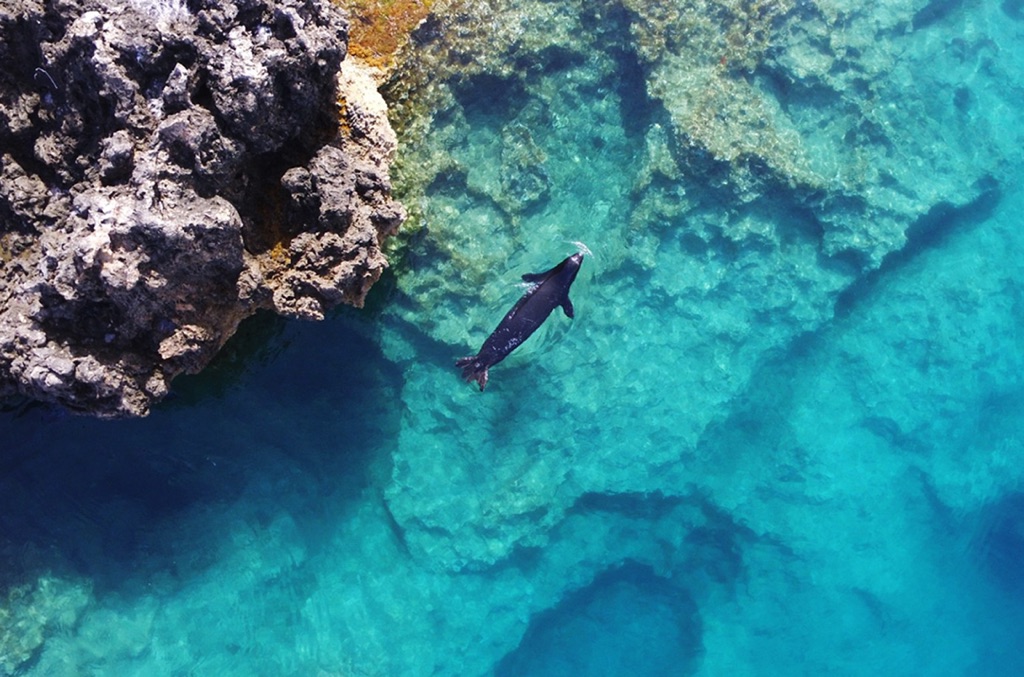
On the Greek islet of Formicula, researchers have found rare Mediterranean monk seals will take refuge in an air-filled “bubble cave,” according to a recent study. This type of hidden chamber, accessible via underwater passages, allows the seals to breathe, and possibly hide from tourists, the researchers said.
Mediterranean monk seals (Monachus monachus), the world’s rarest pinniped, are the only seals found in the Mediterranean Sea. Fewer than 1,000 of them remain, according to the IUCN, the global wildlife conservation authority.
Historically, these seals hauled out on open coastal beaches to rest, molt and give birth to pups. But with increasing human disturbance from tourism, fishing and land development, they retreated to marine caves along the Mediterranean coastline to rest and breed.
Study lead author Joan Gonzalvo of the Ionian Dolphin Project at the Tethys Research Institute in Italy described the “ideal cave” to Mongabay as one with a pool, a dry beach for hauling out, an entrance corridor and protection from adverse weather and choppy seas. Typically, these caves are accessible by entrances above or below water level.
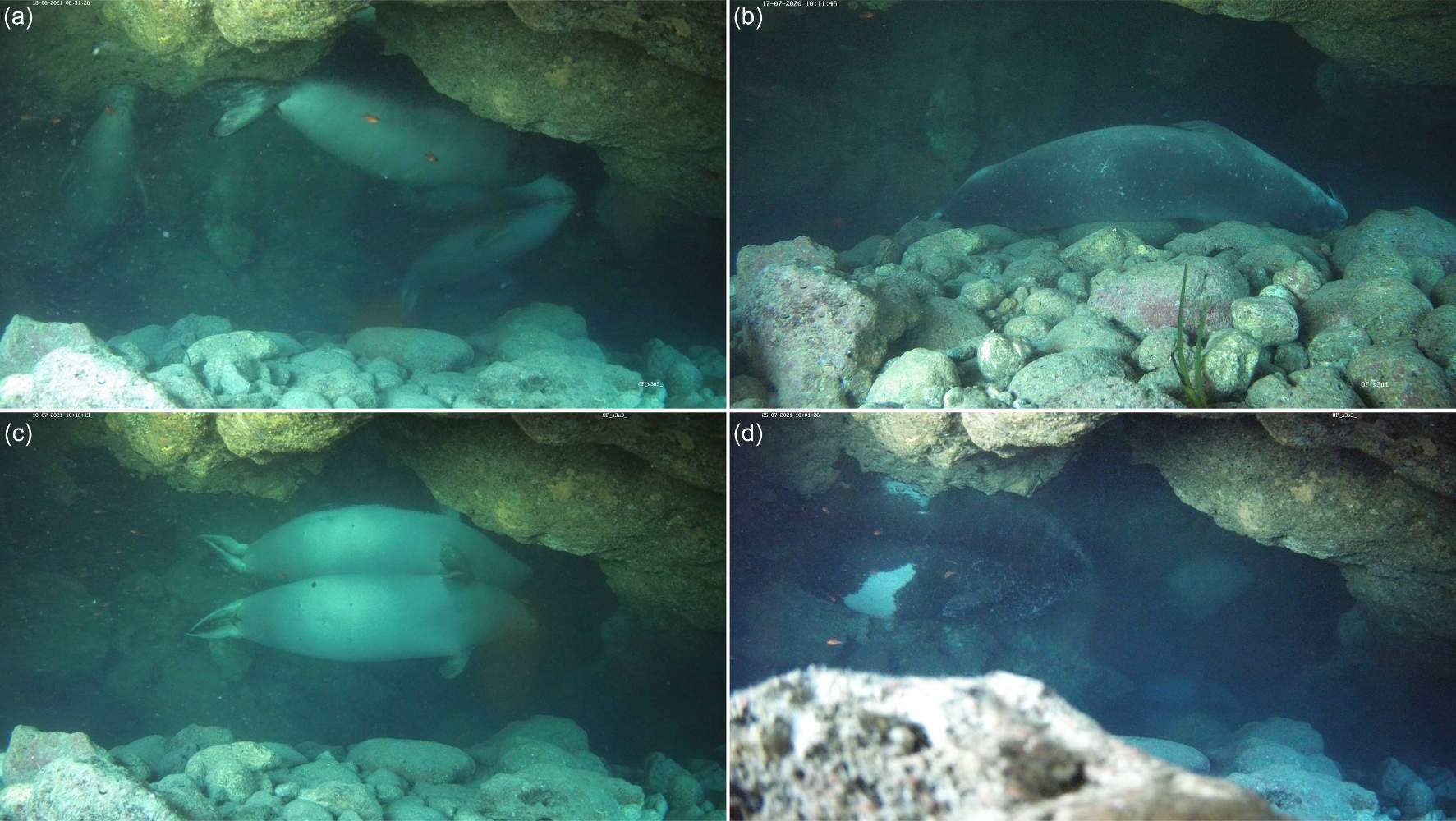
During a habitat assessment in the Inner Ionian Sea Archipelago, the team was setting up a camera to monitor one of these “comfortable” marine caves on Formicula when they discovered that an underwater corridor connected to it led to a second smaller chamber. This “bubble cave” had water and a pocket of air on top, but no dry beach or platform to haul out. The team placed an underwater camera in the bubble cave to monitor whether seals used it.