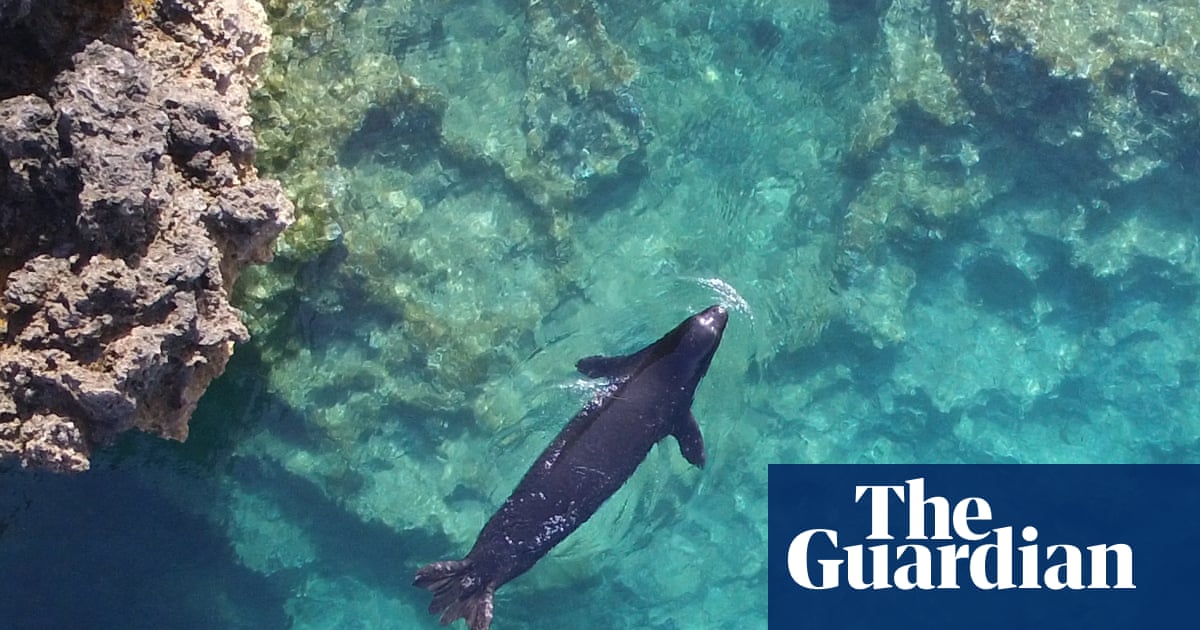
Greece is hoping that protected areas will help keep daytrippers away and allow vulnerable monk seals to return to their island habitats
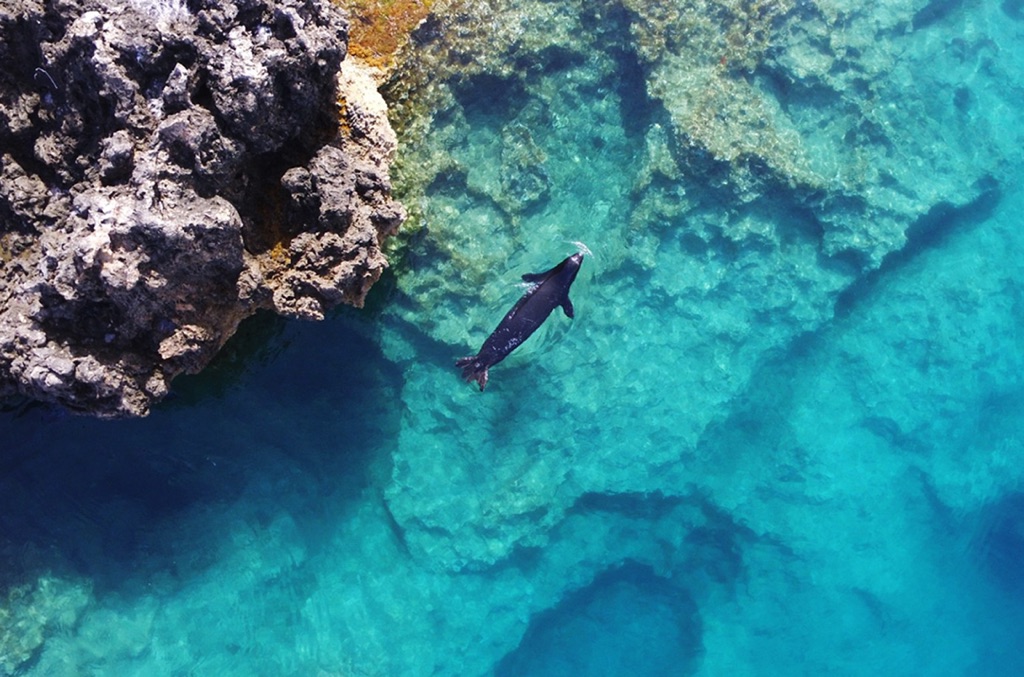
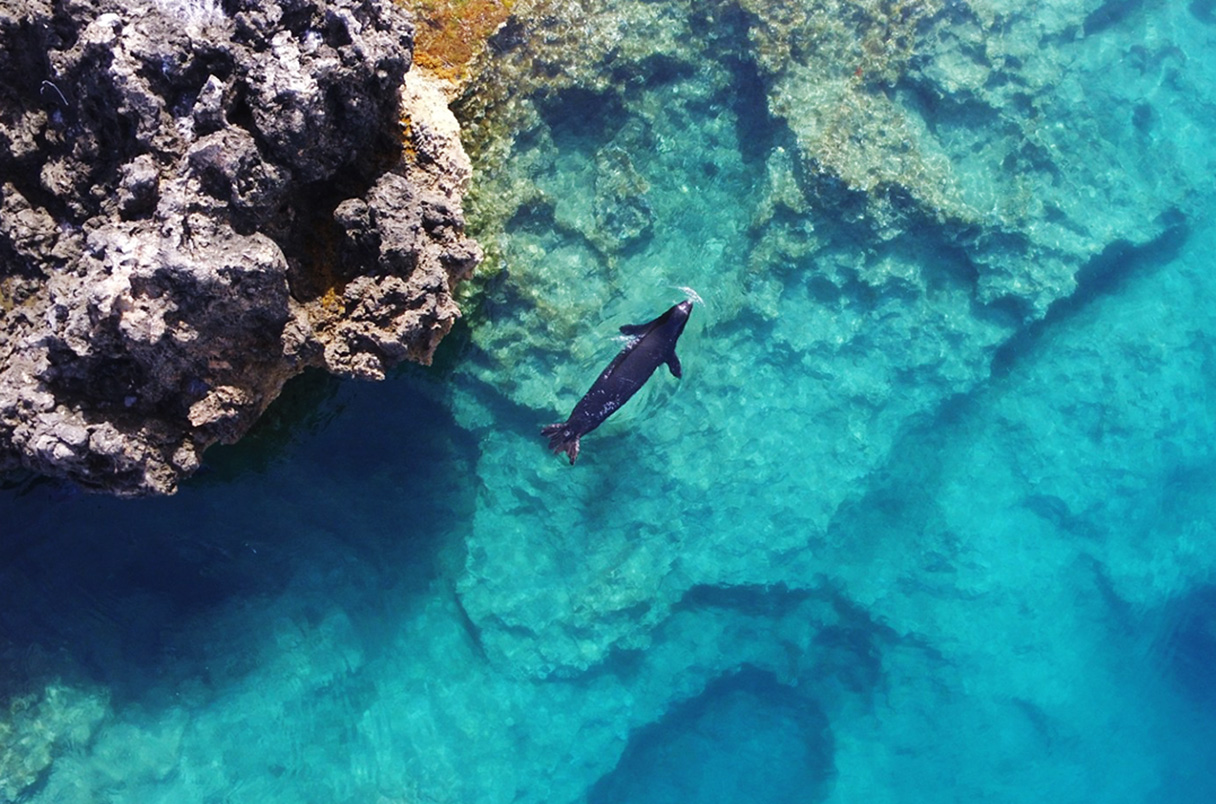
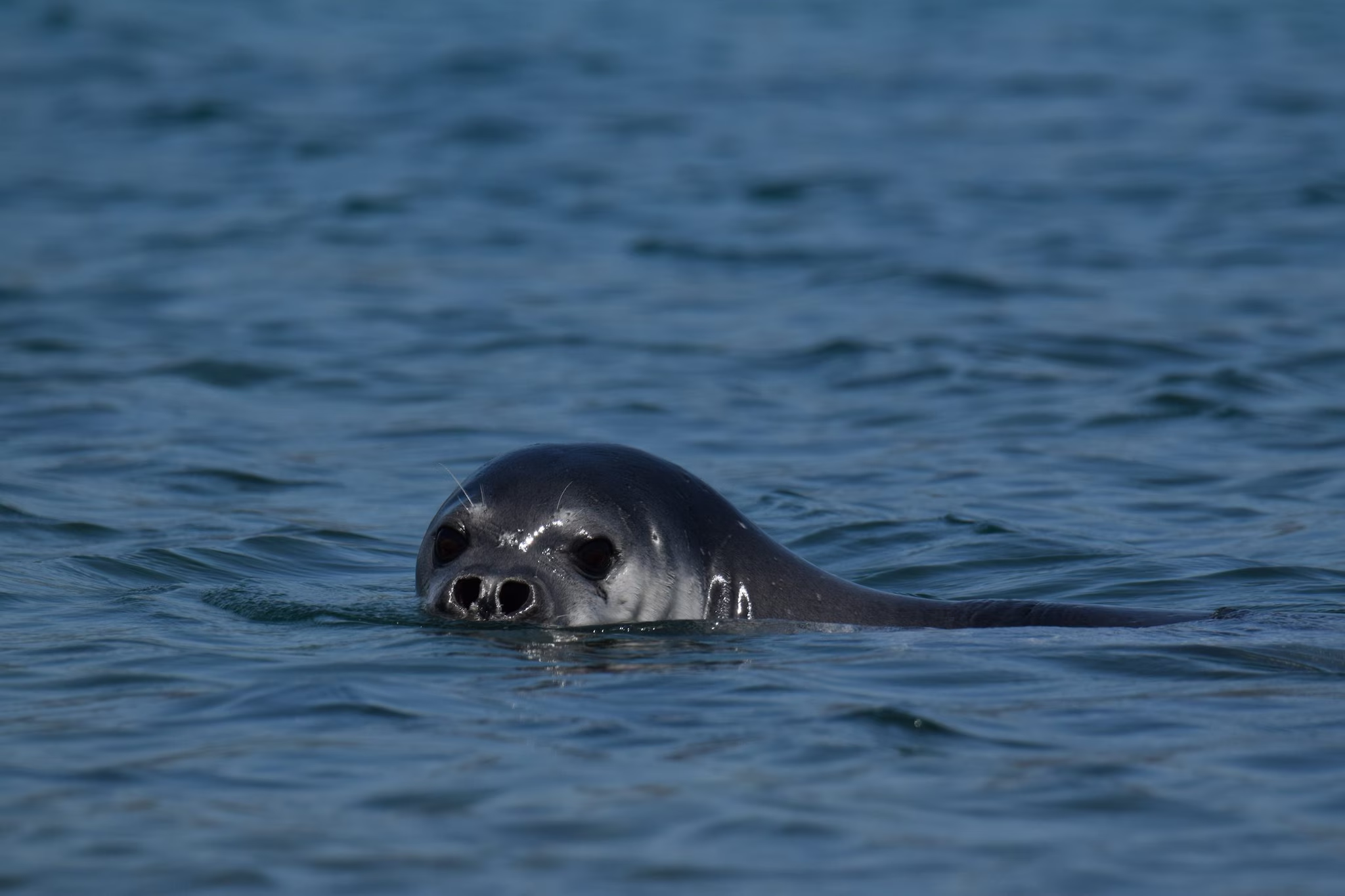
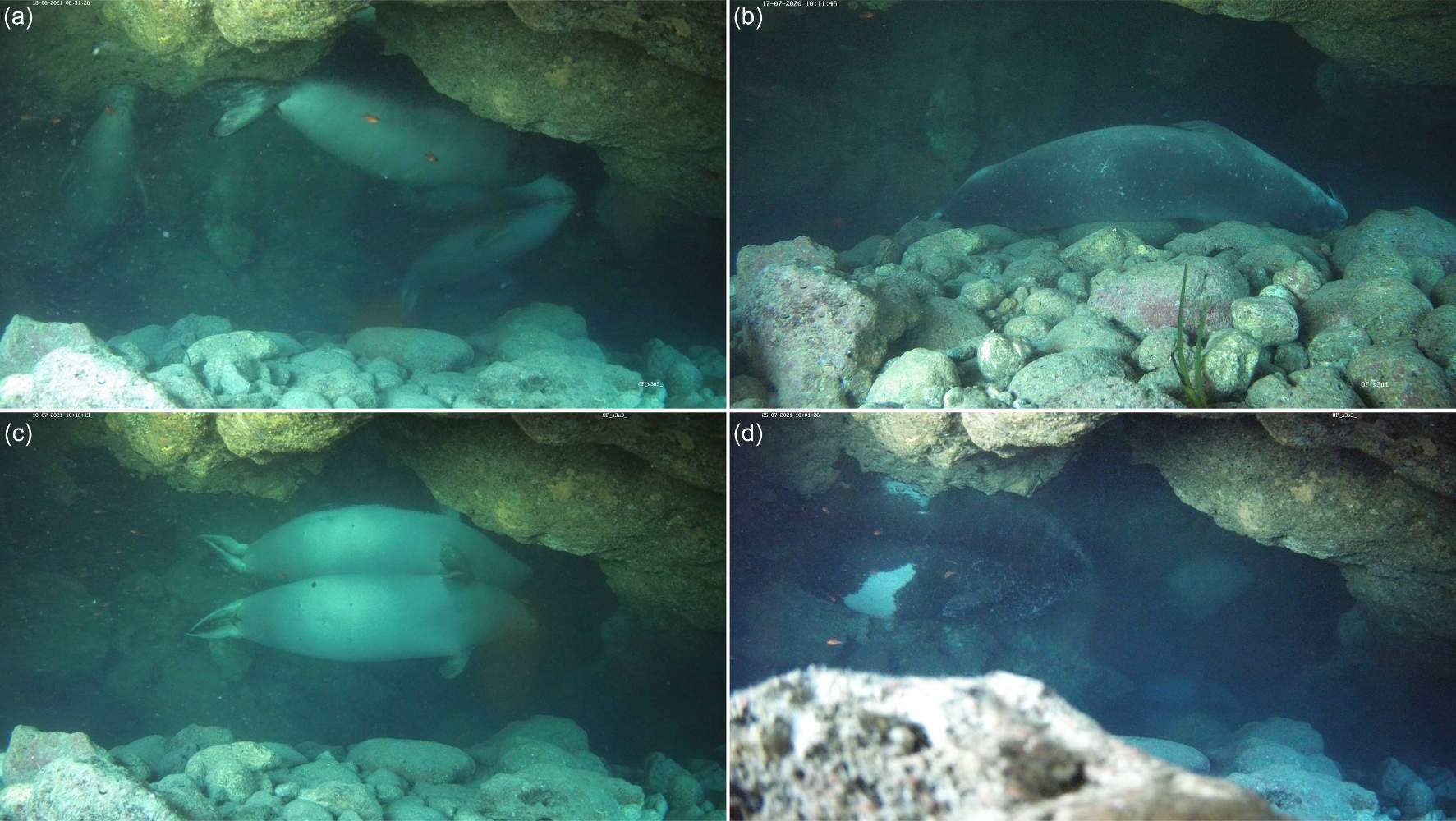
eep in a sea cave in Greece’s northern Sporades, a bulky shape moves in the gloom. Someone on the boat bobbing quietly on the water close by passes round a pair of binoculars and yes! – there it is. It’s a huge Mediterranean monk seal, one of the world’s rarest marine mammals , which at up to 2.8 metres and over 300kg (660lbs), is also one of the world’s largest types of seal.
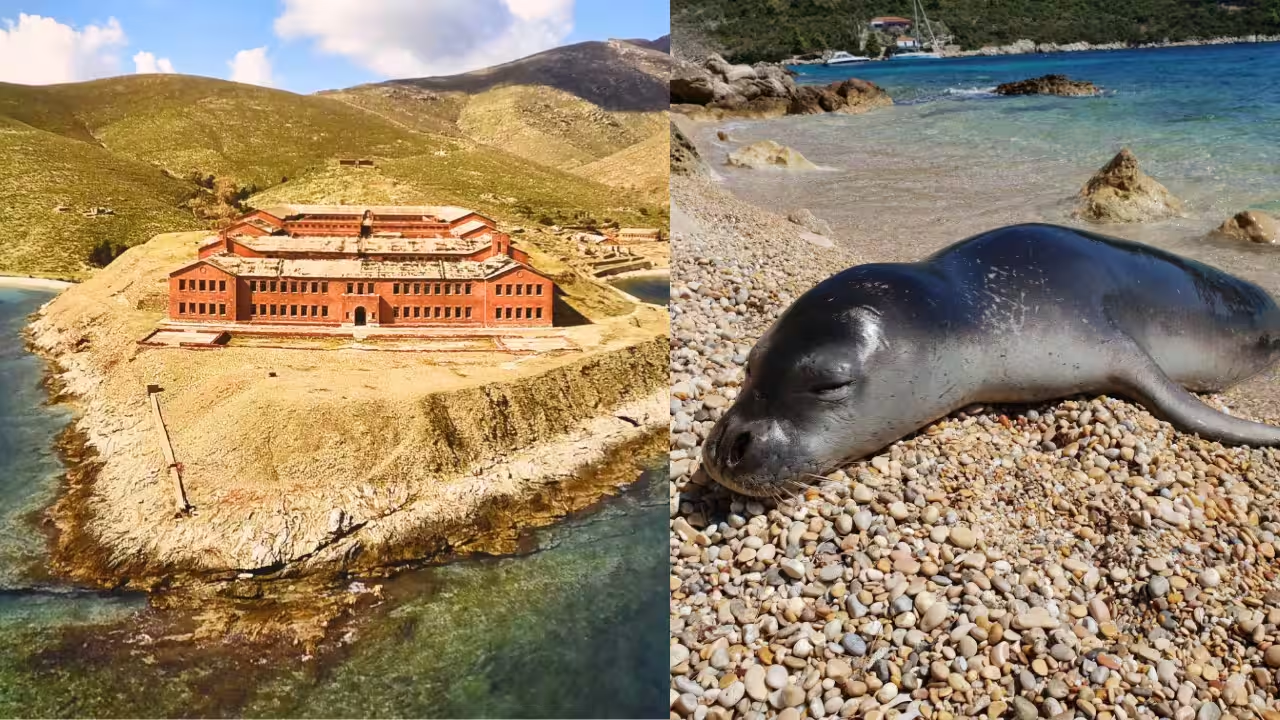
Piperi, where the seal has come ashore, is a strictly guarded island in the National Marine Park of Alonissos and Northern Sporades, Greece’s largest marine protected area (MPA) and a critical breeding habitat for the seals. Only researchers are allowed within three miles of its shores, with permission from the government’s Natural Environment and Climate Change Agency.
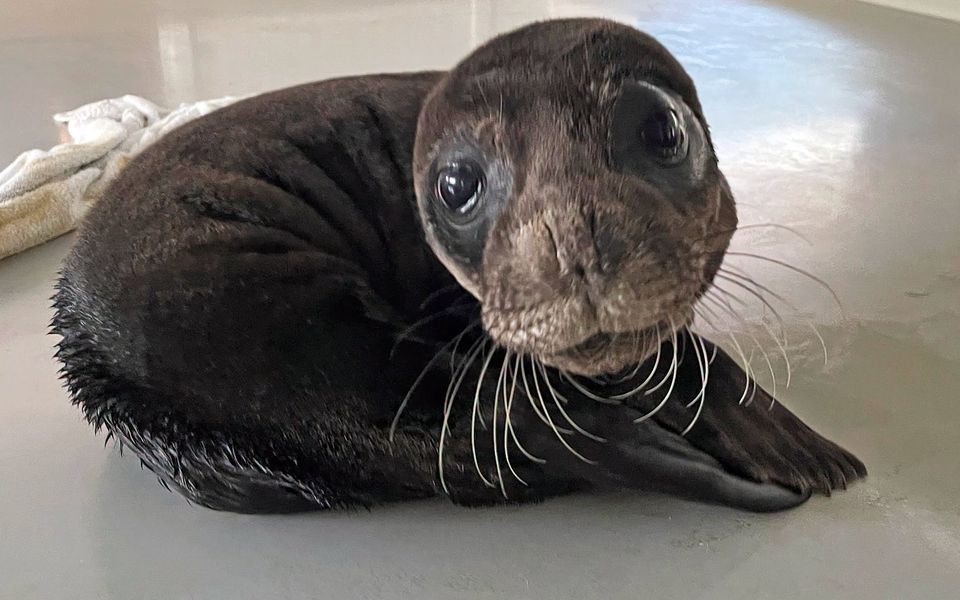
With a global population of under 1,000 individuals, Monachus monachus is listed as vulnerable on the IUCN Red List, reclassified from endangered in 2023, after decades of conservation efforts helped raise numbers. According to the Hellenic Society for Protection of the Monk Seal (MOm), Greece is home to about 500 monk seals (up from 250 in the 1990s), half of the global population, so has a uniquely important role to play in the future of these rare mammals. This seems fitting given that seals were once thought to have been under the protection of mythical gods Poseidon and Apollo and so have a special place in Greek culture.