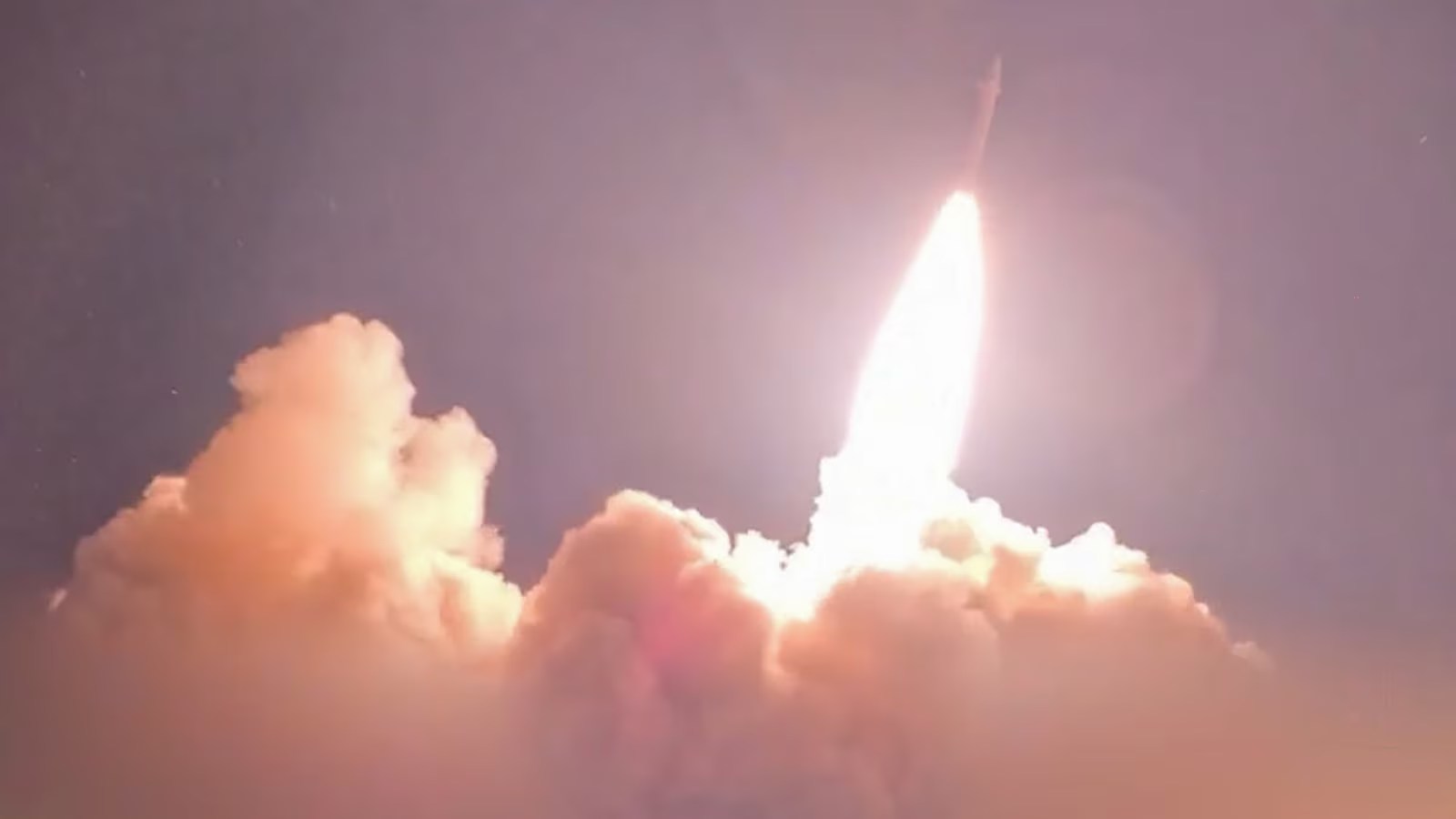
Afghanistan showed America’s allies what transactional power looks like in retreat. Iran now shows what it looks like in escalationUS President Donald Trump has repeatedly criticised Nato allies for failing to support the US-Israeli attack on Iran on 28 February, an escalation that led to the closure of the Strait of Hormuz - the world’s most critical energy artery - bringing misery to millions across the globe.
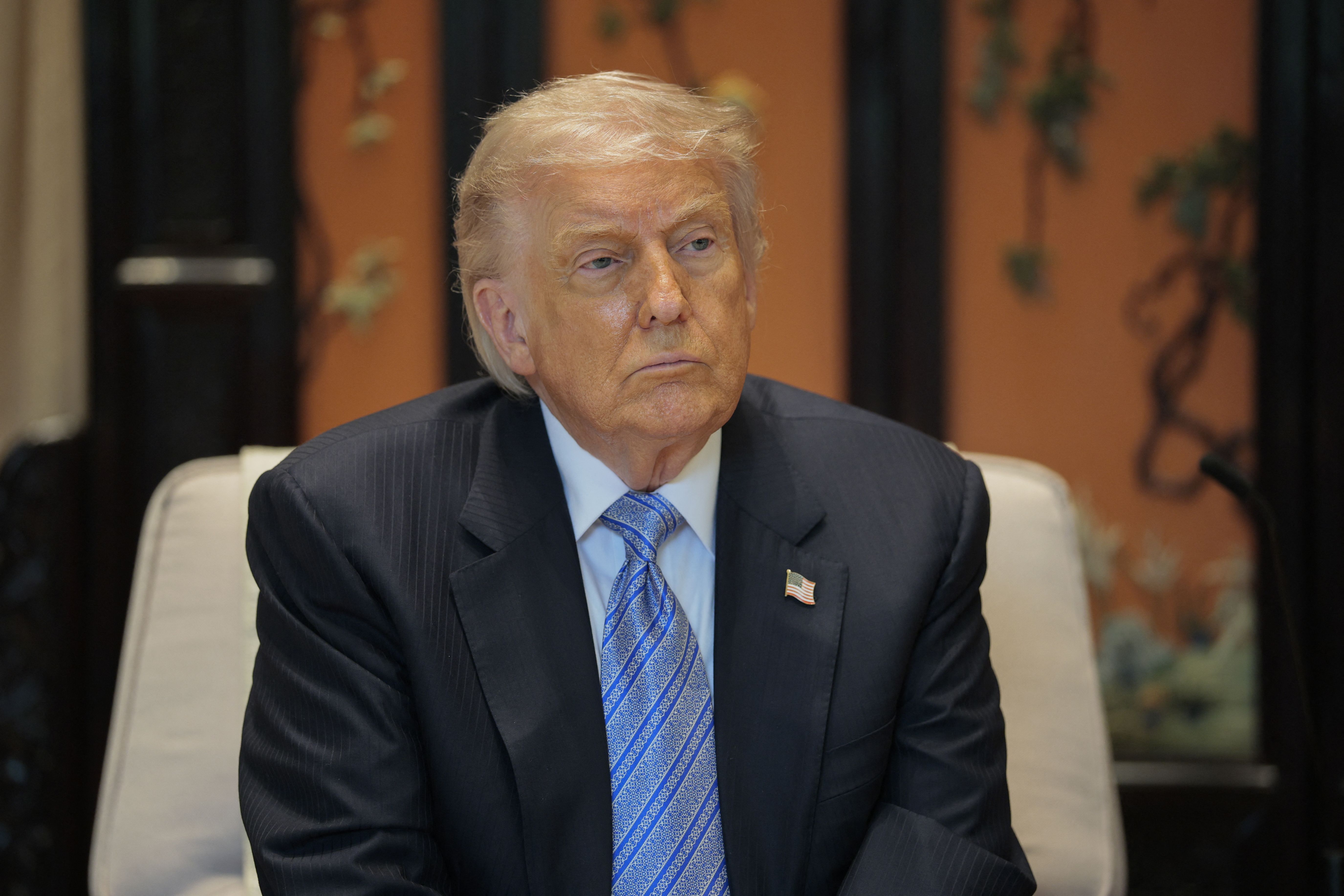
Trump has gone so far as to threaten his allies, especially Spain, over their intransigence.
In March, sitting in the White House, he warned that the US could “fly in” and use Spain’s military bases and cut off all trade. Last week, a leaked memo reported by Reuters suggested that Trump is considering expelling Spain from Nato.
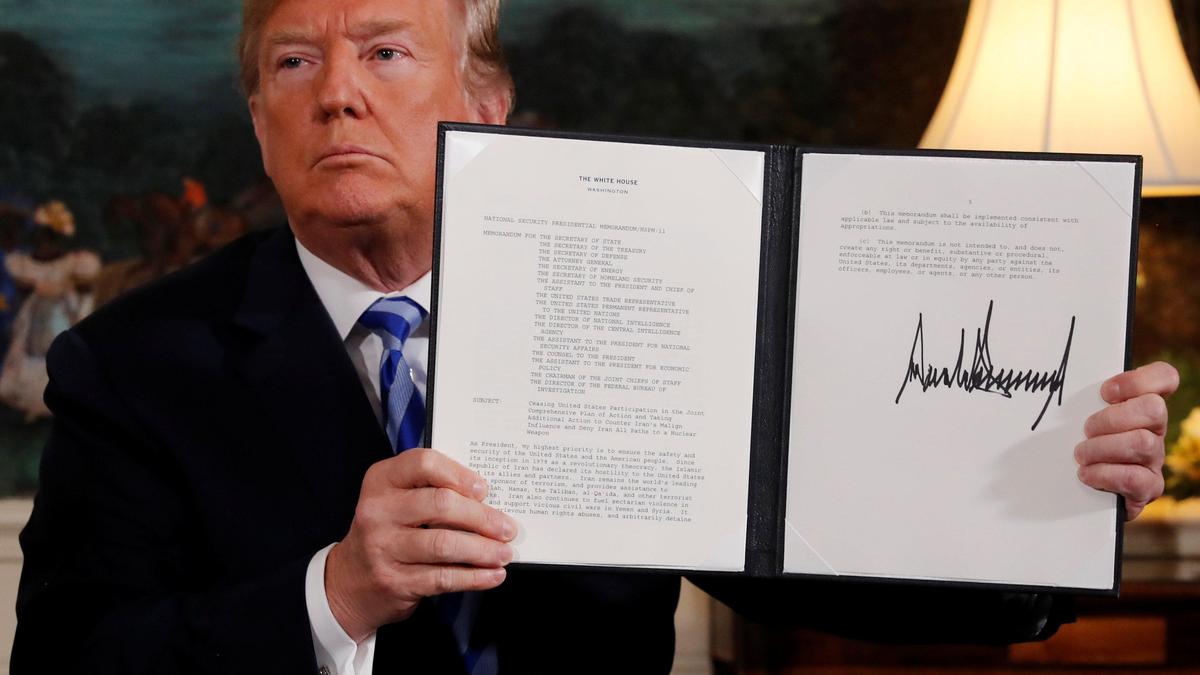
But what appears today as a rupture in US international relations under a pugnacious Trump administration is, in fact, the continuation of a policy forged during the Afghanistan withdrawal - when American diplomacy shifted from alliance-based coordination to transactional deal-making.
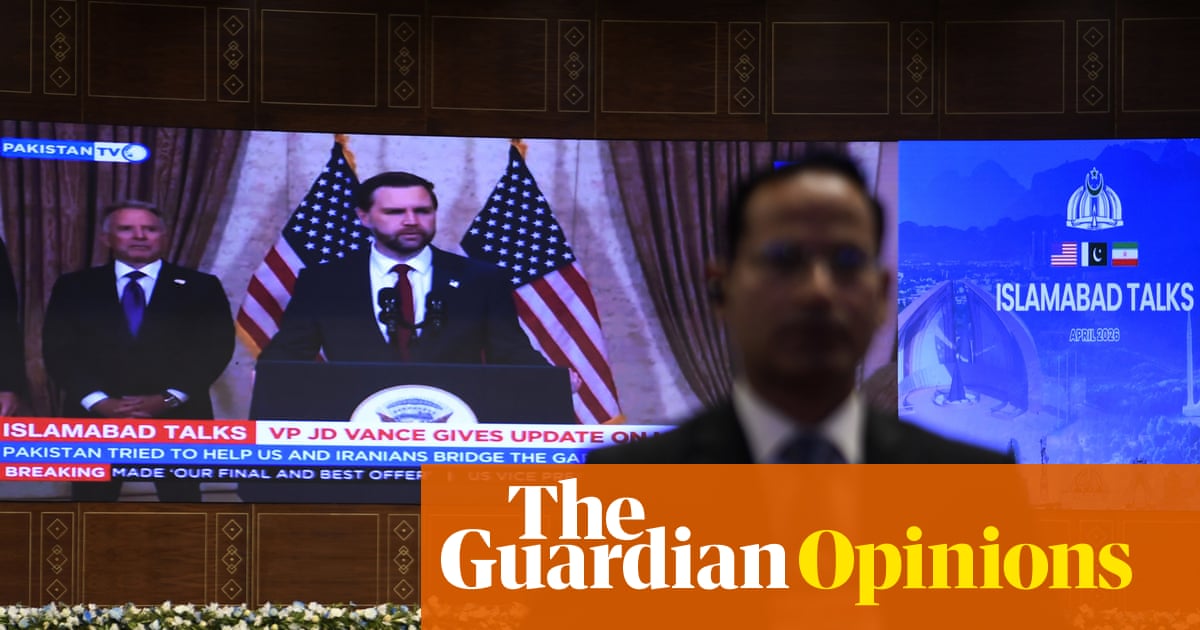
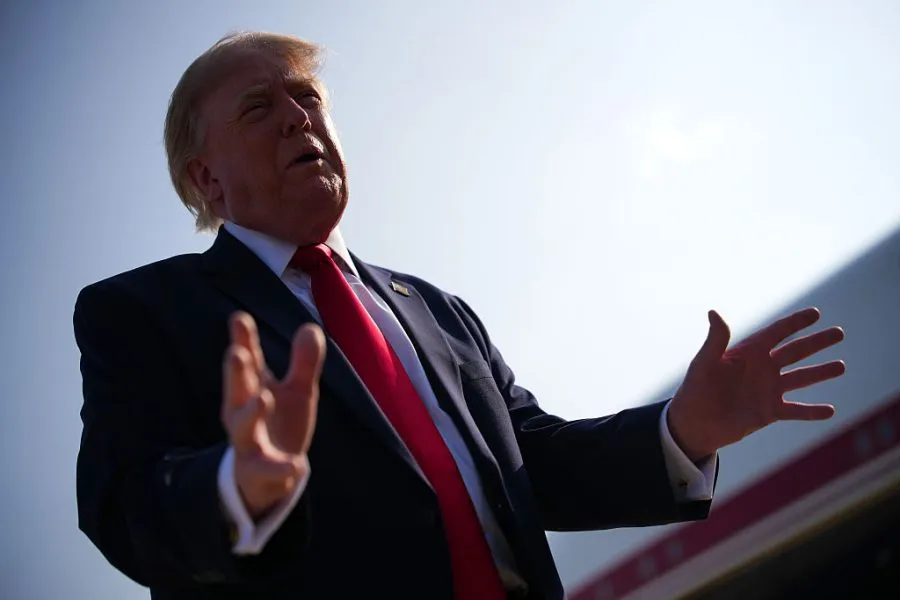
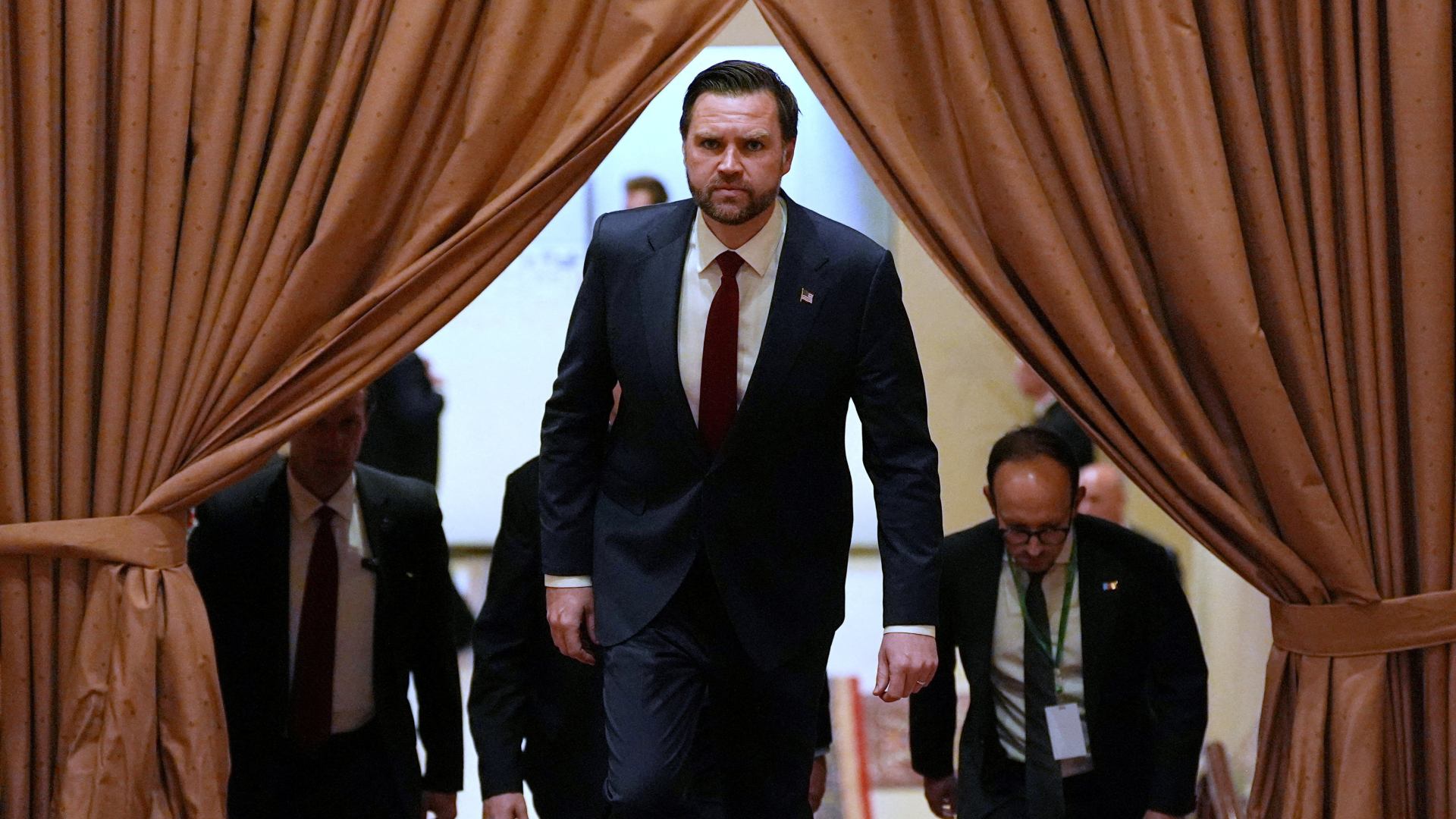
On the face of it, pursuing high-stakes negotiations while bypassing allies - as we are seeing now in the US-Iran war following US Vice-President JD Vance's talks with Iranian negotiators in Islamabad last month - may appear novel, expressed in its most brazen form when Trump said at a press conference in March: “We don't need anybody. We’re the strongest nation in the world.”