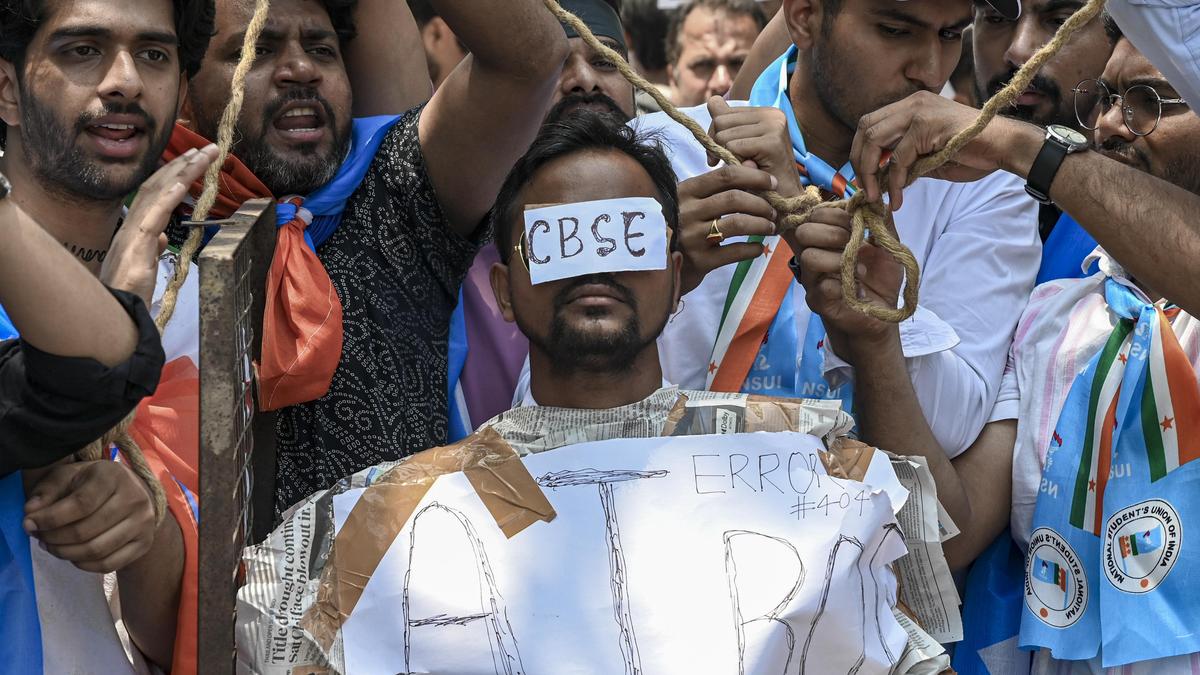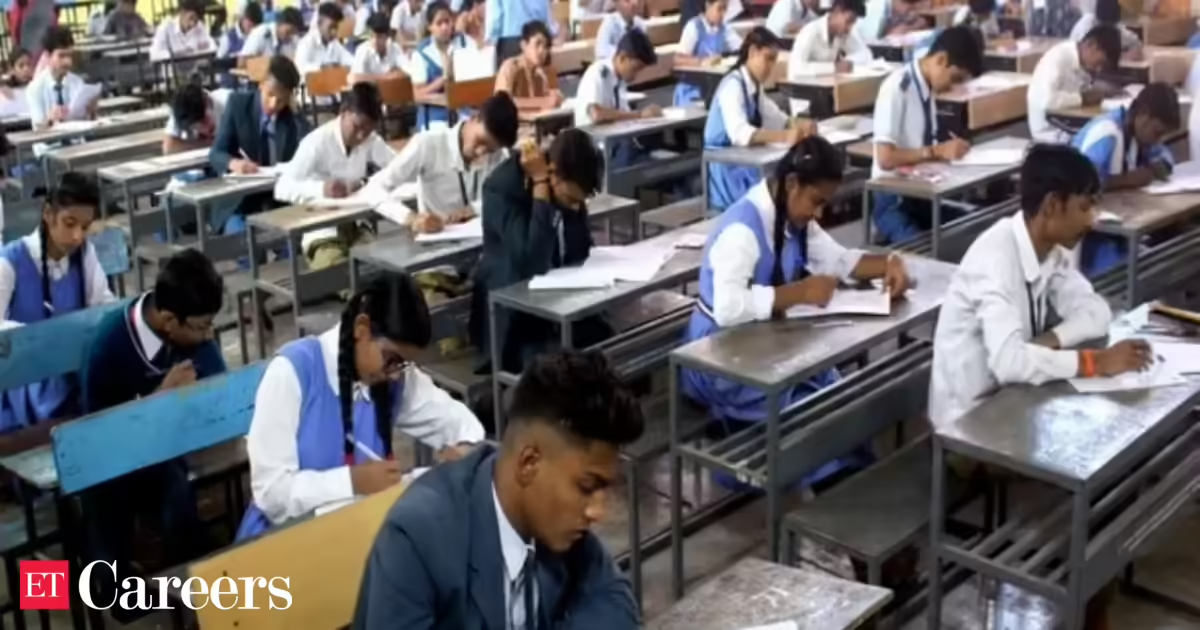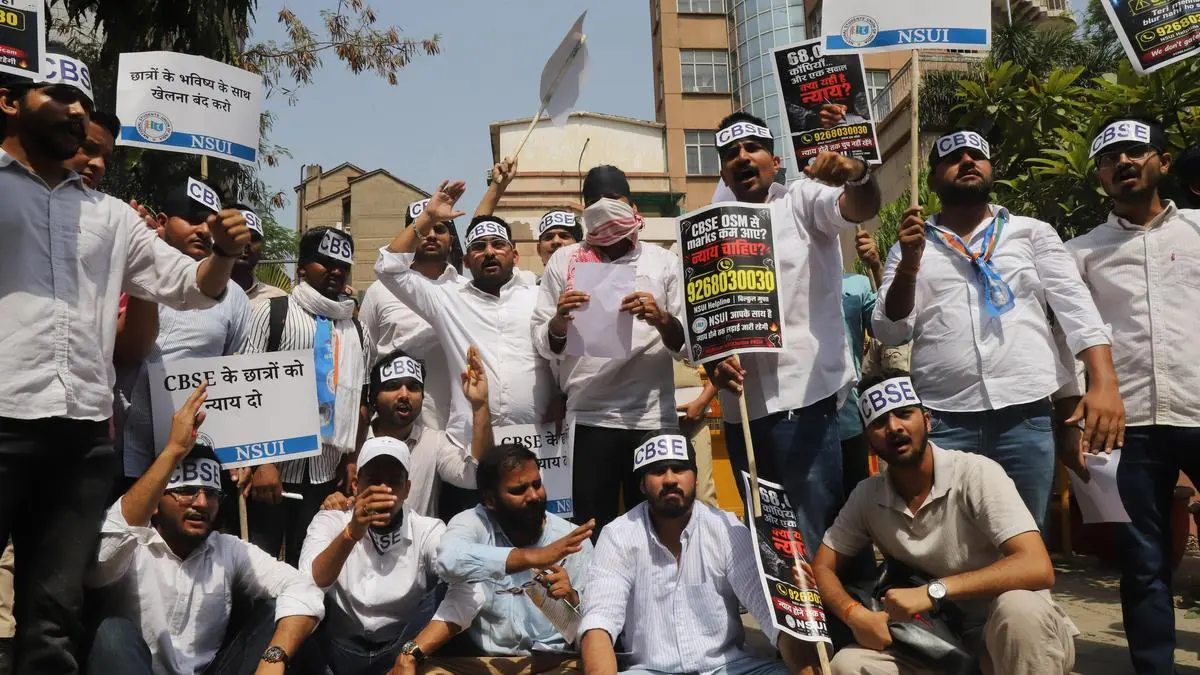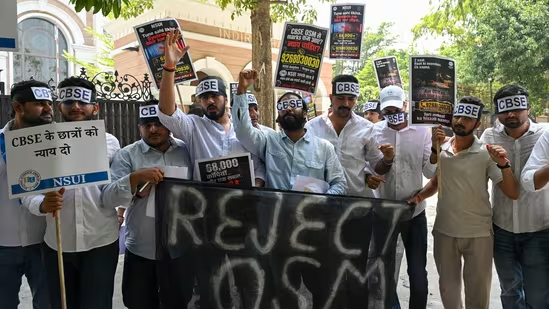
An internal observation report from a dry run of the Central Board of Secondary Education’s on-screen marking system, conducted at five Delhi schools in January 2026, flagged at least 36 technical, operational and evaluation-related concerns — including risks of “blind or superficial checking”, weakened supervisory oversight, absence of safeguards against data loss and a finding that the system offered no opportunity for evaluators to deliberate or arrive at a consensus on marks — weeks before the board deployed it at national scale for Class 12 board examinations.Report flagged concerns after CBSE OSM dry runThe report, seen by HT,was authored by internal observers and submitted to the board on January 21.A FAQ document CBSE issued in May — after results triggered controversy— indicates the board would have been aware of at least some of the issues: several of the safeguards it said it had taken are reflected in the concerns flagged in January.CBSE did not respond to HT’s queries on the observation report or its findings. An official said the board’s FAQ had described the dry run as providing “a blueprint of what modifications were needed in the system.”What the report flaggedThe report warned that the system “does not provide opportunities for evaluators to interact, deliberate, or arrive at a consensus while allotting marks, which is essential for fair and standardized assessment.”It flagged a “risk of superficial evaluation”, recording that “answer scripts were submitted after adding annotations and assigning arbitrary marks without a comprehensive reading, leading to instances of blind or superficial checking.”The report also flagged the absence of “a mechanism enabling additional head examiners (AHEs) to return answer scripts to evaluators when multiple errors are detected, allowing re-evaluation and correction before final submission.”AHEs were also “unable to review answer scripts of their choice, as the application assigns scripts automatically, limiting effective monitoring and quality assurance.”Two specific findings recorded in the report capture the breakdown: “Remarks Not Visible to AHE Even After Verification” and “No Provision for Viewing Modifications on HE Portal.”Technical limitations compounded the problem. The report flagged sluggish performance during step marking, absence of auto-save, inability to view question papers and marking schemes simultaneously, instances where student written content was hidden behind digitally entered marks, subject-code inconsistencies and no provision for question-mark grading for incomplete responses. It also recorded “noticeable reluctance” among evaluators to assess additional copies because of “increased cognitive load, time consumption, and operational challenges”, and warned that long answers were “not segregated into logical parts”, increasing the likelihood of inconsistency and fatigue.What the FAQ said CBSE’s May 18 FAQ document, titled ‘Know About OSM’, was issued as student complaints over scores gathered momentum. Several safeguards track closely against the January report’s warnings.The FAQ said a save option had been added, the mark deletion process altered, and the issue of marks hiding written content fixed. It said net speed issues were resolved using high-capacity servers. The dry-run report had flagged all of these.A principal and chief nodal supervisor (CNS) from a CBSE-affiliated Delhi school told HT the supervisory structure under OSM bore little resemblance to the manual system it replaced. Under manual evaluation, subject-specific centres operated with teams of around 20 — HEs, AHEs for coordination and evaluation review, and evaluators — under the oversight of a subject-aligned CNS.AHEs could independently select any answer script for moderation whenever discrepancies were noticed.Under OSM, HEs received only two scripts per day for review and AHEs three to five, automatically assigned through the portal, with no ability to independently select scripts for critical review, the Delhi-based CNS quoted above said.
Report flagged concerns after CBSE OSM dry run
A CBSE report flagged 36 concerns during a dry run of its on-screen marking system, including risks of superficial checking and lack of evaluator interaction. | India News
590 words~3 min read