‘A disease you get when you care for someone’: WHO on the Ebola frontline
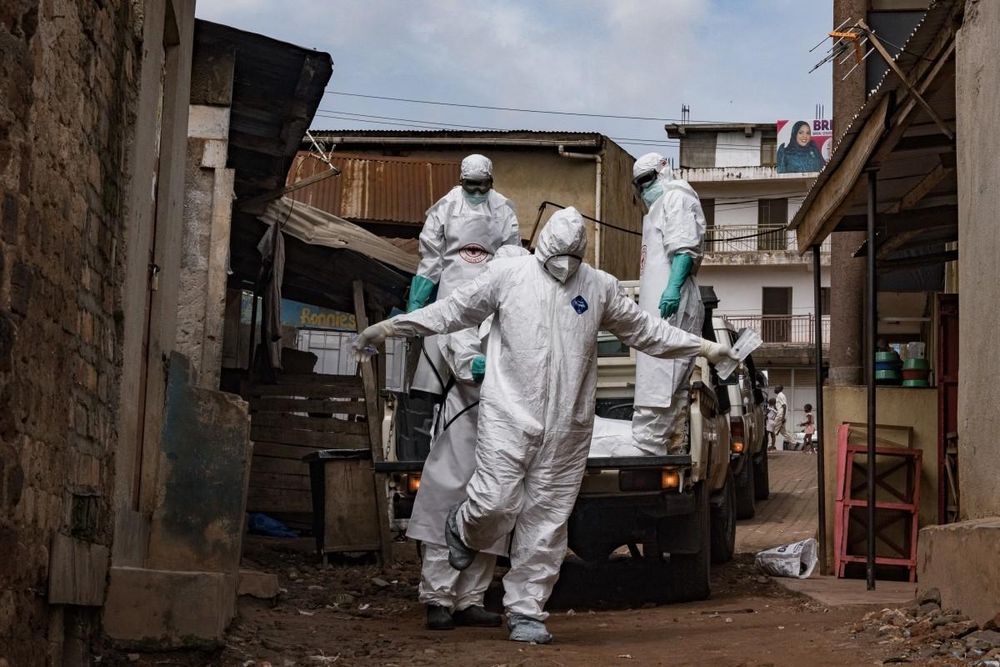
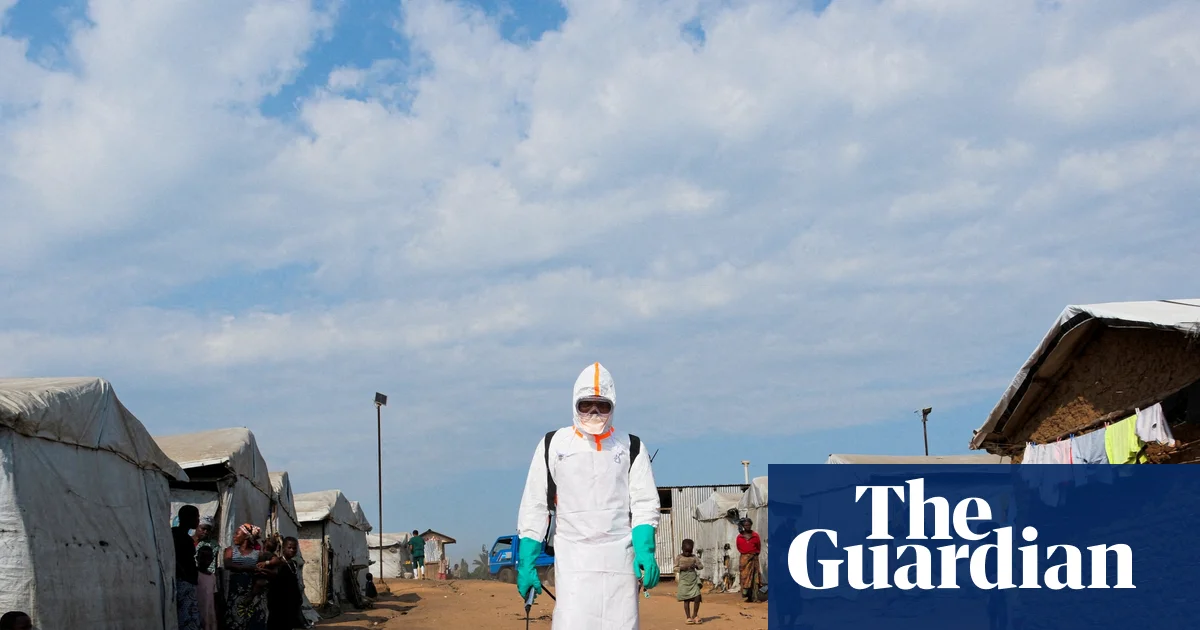
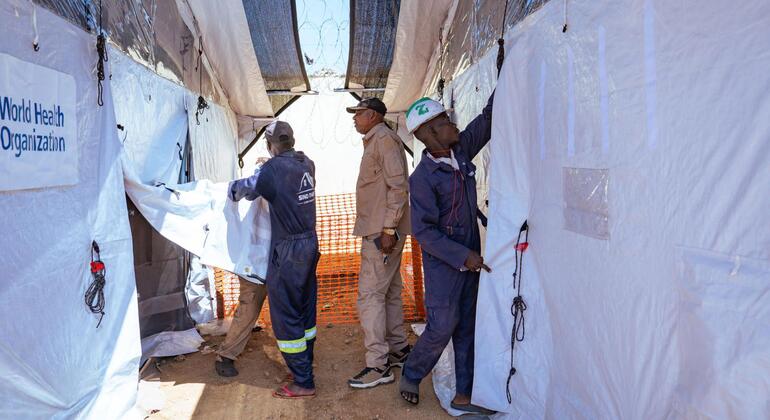
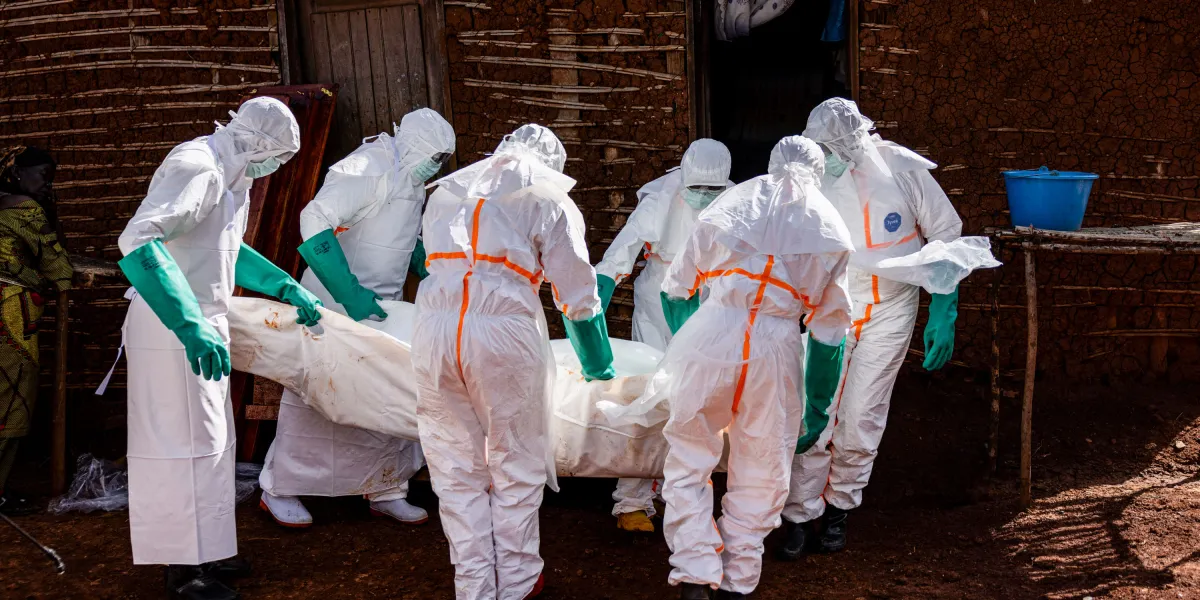
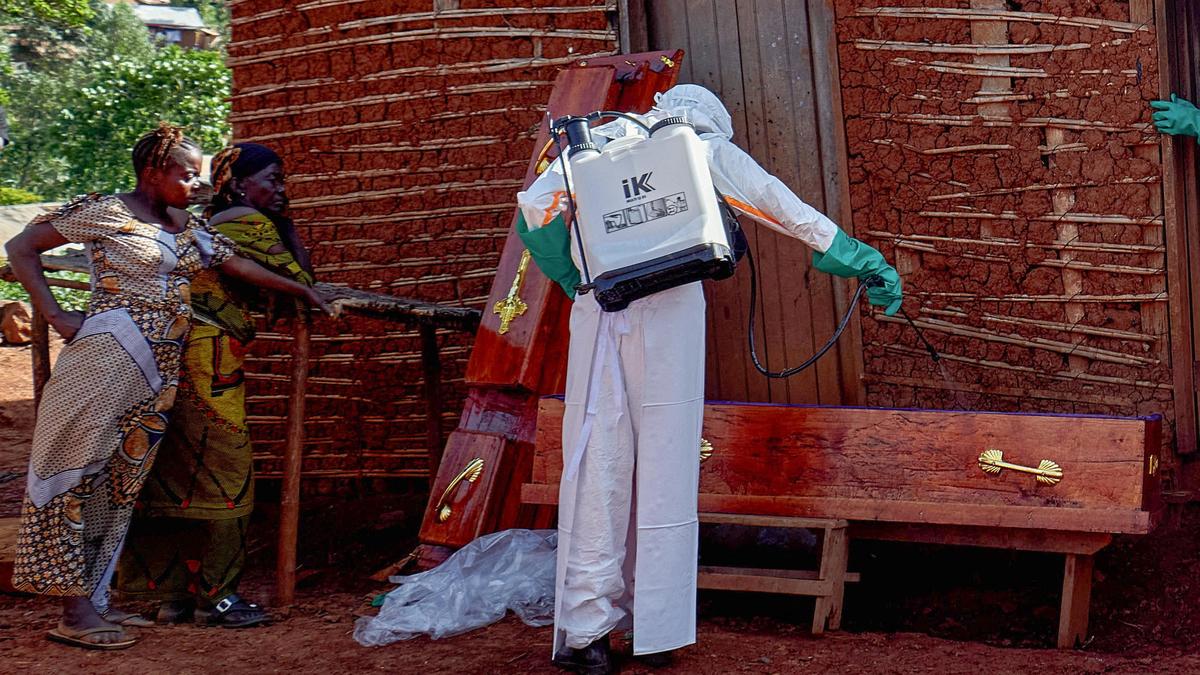
Early detection and community mobilisation remain critical to saving lives, as potential treatments and vaccines are being still being assessed, the UN health agency said on Friday.Since 15 May, UN agencies have been supporting both the DRC and neighbouring Uganda to contain the outbreak caused by the rare Bundibugyo strain of the Ebola virus, which spreads through close contact.
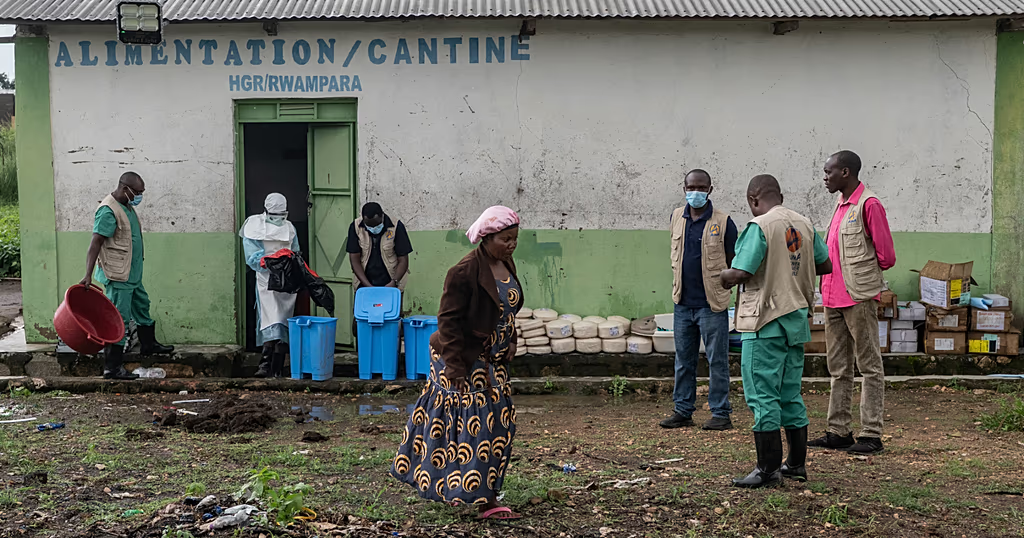
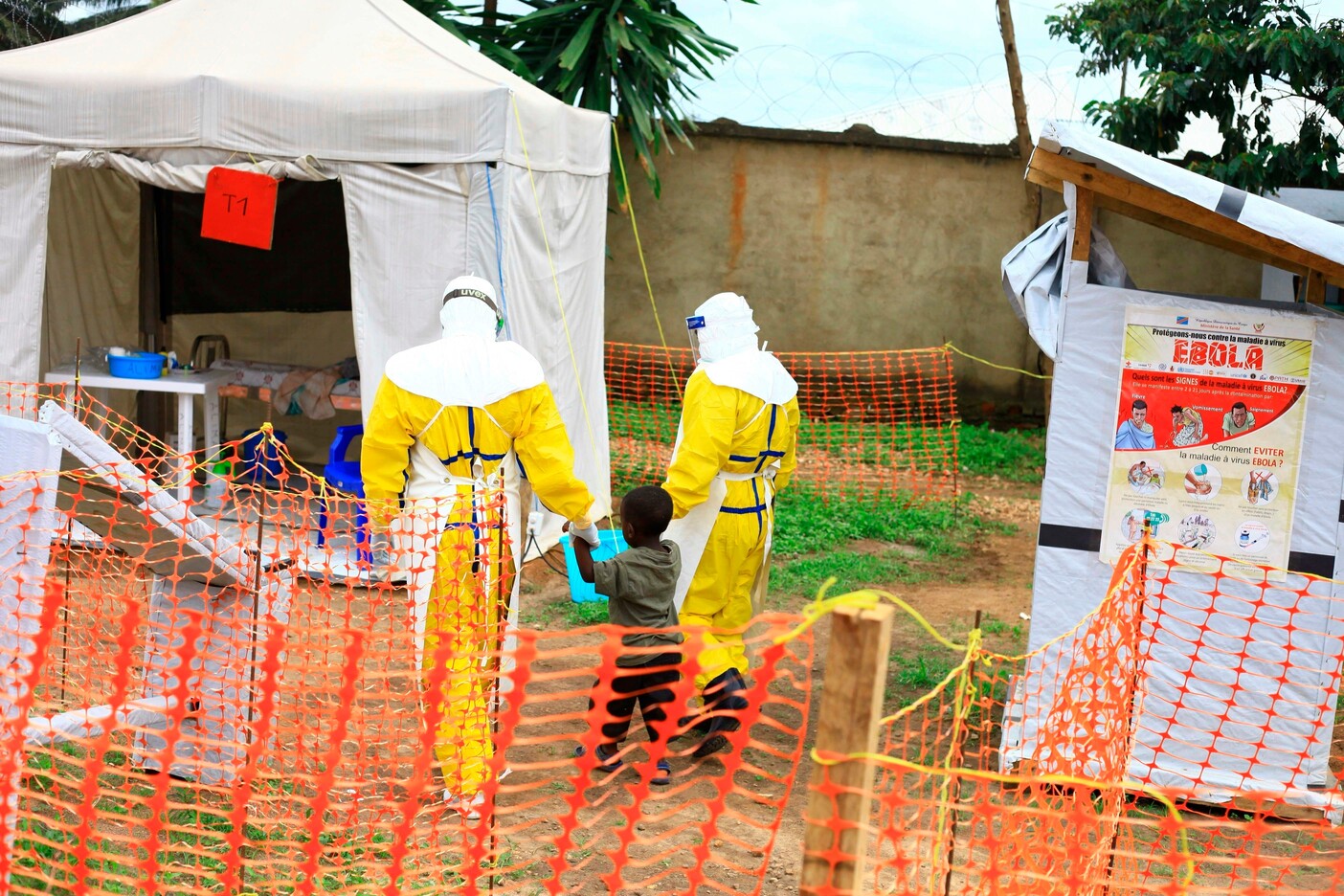
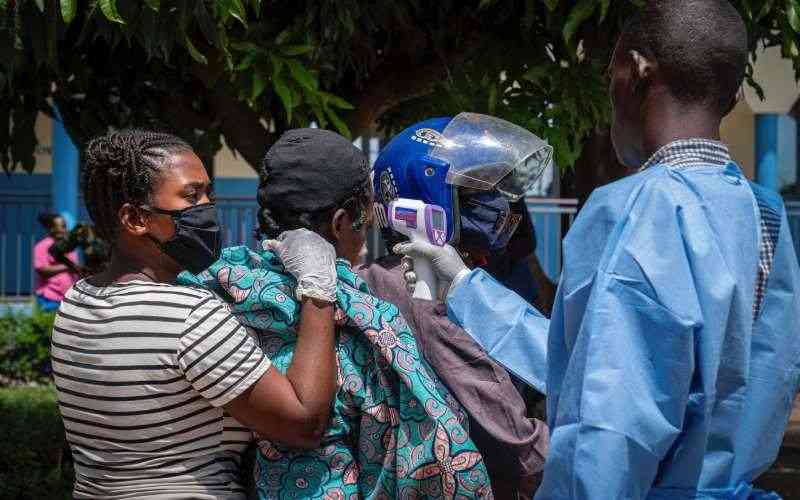
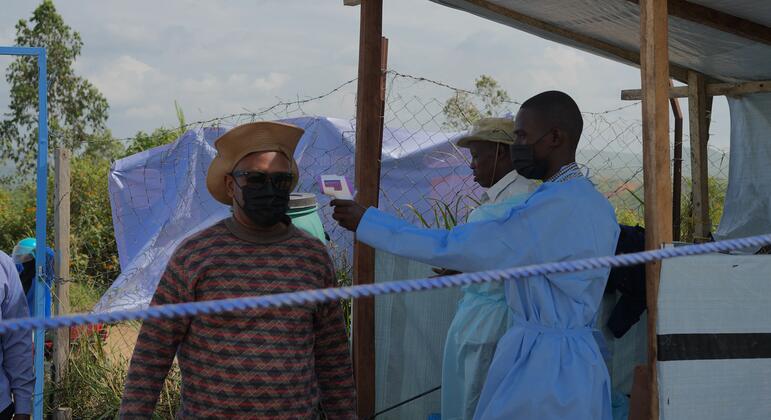
“It's a disease that you get when you care for someone, for your husband or your partner or your child or your mother,” Anaïs Legand, a WHO Technical Officer told reporters in Geneva.“You get it when you want to help someone with symptoms, and this is terrible,” she said, explaining that families and friends must be instructed not to touch loved ones who are falling sick.30 to 50 per cent chance of deathMs. Legand highlighted the critical importance of prevention and early access to care, in the face of this particularly deadly disease. Based on previous outbreaks the lethality “ranges between 30 and 50 per cent,” she said - “it’s huge.” While “five out of 10 people are likely to die,” more can be done to promote recovery, according to the WHO expert. “We can scale up optimized intensive care,” she said. "We can support the communities to recognize the symptoms early to get early diagnostics, so that they can receive the level of care they need.”Experience shows that Ebola flare-ups can only be controlled when communities are “fully involved” in the response, Ms. Legrand insisted -- highlighting a recent case in the DRC where a patient fully recovered and was discharged from the hospital.Detective workWHO has gathered experts to review potential treatments and vaccines against the virus, with several products now identified for further assessment. For confirmed cases, three candidate therapeutics for treatment have been prioritised for clinical trials, Ms. Legand revealed: the monoclonal antibodies MBP 134 and maftivimab, and the antiviral remdesivir.