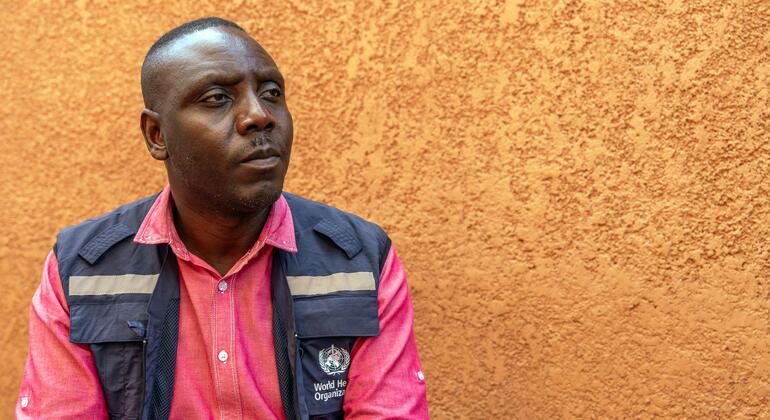
A safe return home: Tackling stigma on Uganda's Ebola frontline
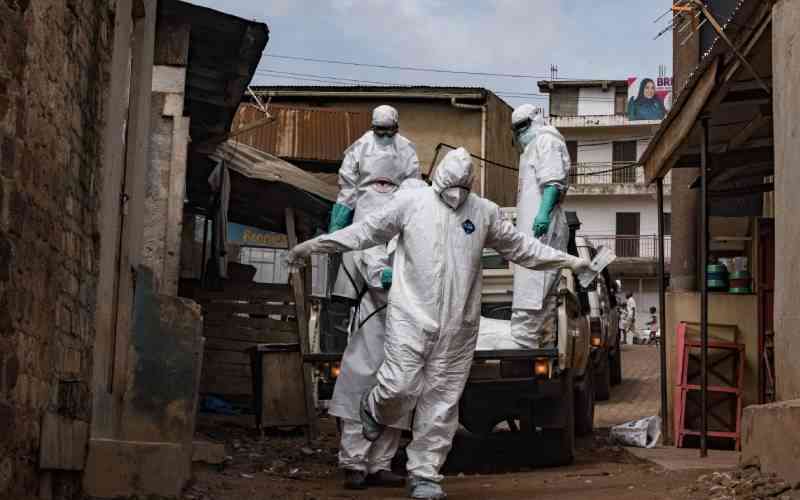
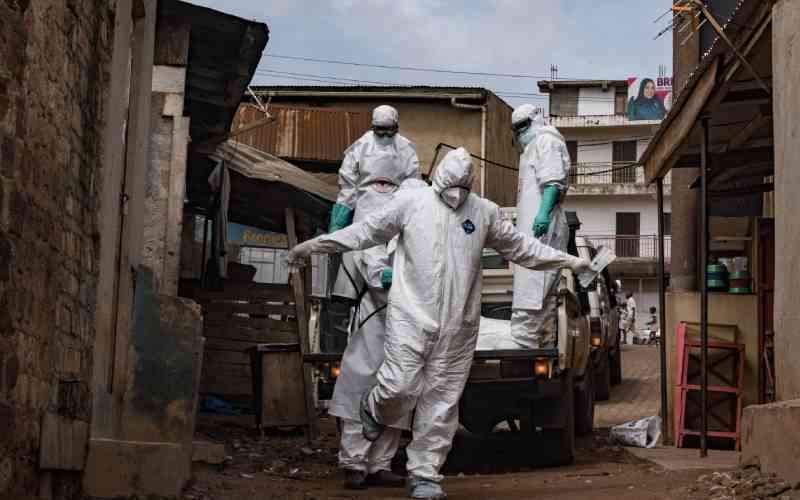
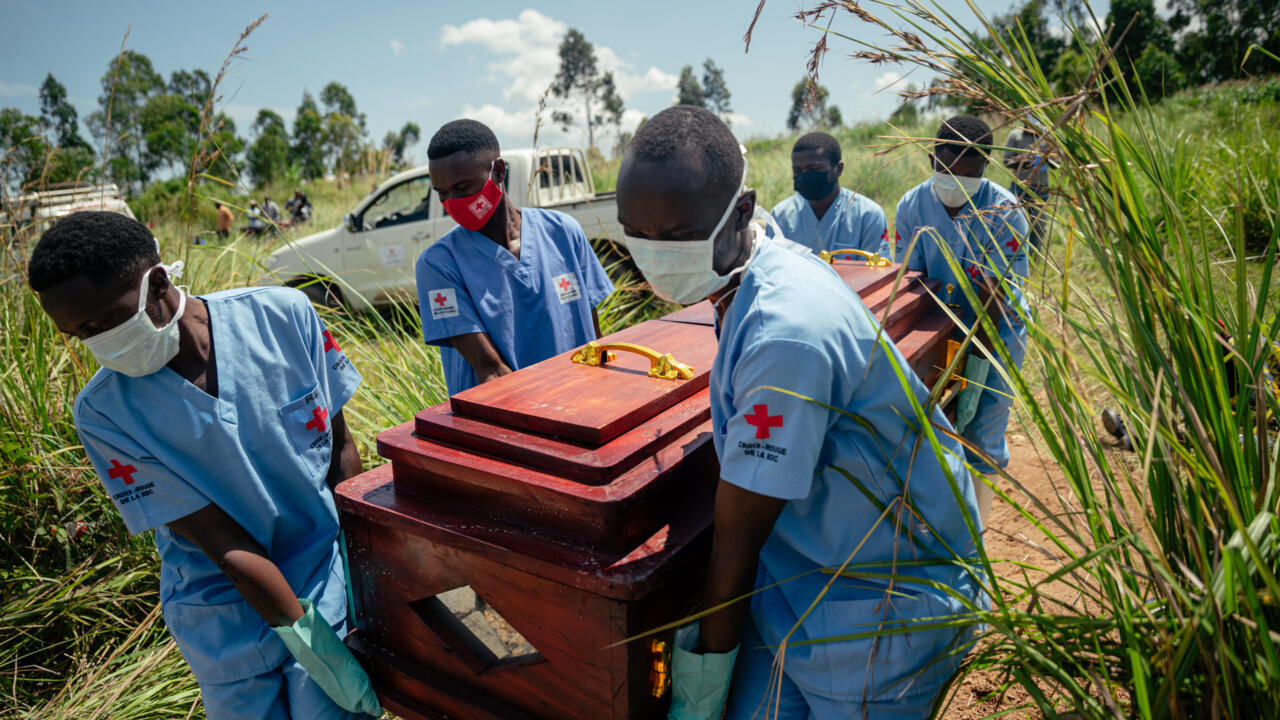
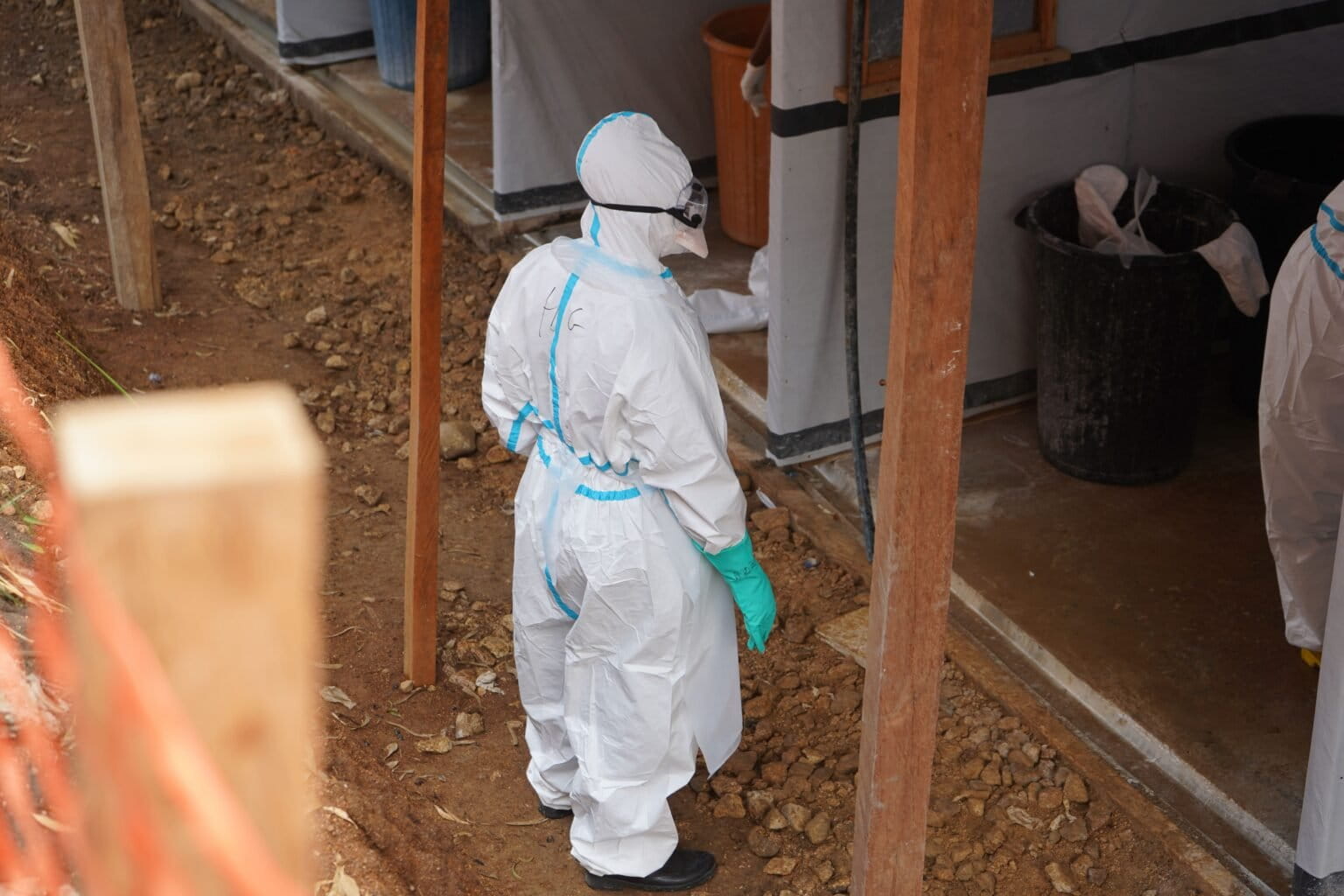
According to the latest figures, more than 1,400 confirmed cases of Ebola Bundibugyo virus disease, including 350 deaths, have been reported in the two countries. More than 90 per cent of infections are concentrated in Ituri province in DRC, a major cross-border trading hub with Uganda – ravaged by years of armed conflict.Calling KampalaOn a Sunday morning in Kampala, Dr Chris Opesen, an anthropologist with the World Health Organization (WHO), receives a call from local authorities shortly after 5.30am.A woman suspected of having Ebola is preparing to return home, and he has been asked to help ensure her reintegration into the community is safe. Three days earlier, Lilian* had presented with symptoms consistent with Ebola and was transferred to the Ebola isolation unit at Mulago Hospital for diagnosis and care.Although the transfer was planned, it was nonetheless a distressing experience for her, her family and neighbours. Since then, everyone has been anxiously awaiting the final confirmatory test that will determine whether she can safely return home.Over the past 36 hours, Dr Opesen has remained in regular contact with Lilian and her family, offering reassurance and guidance as anxiety in the community has grown.“The anthropologist is the midfielder of the outbreak response,” he says, drawing on a football analogy. “I connect response teams with communities and deliver feedback, from community to response teams citing concerns, fears and grievances.”Managing fear and misinformationTogether with colleagues from the Kampala Capital City Authority, Dr. Opesen convenes a community meeting with Lilian’s family and friends to address concerns ahead of her return.What begins as a tense and emotional exchange, gradually shifts when Dr. Opesen proposes a more structured dialogue. The group agrees and elects a chairperson, a neighbour, and a secretary: Lilian’s sister, Angela*.