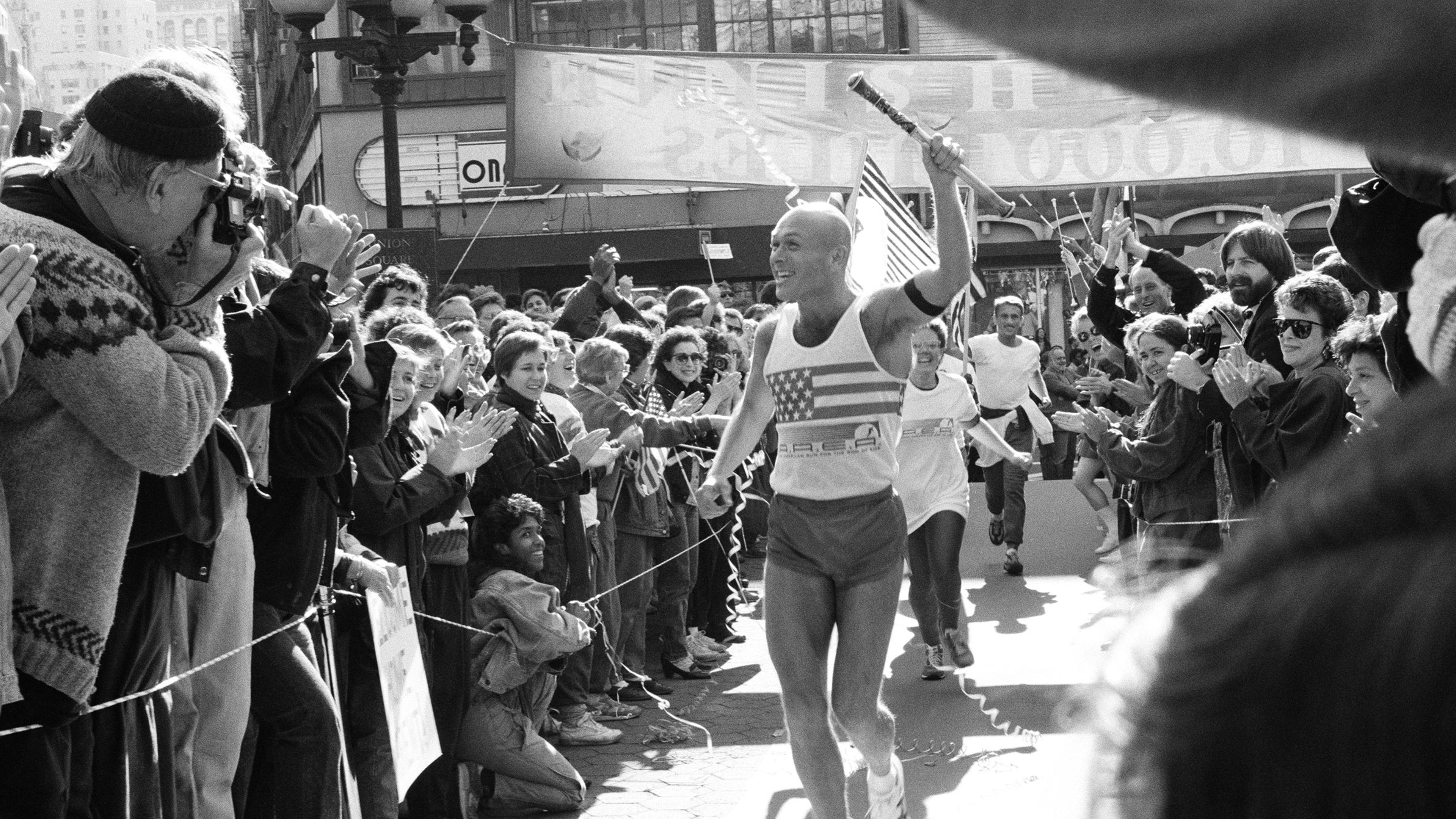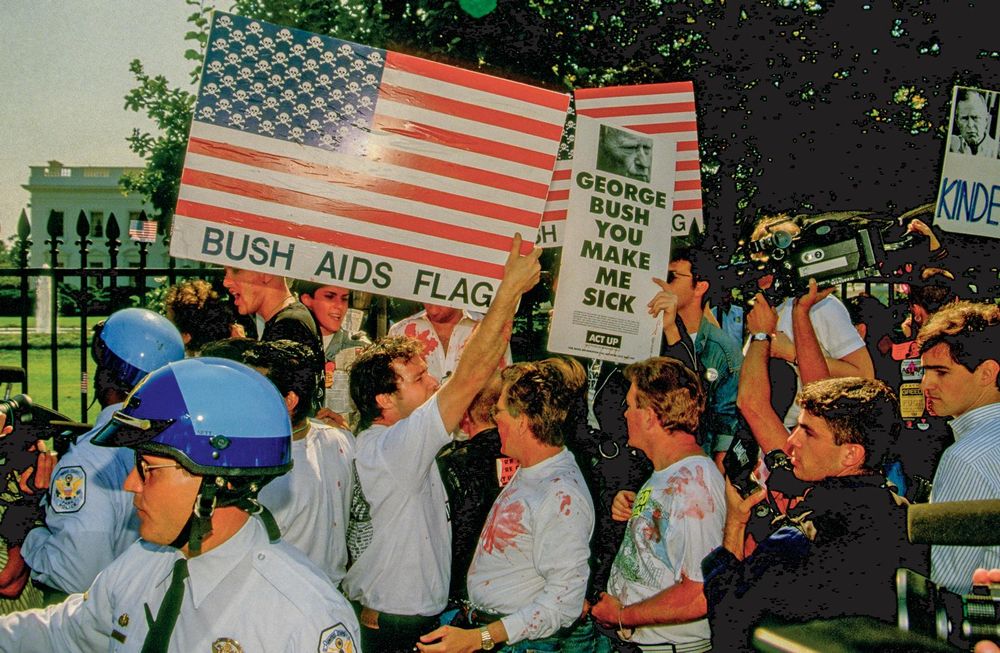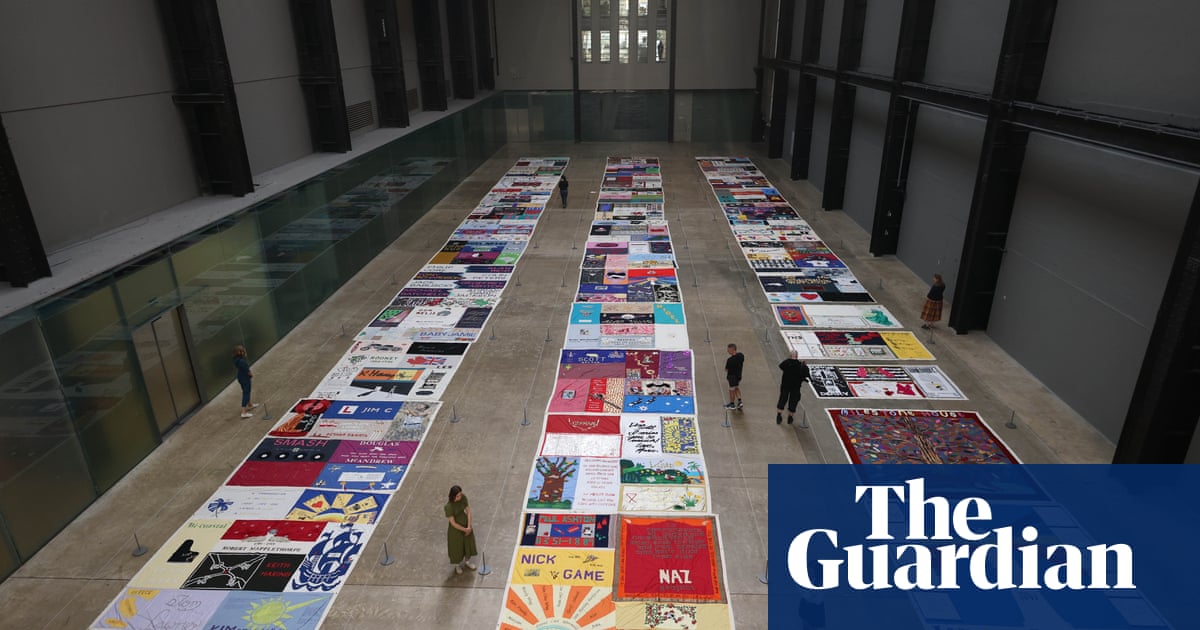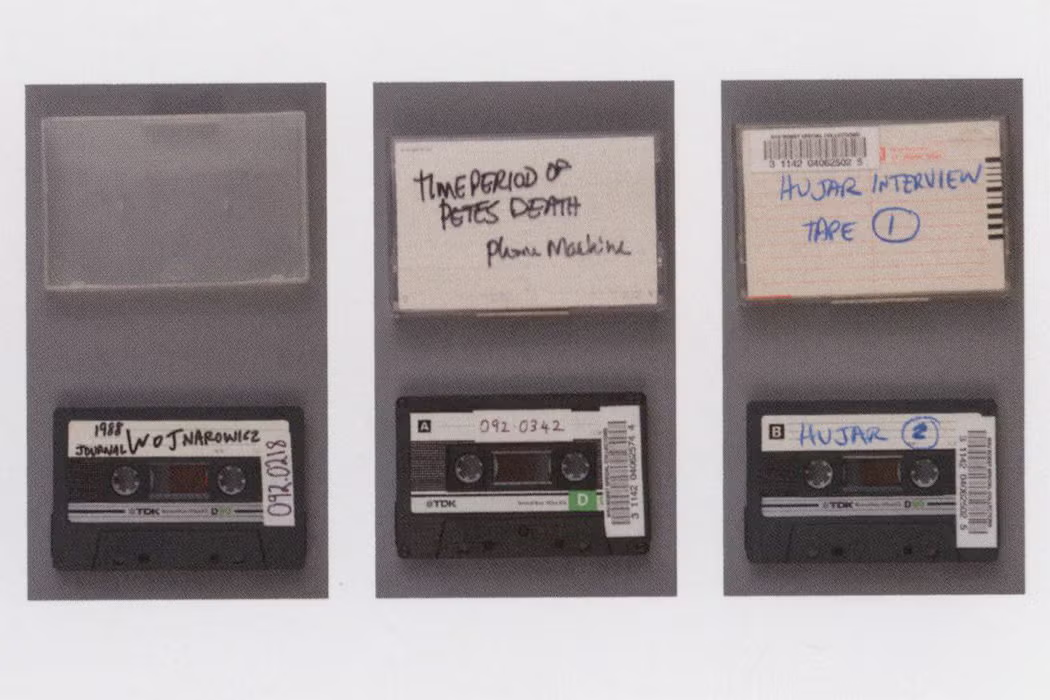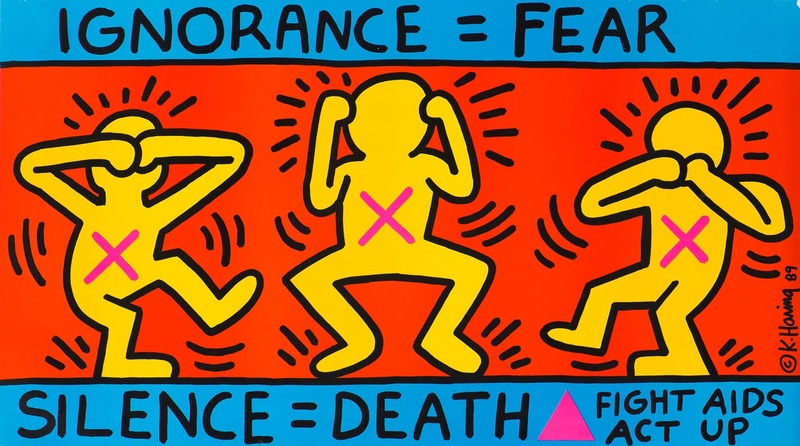
There are countless testimonies, books, poetry collections, plays, visual works and films from queer people amid the AIDS crisis of the 1980s and 90s, surviving in the midst of so much death. Many of these works have far outlived their creators. But even well past the height of the epidemic, queer people continue to wrestle with how AIDS shapes queer lives, and how queer lives shape AIDS.
Just to name a few titles over the last 10 years: David France’s 2017 history How to Survive a Plague: The Story of How Activists and Scientists Tamed AIDS; Pamela Sneed’s 2020 poetic memoir Funeral Diva; Danez Smith’s 2020 poetry collection Homie; Transgender Studies Quarterly’s 2020 issue Trans in a Time of HIV/AIDS; Sarah Schulman’s 2021 oral history Let the Record Show: A Political History of ACT UP New York, 1987–1993, Mattilda Bernstein Sycamore’s 2021 anthology Between Certain Death and a Possible Future: Queer Writing on Growing Up with the AIDS Crisis; Ernesto Mestre-Reed’s historical novel Sacrificio; John Weir’s 2023 short story collection Your Nostalgia is Killing Me; Rasheed Newson’s 2023 novel My Government Means to Kill Me and many, many more.
(Straight authors have also shown an interest in queer people’s—chiefly urban gay men’s—experiences of the AIDS crisis. Rebecca Makkai’s 2018 historical fiction novel The Great Believers, certainly comes to mind, as does Hanya Yanagihara’s 2023 novel To Paradise. Both novels were met with widespread praise and attention not always afforded to their queer counterparts.)