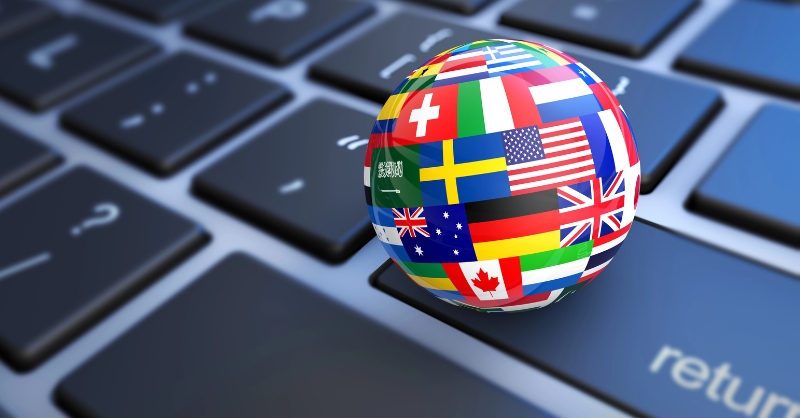
The world seems to be smaller than ever. You can order something from Canada today and receive it in Australia within a week. E-commerce companies deal with customers from across the globe and the stakes have never been higher. Customers today expect more than fast shipping and a functional website. They see those as standard. They want on-demand support that feels clear, responsive, and easy to understand. When your customers can’t understand an issue or your consultant’s reply, frustration builds quickly.JOIN US ON TELEGRAMFollow our coverage of the war on the @Kyivpost_official. Which is why multilingual customer support has shifted from a helpful bonus to a serious business requirement. Companies that communicate well across languages stand out in a crowded market, especially as cross-border shopping continues to grow. Global E-Commerce Has Changed Customer Expectations Years ago, customers simply accepted the limitations that came with international shopping. Delivery took longer, communication felt slower, and support options were limited. Today things are very different and that tolerance has mostly disappeared. You have to remember that you’re competing with large online marketplaces like Amazon. Customers expect the same sort of experience on your site. That often means support in their home language. Smaller e-commerce brands are feeling increasingly under pressure to match that experience, despite having fewer resources. Poor Communication Costs Companies Sales A lot of online stores focus heavily on marketing while overlooking support communication. They invest in ads, influencer campaigns, and website design but don’t provide proper language support once customers reach out with questions. That gap creates problems at critical moments in the buying process. A customer may hesitate because: A return policy feels difficult to understand Product descriptions sound unclear Support replies appear automated or confusing Shipping information lacks proper translation Payment instructions create uncertainty Even small misunderstandings can prevent people from completing their purchase. Customer Support Outsourcing Supports Multilingual Coverage Many e-commerce businesses struggle to build in-house multilingual support teams, especially smaller brands entering international markets for the first time. Customer support outsourcing gives you another option. Outsourcing companies often employ multilingual agents across different regions, allowing you to offer broader language coverage without building large internal departments from scratch. This approach gives businesses access to: Native or fluent support agents Extended support hours across time zones Lower staffing costs Faster international scaling Flexible seasonal staffing For growing online retailers, outsourcing can make multilingual support financially realistic much earlier in the company’s growth cycle. Cultural Awareness Matters Alongside Language Speaking a customer’s language is important, but cultural understanding matters too. Certain phrases, humor styles, or communication habits may work well in one country while sounding rude or awkward in another. Support agents who understand cultural expectations can avoid accidental misunderstandings that damage customer relationships. This applies to: Greeting styles Tone of responses Refund discussions Escalation handling Apology language Formality levels Cultural awareness becomes especially important in sensitive situations involving refunds, shipping delays, or damaged products. The Future of E-Commerce Support Will Be More Global Cross-border shopping continues to expand as payment systems, logistics networks, and digital marketplaces become easier to access worldwide. At the same time, customer expectations continue rising. Consumers no longer judge businesses only against local competitors. They compare support experiences with major global platforms that already provide multilingual communication across multiple channels. Multilingual support is becoming part of basic customer service rather than an added feature reserved for large corporations. Companies that invest in better communication now place themselves in a stronger position as global competition increases. Technology will continue helping support teams work faster, but human communication still carries enormous value in online retail. Customers want accurate answers, clear explanations, and support that feels natural instead of scripted.
Multilingual support is the foundation of modern commerce and business
Multifunctional user support on the website will protect your business and ensure growth.
614 words~3 min read