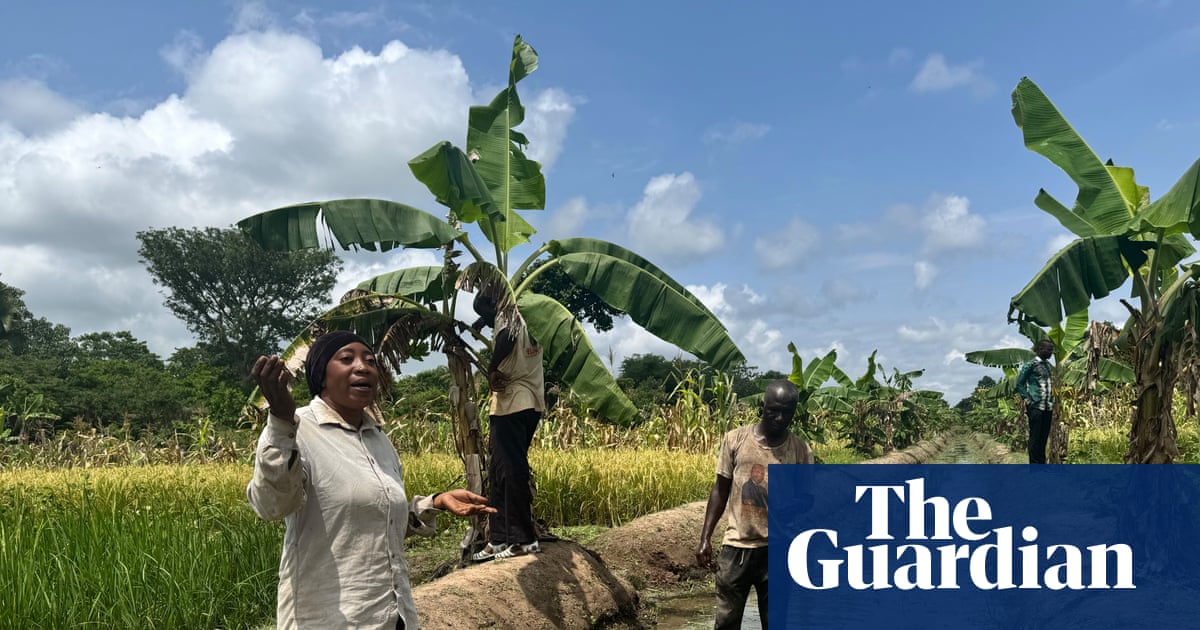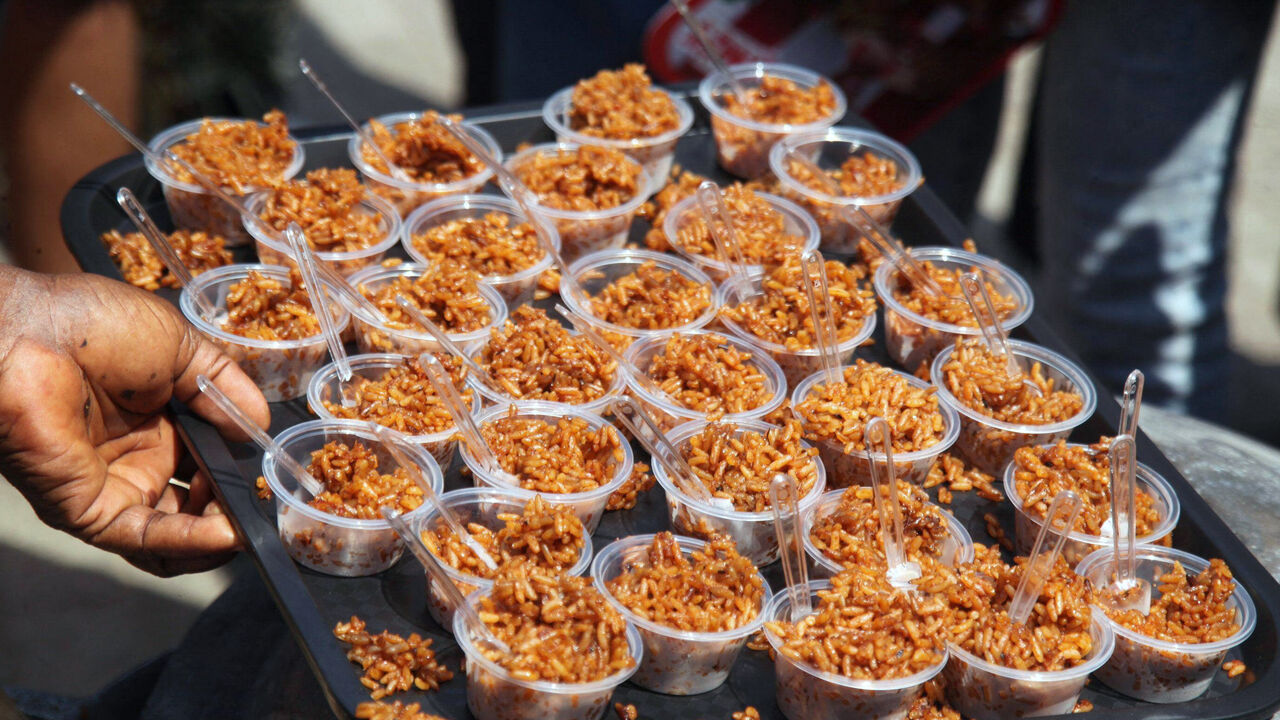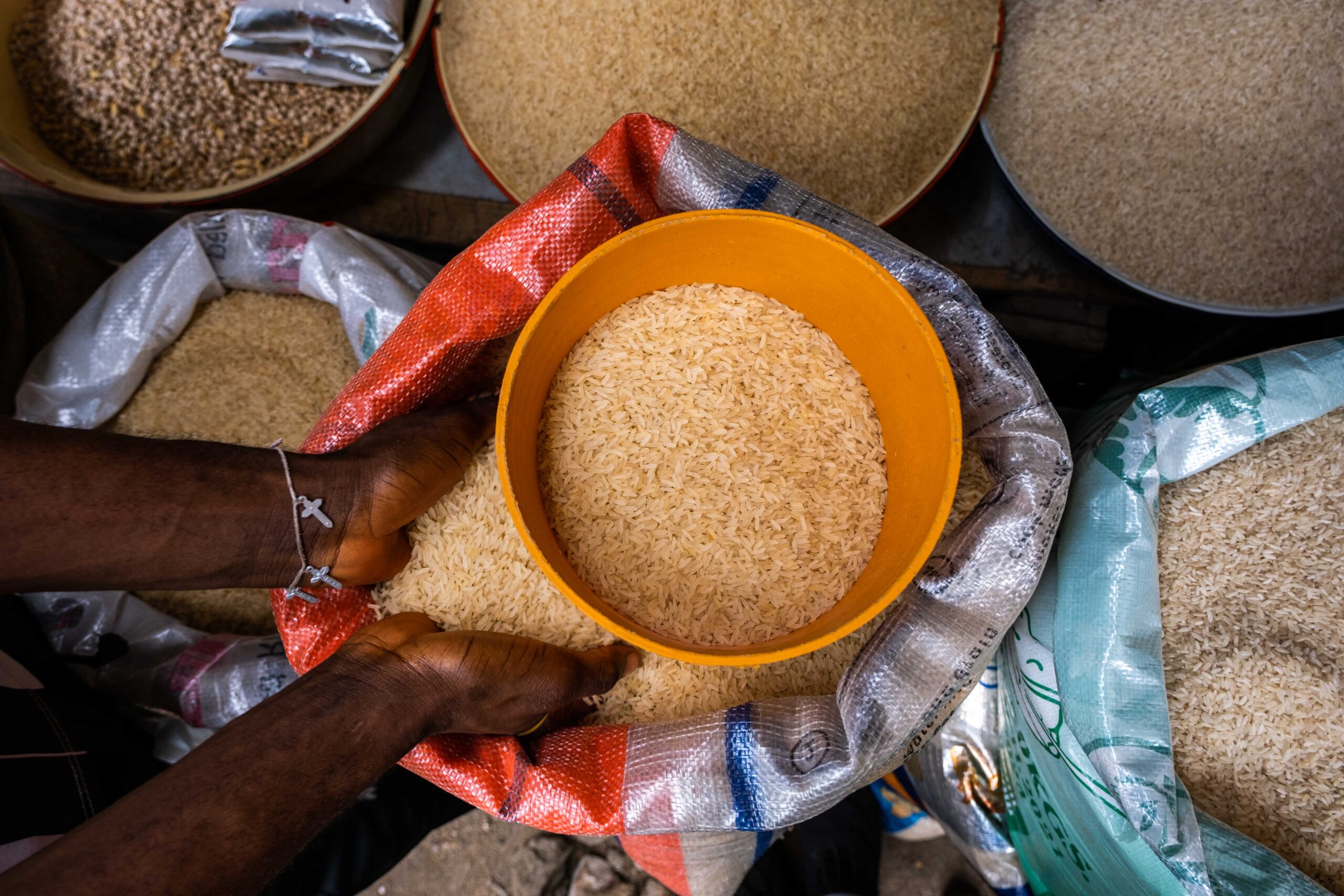
In West Africa, rice is never just rice.
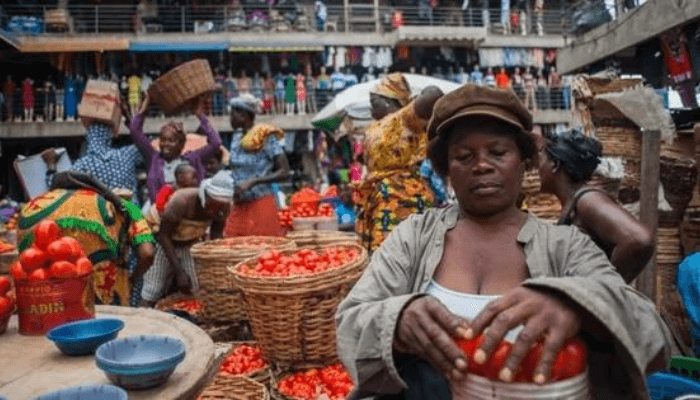
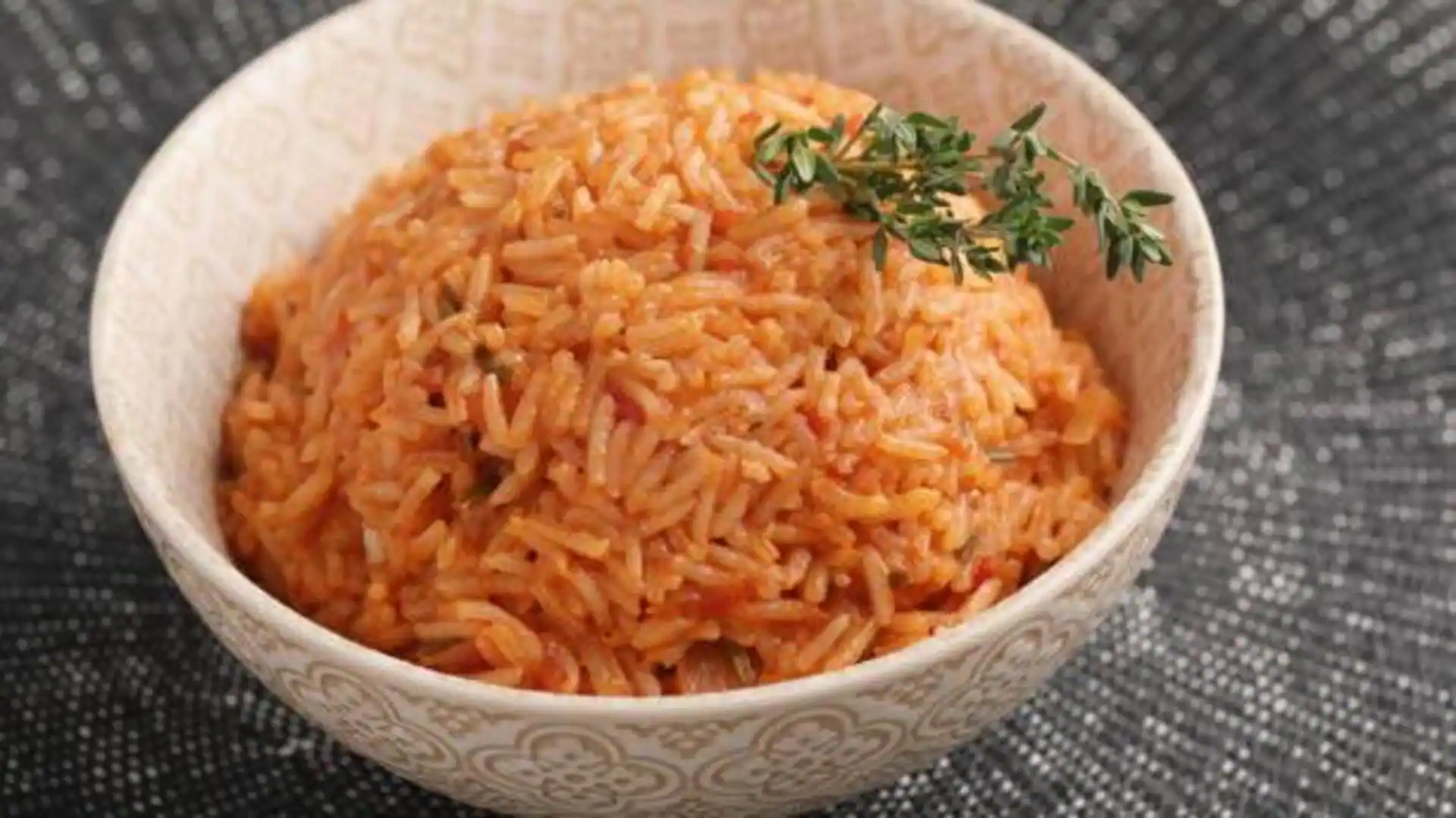
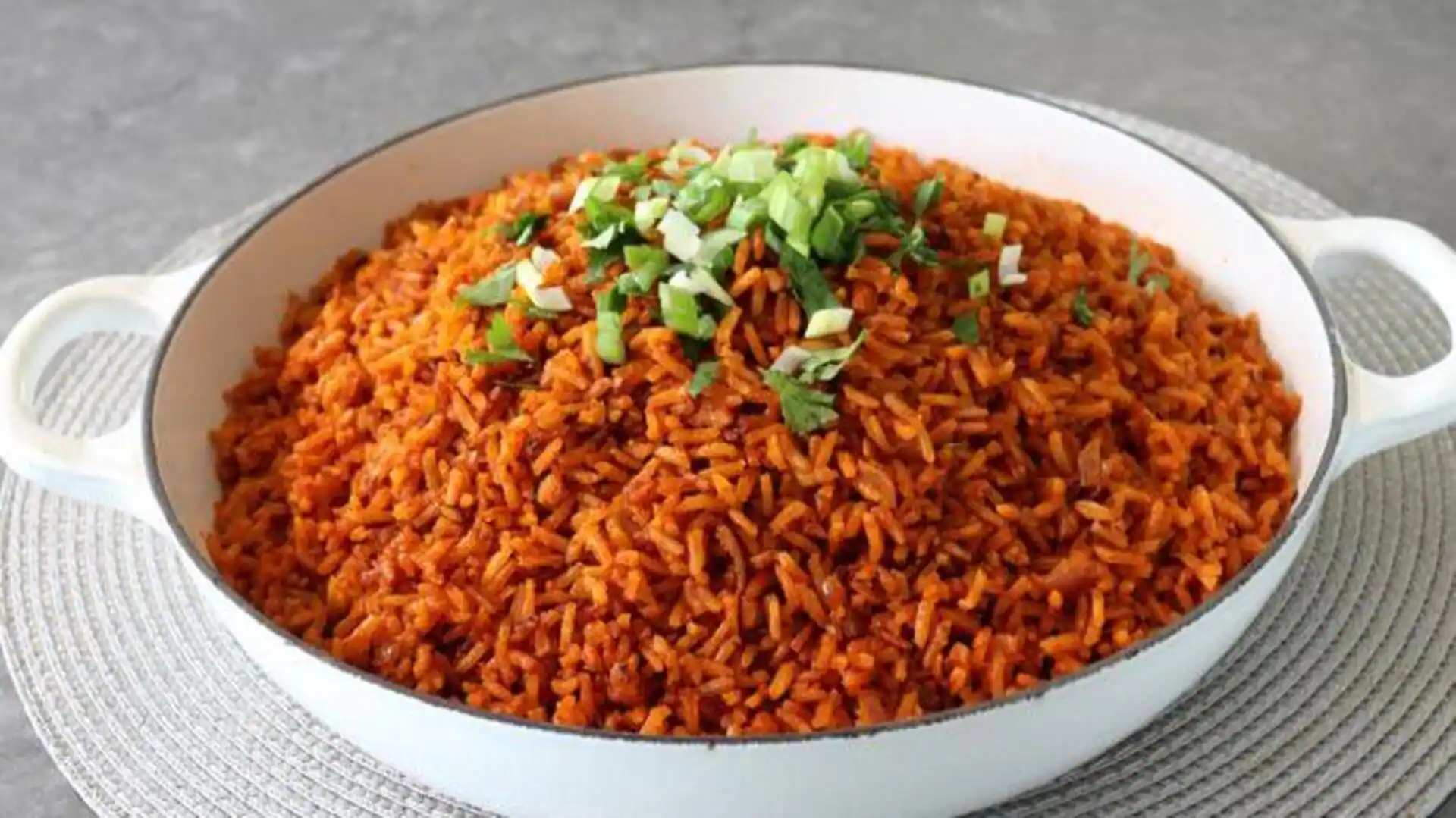
It is celebration in Mali, where a steaming bowl of rice carries memory, hospitality, and pride; the spark of national debate in Senegal, Ghana and Nigeria, where jollof is less a recipe than a matter of identity and a veritable staple across West Africa, served in homes, sold in markets, and shared at every table.
Rice may inform culture, but it also informs economics as these figures show. Rice provides calories for more than 360 million West Africans, making it the region’s most strategic staple food. Yet local production still covers only around 60% of demand, leaving a substantial gap filled by imports. Every year, West Africa spends roughly $3.5bn importing rice, capital that could otherwise strengthen domestic production, finance local agribusinesses, expand processing industries, and create jobs across both rural and urban economies.
Rice sits at intersection of economics, agriculture and demography because West Africa is one of the youngest regions in the world, with more than 60% of its population under the age of 25. That demographic reality presents both enormous potential and mounting pressure. Few sectors possess the scale to absorb labor, generate livelihoods, and stimulate industrial activity as broadly as agriculture. But for that to happen, agriculture must evolve beyond subsistence production into a modern economic sector connected to finance, infrastructure, processing capacity, technology, and regional markets.