en English
May 29, 2026
Shashi Tharoor
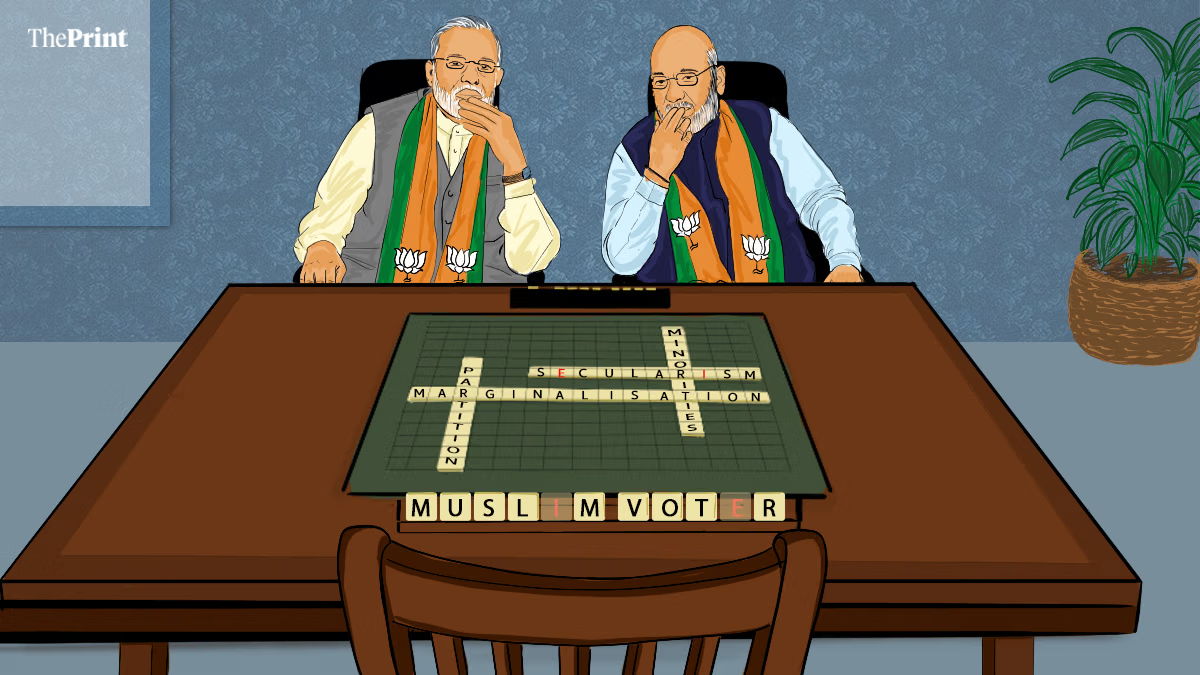
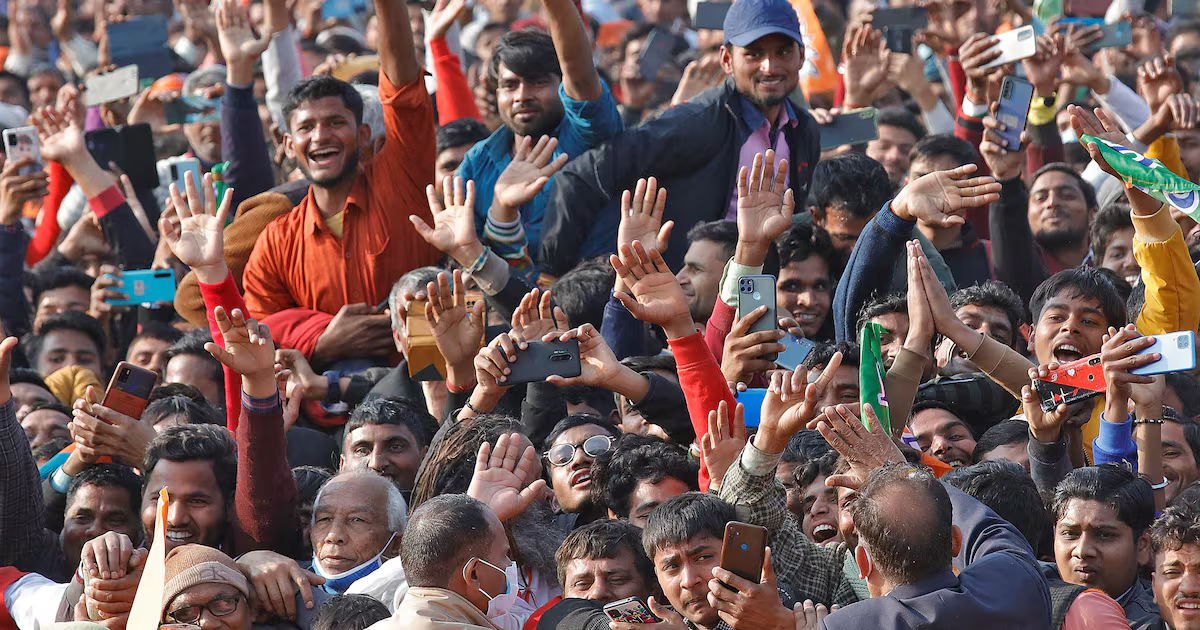
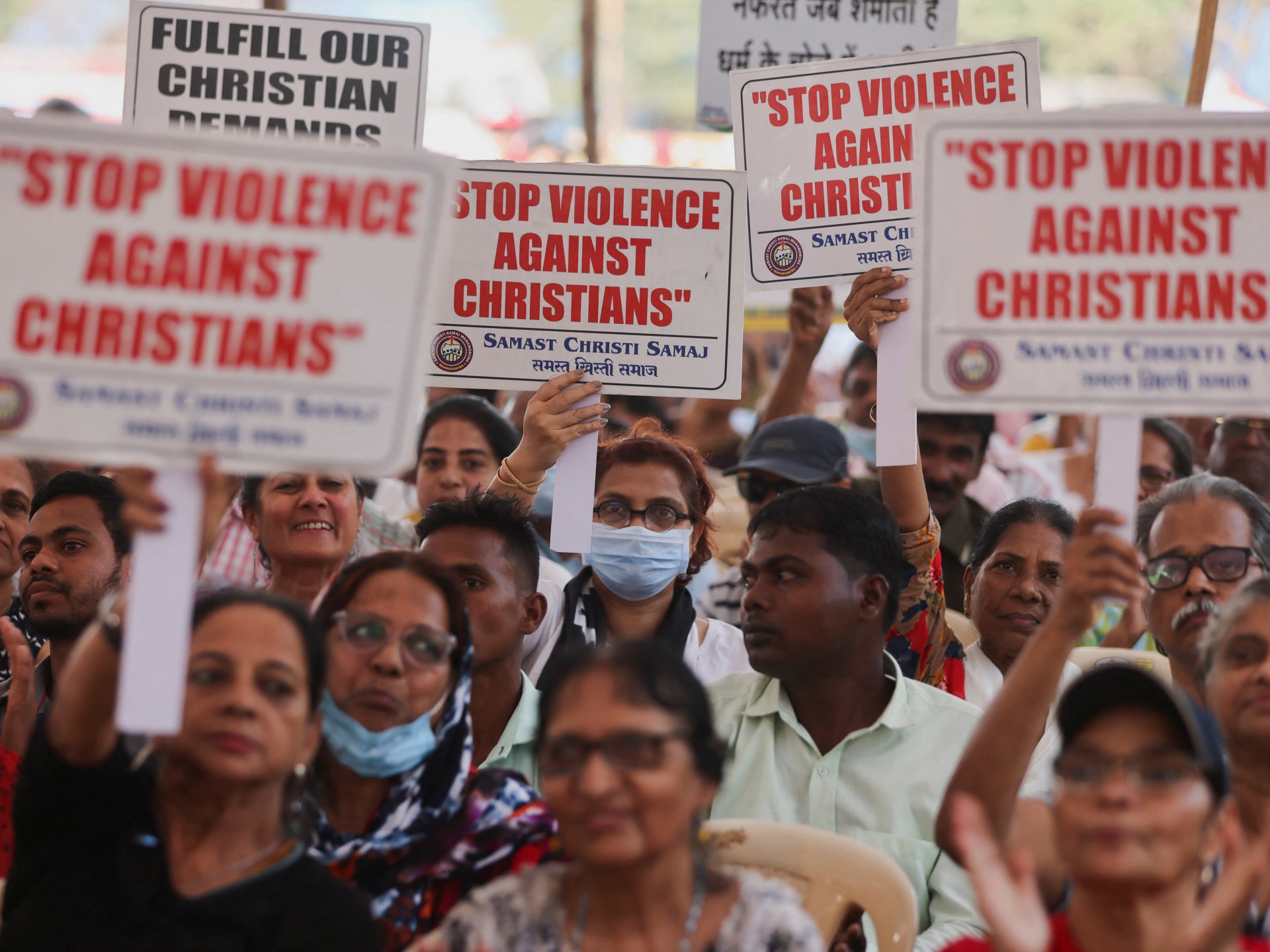
In recent years, the ruling Bharatiya Janata Party’s focus on religious identity, together with its “purification” of voter rolls, has created a more binary—and potentially volatile—political landscape, where elections increasingly reflect ethno-religious identity. This month’s elections in five states largely confirmed this trend.
NEW DELHI—Indian politics has long been defined by a stubborn regionalism. In states like Assam, Kerala, Punjab, Tamil Nadu, and West Bengal, distinct linguistic identities, social-reform movements, and deep-seated secular or pluralist traditions sustained for decades what analysts called a “fortress of federalism,” insulated from the ideological reach of the “Delhi Sultanate” (the central government). But the results of five state elections this month suggest that the fortress has been breached.