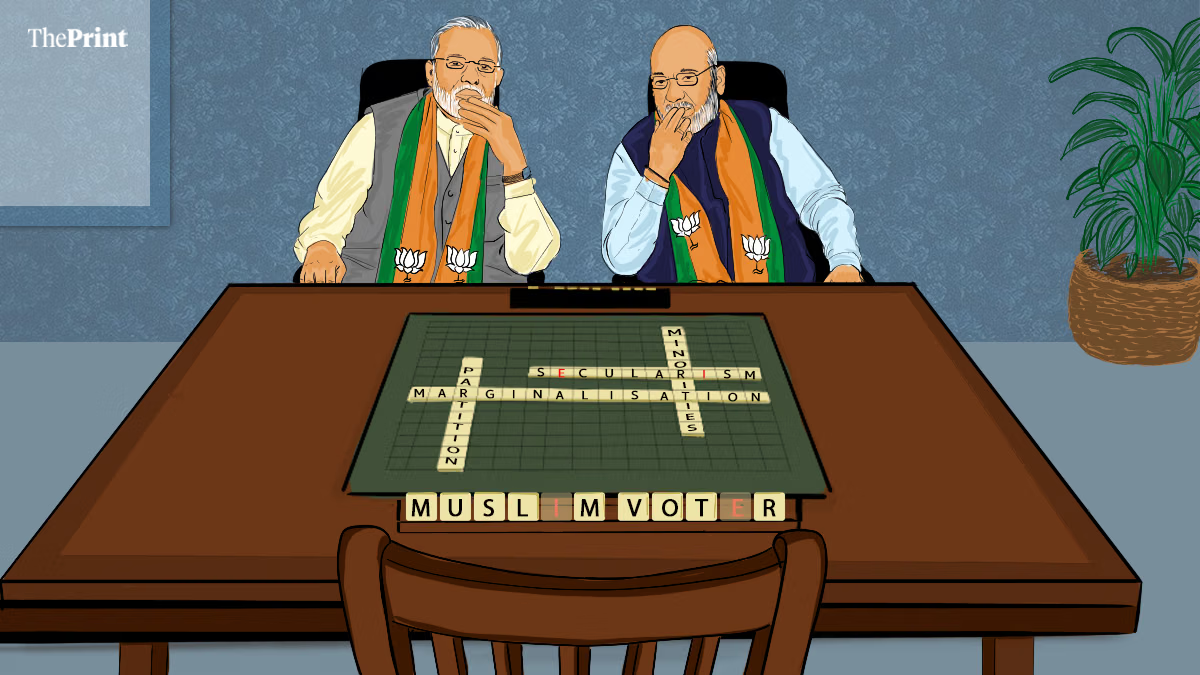
Nearly seven years ago, I wrote this National Interest under the headline: “Do Muslims matter for Modi-Shah BJP, or India?” This is an important time to raise that question again.
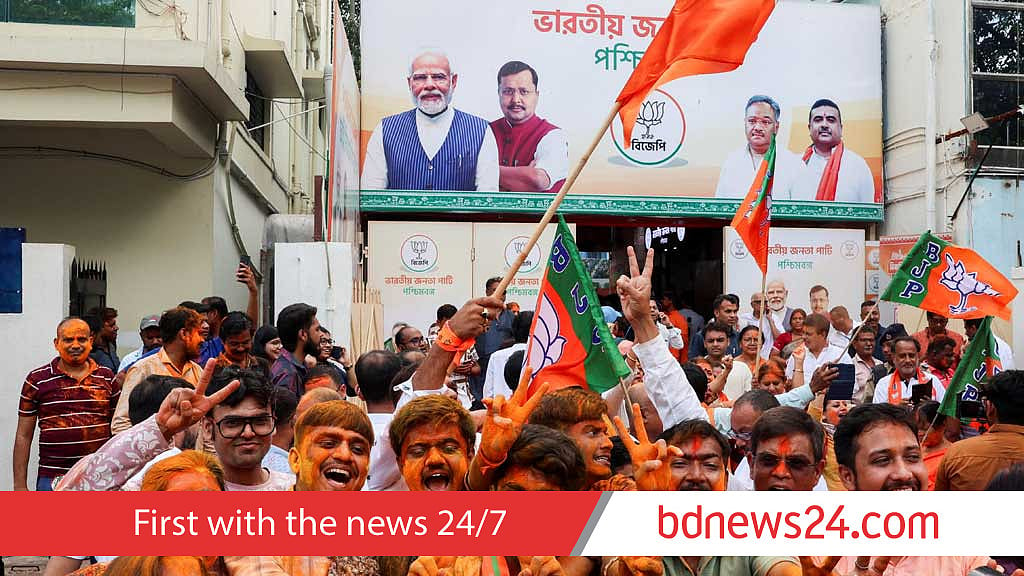
On the evidence of the latest state elections, especially in West Bengal and Assam where Muslims constitute upwards of 30 percent of the electorate, the issue remains the same, if more compounded. The answers are more vexed. And politically, the conclusion would be, Muslims today matter even less to the Modi-Shah BJP than they did in 2019.In West Bengal and Assam the BJP won two-thirds of the seats this time without fielding even one Muslim. Conversely, of the 24 opposition candidates who won in Assam, 22 are Muslim. This includes 18 out of the Congress tally of 19.
In West Bengal 40 of the 293 newly elected MLAs are Muslim. Of these, 34 are from TMC, about 45 percent of the party’s tally of 80. In effect then, in the two states (J&K isn’t a state) where Muslims have their largest population, they’re out of the power structure, cleansed out, and effectively forming the only opposition to the BJP. Irony or paradox, their leaders are still Hindus. And they’re all the losers in the fight with the BJP.
These elections mark the completion of the BJP-secular party divide purely on Hindu-Muslim basis. In Kerala, for example, of the UDF’s 102 newly elected MLAs 30 are Muslims and 29 Christians. The secular relief at knowing that the Muslims having their place at least in the Kerala sun needs to be tempered by the realisation that the BJP will now exploit this as evidence of minority rule, work on the Hindu vote and divide the Kerala Christians.Nationally, this Lok Sabha, the 18th, has 24 Muslim MPs, or a mere 4.42 percent, while the community’s proportion in the national electorate is more than 15 percent. In the 16th and 17th Lok Sabha, there were 22 and 27 Muslim MPs, respectively. This, however, isn’t as big a surprise as it might seem from a first reading. Except 1980 and 1984 when Muslims won 49 and 45 seats, accounting for 9 and 8.3 percent, respectively, the percentage of Muslim MPs in the Lok Sabha has stayed around the 5-percent mark. But they were always represented significantly in the Union Cabinet—even Vajpayee had Sikander Bakht.They were present in significant constitutional positions like President, Vice President, Lok Sabha Deputy Speaker, and occasional heads of armed forces and intelligence agencies. Today, there’s none. There’s no Muslim chief minister; J&K is a Union Territory. There’s one Muslim Governor, in Bihar, Lt General Syed Ata Hasnain. Among the nearly 100-strong list of central government secretaries, Kamran Rizvi (Heavy Industries) is the only Muslim. Justice Ahsanuddin Amanullah is the only Muslim among the 32 Supreme Court judges today. The last Muslim CJI, Justice Altamas Kabir, retired on 19 July, 2013.While on the one hand this list would give the impression of marginalisation of Indian Muslims, it needs qualification. More Muslims are entering the key professions: medicine, law, academia, science, software, banking, and of course entertainment and news media. The civil services and armed forces (including officers’ academies) are seeing Muslim selections rise. The qualification, therefore, has to be that this loss of representation is specific to politics.