Academia
Indonesian households want to consume more animal-source foods but are systematically constrained by price, local availability and logistical bottlenecks.
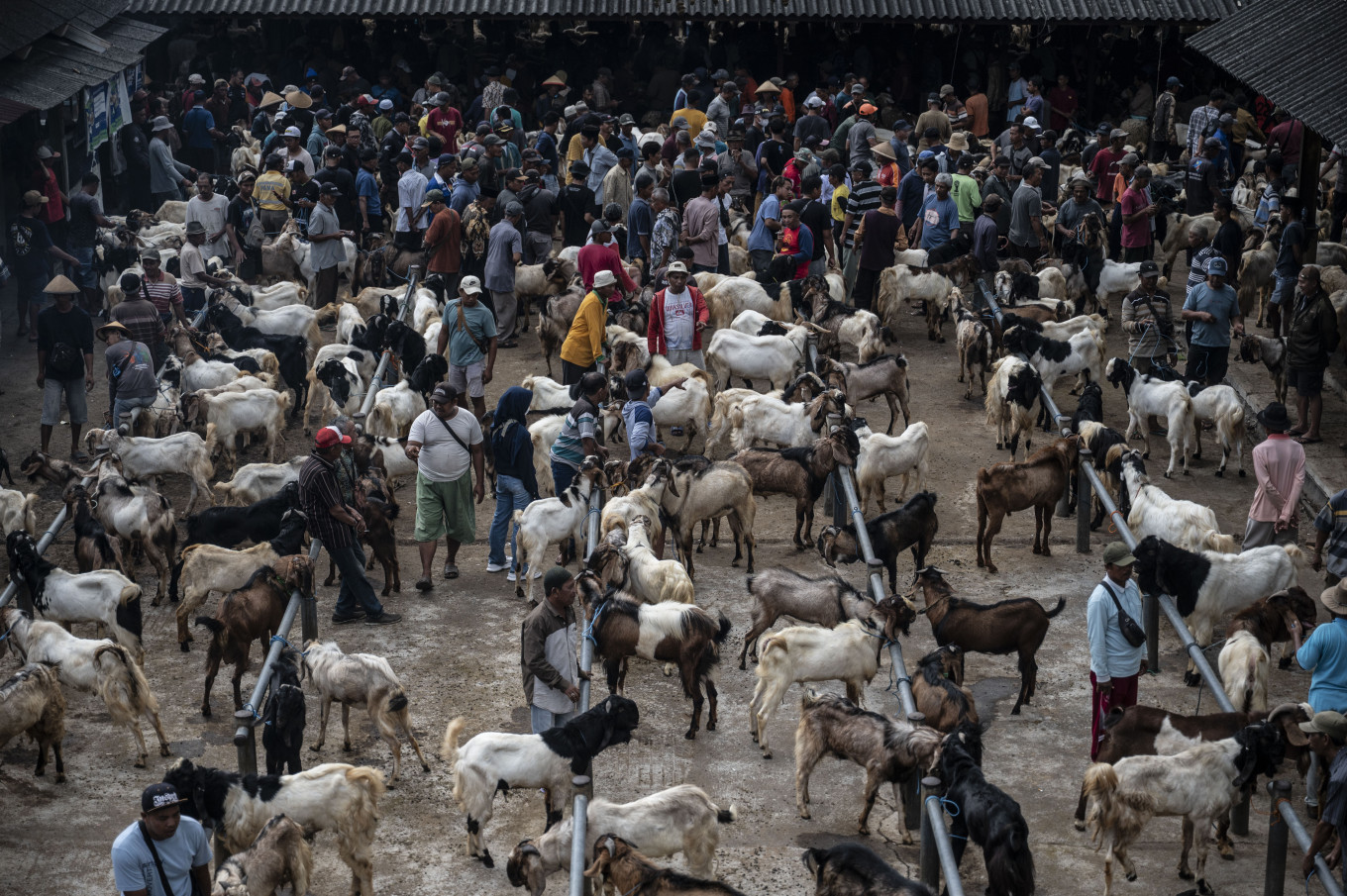
People buy and sell goats on May 21 at the Ambarawa Animal Market in Semarang regency, Central Java. Local authorities have tightened health inspections of livestock, particularly cattle, ahead of Idul Adha celebrations to ensure animals traded at the market are healthy and free from contagious diseases. (Antara/Aprillio Akbar)
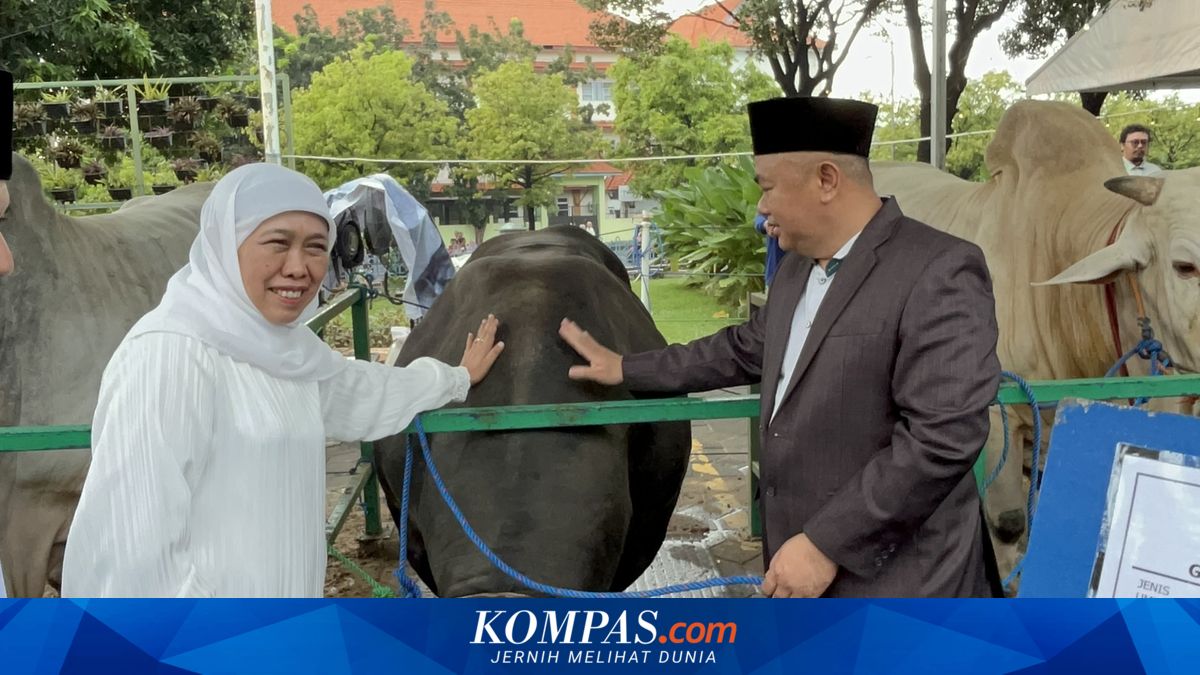
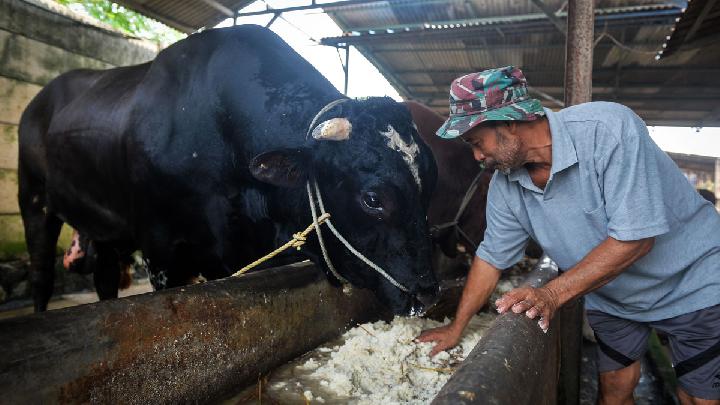
Idul Adha (the Islamic Day of Sacrifice), which falls tomorrow, is more than just a sacred religious occasion in Muslim-majority Indonesia; it also exposes a striking food paradox. For a few days, meat becomes widely available in millions of households. Yet, for the rest of the year, it remains an expensive luxury for many families.While there is no definitive data tracking exactly how much meat consumption spikes during Idul Adha—as measuring dietary shifts over such a short window is notoriously difficult—the sheer volume of sacrificial animals slaughtered offers a clear window into the scale of the phenomenon.
During Idul Adha and the three days of Tashreeq this year, an estimated 2 million sacrificial animals were slaughtered across Indonesia. Last year, the Religious Affairs Ministry recorded 1,856,962 sacrificial animals, consisting of 627,130 cattle and buffaloes, and 1,229,832 goats and sheep.