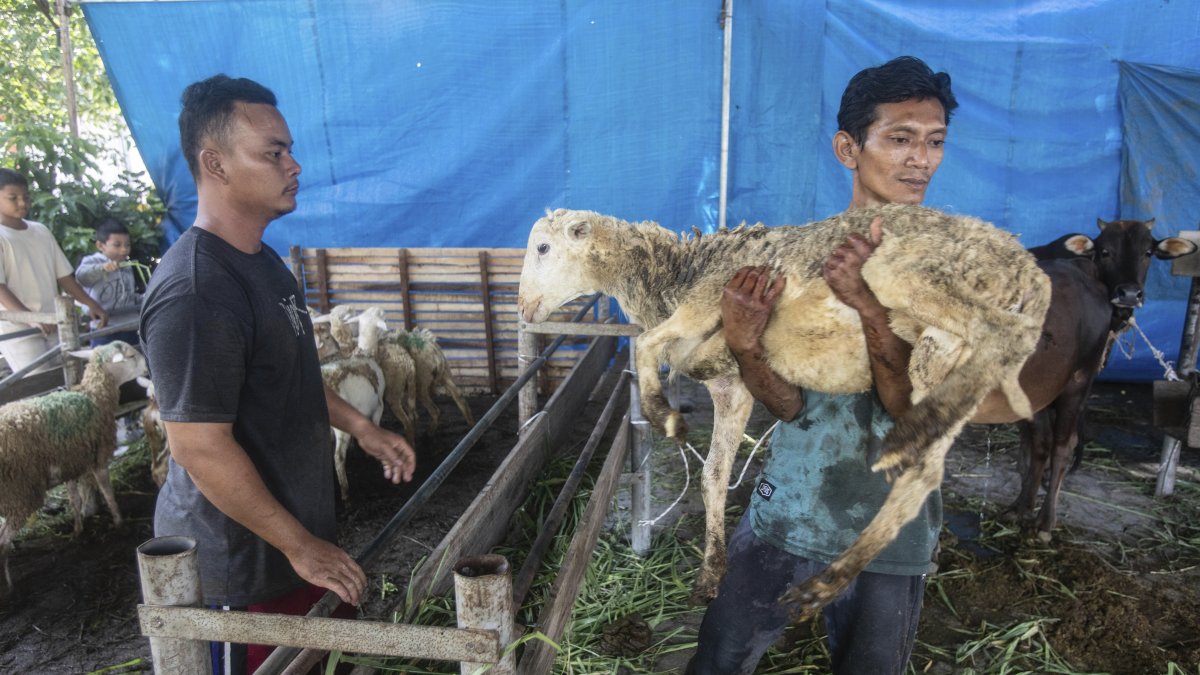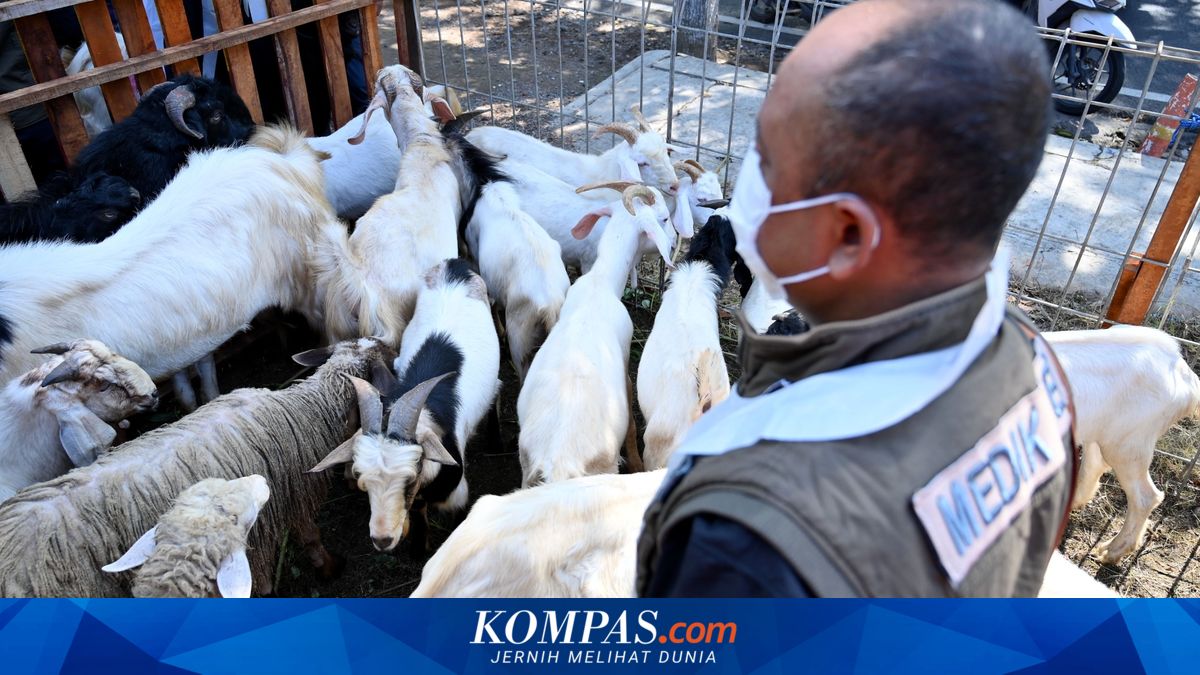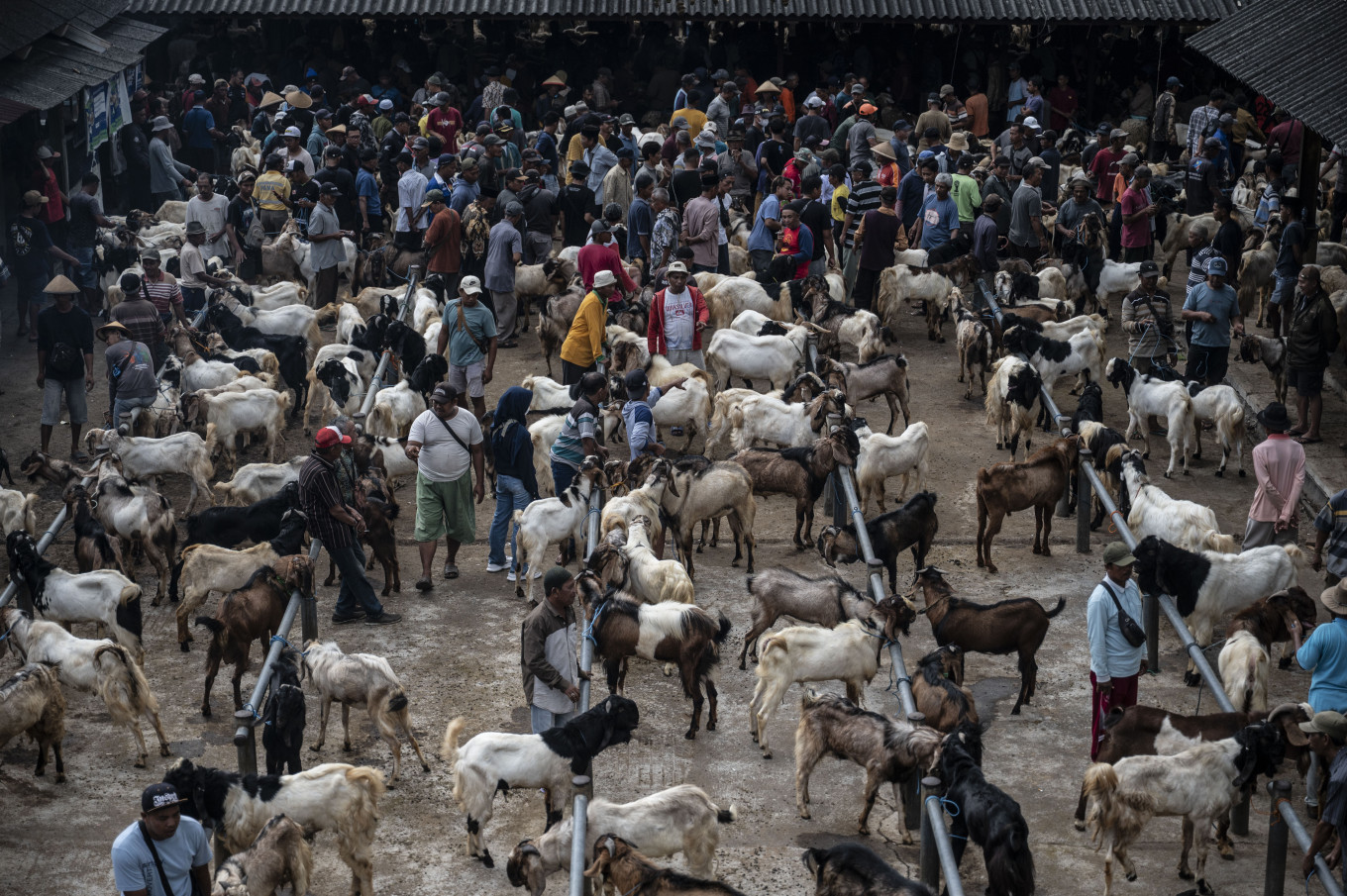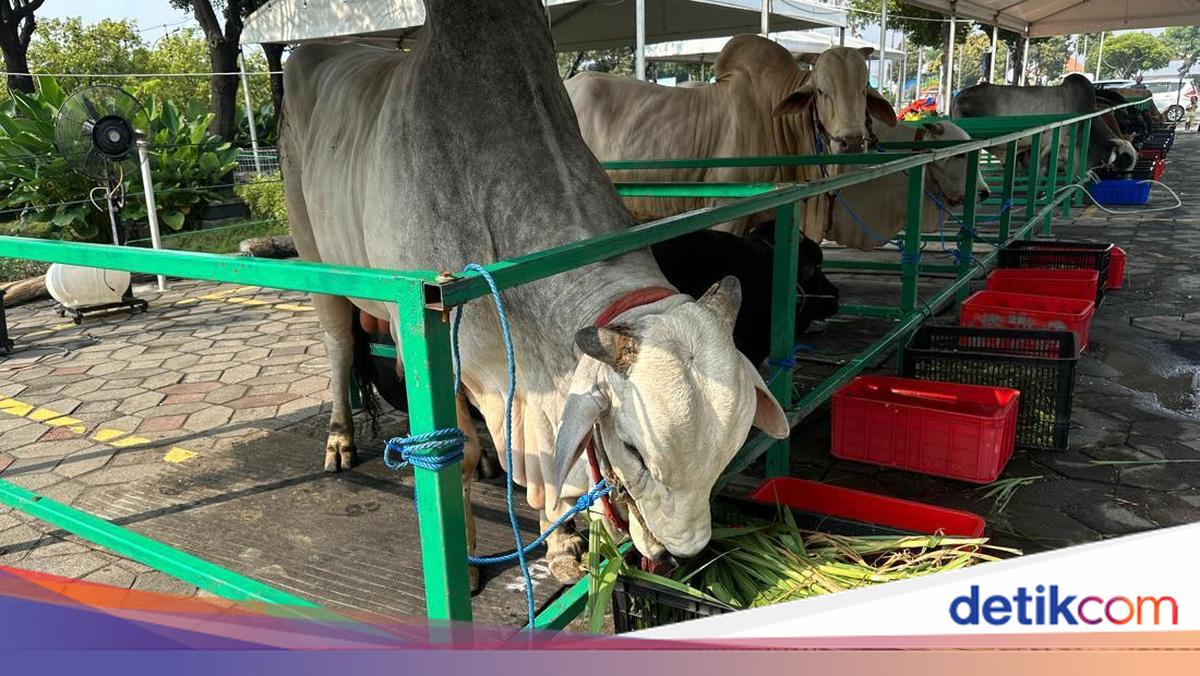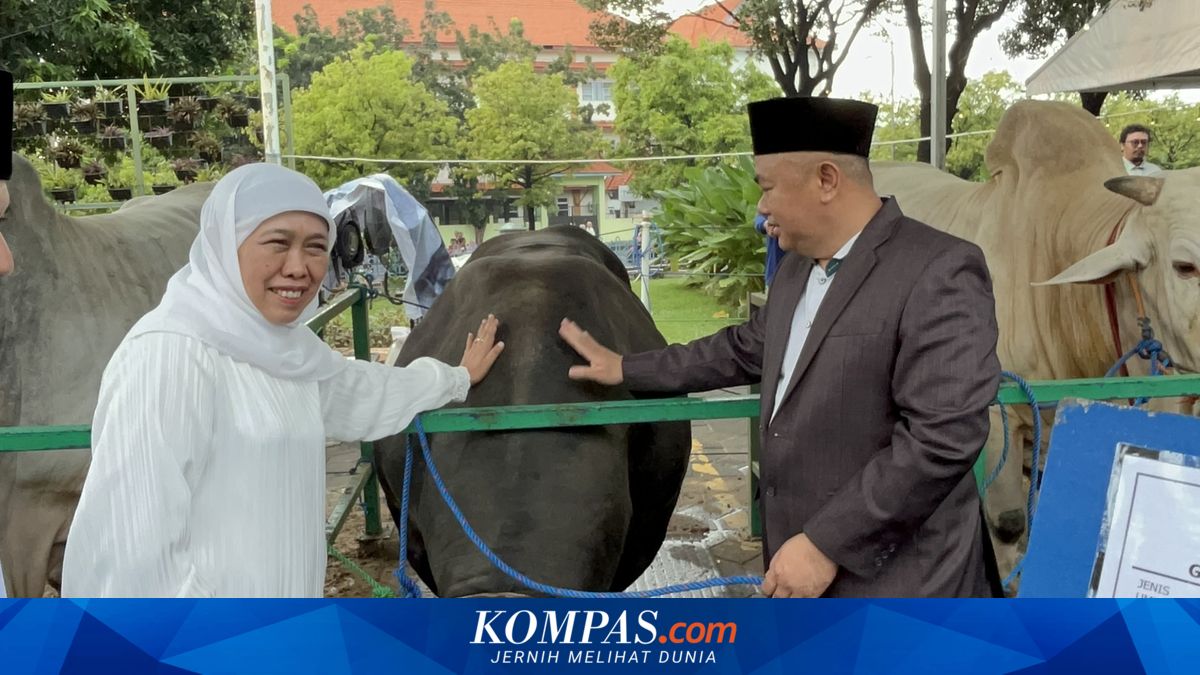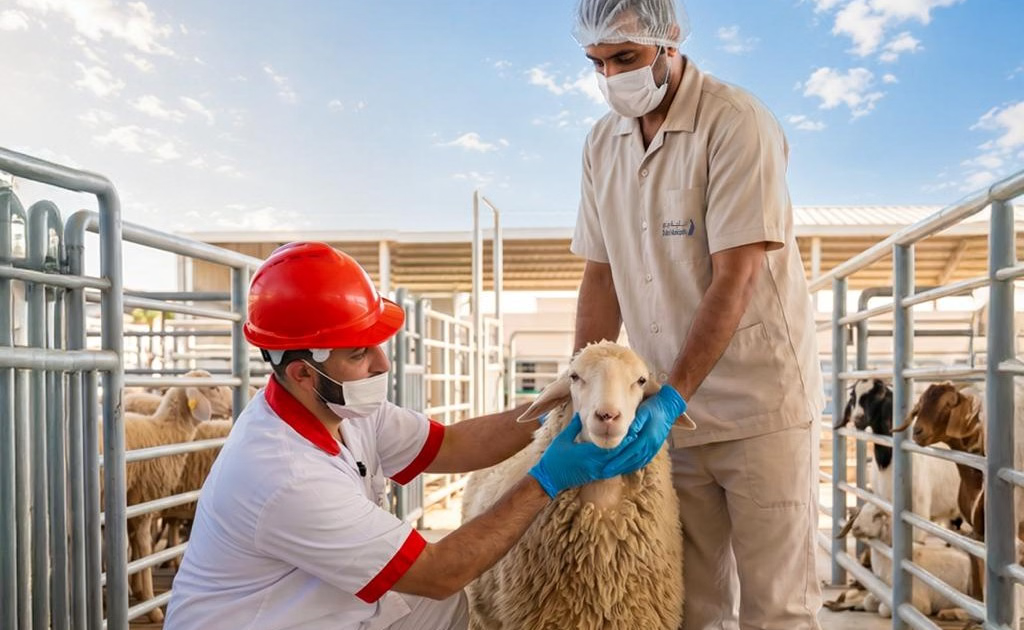
Muslims across Indonesia last week celebrated Idul Adha 1447 Hijriah, a holiday closely associated with kurban: offerings of sacrificial animals.Beyond its religious significance, kurban has also become a major economic activity. Data from the National Alms Agency (Baznas) show the country’s kurban market reached Rp 34.9 trillion (US$1.4 billion) in 2025, up 1.6 percent from Rp 34.3 trillion a year earlier.
Yet beneath this growth lays an early warning sign, as momentum has slowed sharply from the 11.3 percent expansion recorded in 2024. The moderation suggests households are becoming more cautious, particularly with regard to spending on big-ticket items.
The national kurban economy was equivalent to roughly 0.15 percent of nominal household consumption in 2025, a sizeable figure considering the activity is concentrated in only a few days. The market was also nearly 30 times larger than Malaysia’s kurban economy of an estimated Rp 1.1 trillion, far exceeding the difference implied by the two countries’ Muslim population ratios.
The scale reflects more than demographics alone, as Indonesians display exceptionally strong participation in kurban activities. Baznas data show the number of kurban participants surged 29.5 percent year-on-year (yoy) to 3.56 million people in 2025, the highest level in four years. The sacrificial livestock total also increased to 2.85 million heads, while shares of cattle continued to gain for the third consecutive year, climbing from 21.5 percent in 2023 to 22.7 percent in 2025.