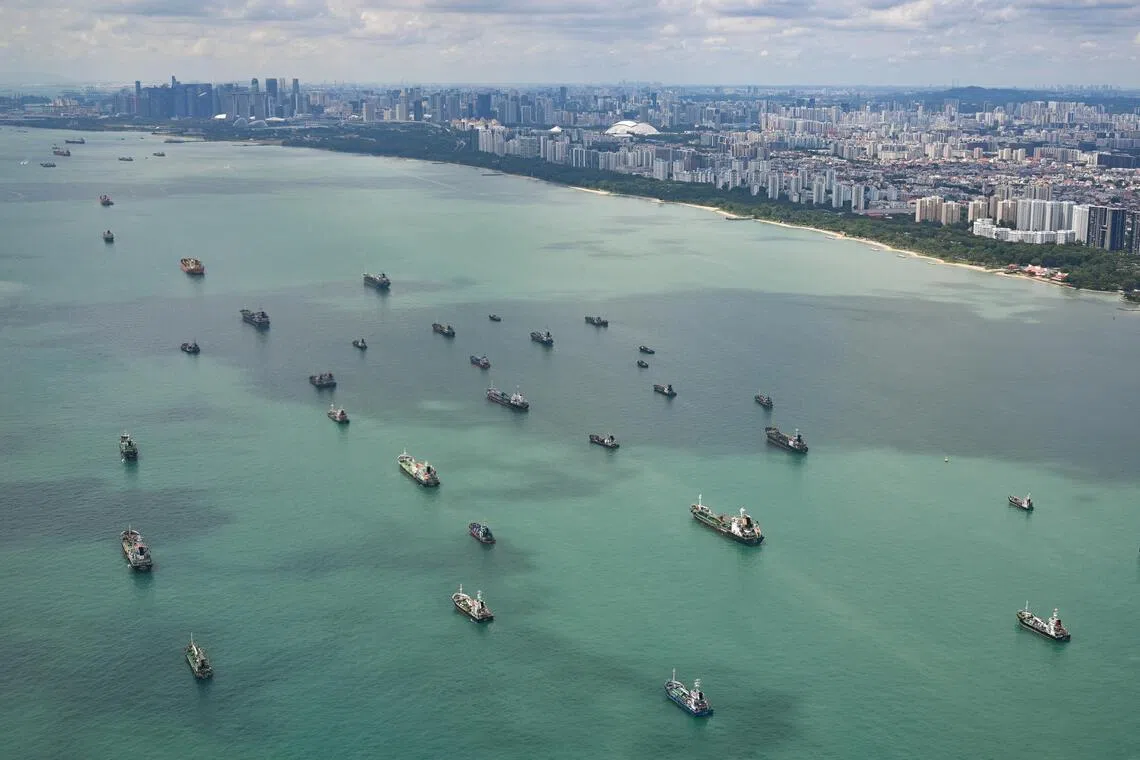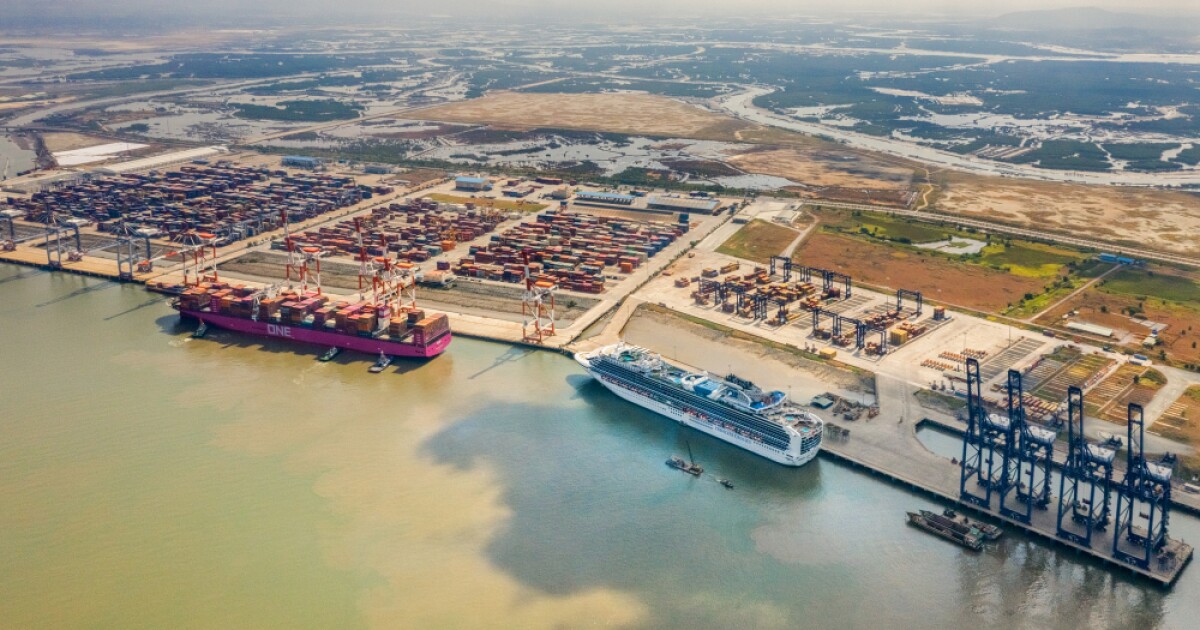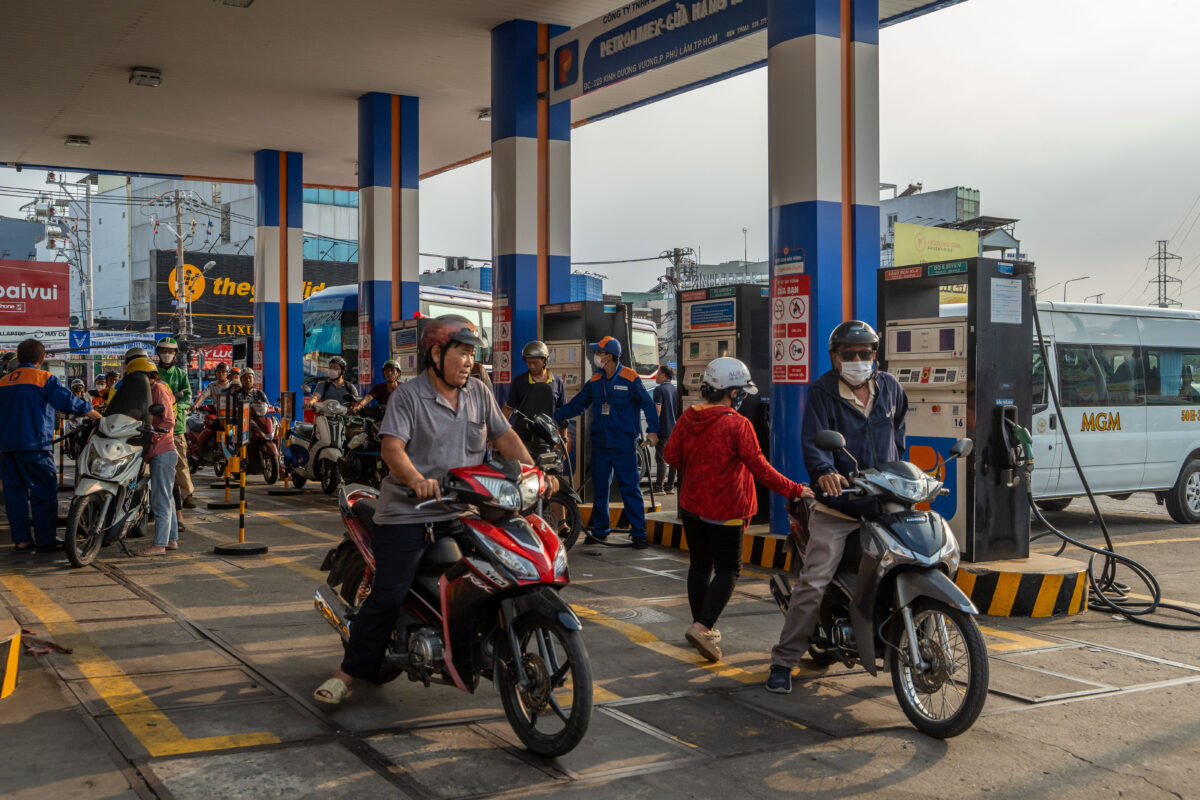
As conflict in the Middle East reverberates through global oil markets, Vietnam faces a severe oil price shock. Its exposure is compounded by structural supply constraints, with domestic crude output projected to fall to 5.8–8.0 million tonnes a year over 2026–30 as major offshore fields mature. Growing dependence on crude imports from Kuwait and the wider Middle East heightens the vulnerability of domestic refining.
In response, the government deployed an array of short-term stabilisation measures, including repeated drawdowns of the Fuel Price Stabilisation Fund, injections to bolster its capacity and an accelerated rollout of E10 biofuel. Vietnam has managed to keep domestic fuel prices relatively contained compared to regional peers, with average petrol prices at US$0.83 per litre in April 2026 — well below Thailand (US$1.31), the Philippines (US$1.03), Cambodia (US$1.16) and Laos (US$1.72).
But Vietnam’s most pressing energy security challenge is not the immediate turbulence in global oil markets, but the country’s structural under‑preparedness for future supply disruptions. Oil stocks cover only roughly 32 days of demand, well below the 90-day benchmark set by the International Energy Agency, leaving Vietnam without the buffer to withstand prolonged shocks. Hanoi should accelerate the development of a national Strategic Petroleum Reserve (SPR) as a critical component of its energy security strategy.