By Editorial Dept - May 29, 2026, 6:30 AM CDT
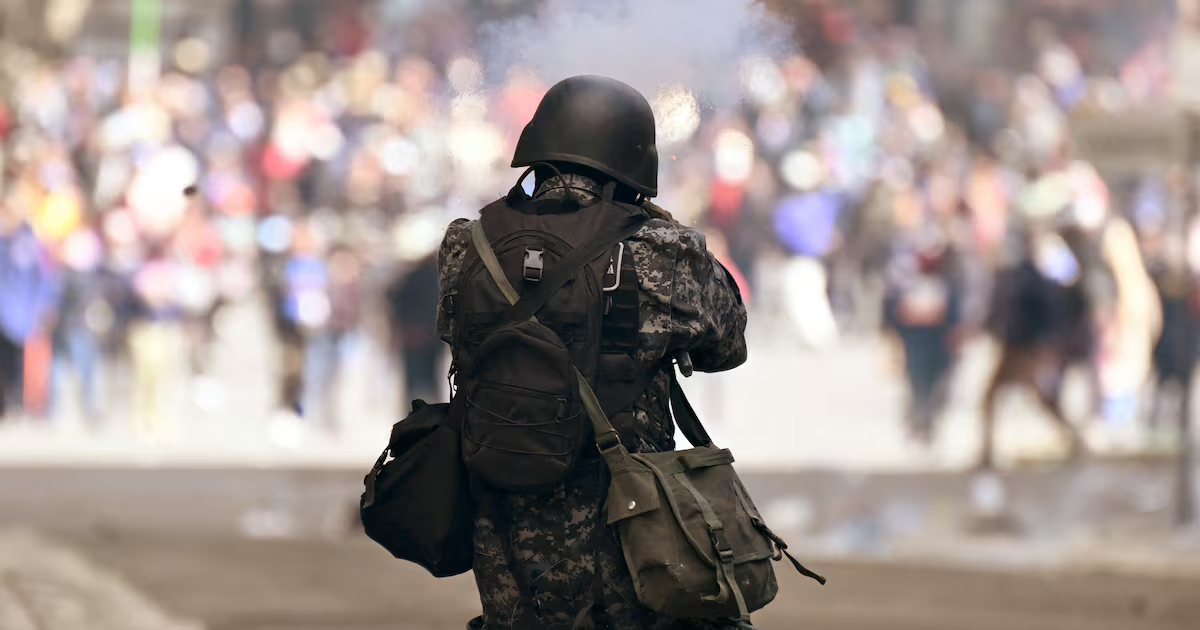
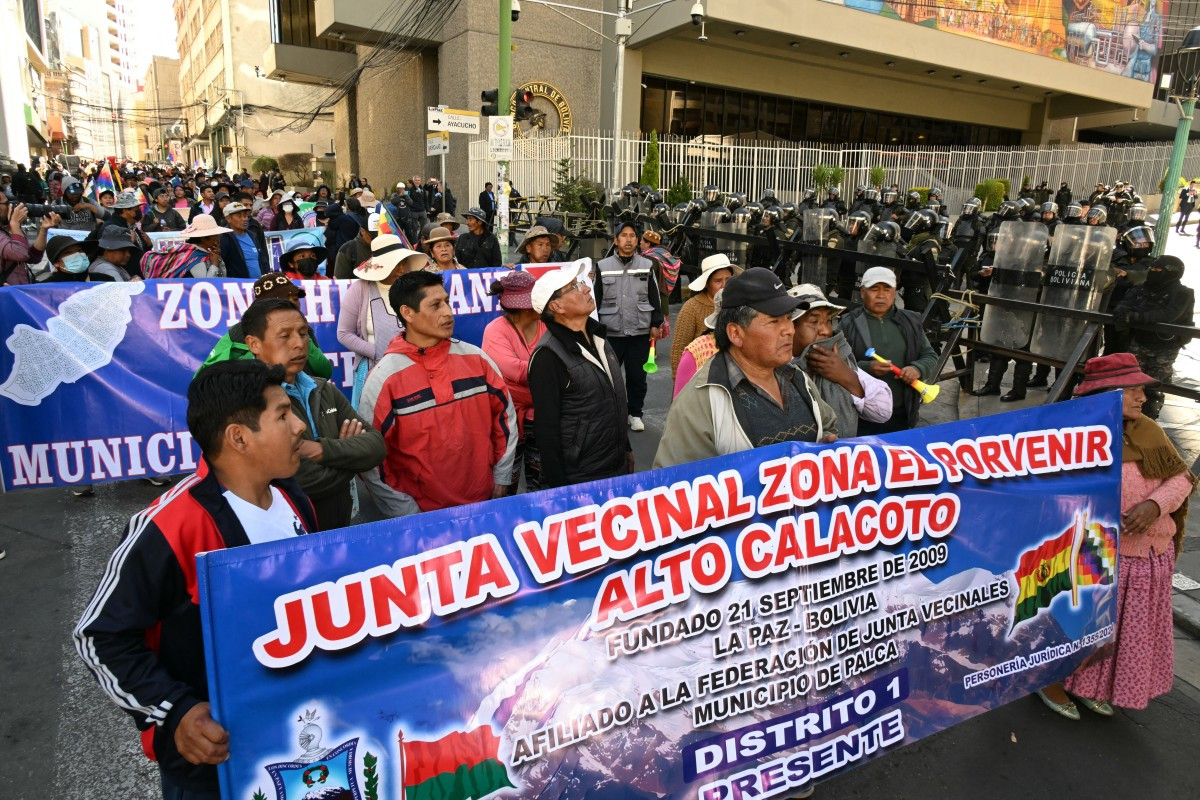
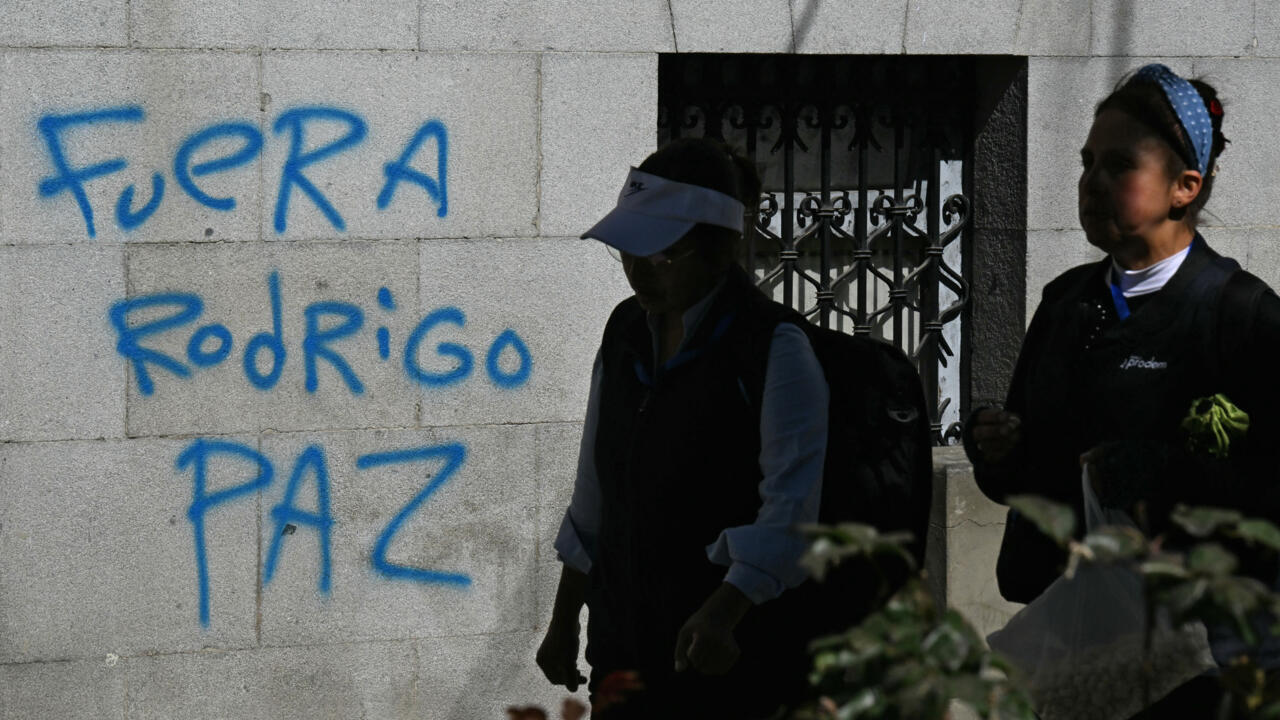
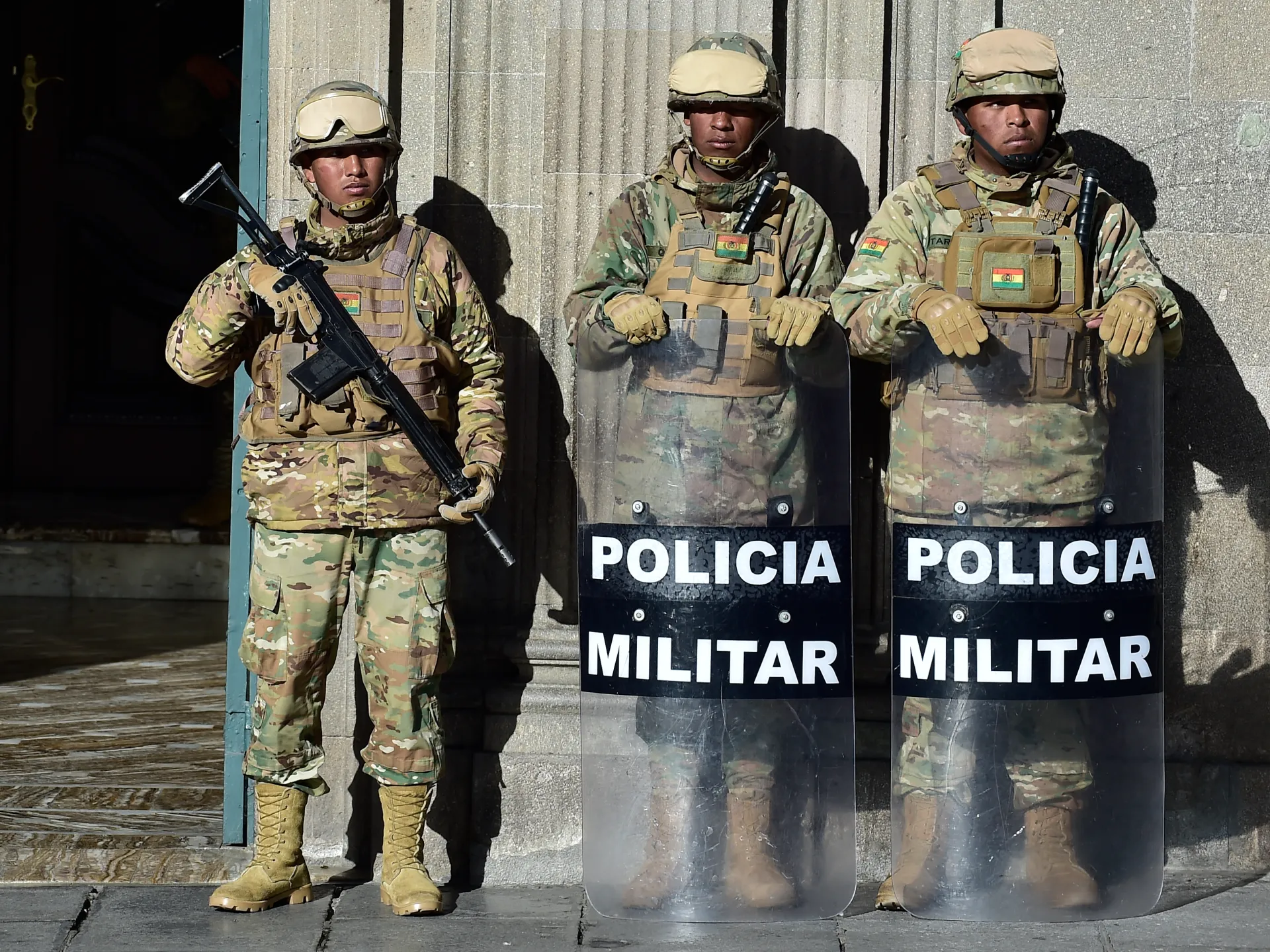
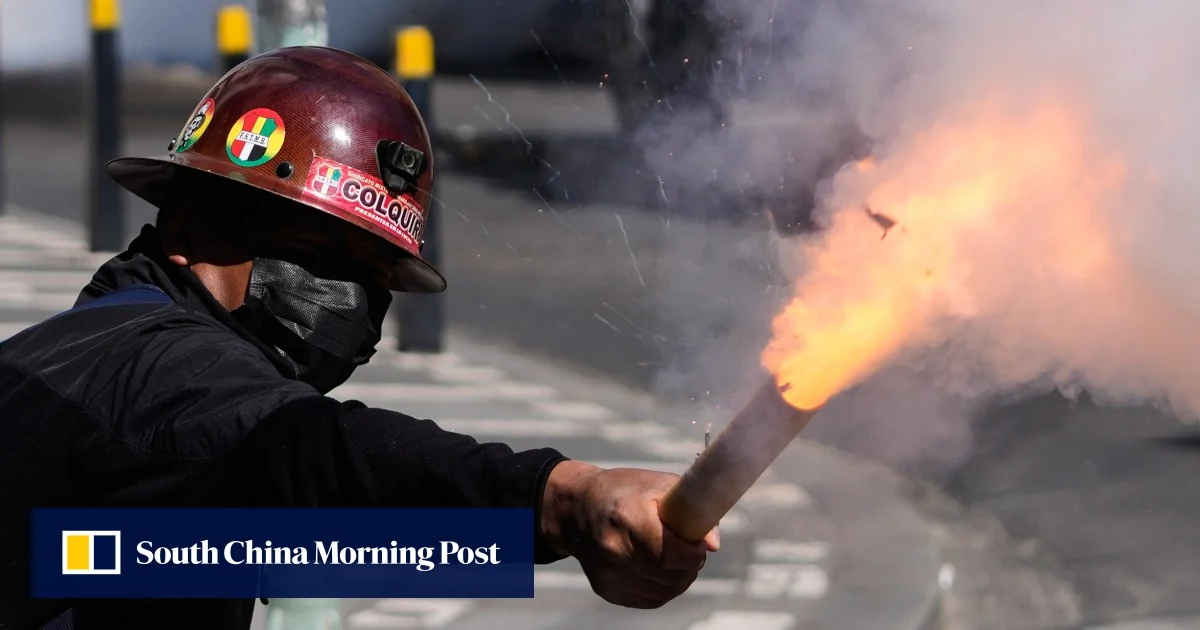
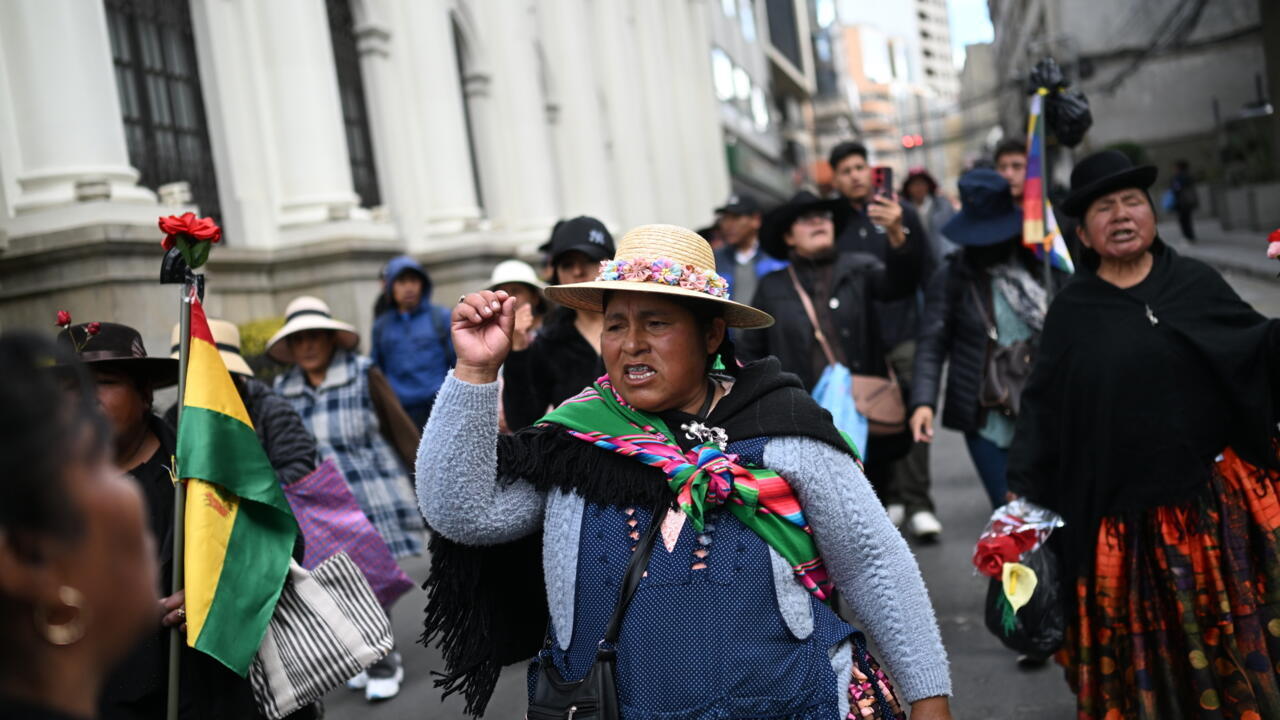
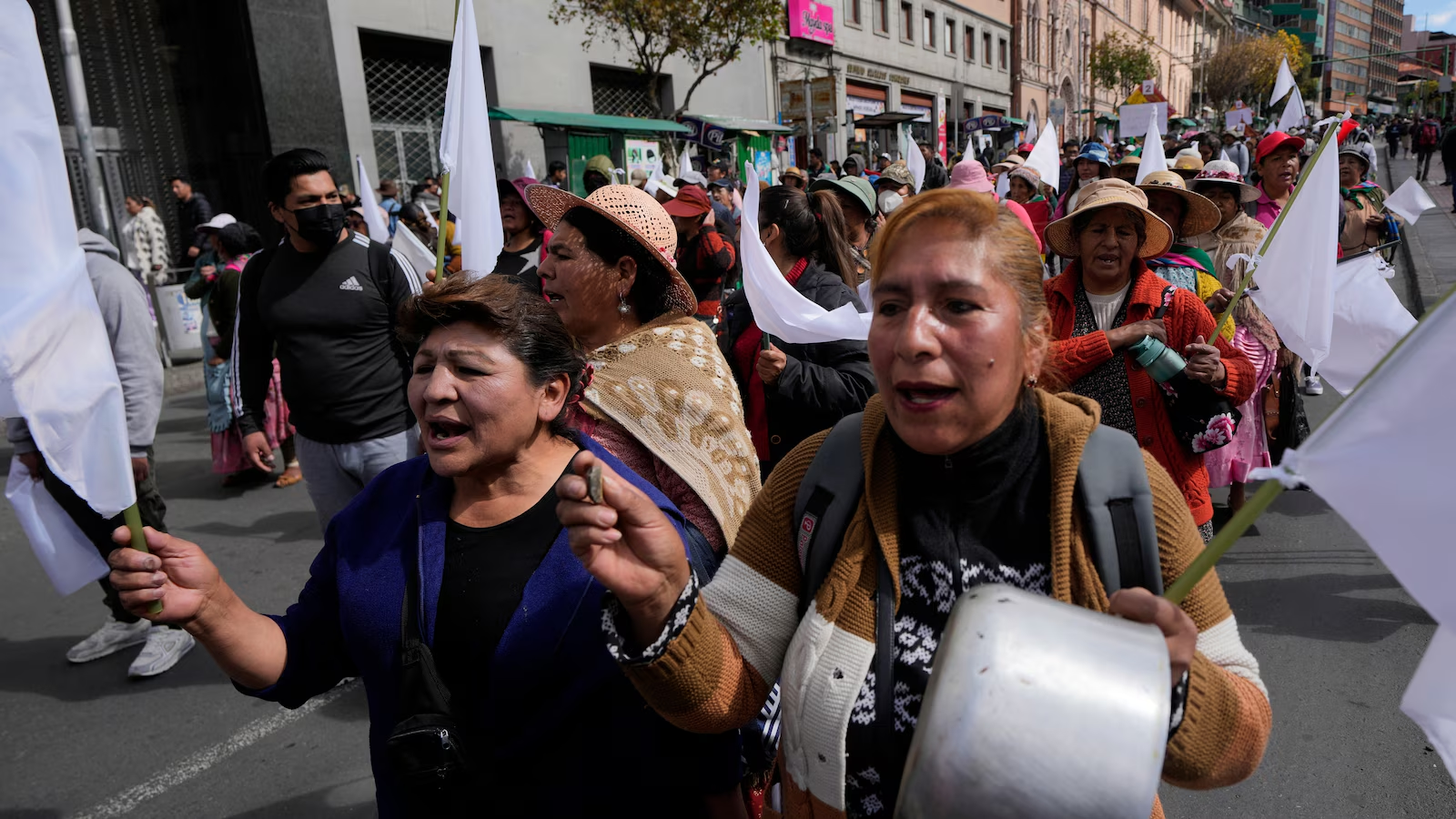
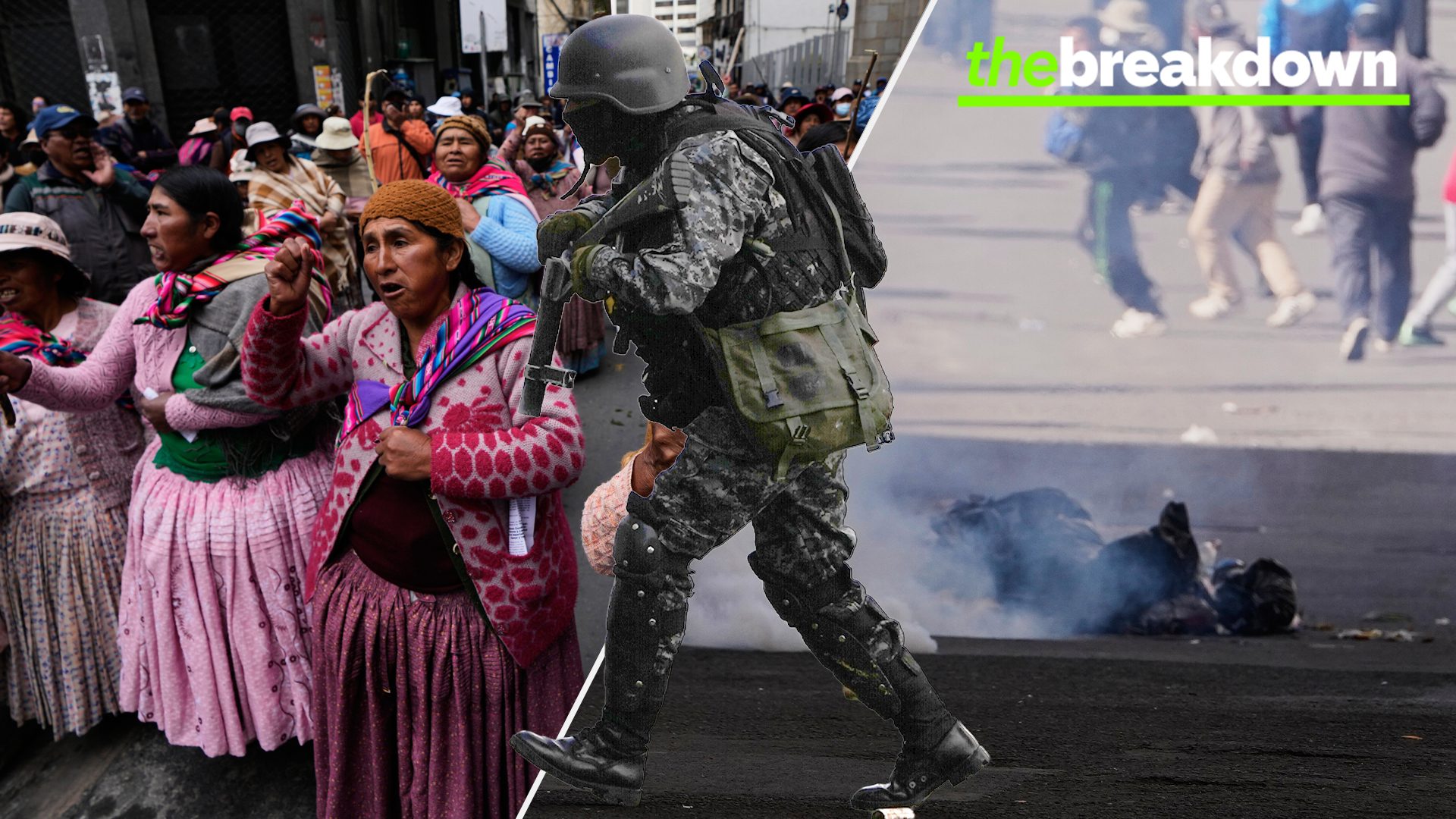
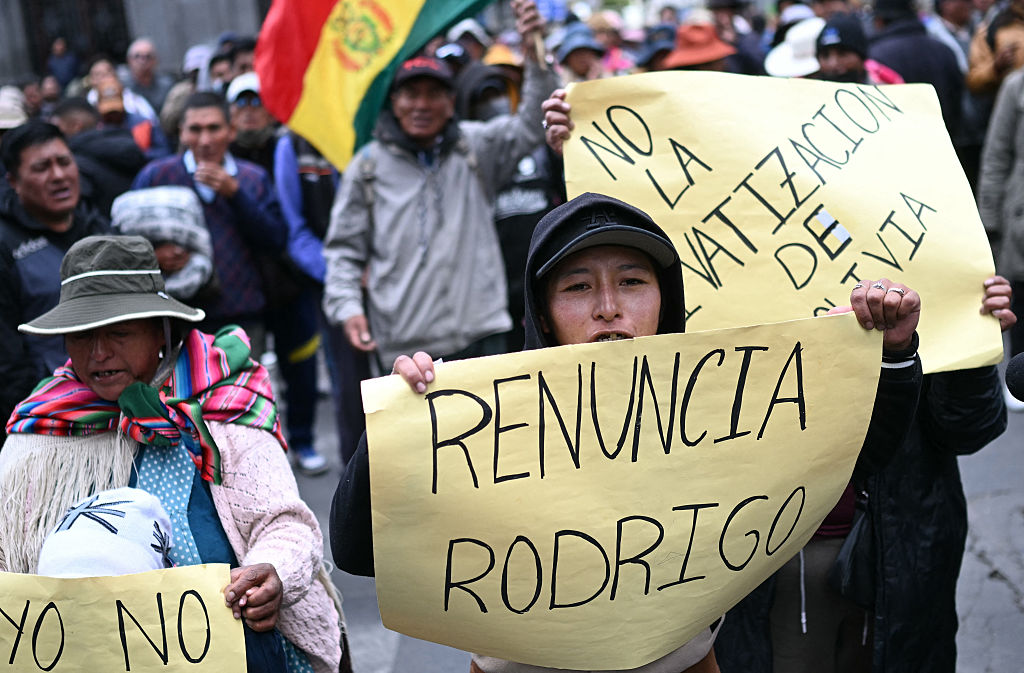
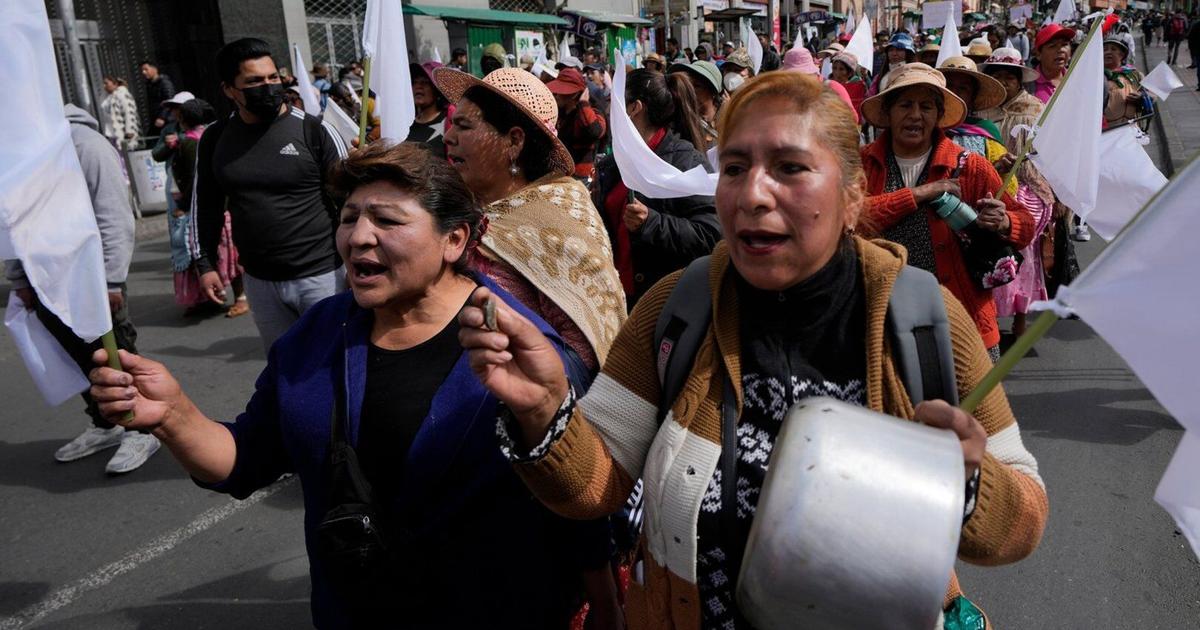
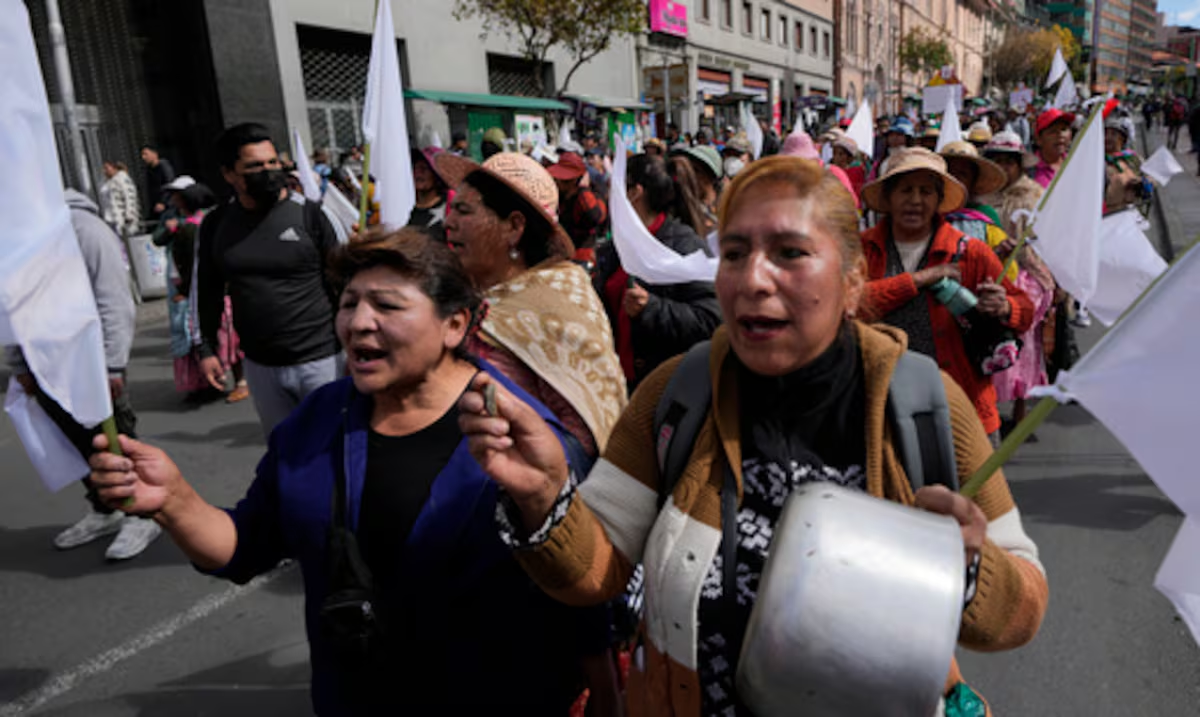
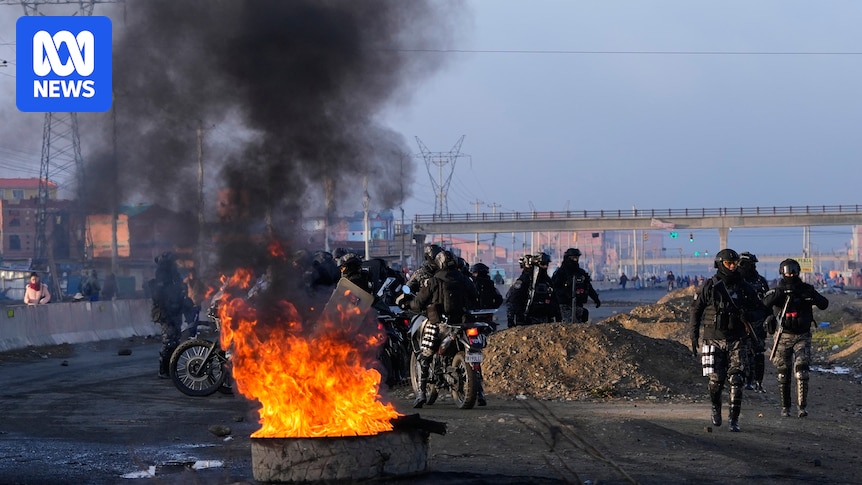
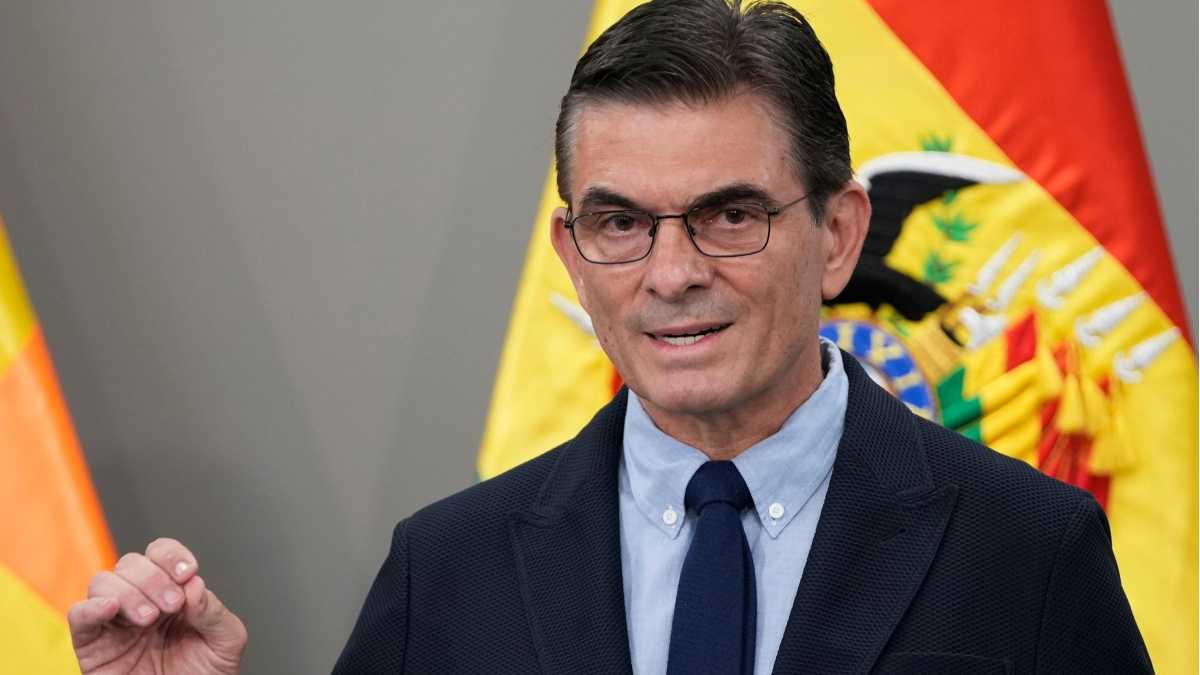
Politics, Geopolitics & ConflictAusterity measures in Bolivia have gone too far, too fast, putting the president’s political longevity in question. Bolivian President Rodrigo Paz, who came into office six months ago, backed by Washington and promising market-oriented reforms during a severe economic crisis, is now facing nationwide unrest after scrapping fuel subsidies, pursuing austerity measures, and attempting land reforms that triggered fears of consolidation by larger agricultural interests. What began as protests from small farmers has now expanded into a massive anti-government movement involving unions, indigenous groups, and sectors already struggling with inflation, shortages, and rising living costs. Road blockades have paralyzed major transport corridors and worsened fuel shortages, creating a self-reinforcing economic spiral that is costing the country tens of millions of dollars per day. Congress has voted to expand the president’s powers to declare a state of emergency and deploy the military to the streets.The Rwanda-backed M23 rebel group, which controls large parts of eastern Congo, is now attempting to become a direct supplier of critical minerals to the U.S. M23 leaders are pitching access to tantalum, tin, and tungsten in hopes that the Trump administration will view the group less as a sanctioned armed movement and more as a potential geopolitical partner in the global race for critical minerals. The region contains some of the world’s…