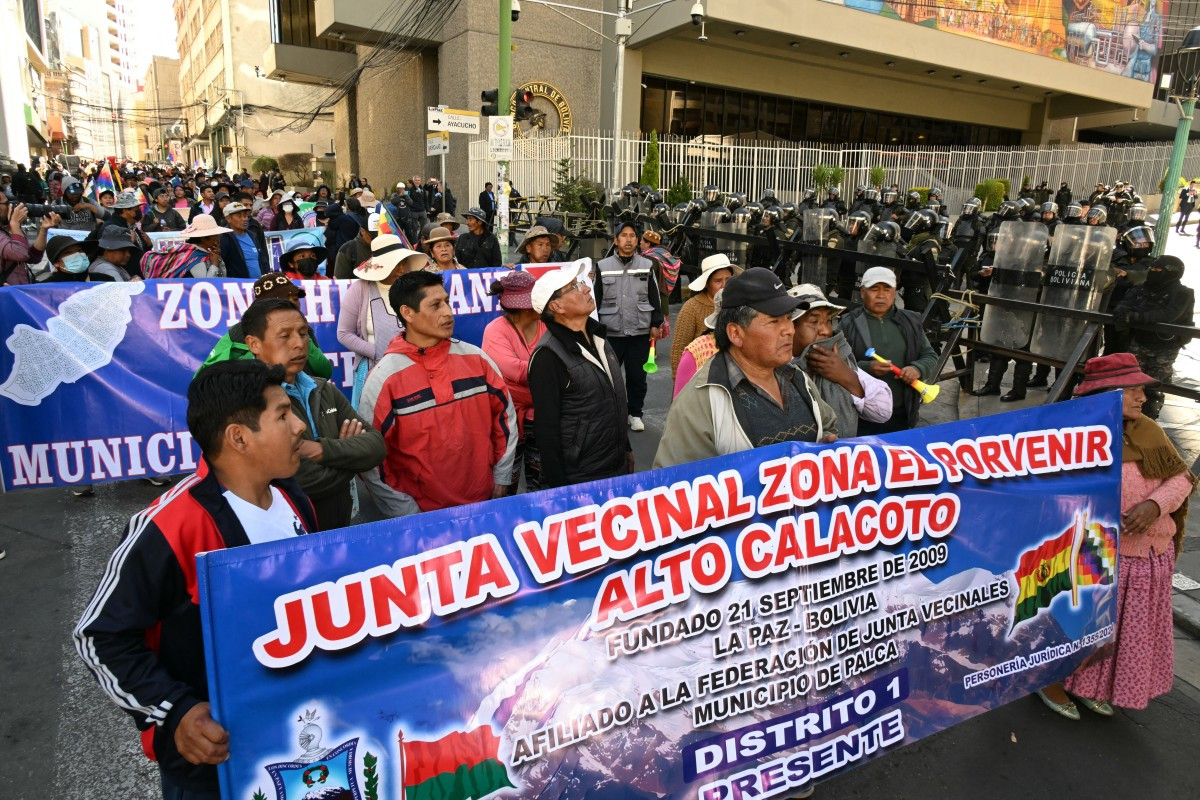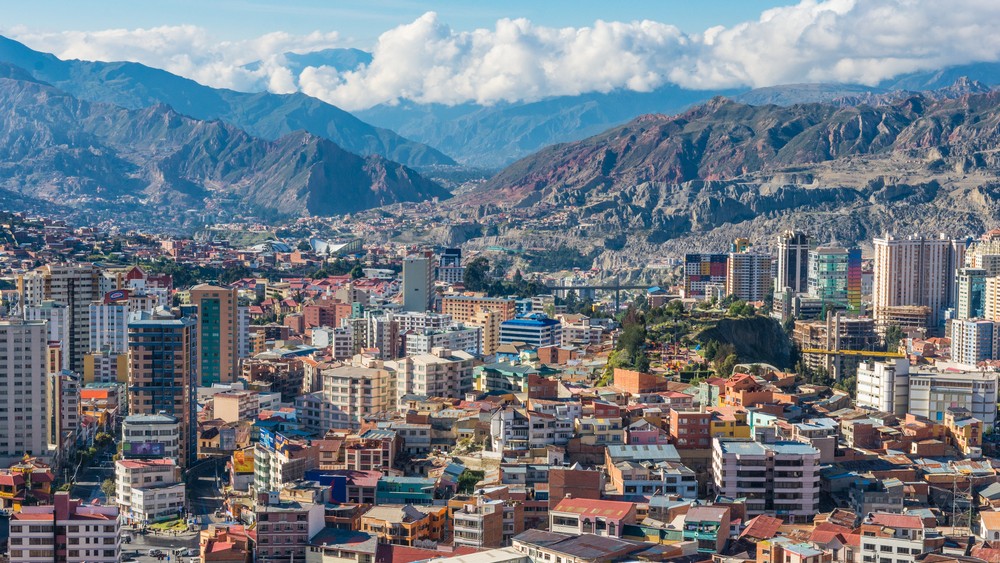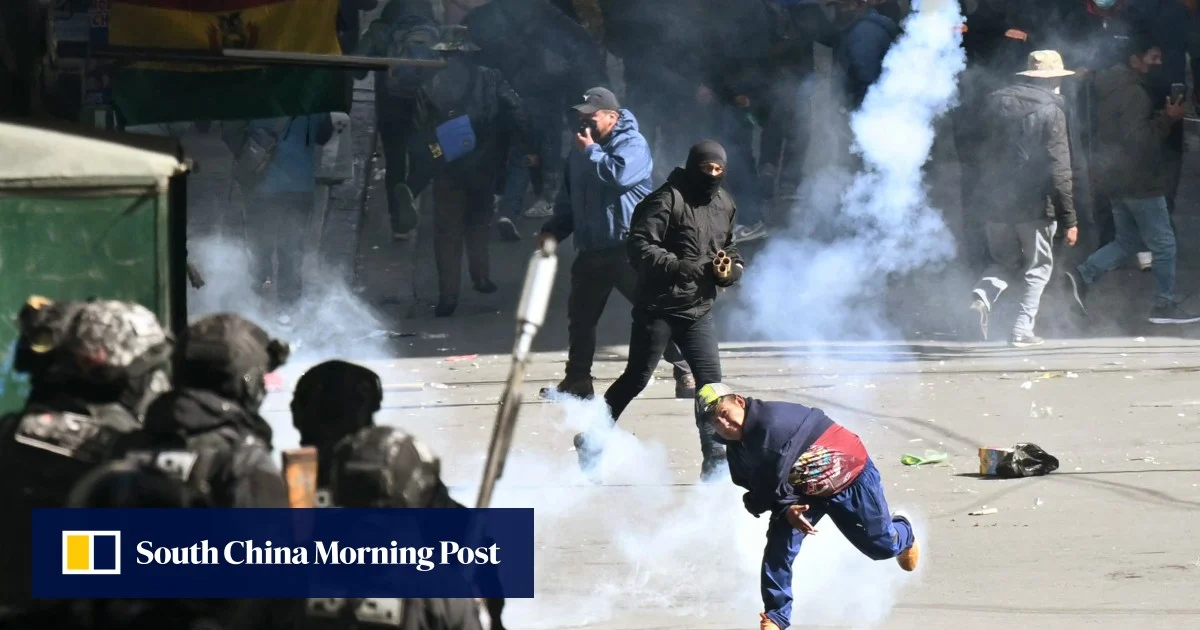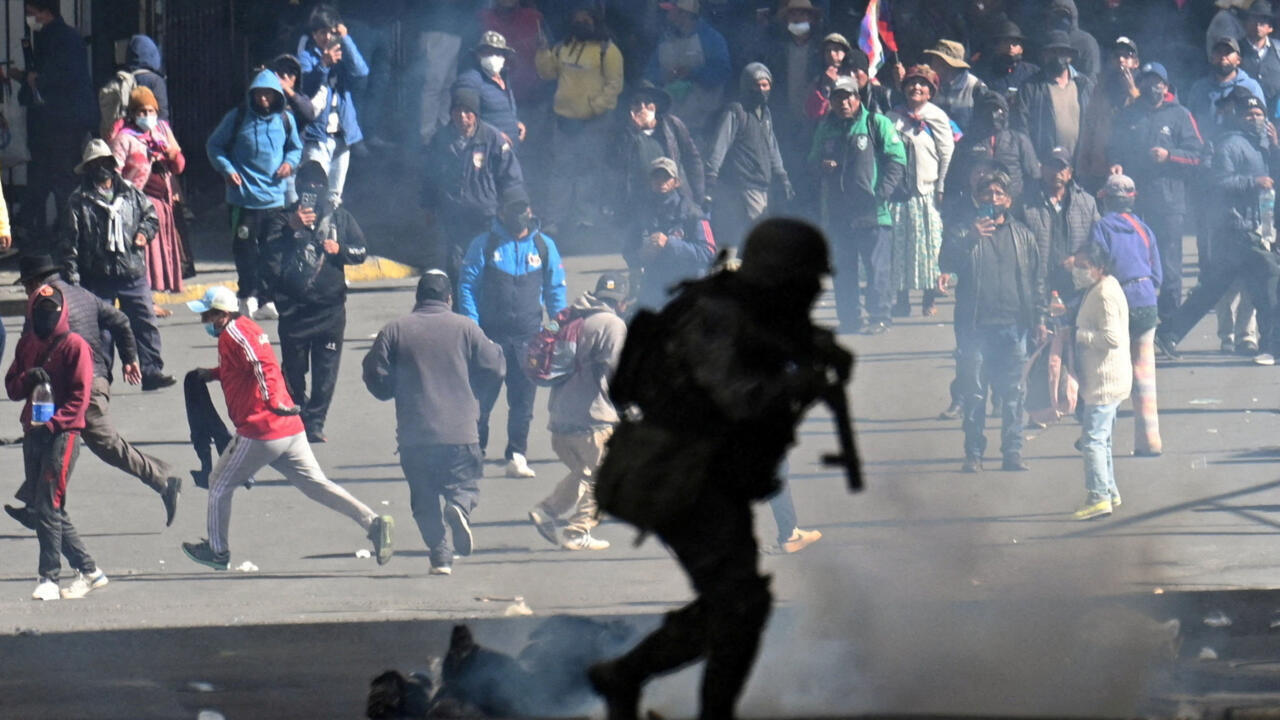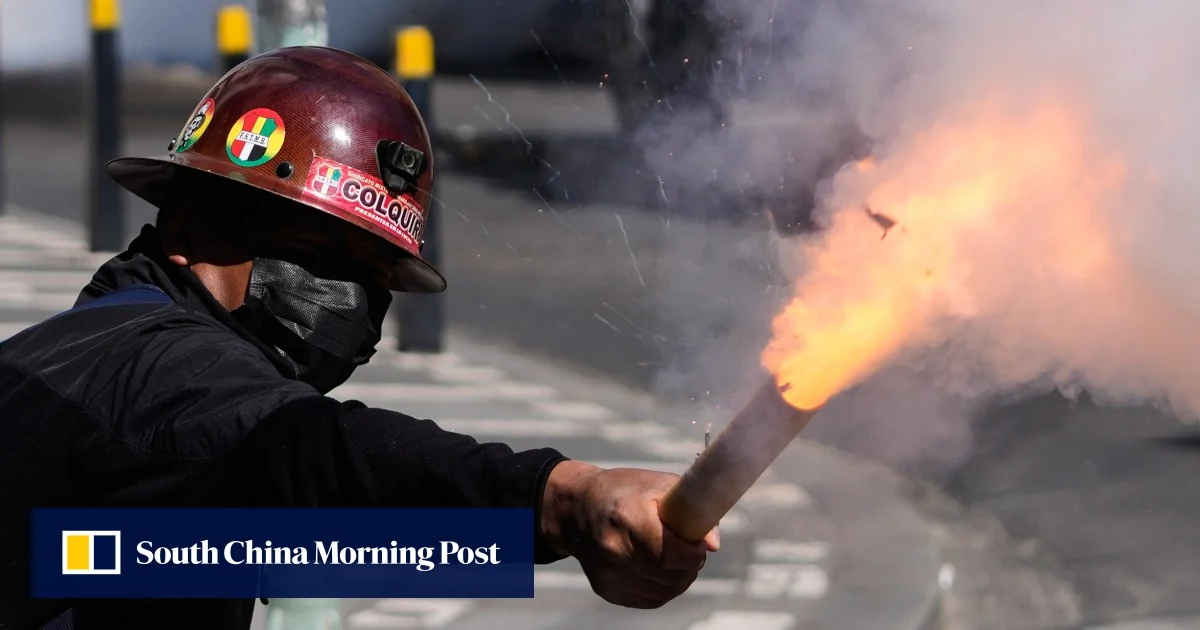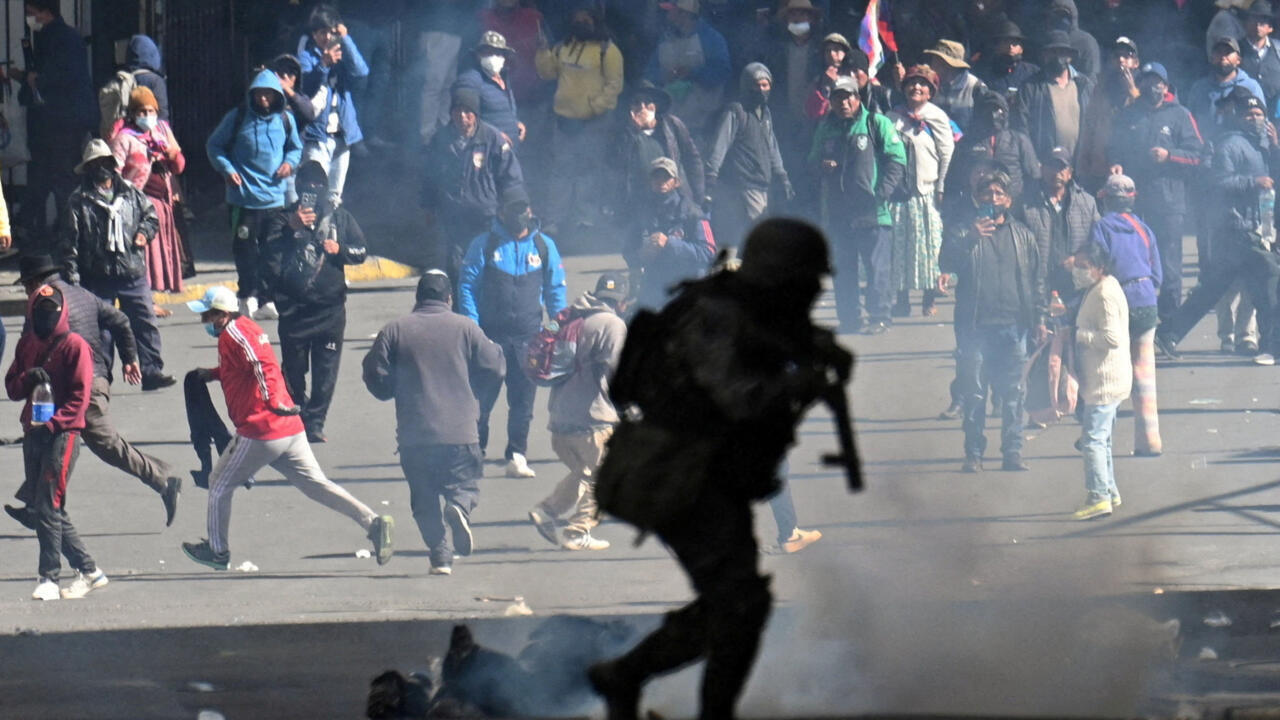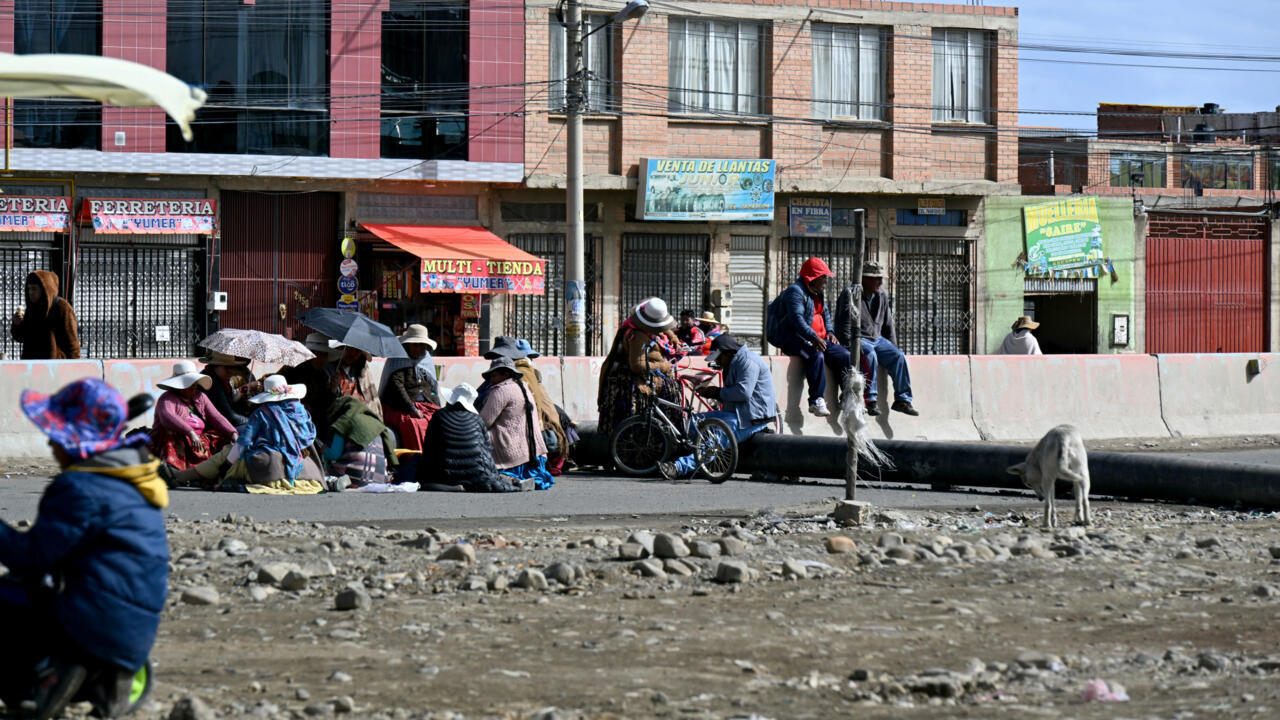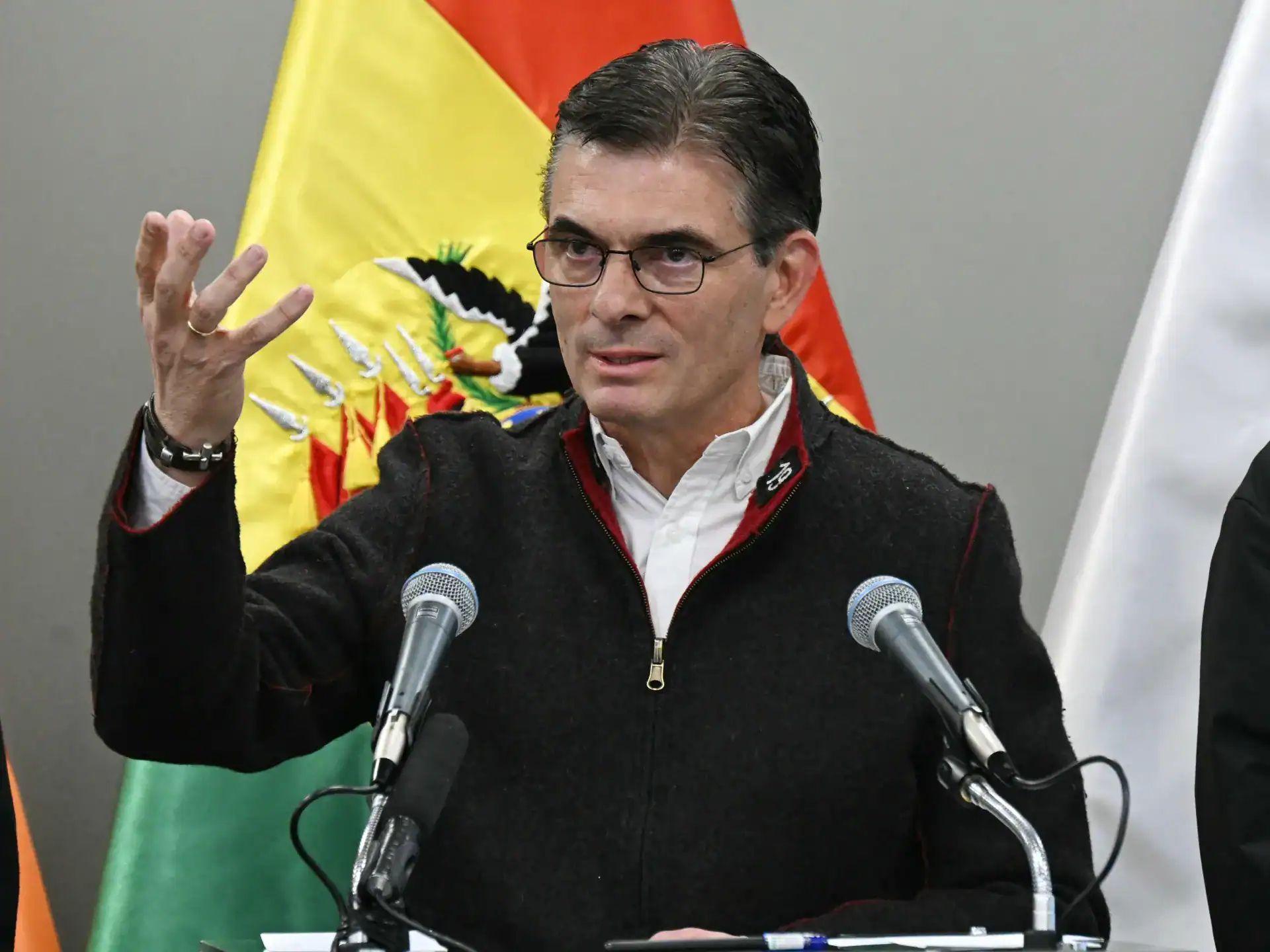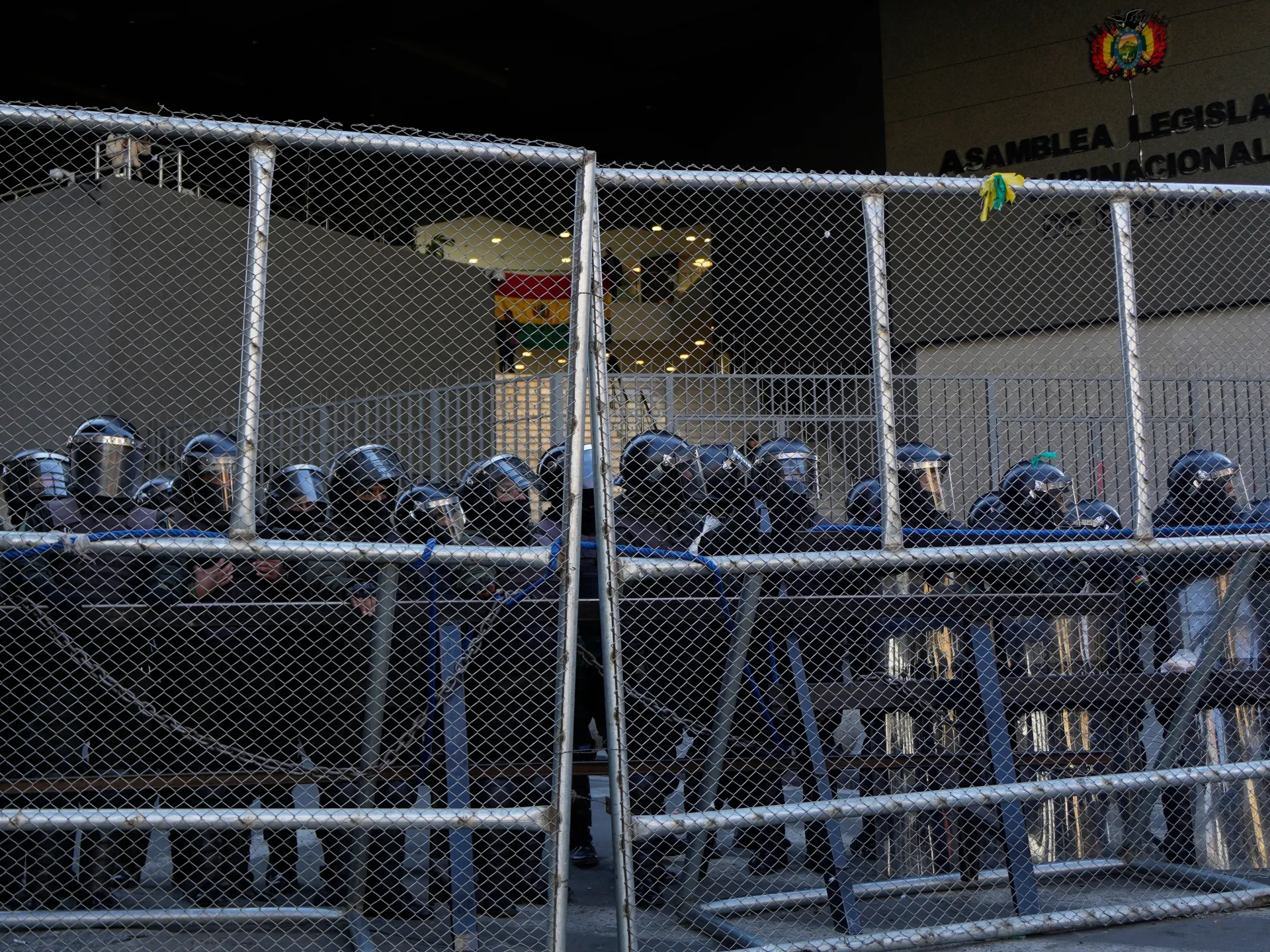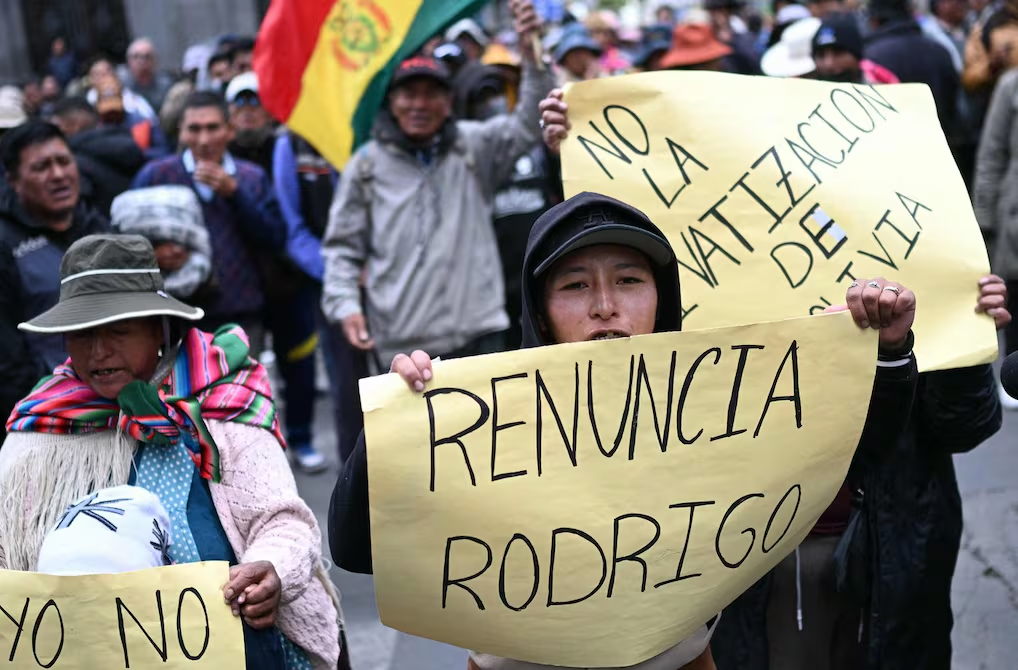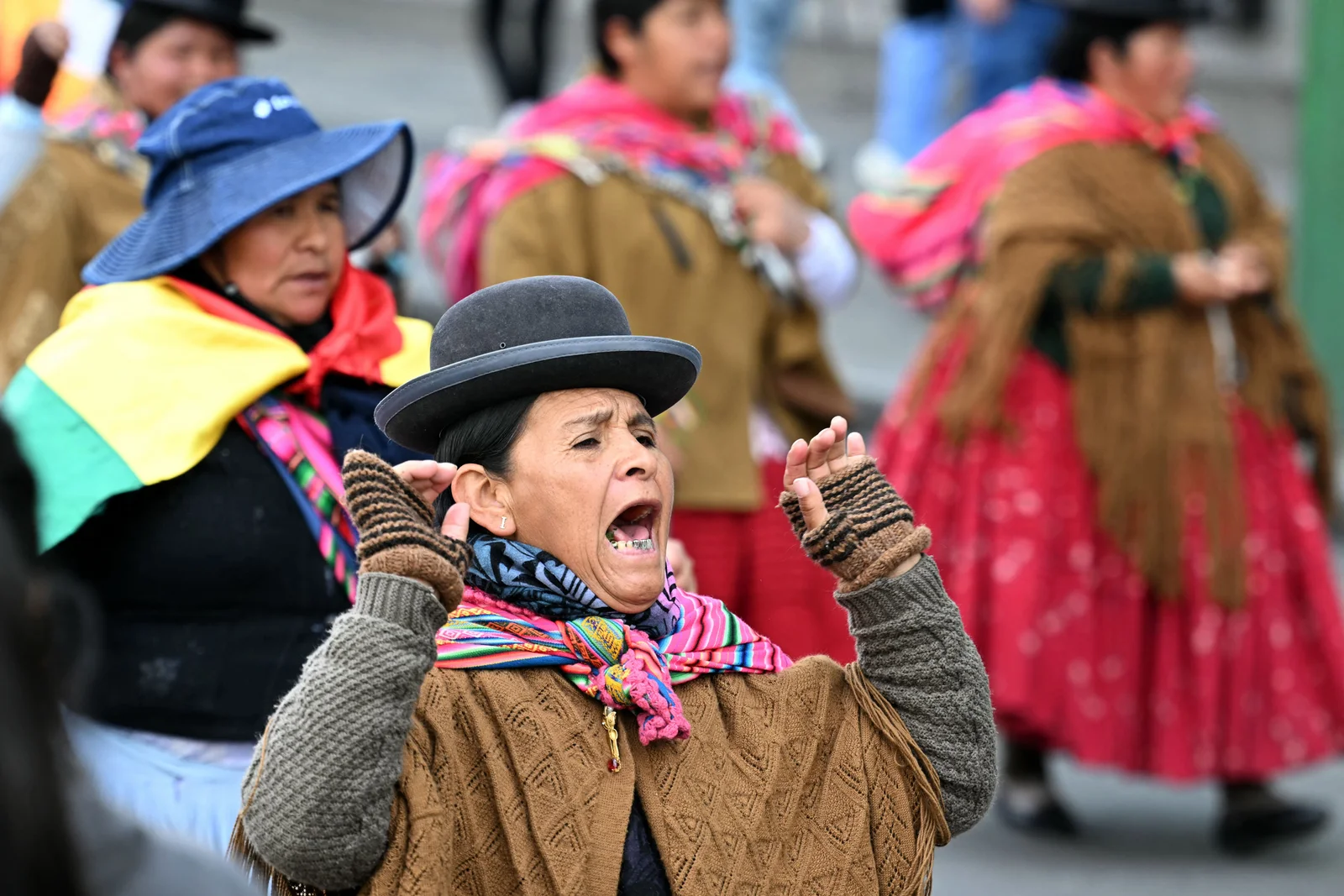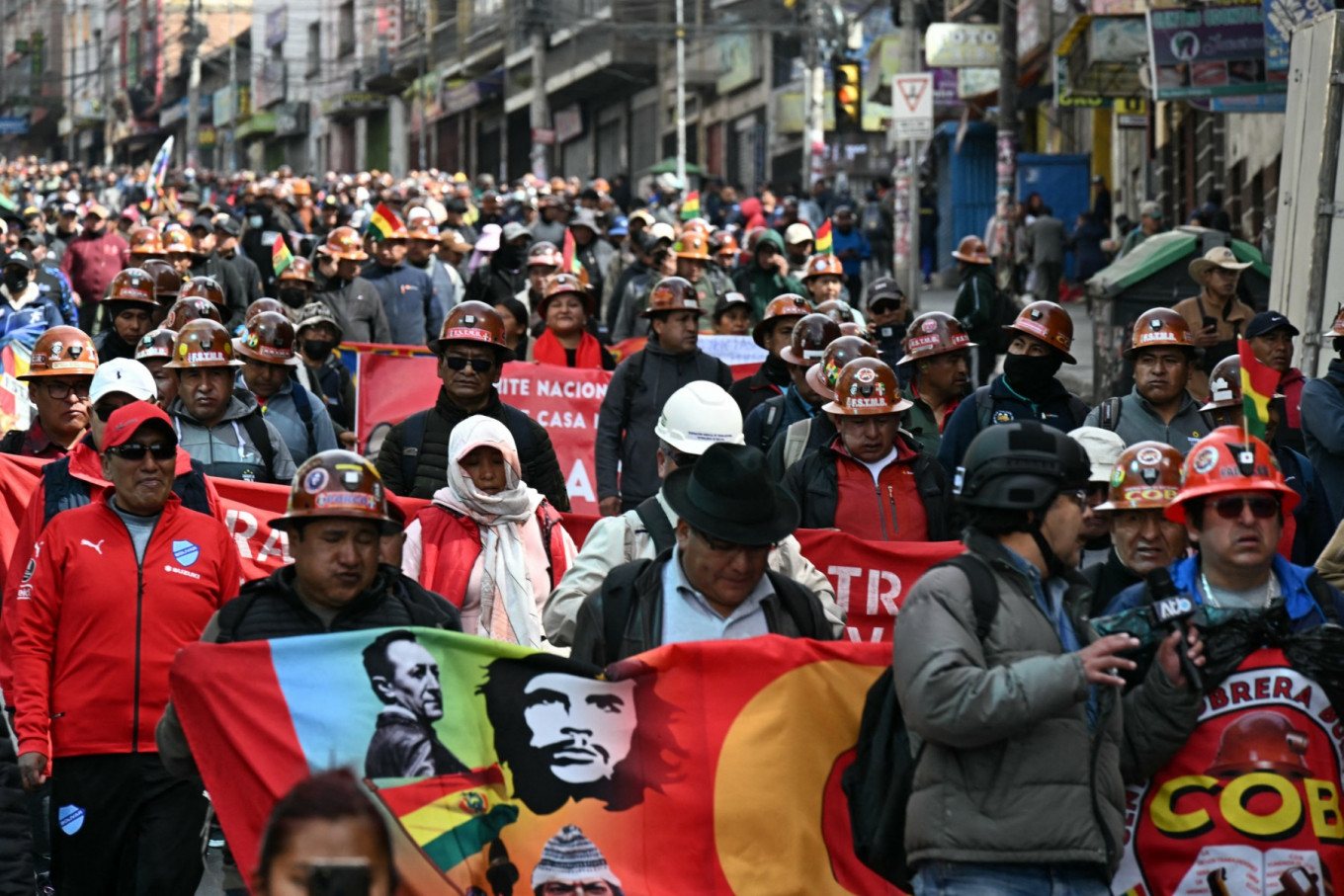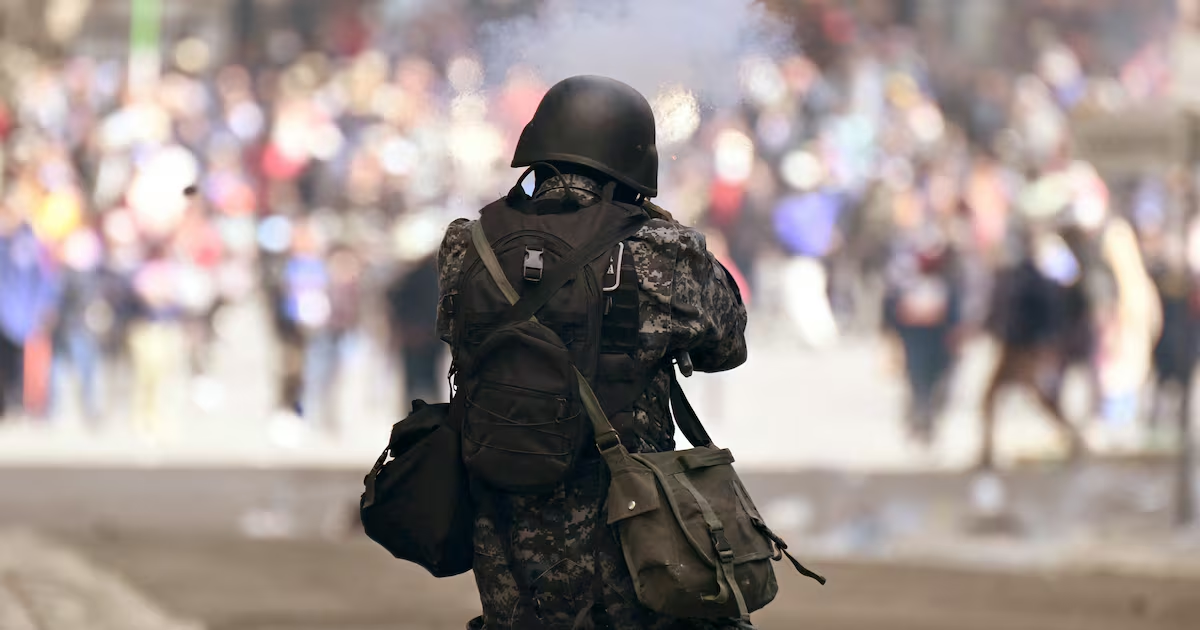
The man who ended almost 20 years of left-wing rule in Bolivia is facing a political crisis as anti-austerity protests demanding his resignation threaten to shut down the country’s biggest cities. Bolivians say no to shock therapyWith a salary of just under €3,000 a month, Bolivian president Rodrigo Paz is one of the most poorly paid leaders in Latin America but this week he cut his pay in half, along with that of his cabinet ministers. But if Paz hoped the gesture would dampen the political and social unrest that has seen protests and road blockades in the country’s major cities over the past four weeks, he looks set to be disappointed.A centre-right, pro-business figure, Paz’s election last year ended two decades of left-wing government in Bolivia under former president Evo Morales’ Movement for Socialism (MAS). But six months later, austerity measures including an end to fuel subsidies, have triggered the country’s worst political crisis in years.Paz claims the actions are necessary to bring Bolivia’s public finances under control and the International Monetary Fund (IMF) last year proposed a structural fiscal adjustment of 8 per cent of gross domestic product over the next three years. But while introducing measures that hurt poorer Bolivians, Paz has also taken steps that benefit the wealthiest, including changes to land classifications that favour concentration by big business owners.The protests and blockades, which have led to shortages of food, fuel and medicine in the cities of La Paz and El Alto, have moved beyond calls for the government to address rising living costs and are now focused on demands for Paz to resign. The president is facing a powerful coalition of demonstrators, led by the country’s most powerful unions, the La Paz farmers’ federation and supporters of Morales.Bolivia’s first Indigenous president, Morales governed for three terms from 2006, overseeing a dramatic reduction in poverty and inequality, an expansion of the middle class, ambitious urban development and strong economic growth. This was driven by a global commodities boom that buoyed the value of the country’s oil and gas reserves, but Bolivia’s good times ended when commodity prices fell and the world went into recession during the coronavirus pandemic.At last year’s election, Morales’ MAS won just 3 per cent of the vote, leaving the contest between Paz and the far-right Jorge “Tuto” Quiroga, who promised an even harsher shock therapy austerity programme. Paz owed his victory in large part to the support of former MAS voters, and it is this group that is most disenchanted with his performance in office.Paz has also sidelined Indigenous people and social groups that governed alongside MAS, inviting none of them to join his government. He has instead appointed members of the business elite to his cabinet, introducing decrees that favour big companies and restoring relations with the Trump administration.Washington is backing Paz, with deputy secretary of state Christopher Landau describing the protests as an “ongoing coup d’etat”. Bolivia has become more interesting for the US recently in part because it forms, along with Argentina and Chile, the so-called Lithium Triangle that contains more than 40 per cent of the world’s lithium.Lithium is used in electric vehicle batteries, energy storage systems and backup power for data centres, and recent years have seen a surge in demand for the mineral, known as “white gold”. Unlike Chile and Argentina, Bolivia has yet to develop its lithium mining industry, partly because the mineral is of lower quality there but also on account of political instability.That instability looks set to continue as Paz struggles to appease the protesters while keeping international investors, the bond markets and the IMF happy. Meanwhile, Morales is in hiding after a judge ordered his arrest for allegedly fathering a child with a 15 year-old girl, which constitutes statutory rape under Bolivian law.Please let me know what you think and send your comments, thoughts or suggestions for topics you would like to see covered to denis.globalbriefing@irishtimes.com
Bolivia struggles to quell anti-austerity protests
Global Briefing: Major cities see protests and road blockades in the past four weeks over measures that hurt poorer Bolivians and benefit the wealthiest
654 words~3 min read