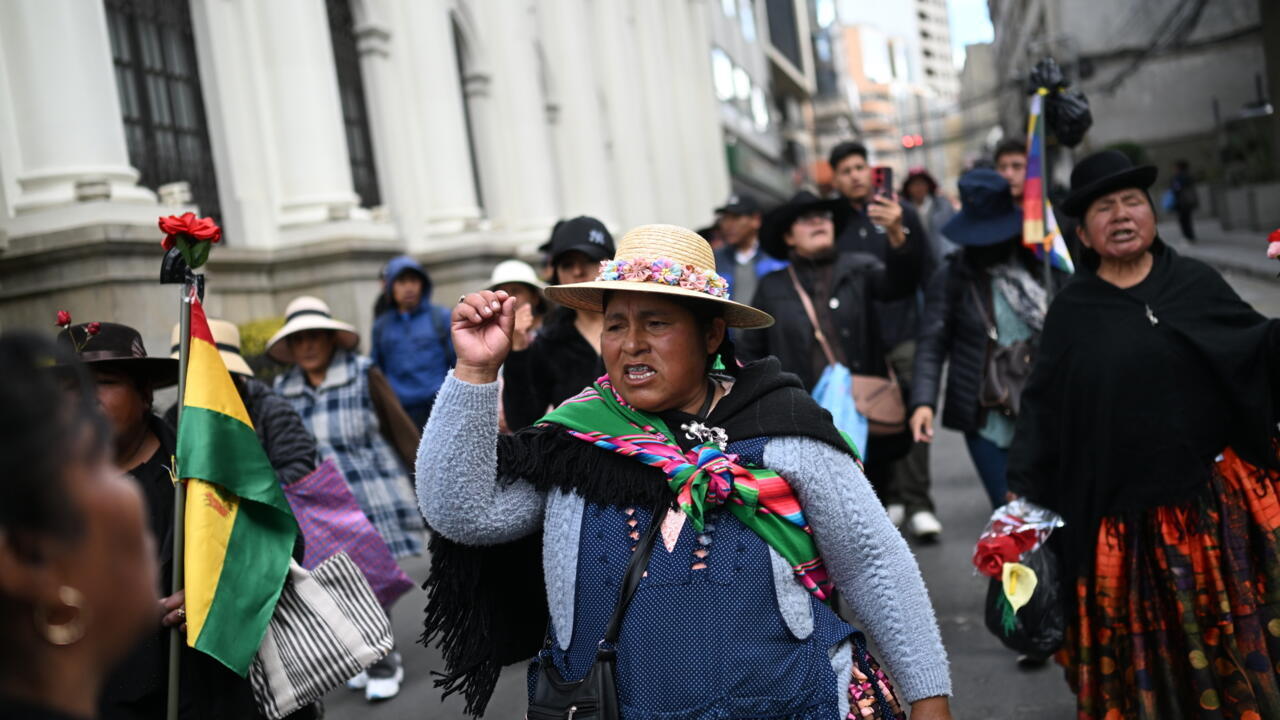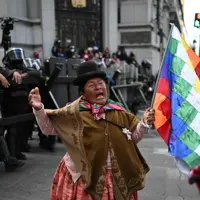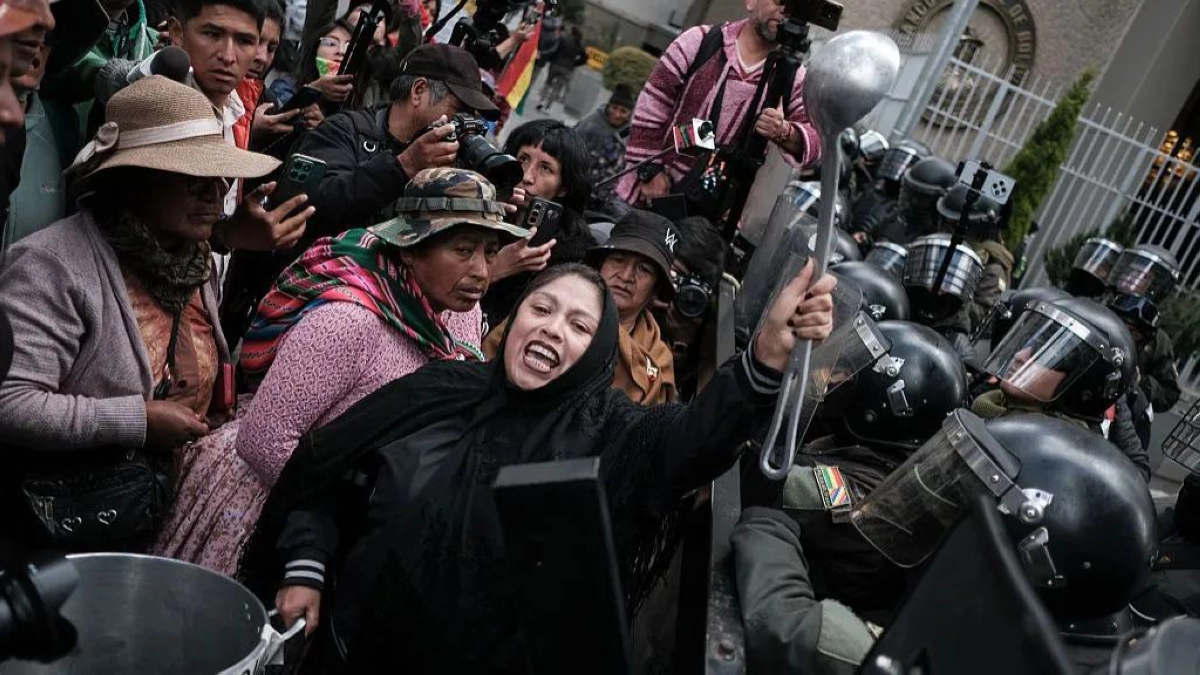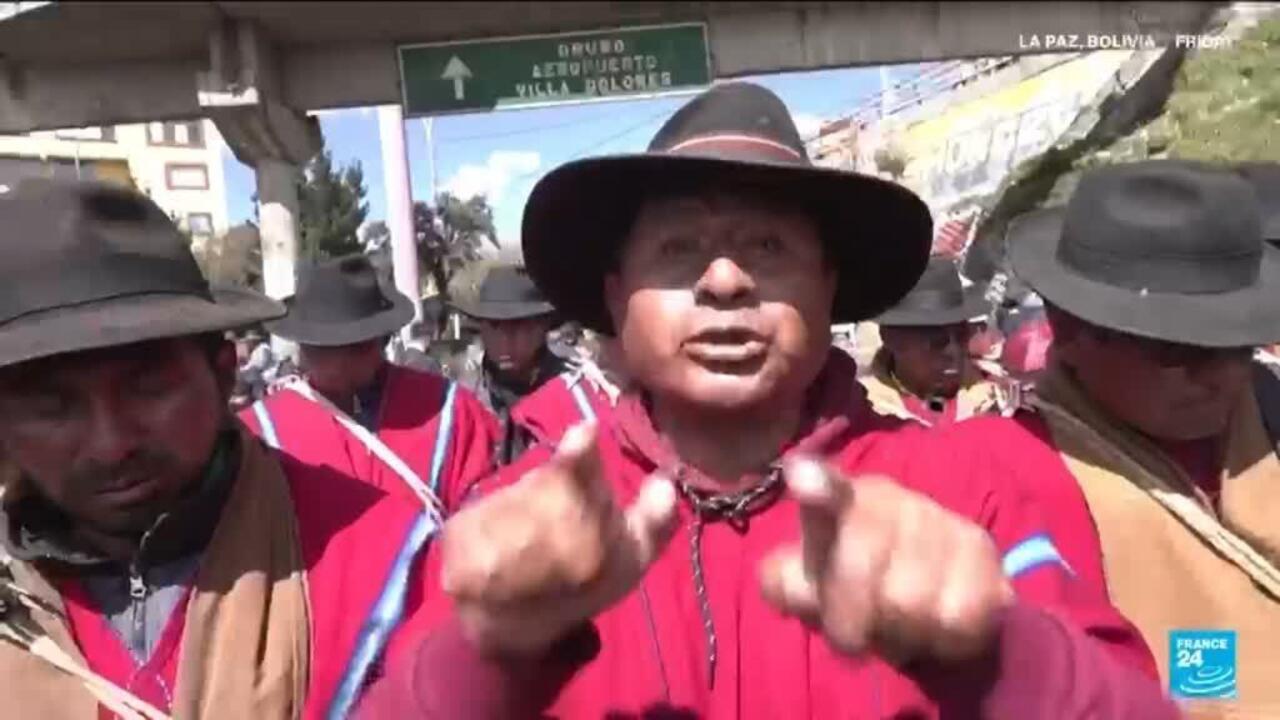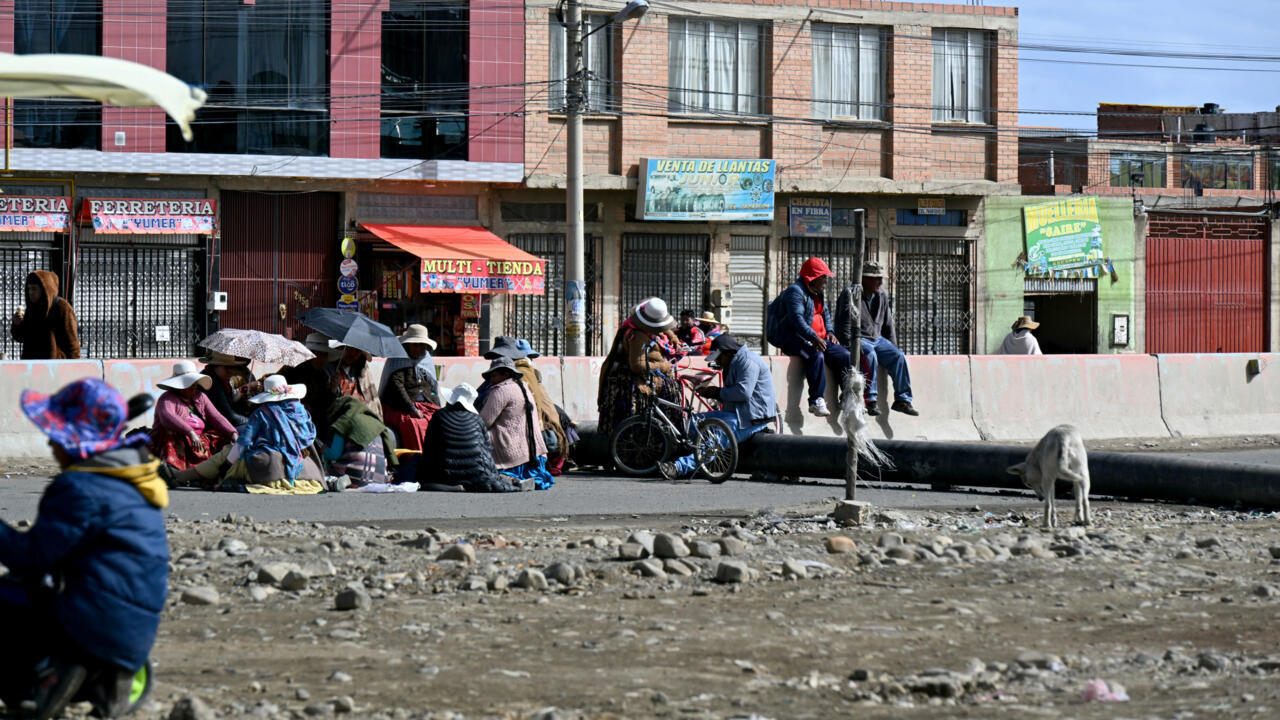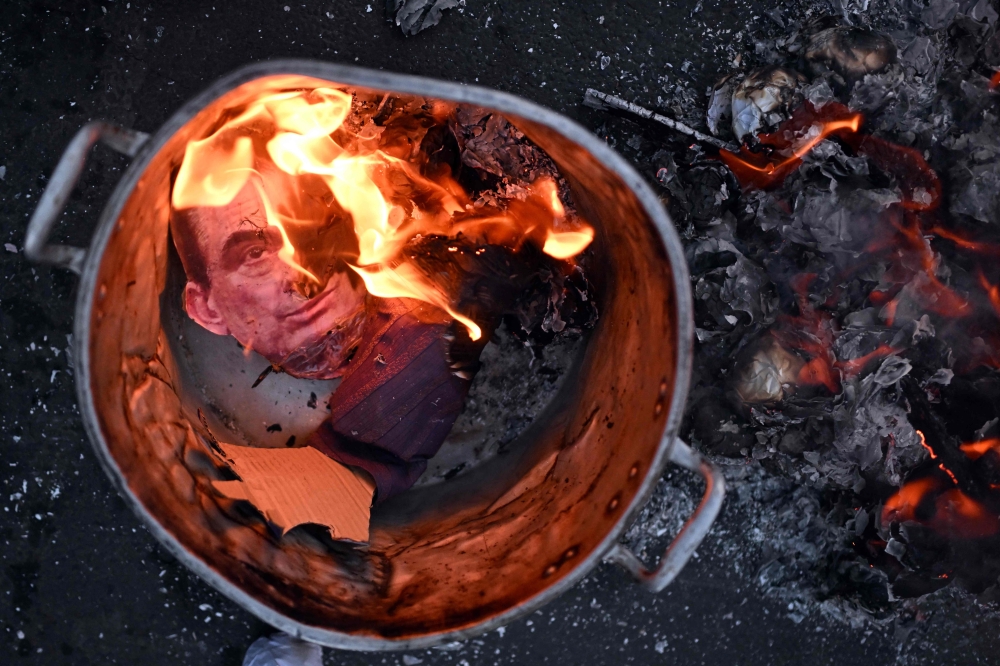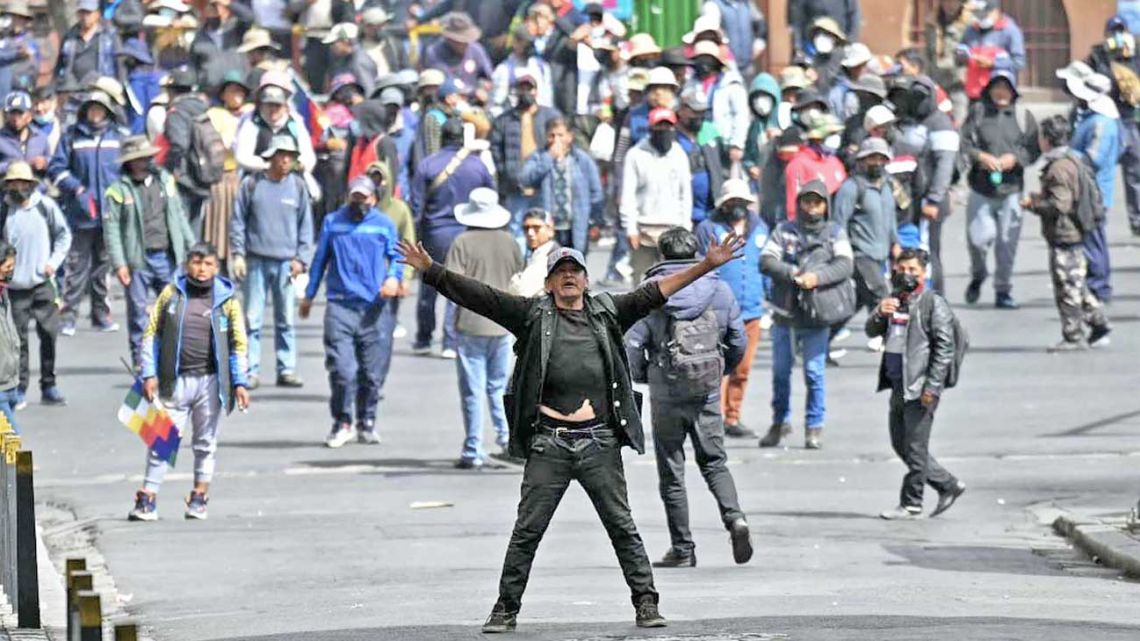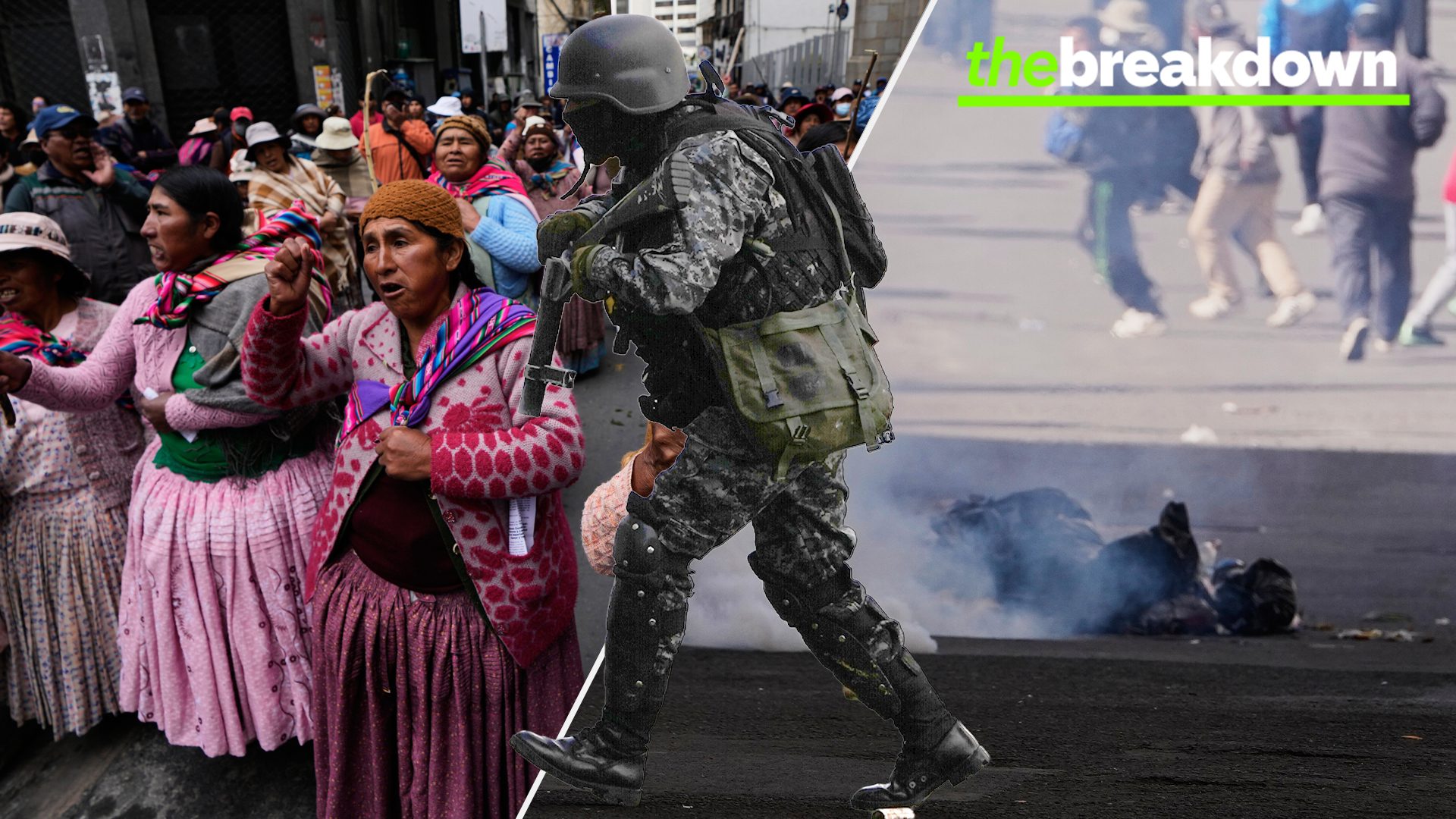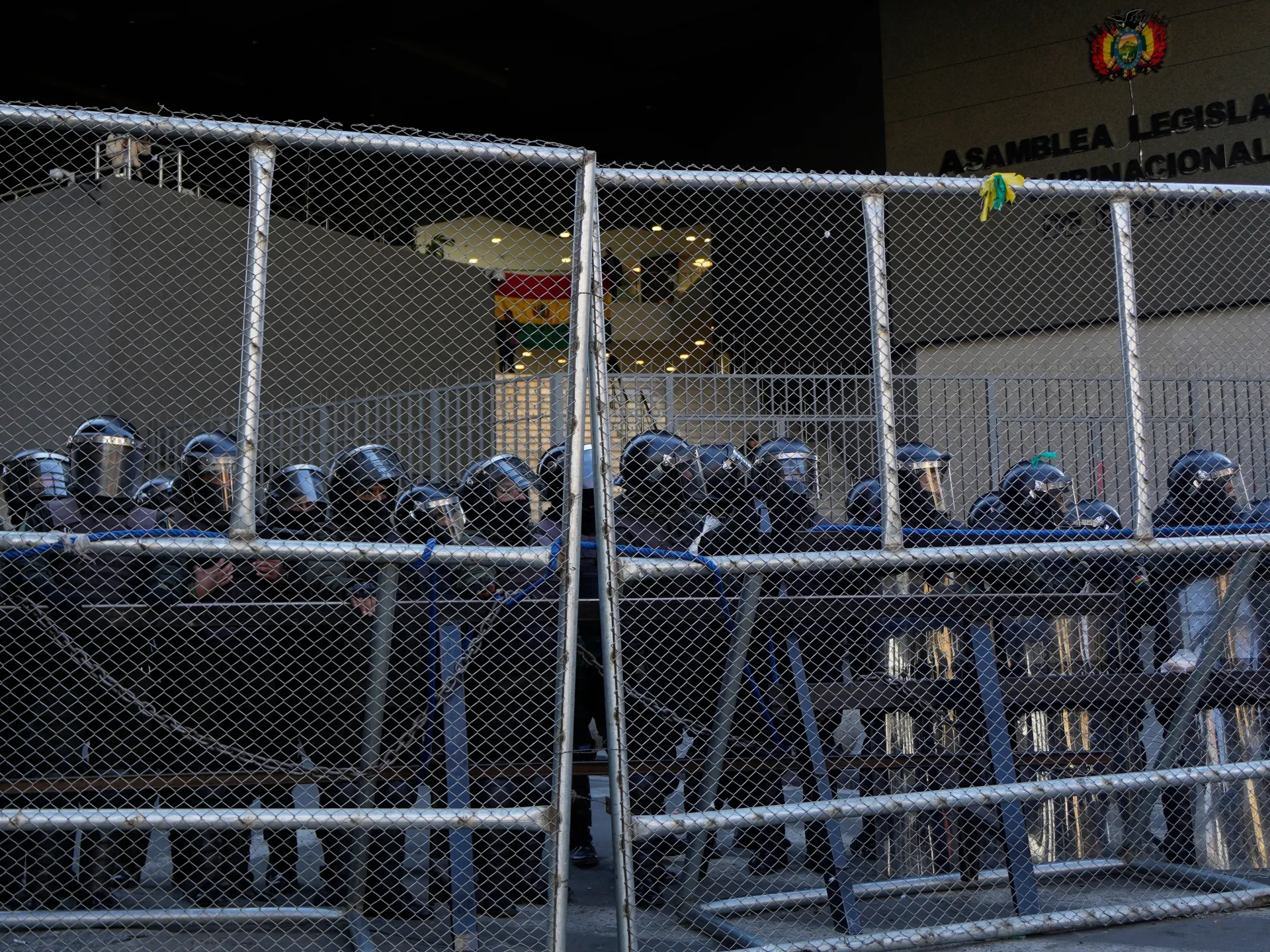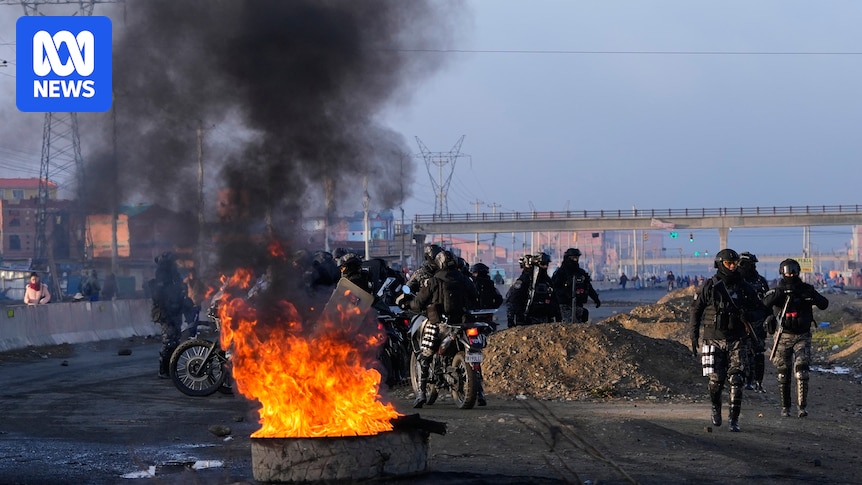
Bolivian President Rodrigo Paz warns the country is at a "breaking point" after nearly a month of protests that have caused shortages of food, fuel and life-saving medicine.The political capital, La Paz, has been besieged by low-income workers and members of the country's Indigenous majority have called for the president's resignation.Less than six months ago, the inauguration of centrist president Rodrigo Paz seemed to usher in a new reality for Bolivians reeling from the worst economic crisis in a generation and fed up with two decades of almost uninterrupted socialist leadership.After years of diplomatic isolation, Bolivians took pride in the dozens of international delegations that celebrated Mr Paz's swearing-in as he repaired strained relations with the United States and regional powers. Now, that optimism has been replaced by dread as violent protests shake the government of the Trump administration ally. Demonstrators wielding dynamite have blockaded major cities, leading to shortages of food, fuel and medical supplies. Indigenous and rural Bolivians who backed Mr Paz's campaign promises to up-end the status quo while protecting social welfare have called on him to step down.On Tuesday, Congress lifted restrictions on him announcing a state of emergency, paving the way for Mr Paz to possibly deploy troops to restore order."The country needs order, and is reaching breaking point," the 58-year-old leader said at a public event in La Paz, on Wednesday, local time, renewing his appeal for dialogue."If they do not want dialogue … then there is no other way," he said of the protesters while insisting that he preferred to negotiate."We have deaths because of the blockades. Someone has to answer for that."Protesters feel abandoned by governmentFormer supporters of Bolivia's long-dominant Movement Toward Socialism party, known by its Spanish acronym MAS, who helped vault Mr Paz to power, have increasingly voiced concern his government does not represent them.Shortly after entering office, Mr Paz struck deals with right-wing parties in Congress. He shut out the populist vice president widely seen as responsible for his electoral success.He named no members of Bolivia's Indigenous majority to high-level posts. He supported a land reform bill to boost agribusiness that Indigenous farmers said put them at risk of eviction. A demonstrator near the government palace during an anti-government protest in La Paz, Bolivia. (AP: Juan Karita)He scrapped fuel subsidies, sending prices surging by nearly 90 per cent. Motorists complained the gasoline was contaminated and ruined their cars.To blunt the blow of price hikes from the Iran war, Mr Paz offered cash transfers to vulnerable families. He hiked the minimum wage up by 20 per cent. He repealed the controversial land law. But he also rebuffed demands for further salary increases, infuriating the national labour union."It's not that from one day to the next he was asked to resign," said Mirian Huarina, a protest leader."He had time to provide a solution to these problems and to the demands of different social sectors."Road blockades have brought down governments beforeBy a quirk of geography, barriers thrown up along the slopes leading down to Bolivia's seat of government, La Paz, can completely isolate more than 1.6 million residents of the city and its surroundings, or more than 13 per cent of the country's population.Indigenous movements have long deployed the siege strategy, popularised during a late-18th-century rebellion against Spanish colonialism.In 2003 and 2005, demonstrators blockading La Paz in protest over foreign designs on their country's natural gas reserves toppled two consecutive pro-Western governments, paving the way for the rise of former President Evo Morales, founder of MAS.Shop vendors bang on pots during a march against protesters blocking access to the city.
Bolivian president warns country at 'breaking point' after weeks of protests
The protests have caused shortages of food, fuel and life-saving medicine and members of Bolivia's Indigenous community have called for the president's resignation.
1,223 words~6 min read