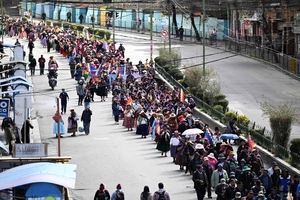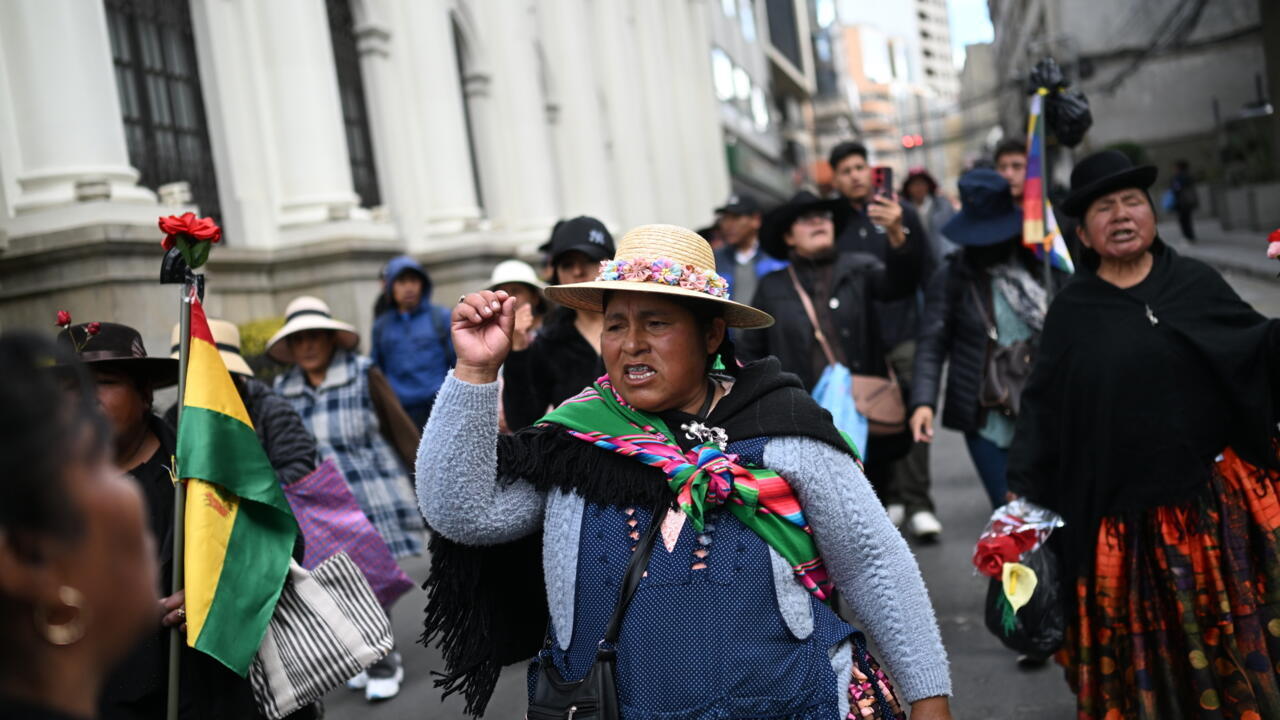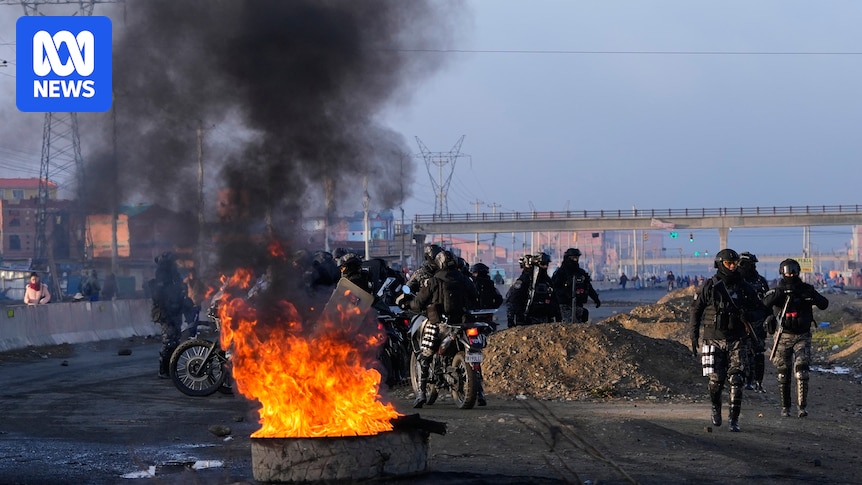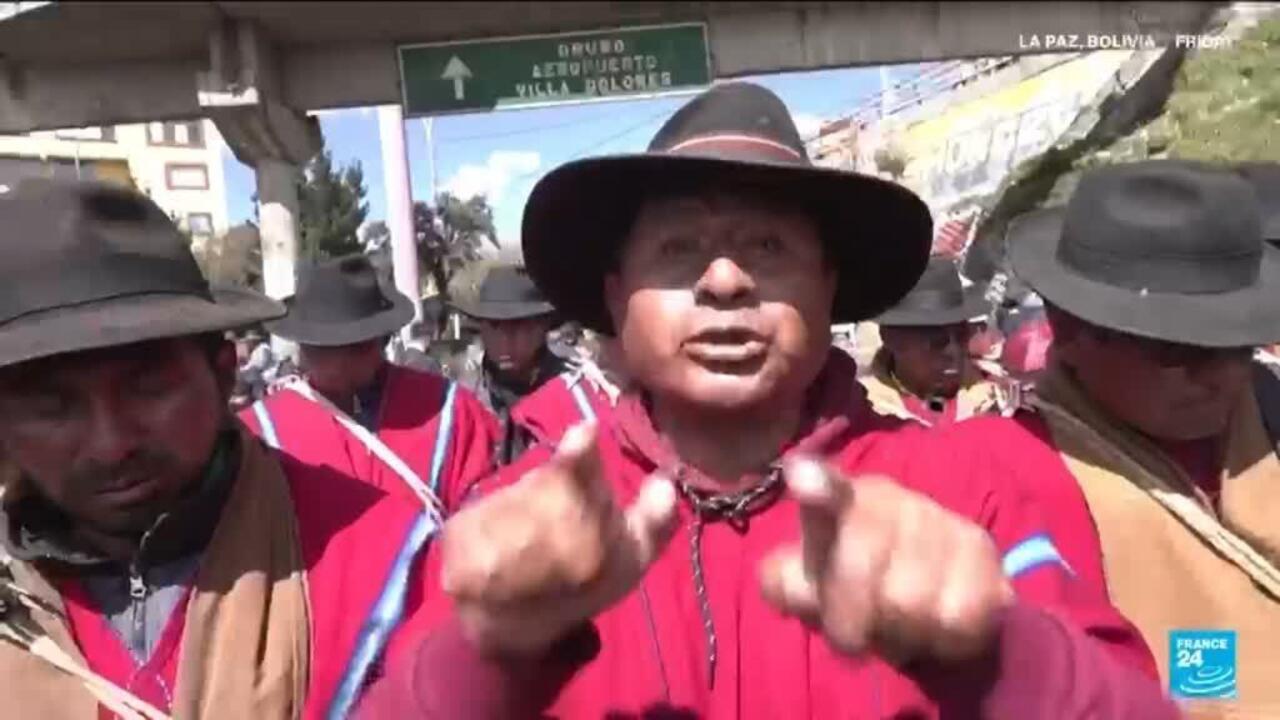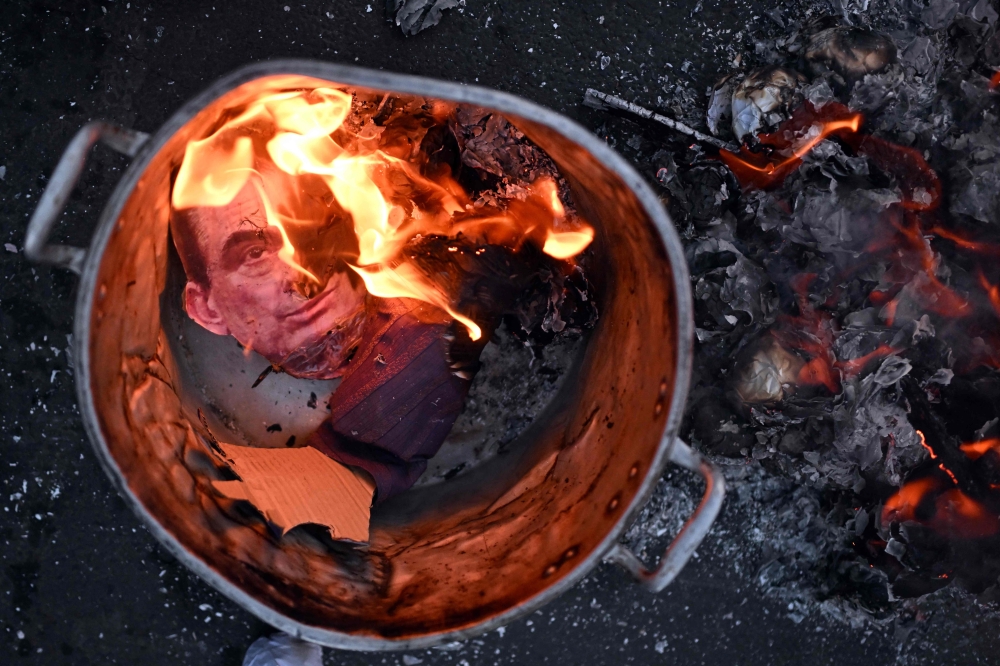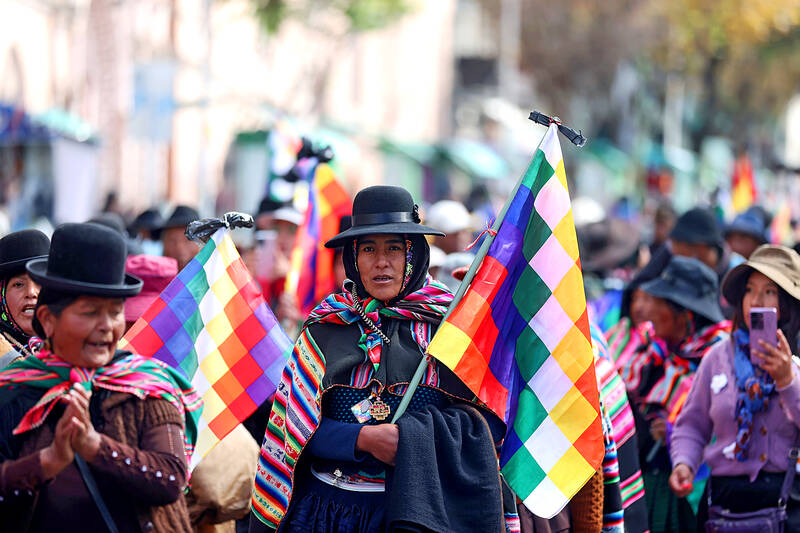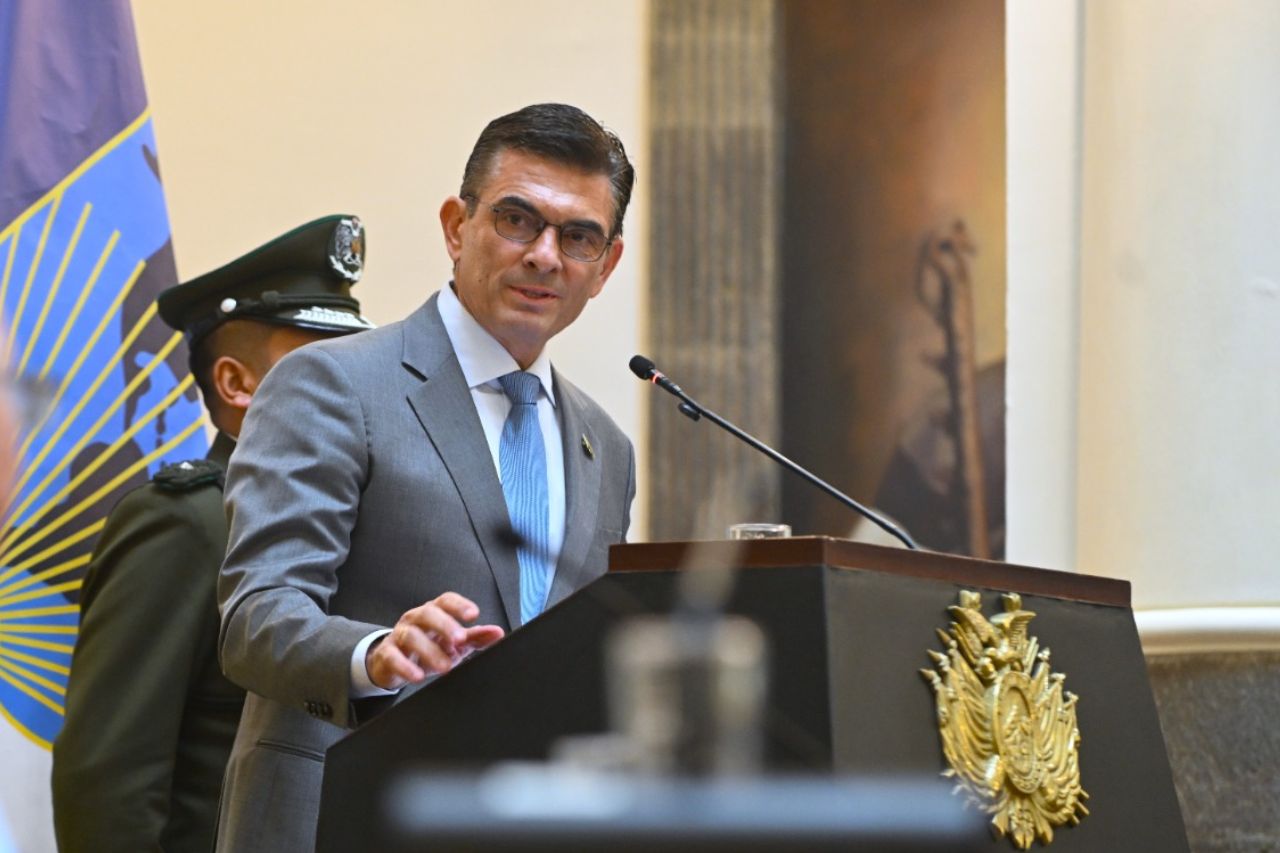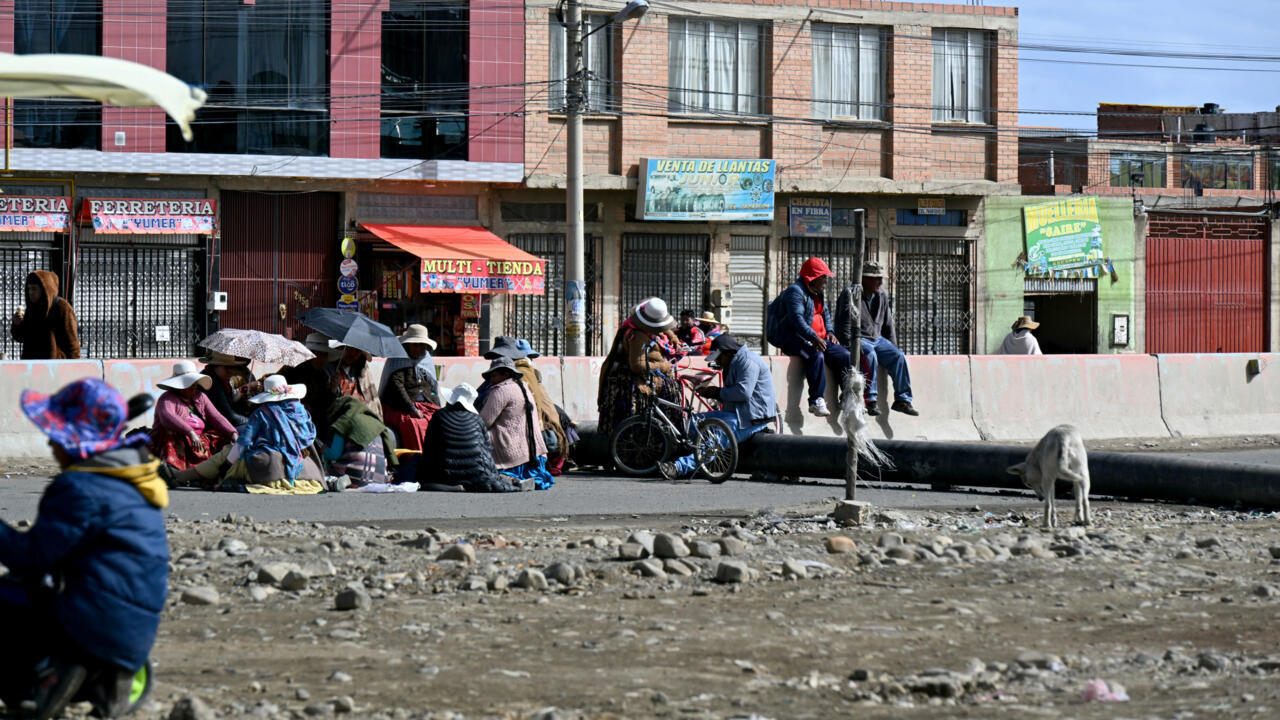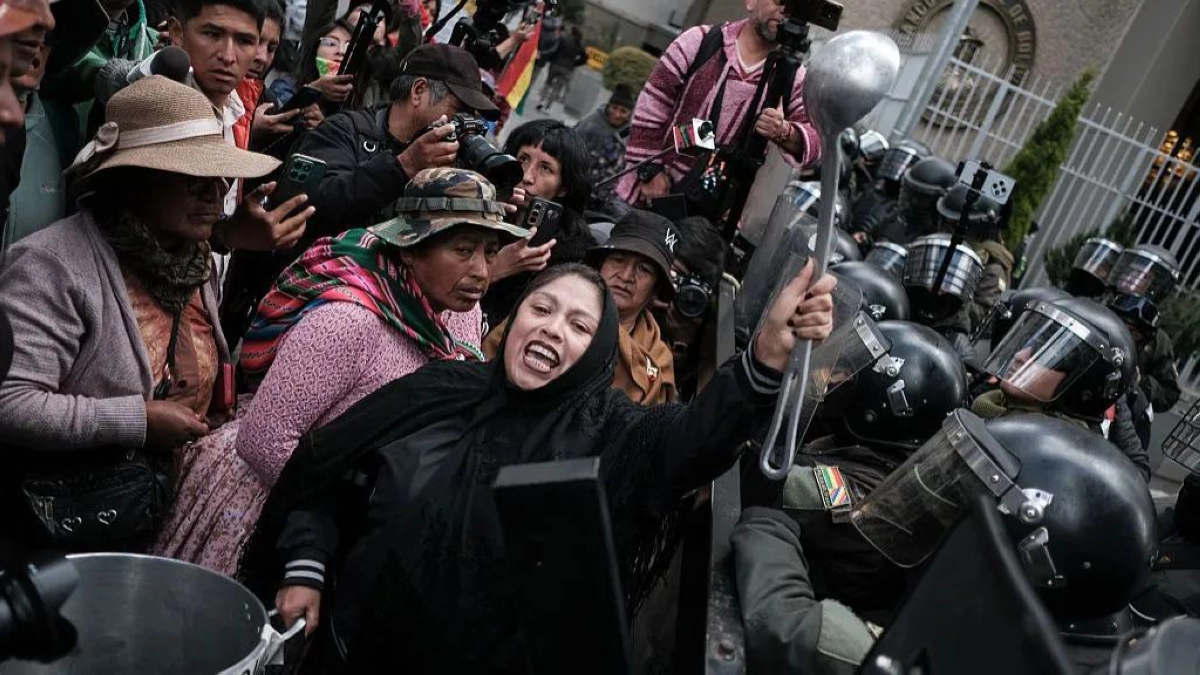
LA PAZ — Bolivia's President Rodrigo Paz has warned the country is "at breaking point" after a month of anti-government protests that have led to seven deaths and hundreds of arrests.Paz on Wednesday took steps toward potentially declaring a state of emergency as anti-government protests have escalated in the early months of his administration.Demonstrators led by unions and indigenous groups have set up roadblocks across Bolivia causing serious shortages of basic goods and paralysing large parts of the nation.A state of emergency would let Paz send military forces into the streets in an effort to contain the protests, a measure some opposition lawmakers have warned could further ratchet up tensions.Groups are calling for fuel subsidies to be reinstated and a rollback of austerity measures, as well as the resignation of Paz.But the US-backed leader, who took office six months ago during an economic crisis, said anyone "wanting to destroy the nation" would have to deal with him and the full force of the constitution.Paz has been battling growing fury over his centre-right policies, with the protests originally triggered at the end of April by a land reform he proposed.Some small-scale farmers were worried the measure would make it easier for large landowners to buy up small properties.The government insisted any sale would have to be voluntary but powerful organisations representing small-scale farmers were not convinced and blocked the country's main highways in protest.Paz has since scrapped the reform, but by then the farmers had been joined by other sectors of society venting their grievances.The government has also scrapped long-standing fuel subsidies amid shortages and inflation, which in turn has raised living costs and enraged a large sector of the population.Road blockades erected by angry protesters have further exacerbated fuel shortages, creating a vicious circle.The Bolivian leader renewed his appeal for dialogue and insisted the country needs order, but has not ruled out using so-called "constitutional instruments" to end the blockades.On Wednesday, speaking to journalists ahead of meetings with community leaders, local officials and industry representatives, Paz said he wanted to find solutions through dialogue, but would not rule out other options."I have constitutional instruments. Time is running out," he said. "I have to respond, I have to come up with solutions."On Tuesday, Bolivia's Congress voted to make it easier for the president to declare a state of emergency and use the military to regain control.Lawmakers who backed the move said "violent" groups should not be able to dictate to the elected government, but those who voted against the measure warned it could heighten social tensions.The official gazette on Wednesday showed that Paz signed off on a vote from Congress to repeal a law that had set limits on the executive branch's use of emergency orders. If Paz moves forward to declare a state of emergency, it would need approval from Congress.Opposition lawmaker Sonia Siñani from the Aymara party warned that bringing in troops could intensify the conflict."We are pouring gasoline on the fire," Siñani said during a congressional debate on Tuesday, which was held virtually because the roads in La Paz have been blocked by demonstrators.Paz has previously tried to quell the unrest by reshuffling his cabinet, slashing his salary and that of his ministers, and announcing the creation of a council to negotiate with sectors of society which feel isolated under his government.But so far these measures have not subdued the widespread anger.It's estimated the protests are causing daily economic losses of more than $50m nationwide.
Bolivian president warns country at 'breaking point' after weeks of anti-government protests
LA PAZ — Bolivia's President Rodrigo Paz has warned the country is 'at breaking point' after a month of anti-government protests that have led to seven...
577 words~3 min read