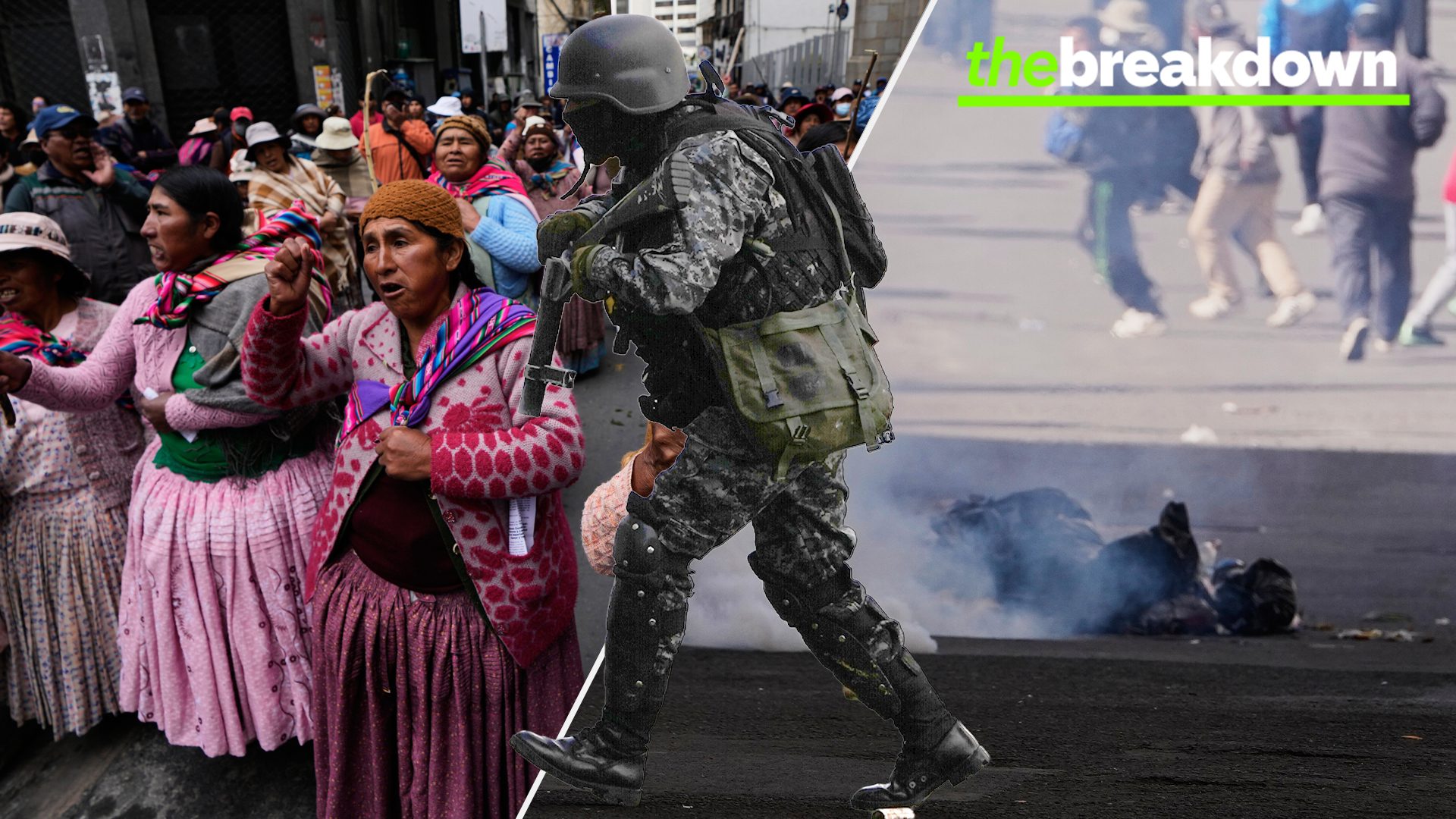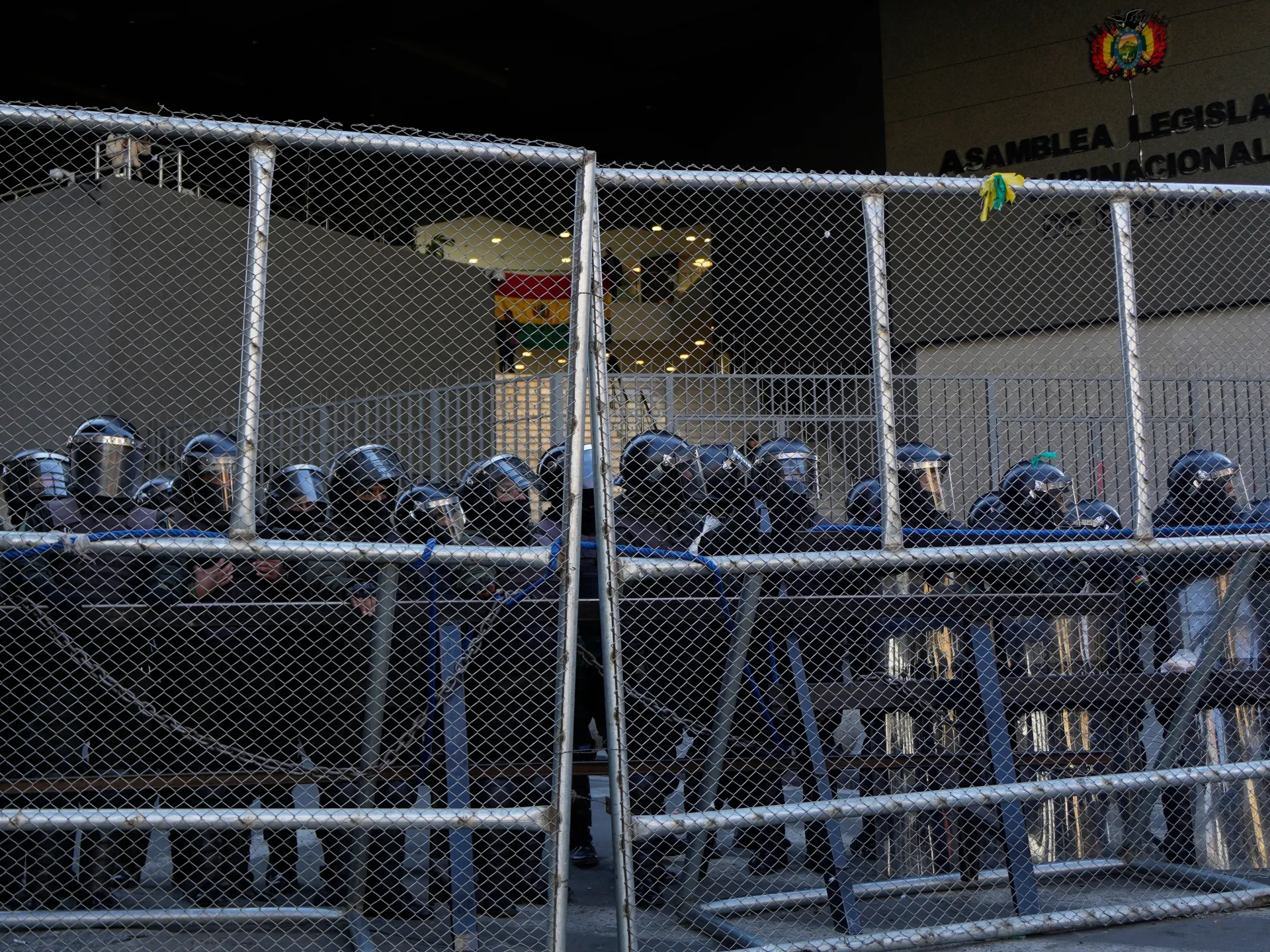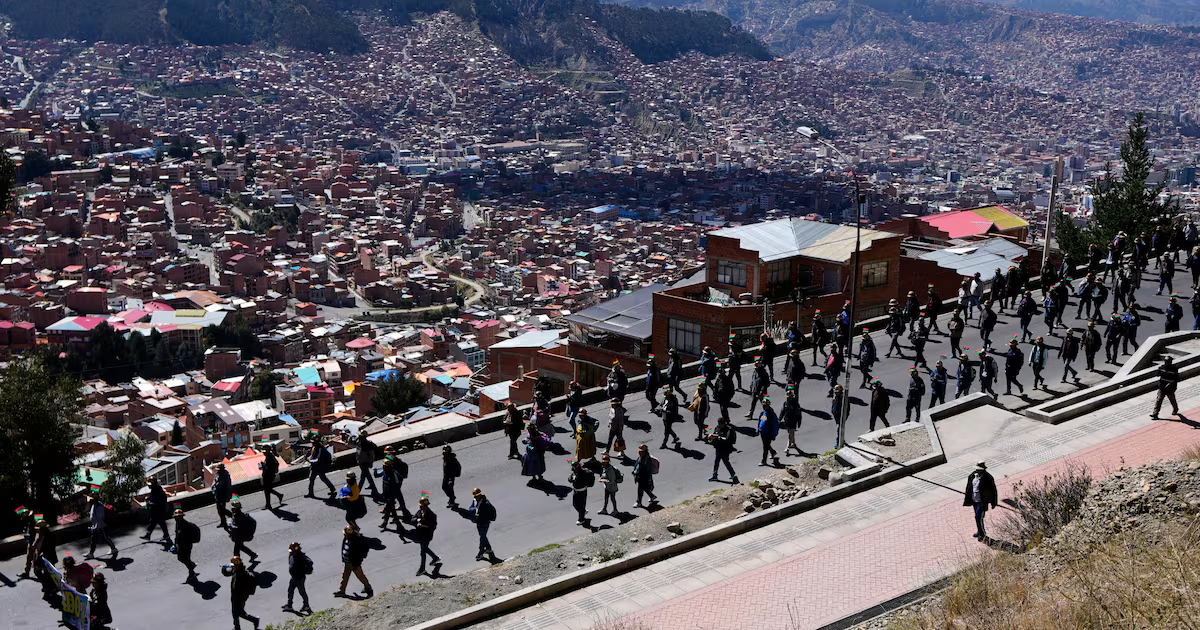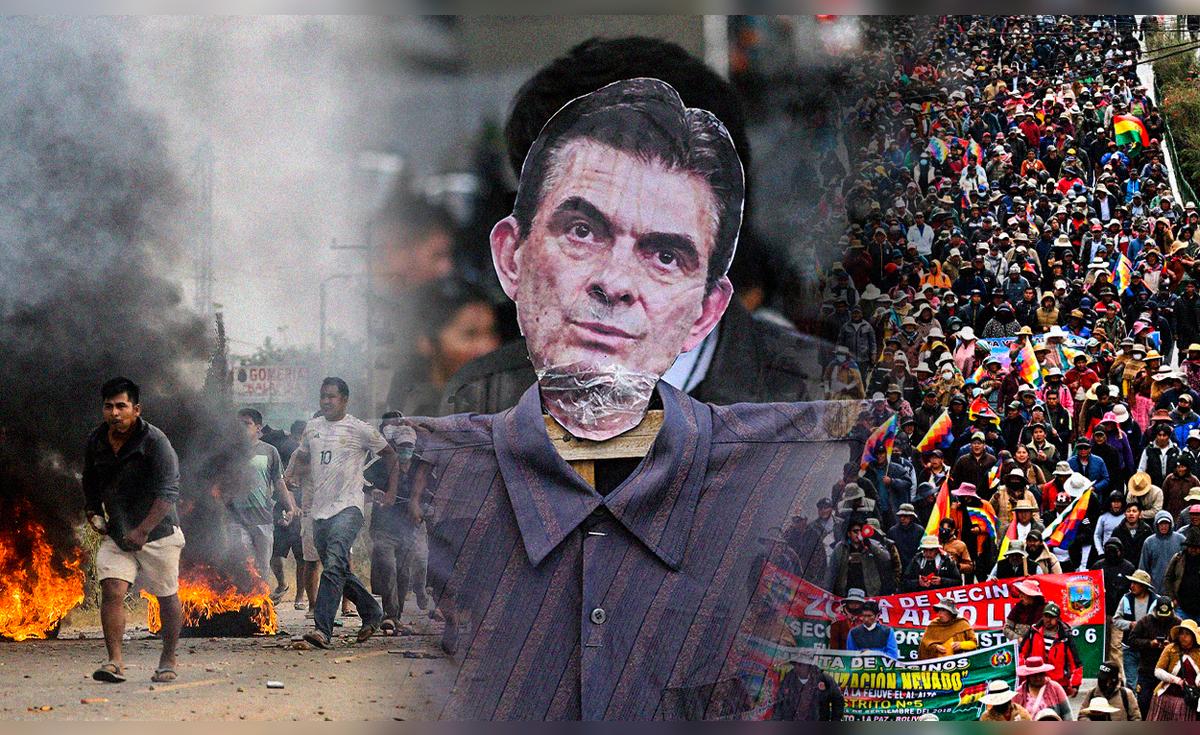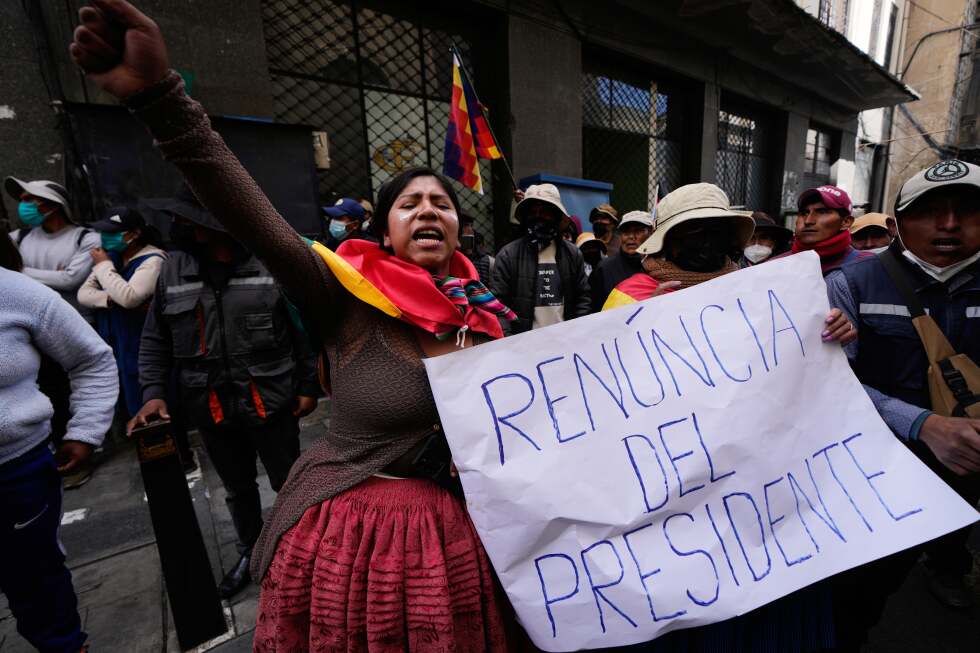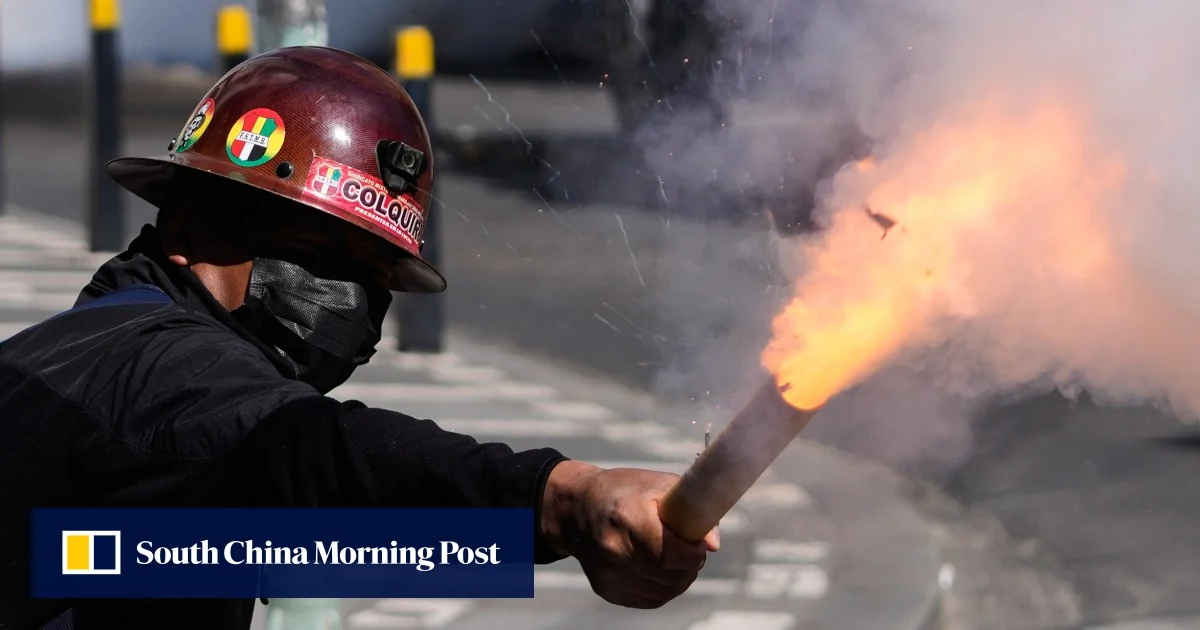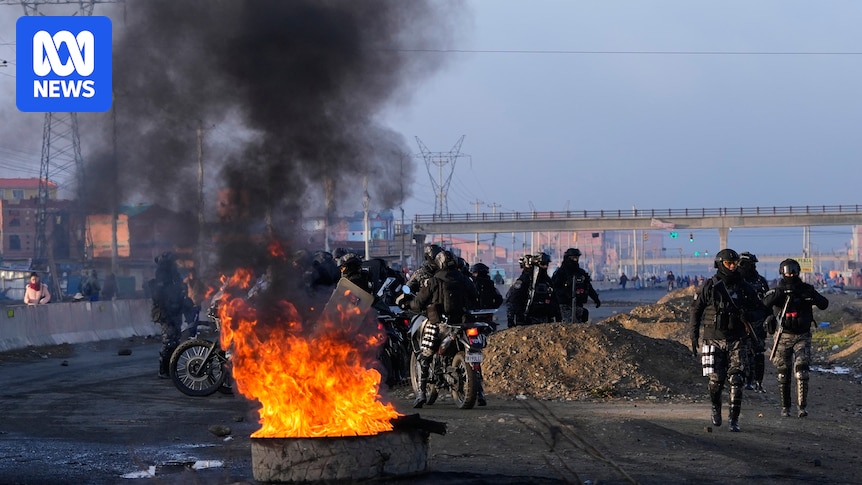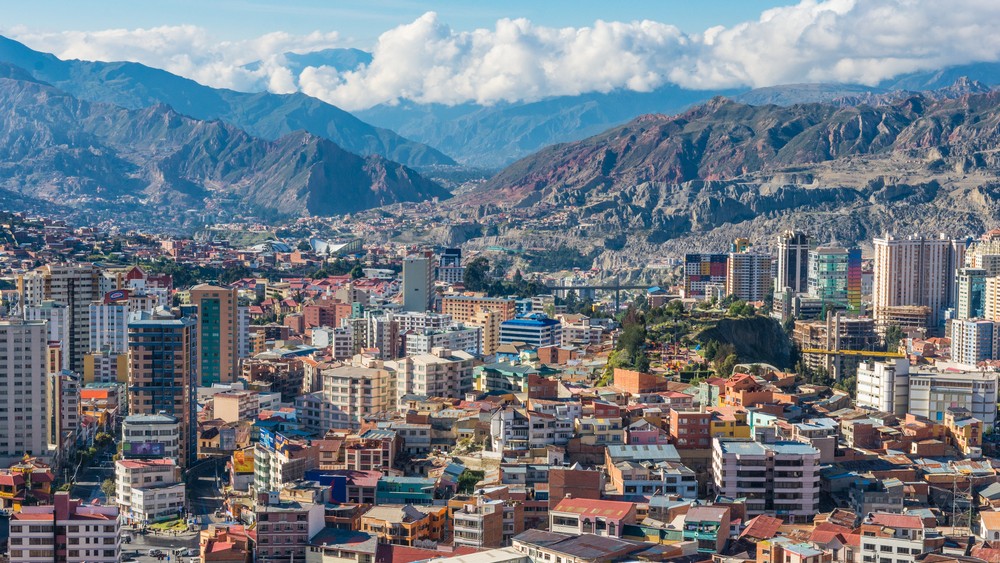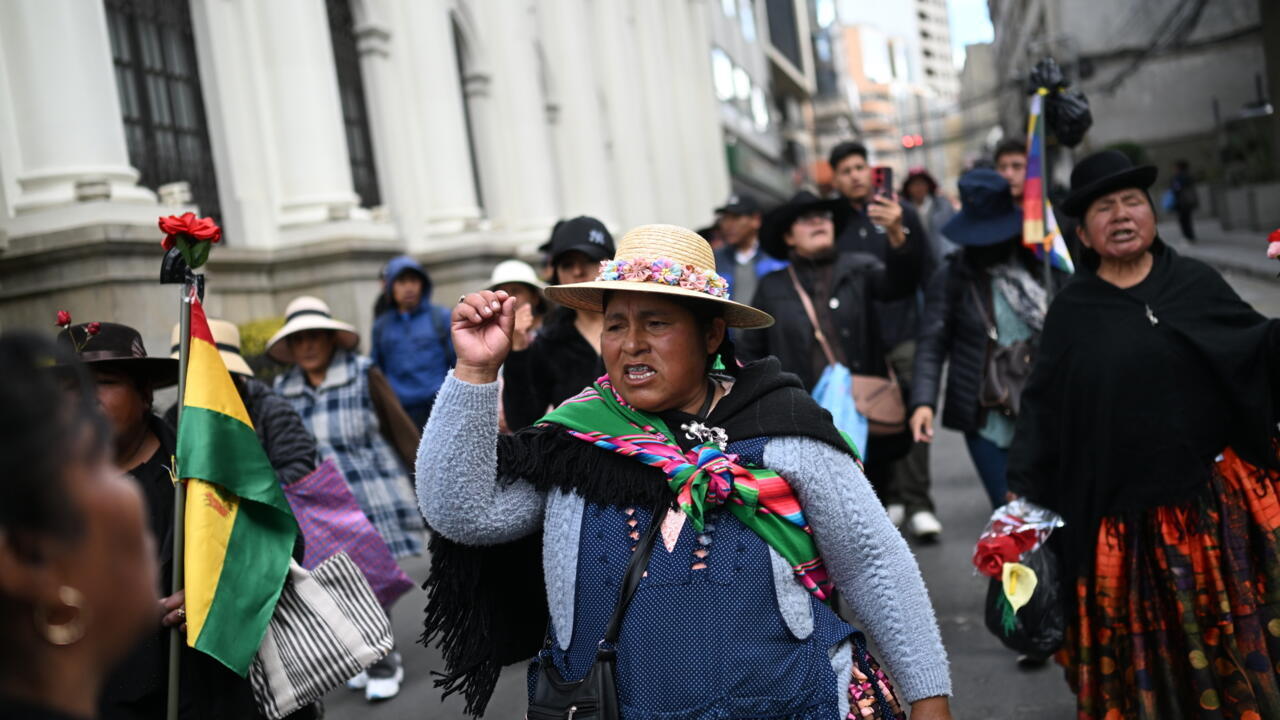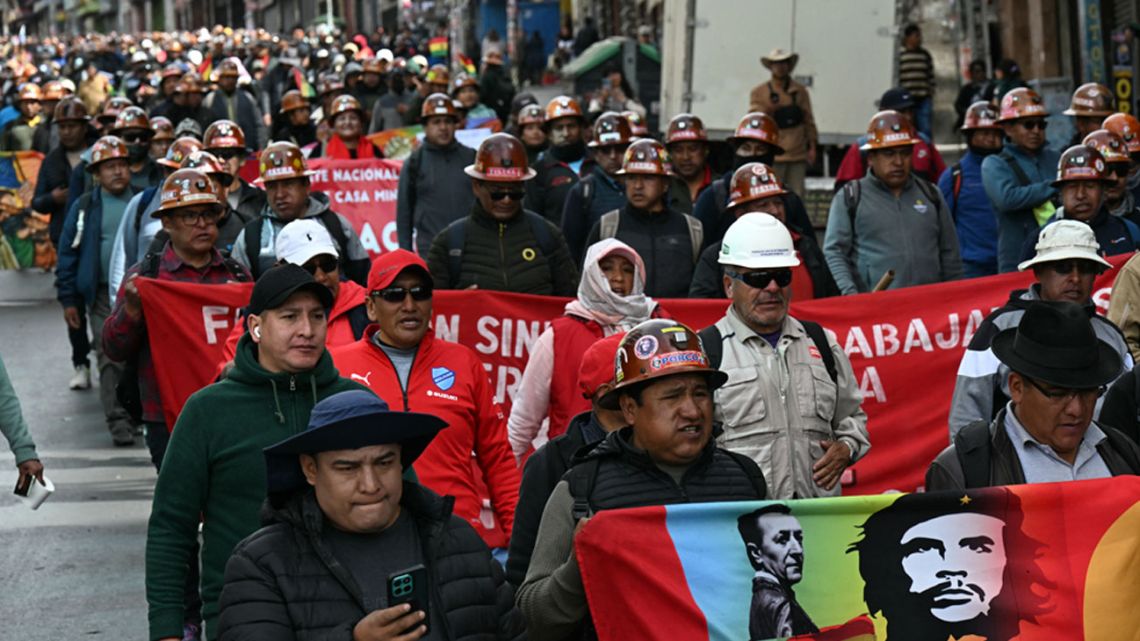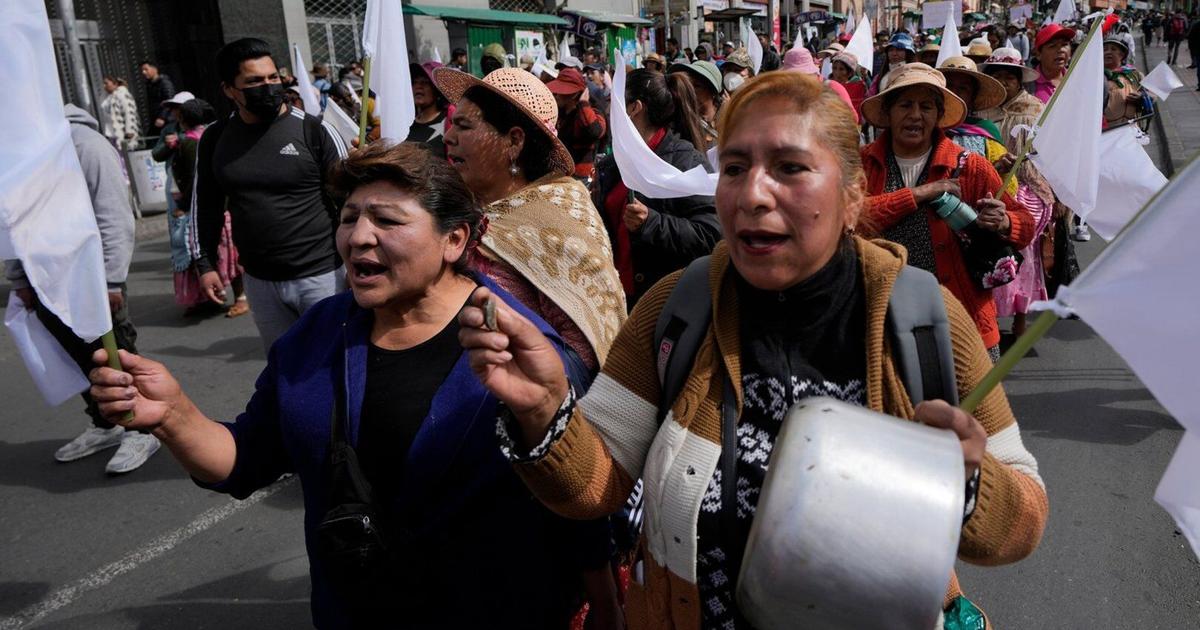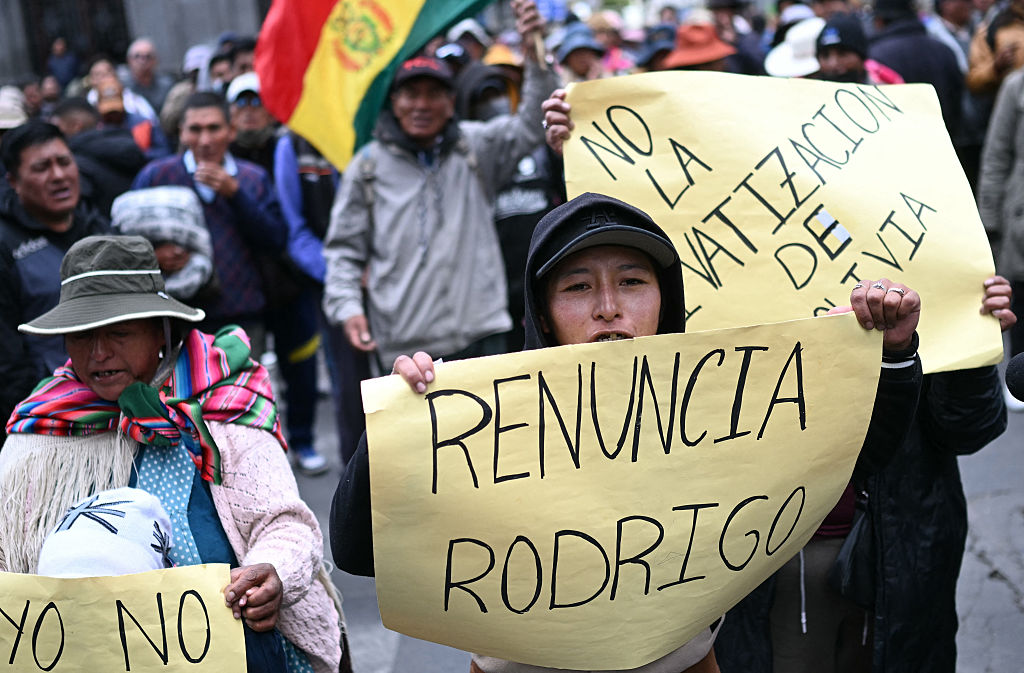
Reading Time: 4 minutesLA PAZ – As Bolivia enters its fourth week of roadblocks and protests, this capital city feels strangely empty. Fresh food has become scarce. Prices for chicken, eggs, and other essential food items have skyrocketed. While Bolivians are accustomed to cycles of social conflict, the duration and intensity of the current unrest are severe even by local standards.
Outside Bolivia, there is a tendency to interpret this crisis through familiar narratives: right-left polarization, the country’s perennial instability, and above all the role of Evo Morales, the president from 2006-19 who remains an influential opposition figure.
But these explanations risk missing a deeper story.
Indeed, Bolivia’s current unrest seems to reflect a broader crisis of political representation and governance. And it is stemming largely not from the opposition per se, but from sectors that once supported President Rodrigo Paz.
Paz’s support base is fracturing