In 2021, the world’s first Just Energy Transition Partnership (JETP) was announced at COP26 in Glasgow. Hailed as a breakthrough, an International Partners Group, consisting of the United States, United Kingdom, European Union, France and Germany, pledged $8.5 billion in climate finance to assist South Africa in its transition to clean energy.
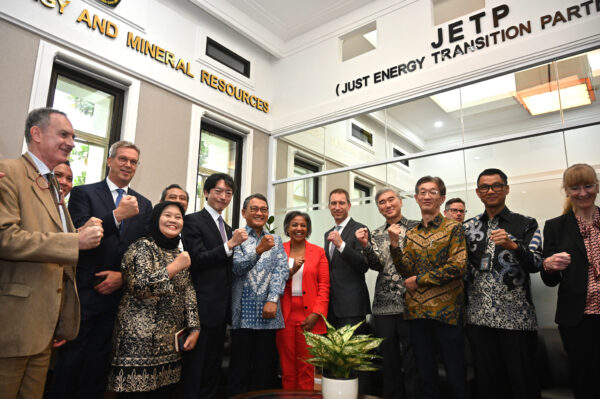
At the 2022 G20 Summit in Bali, Indonesia unveiled its own $20 billion JETP with a similar slate of partners. Vietnam followed a few months later with a $15.5 billion deal. (A smaller EUR 2.5 billion JETP with Senegal was announced in 2023 and a much larger one with India was negotiated but never finalized.) These programs aimed to take climate finance to another level, promising greater impact by targeting countries that are pivotal for the global energy transition: major emerging economies with a large share of coal in their energy mix. And they set ambitious schedules, aiming to raise and deploy the pledged capital well before 2030.
In addition to securing tens of billions of dollars to finance energy transitions in emerging markets, what set the JETPs apart was their commitment to putting climate justice at the center of international climate finance. Not only would they channel billions of dollars into renewable energy, early retirement of coal-fired power plants and upgrading transmission grids; they would also help coal-dependent communities adjust to economic disruption as economies pivoted toward clean energy.