Boston is not somewhere you’d expect to find a cement factory. Yet, just a 20-minute walk from the hallowed halls of Harvard, tucked away in the artsy neighborhood of Somerville, sits Sublime Systems.
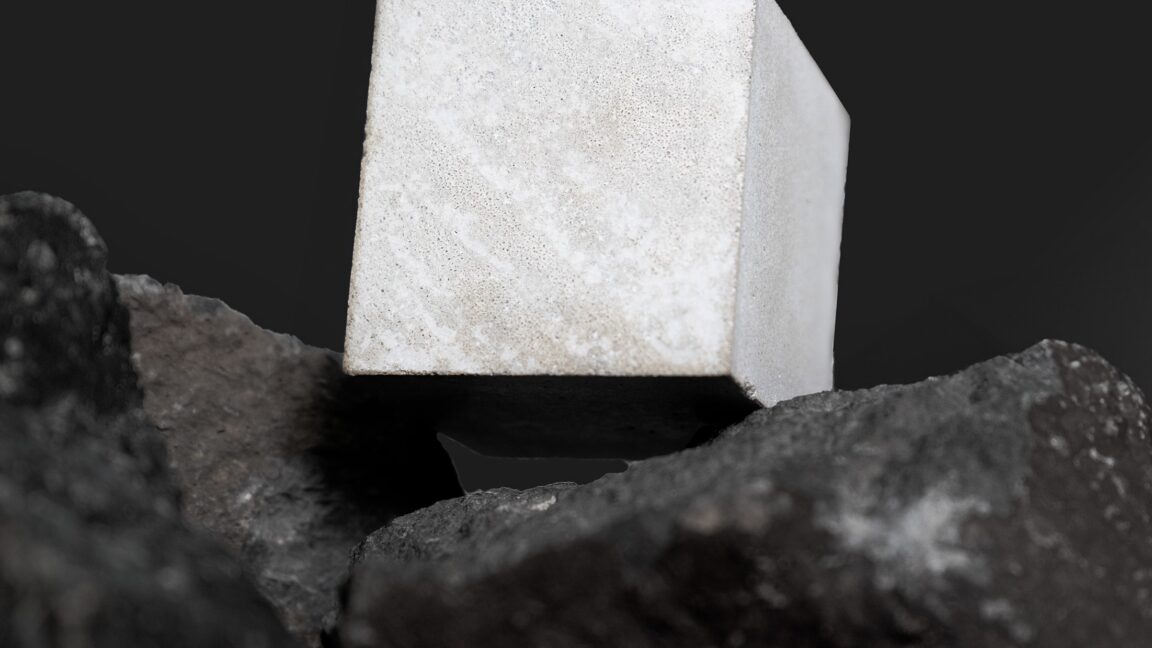
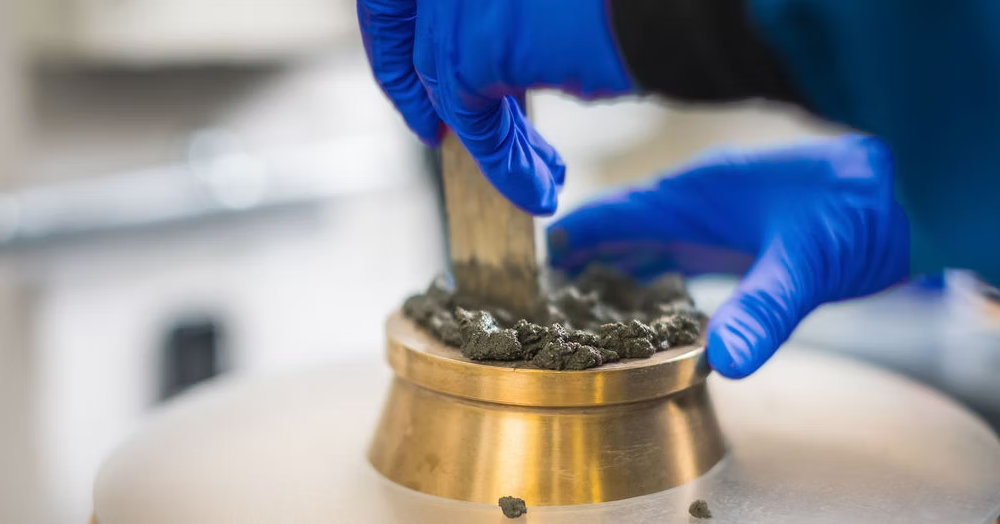
When walking into Sublime’s headquarters, you assume that you'd be met with a blast of heat synonymous with traditional cement manufacturing. Instead, you enter an open-plan office, with no discernible feeling that you are in a cement production plant, outside a covering of fine dust, which seems to cake the facility. However, the apparent sterility belies the work underway in the depths of the building. This is because Sublime, unlike conventional producers, is pioneering the use of electrochemistry to make cement, a process, it claims, could significantly decarbonize the sector.
– Zachary Skidmore
A concrete issue
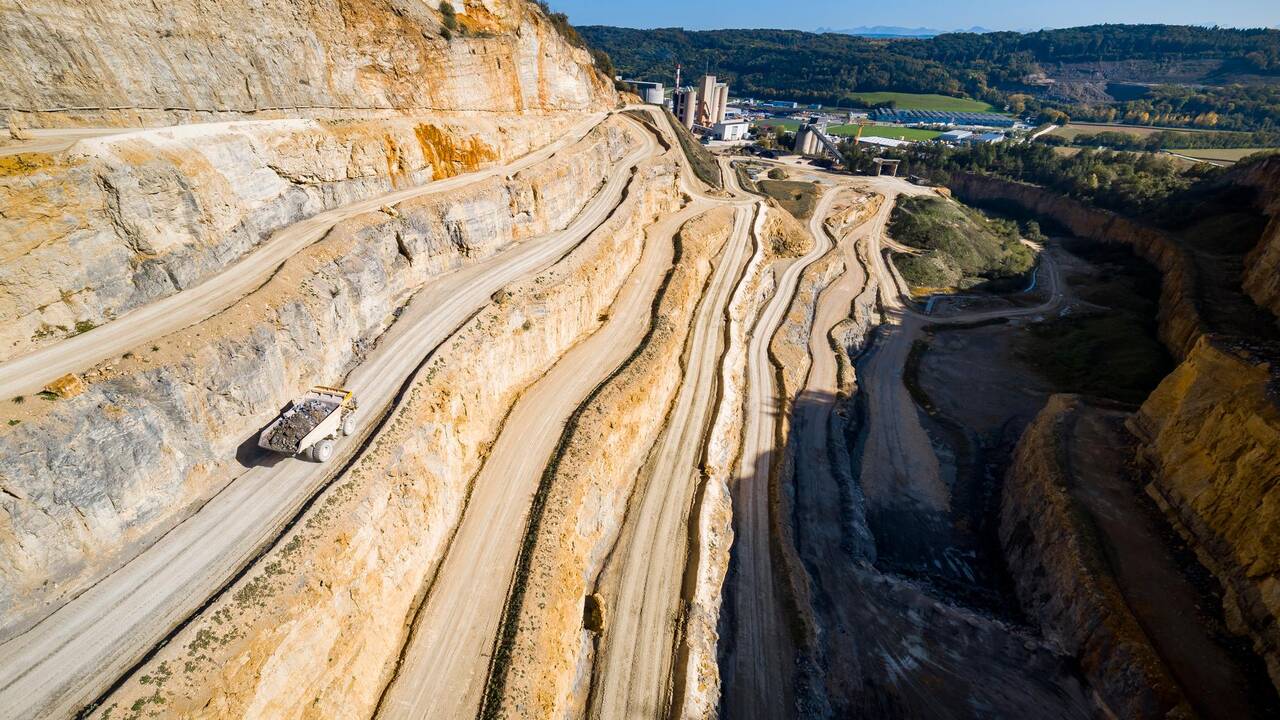
The cement industry is one of the world's largest polluters, accounting for approximately eight percent of global CO2 emissions. It also plays a crucial role in the construction of data centers, accounting for up to 40 percent of the structure. And with more than 3,000 new builds (and counting) planned or under construction in the US market alone, the carbon intensity of data center construction has been thrust into the limelight.