di
Riccardo Luna
The words of one of the fathers of AI in the aftermath of Pope Leo XIV’s encyclical Magnifica Humanitas
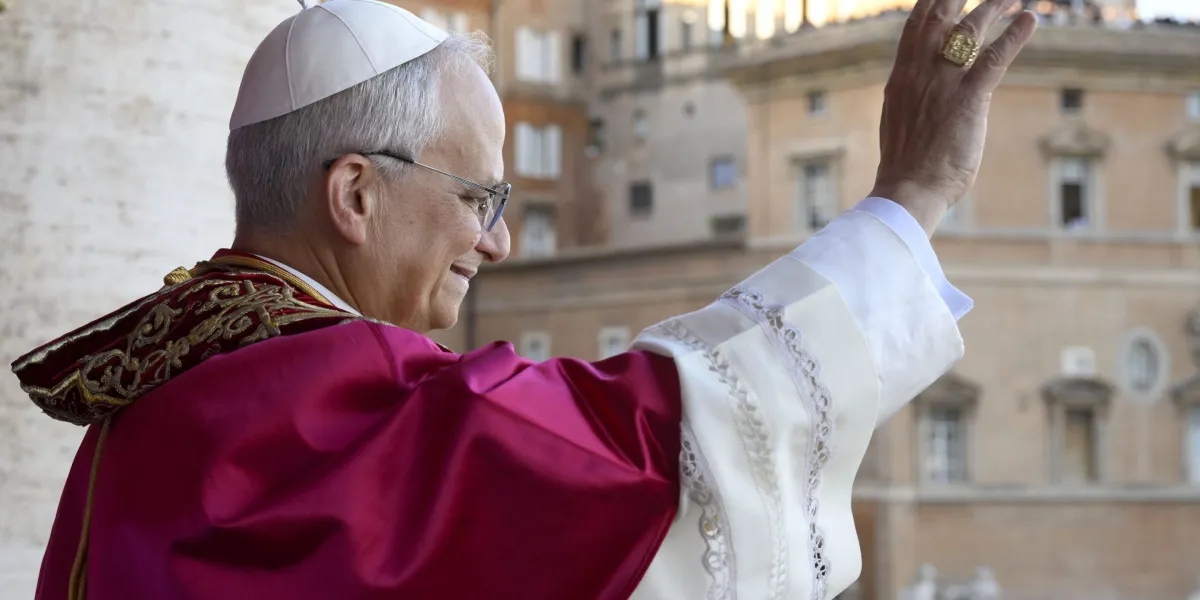
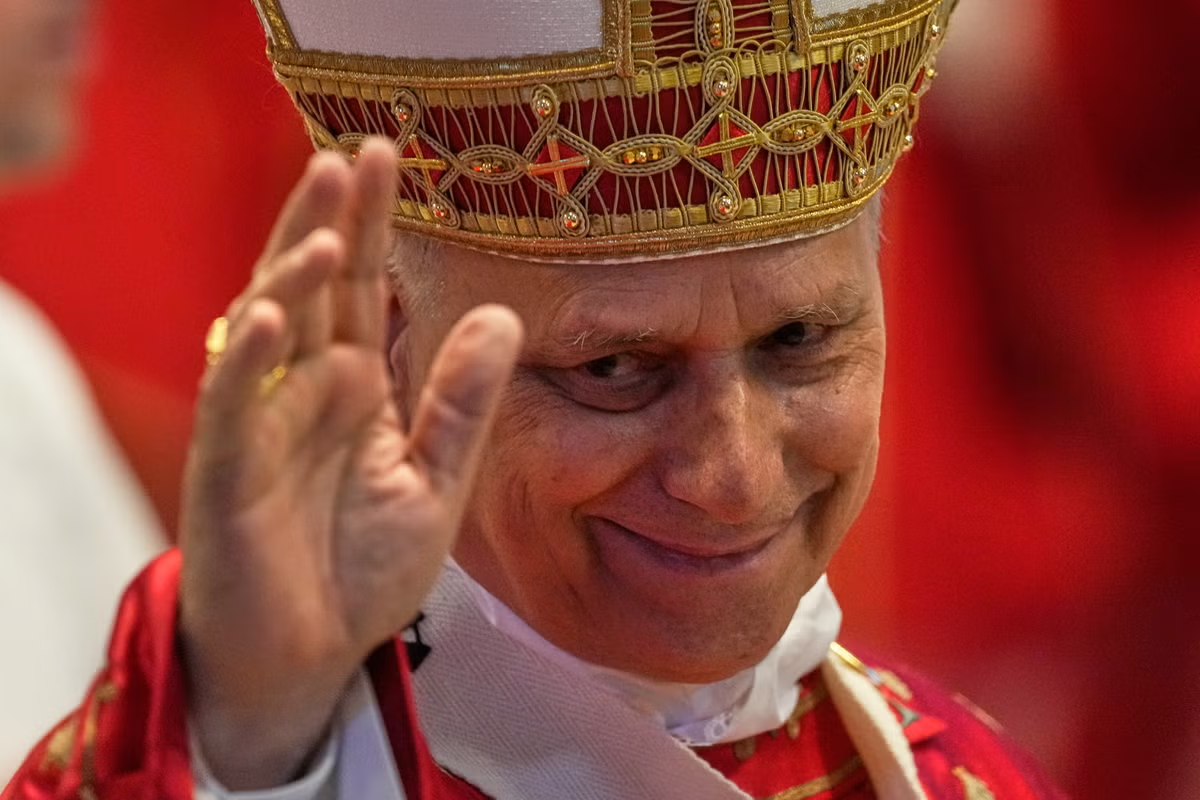
«To guarantee access to frontier models and mitigate the risks of major power concentrations, middle powers must collaborate to form a broad coalition with shared values and complementary resources. To make this possible, public opinion will be key, and major institutions, including the Church, have a significant role to play. I believe that the only way to avoid terrible outcomes including major threats to democracy and catastrophic accidents is if we end up managing the most powerful AIs as a global public good. My impression is that this view is very much aligned with the Pope's message». In short: a great alliance of the so-called «middle powers» is needed to counterbalance the overwhelming technological power of the US and China. Speaking in this way, in the aftermath of Pope Leo XIV's encyclical, Magnifica Humanitas, is Youshua Bengio, 62, the most cited scientist in the world and one of the «fathers» of artificial intelligence, the only one who has always viewed the unregulated growth of Big Tech with suspicion.
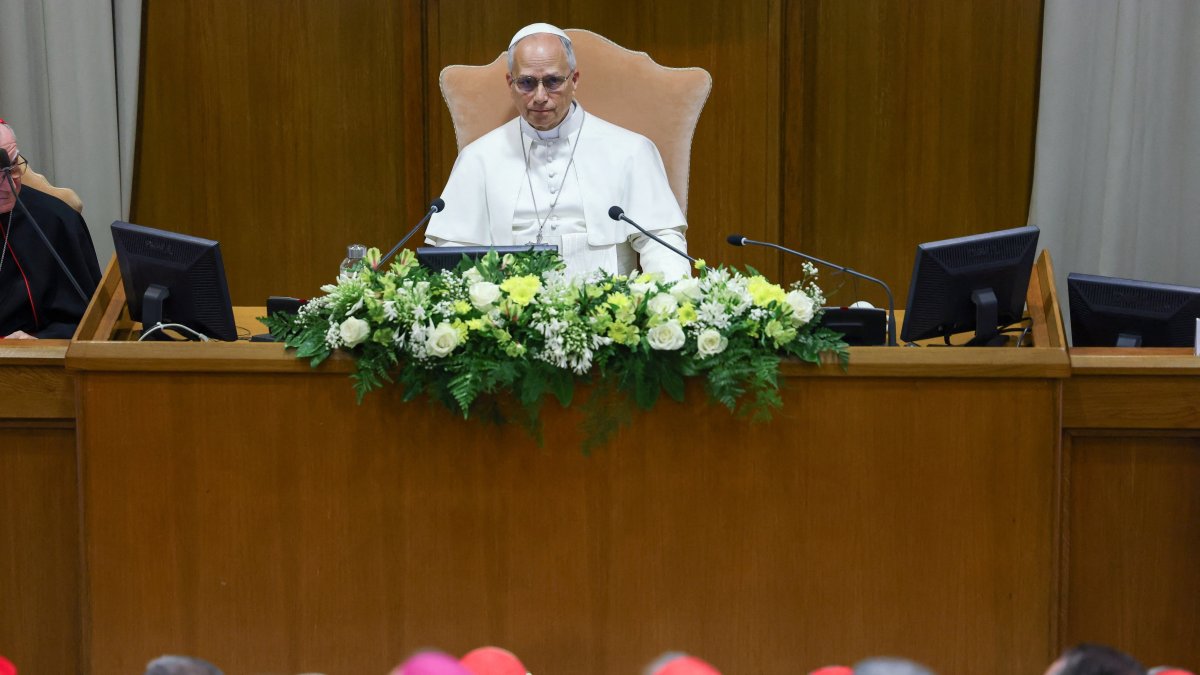
Professor Bengio, last September you came to Rome for the World Meeting on Human Fraternity. You and around thirty other scientists — Hinton, Russell, Tegmark, Birhane and others — signed an appeal that was handed to Cardinal Gambetti and addressed to Pope Leo XIV. The encyclical we now read was being drafted in those very weeks. Reading it today: did it meet the expectations you brought to Rome eight months ago — or did it exceed them, or fall short?«I agree with much of the overall message of the document, and I believe it is a positive step towards raising awareness about the global risks of AI. The Vatican and other global institutions can and must play a role in the global dialogue on AI to raise public awareness and mobilize society for the challenges ahead».