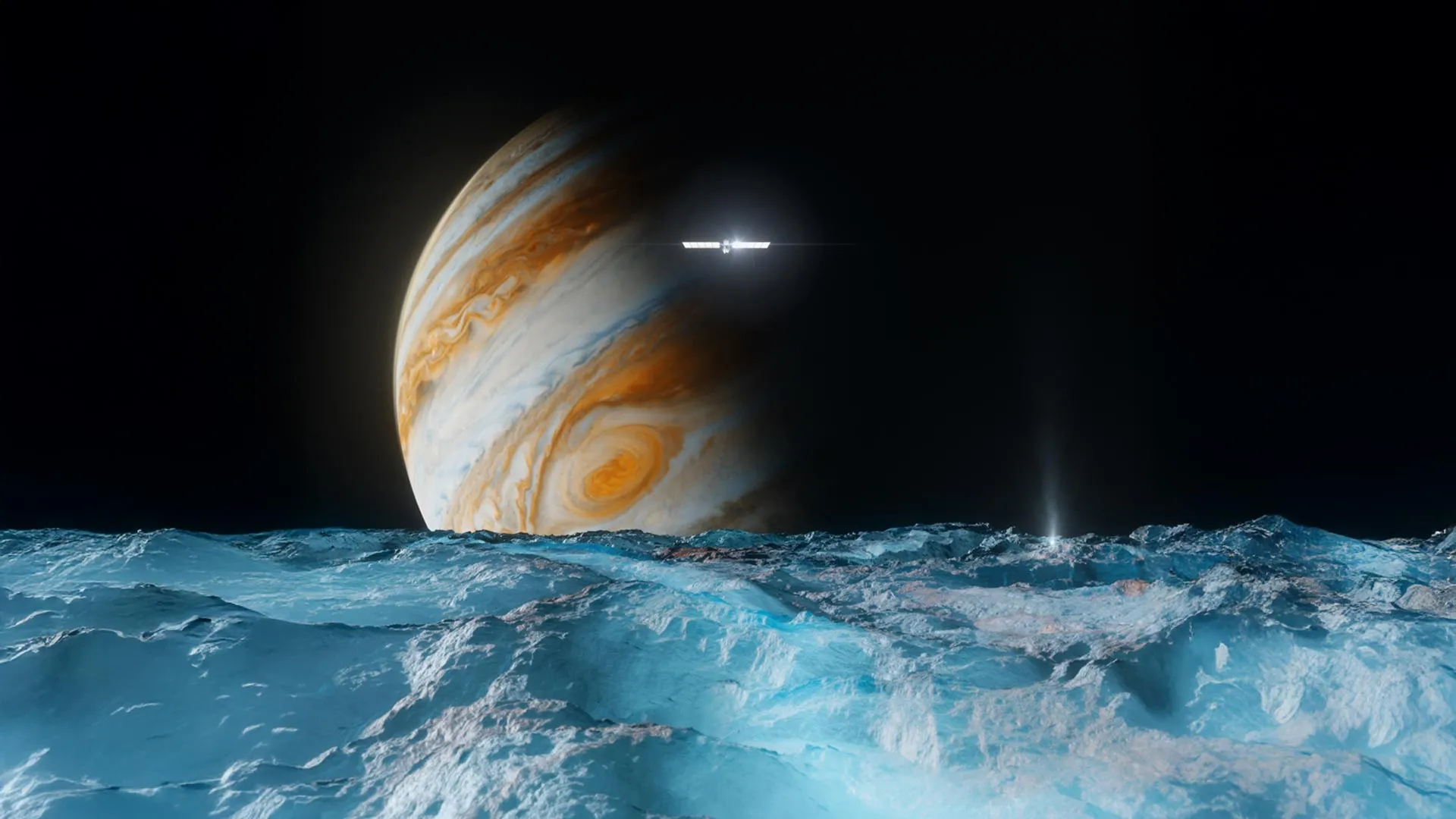
Liquid water is widely considered one of the key ingredients for life. But new research suggests that worlds drifting through the darkness of interstellar space could still remain habitable, even without the warmth of a nearby star.
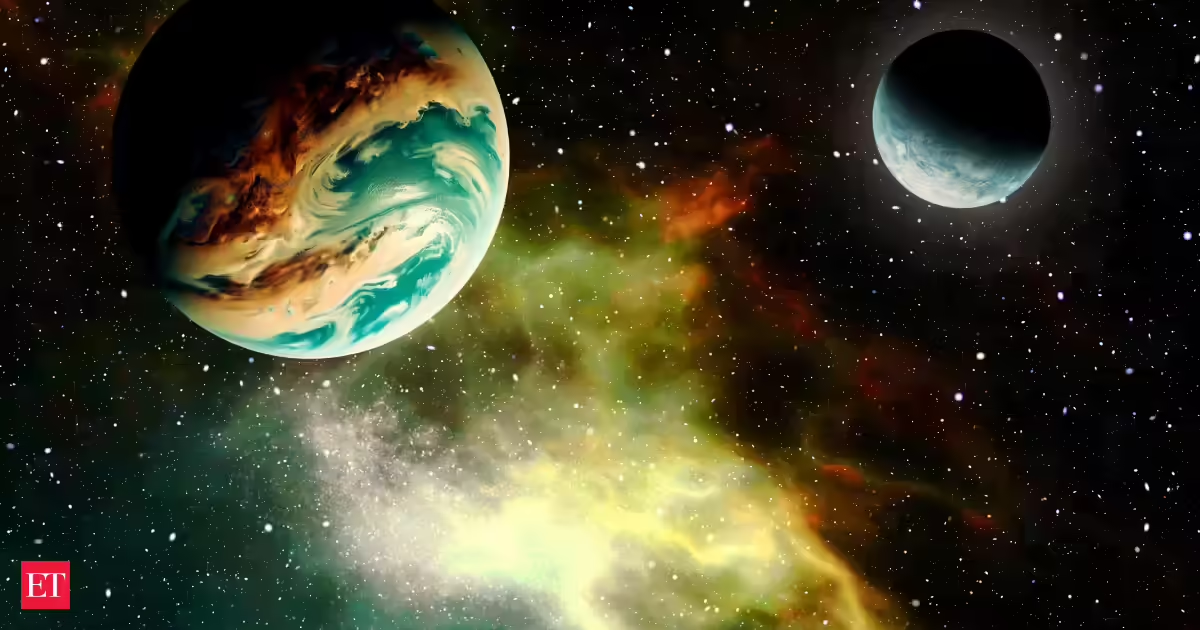
A team of scientists from the Excellence Cluster ORIGINS at Ludwig Maximilian University of Munich (LMU) and the Max Planck Institute for Extraterrestrial Physics (MPE) found that moons orbiting free floating planets may be able to maintain liquid water oceans for up to 4.3 billion years. According to the researchers, dense hydrogen atmospheres combined with tidal heating could keep these distant moons warm enough for life to potentially develop and evolve over immense stretches of time.
Rogue planets and wandering moons
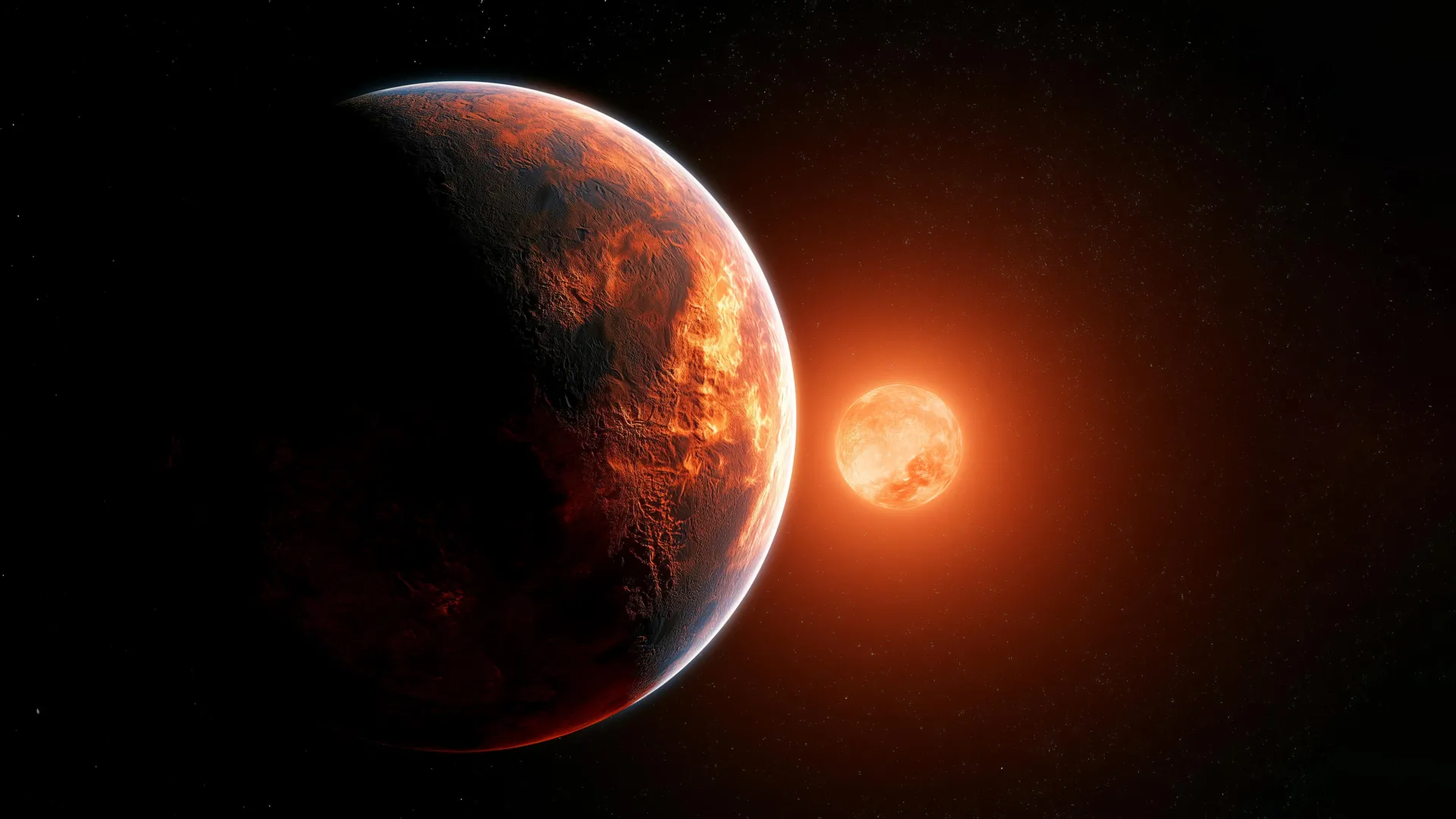
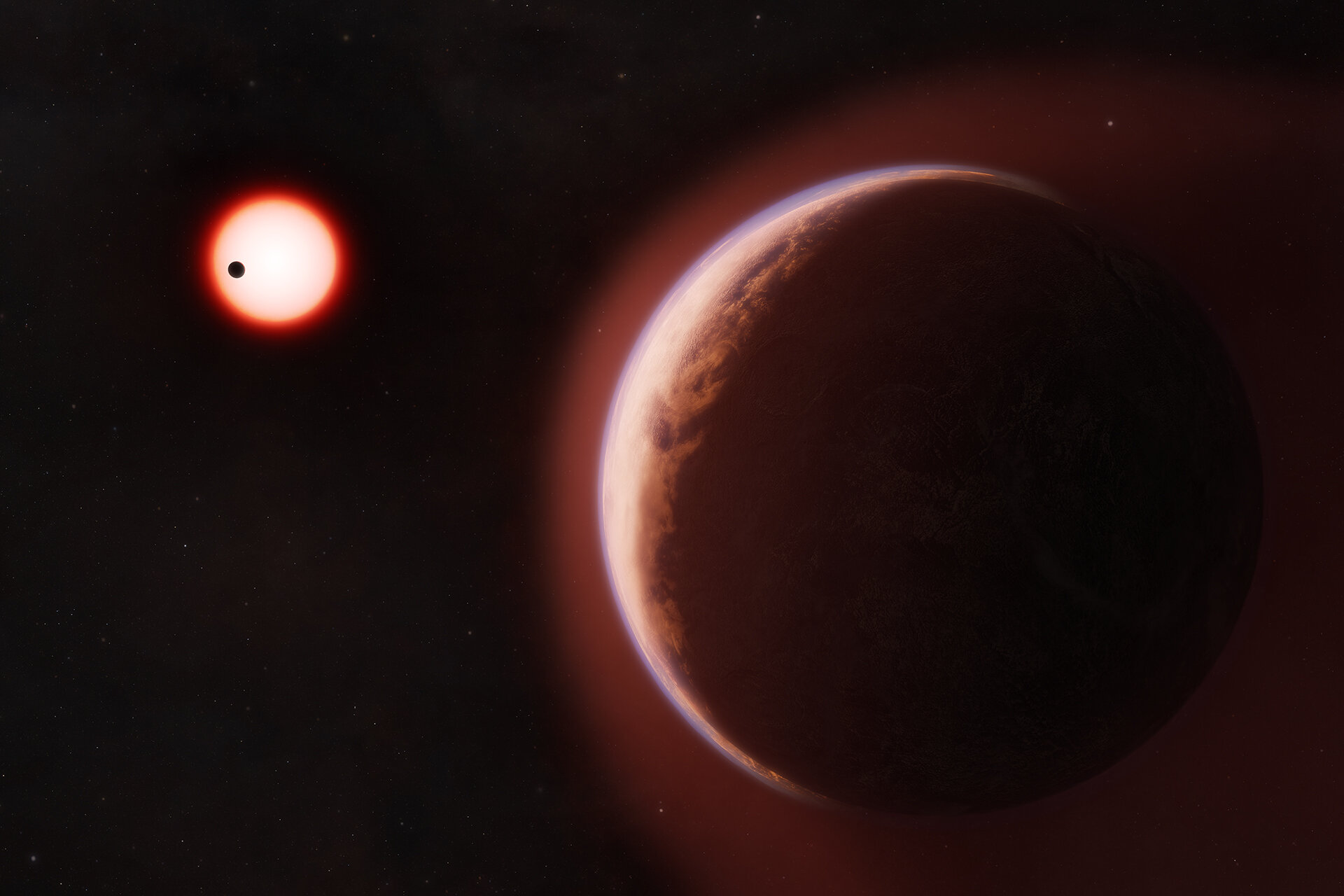
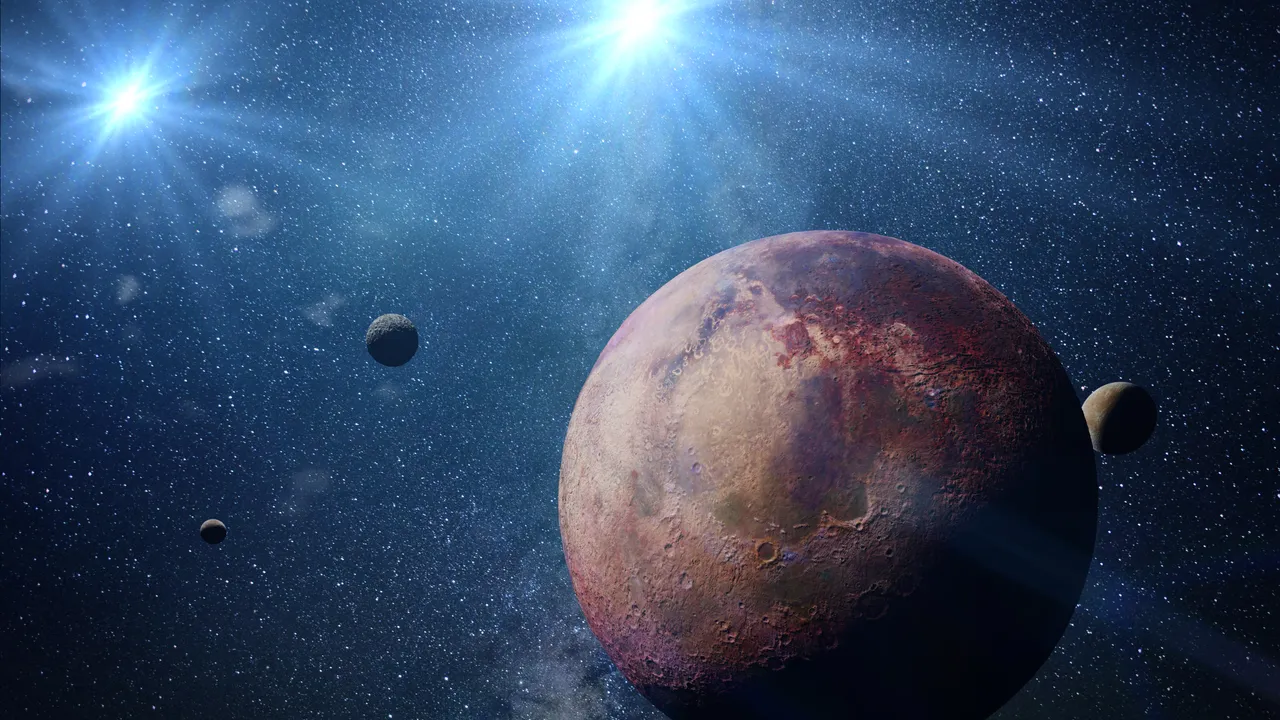
Planetary systems often form in chaotic environments. During the early stages of development, giant planets can pass dangerously close to one another and sometimes sling neighboring worlds completely out of their solar systems. These expelled worlds are known as free floating planets (FFPs), or rogue planets, because they travel through the galaxy without orbiting a star.
Previous work led by LMU physicist Dr. Giulia Roccetti showed that giant planets ejected from their systems may still retain some of their moons after being thrown into deep space.