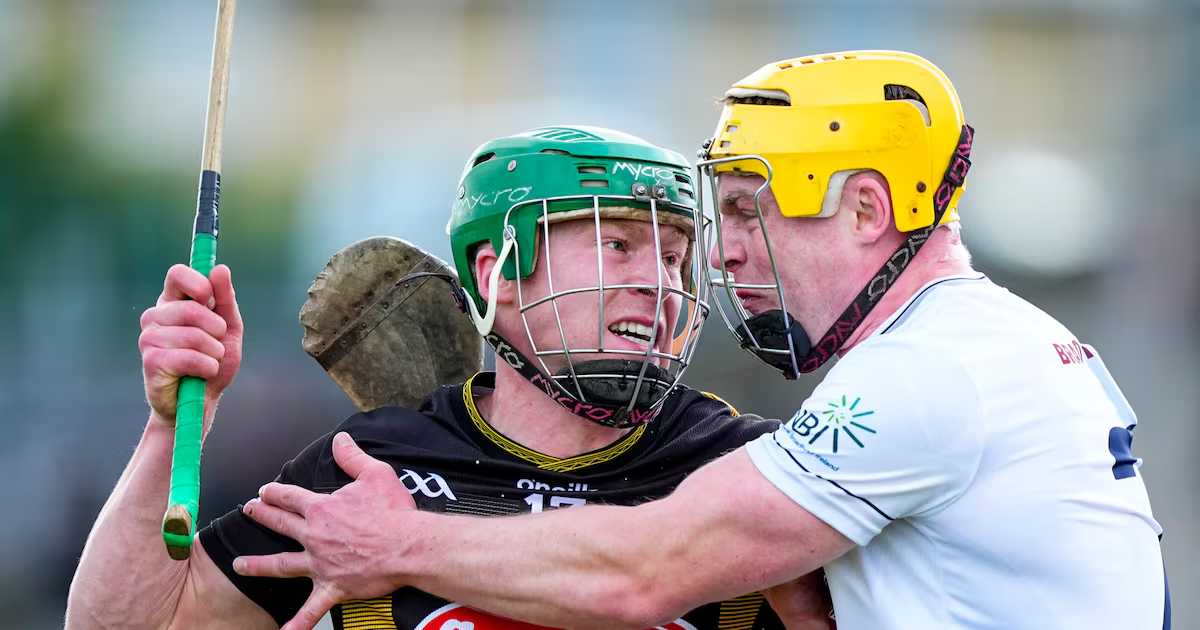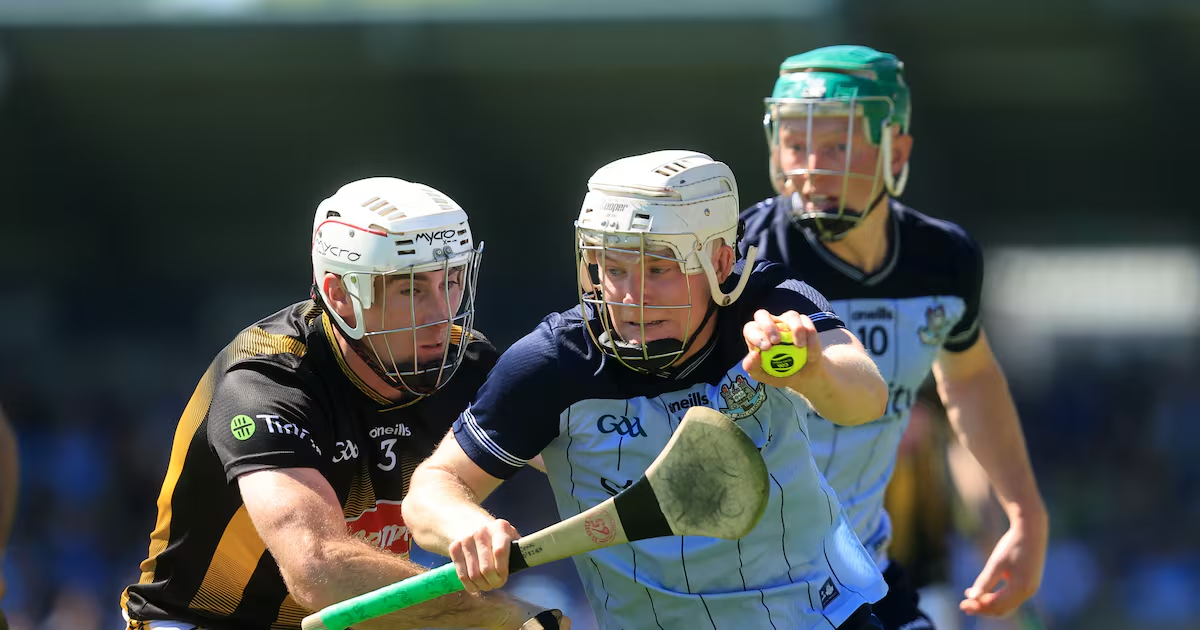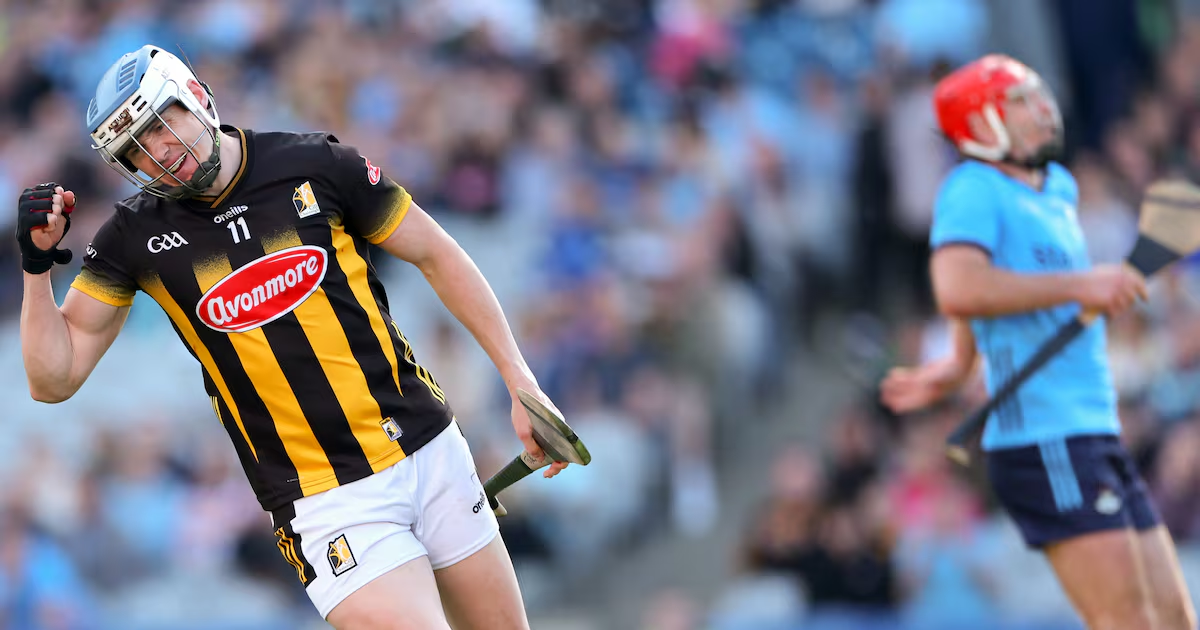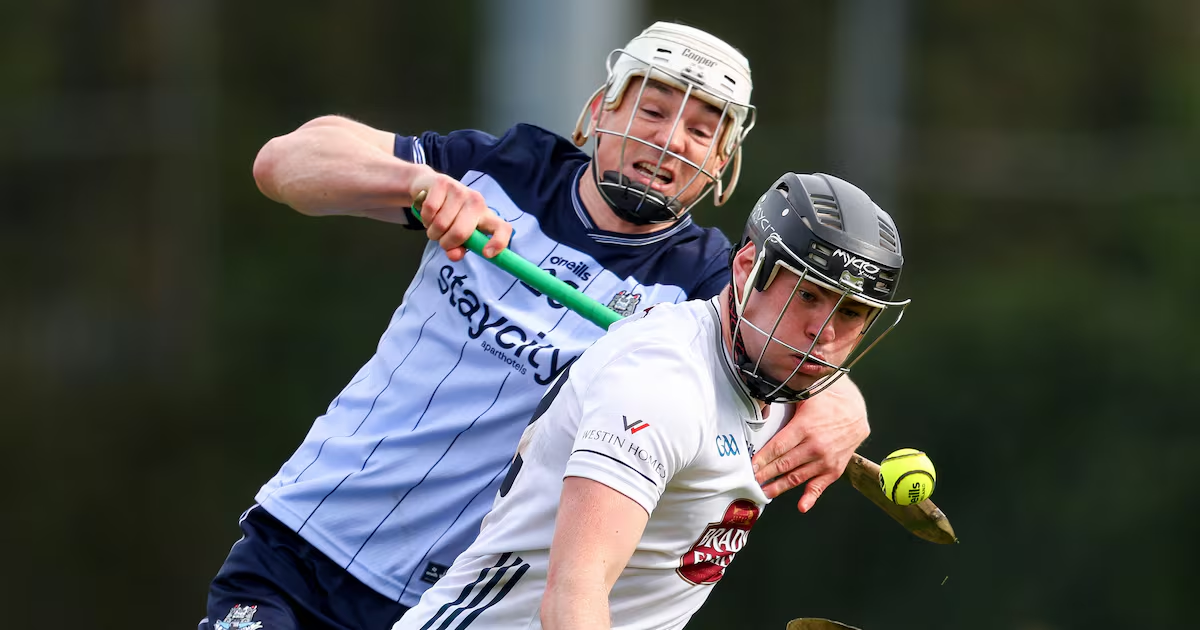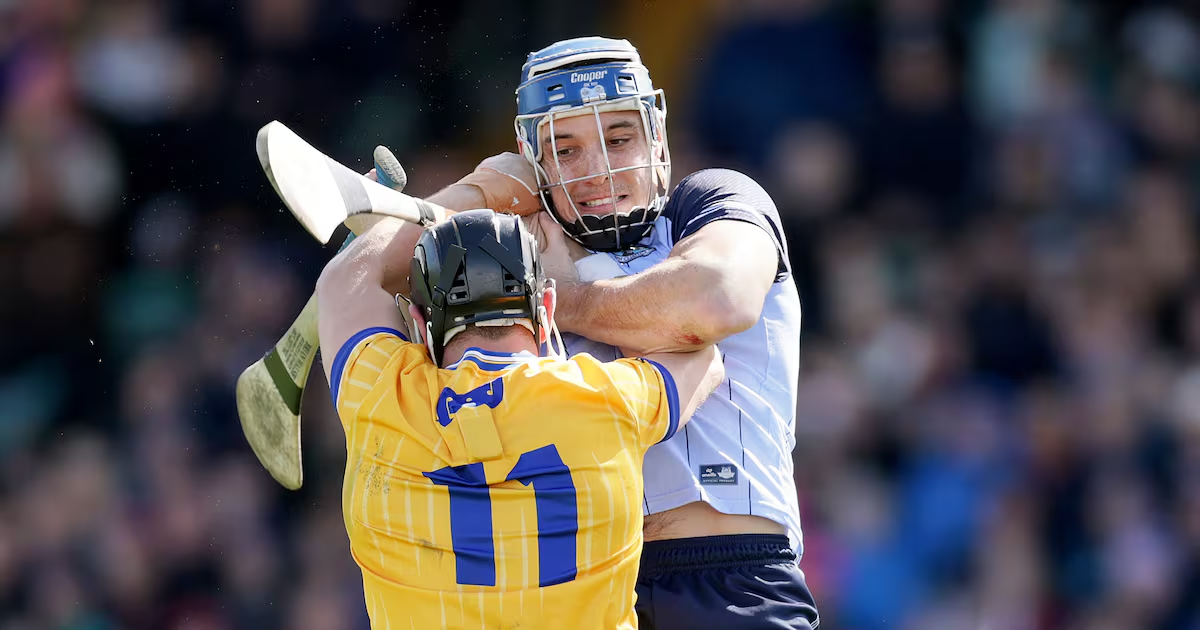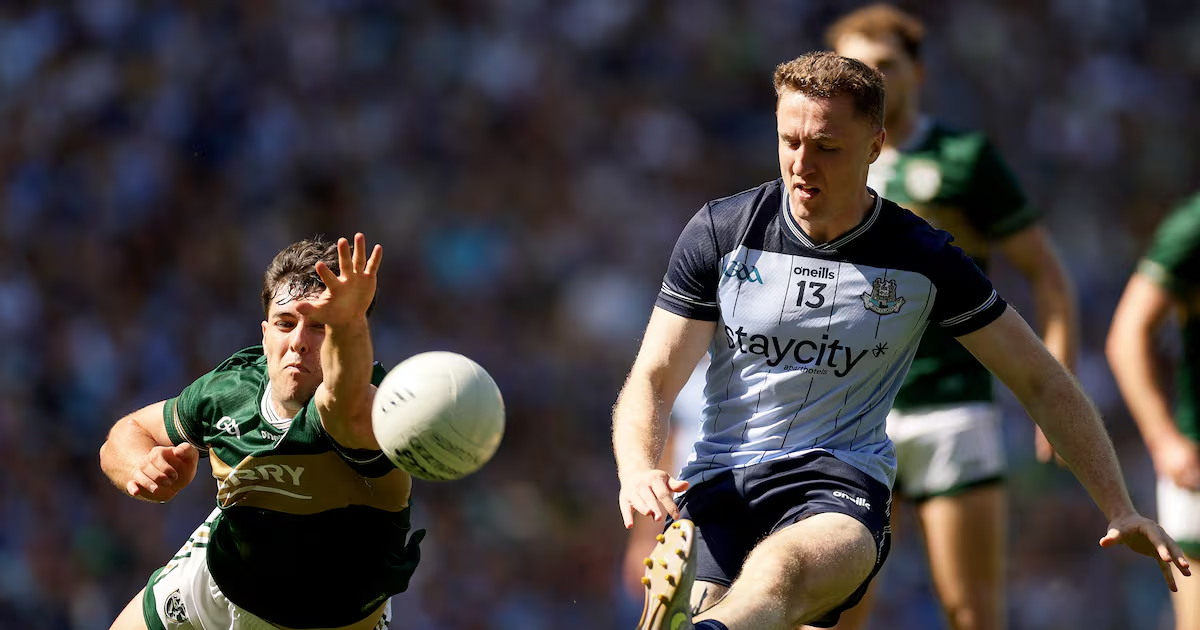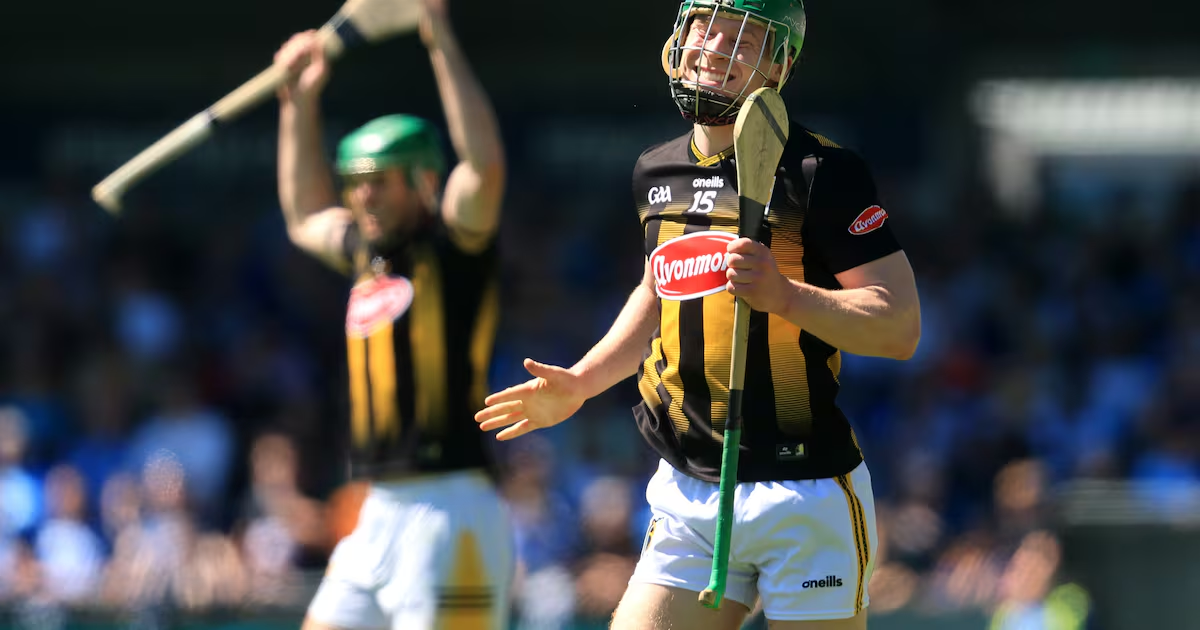
For Kilkenny, everything finally came to a head in Parnell Park on Sunday. They didn’t just lose to a team they usually beat, they lost a game they had to win. Every county loses games that matter, but for as long as I can remember, nobody had a better record in those games than Kilkenny. They were the best team in the championship for not blinking.To beat Kilkenny by seven points last Sunday, Dublin probably needed to be at least 10 points better than them. For all the teams in Leinster, beating Kilkenny is a psychological battle as much as anything. But if you knew nothing about the history between Kilkenny and Dublin you would have said Kilkenny were the team trying to overcome their doubts last Sunday.Kilkenny have won the last six Leinster finals and have been in the last seven All-Ireland semi-finals in a row. During that period, Limerick have contested more All-Ireland finals than anybody else, but Kilkenny are next on the list, alongside Cork. Year after year, we all just assume that Kilkenny will have enough good players to be contenders.Nobody is ever guilty of underestimating them. This year, though, we overestimated them.The biggest difference last Sunday was that Dublin believed in how they wanted to play and Kilkenny didn’t. The way the game is played now doesn’t suit them or they can’t get their heads around it. For the All-Irelands they won under Brian Cody they played a direct game and they were happy to take on everybody in 50/50 contests for the ball. They had the best players and the best ball-winners and they could beat you with class, or with force. It didn’t matter to them.The modern game is not as straightforward as that. If playing the ball long is your only tactic, you will lose more often than not. Kilkenny have accepted that over the last few years, but they still haven’t got the balance right between short and long.Last Sunday was a perfect example. How many times did Paddy Deegan run back towards his own goal to take a pass from his corner back, only for the move to go nowhere after that?Brian Hayes dropped back to be a plus-one in the Dublin defence. Photograph: Bryan Keane/©INPHO Dublin knew Kilkenny weren’t able to play the ball out from the back so they gave Kilkenny unmarked targets for short puck-outs. When Kilkenny had the ball Brian Hayes dropped back to be a plus-one in the Dublin defence, which meant when Kilkenny went long Dublin were able to swarm the landing area.It looked to me like Kilkenny were over-coached. Players were trying to remember what they were supposed to do with the ball rather than playing the game as they saw it. They were playing short passes for the sake of it instead of trusting their judgment. [ Darragh Ó Sé: Jim McGuinness acted like any manager would when he saw his player get split openOpens in new window ]Every team knows the stats about getting the ball back if you hit it up the field from too deep, but there are times when somebody is one-on-one inside and a 60-yard pass is on.Kilkenny are not comfortable playing a short game. It is not how the game is played in their clubs and it is not what their supporters want to see. But if Kilkenny are going to be successful again they need to come up with a workable compromise. If you look at Limerick or Cork, they have a balance between going short and long. Most of the short passing involves getting the ball to around their own 65 as quickly as possible before launching it. The players inside can time their runs because they know when to expect the ball. Everybody is clear about how the ball is going to be moved. There was massive clarity about how Dublin wanted to play last Sunday. Everybody knew the drill and they clearly trusted the system. That wasn’t the case with Kilkenny.They have been trying to change their style for a couple of years, but that process seems to have accelerated this year with the arrival of Niall Corcoran and Eddie Brennan as coaches. I don’t think it suits the players they have and that’s a big problem. Going back to their old way of playing isn’t going to deliver an All-Ireland but they haven’t got the balance right at the moment.Kilkenny's Adrian Mullen chases down Cian O'Sullivan of Dublin. Photograph: Bryan Keane/©INPHO The other thing is that they don’t have a strong enough squad to win the All-Ireland at the moment. During the Cody years they often had All Stars on the bench, and even in recent seasons they had a huge amount of experience among their subs: players like Cillian Buckley, Walter Walsh, Conor Fogarty, Richie Hogan and others were available to come off the bench in the final quarter and influence a close game.They don’t have that kind of depth now. Adrian Mullen came off the bench last Sunday after another season ravaged by injuries, but he wasn’t able to make much difference.Eoin Cody had his best game of the season and if Kilkenny had won he probably would have been man of the match. But Cody and Mullen are the last really talented young players to make a breakthrough with Kilkenny and that was five or six years ago now. Mikey Butler came after that, but he’s a different kind of player.The Kilkenny teams that won All-Irelands under Cody put a huge emphasis on work rate, but they always had X-factor players, especially in the forwards. In recent years, those kind of players simply haven’t been coming through.I spent a few years involved with the Galway minors and under-20s and you’d always hear about the hot-shot young players from other counties. I knew about Diarmuid Healy and Barry Walsh and William Buckley long before they made a breakthrough with the Cork seniors; it was the same in Tipp with Darragh McCarthy and Oisín O’Donoghue and Sam O’Farrell and these guys.But there hasn’t been anybody like that coming through in Kilkenny. When they don’t have a team of stars it makes it even more important that they’re structurally sound and know what they want to do with the ball.That wasn’t the case last Sunday. They don’t have a foundation to build on at the moment. Before they do anything else that’s the first thing they must sort out.
Kilkenny need to strike a balance with their system - that’s the long and the short of it
Cats looked over-coached and afraid to trust their passing instincts against Dublin
1,078 words~5 min read