WHO chief calls for ceasefire amid DR Congo Ebola outbreak
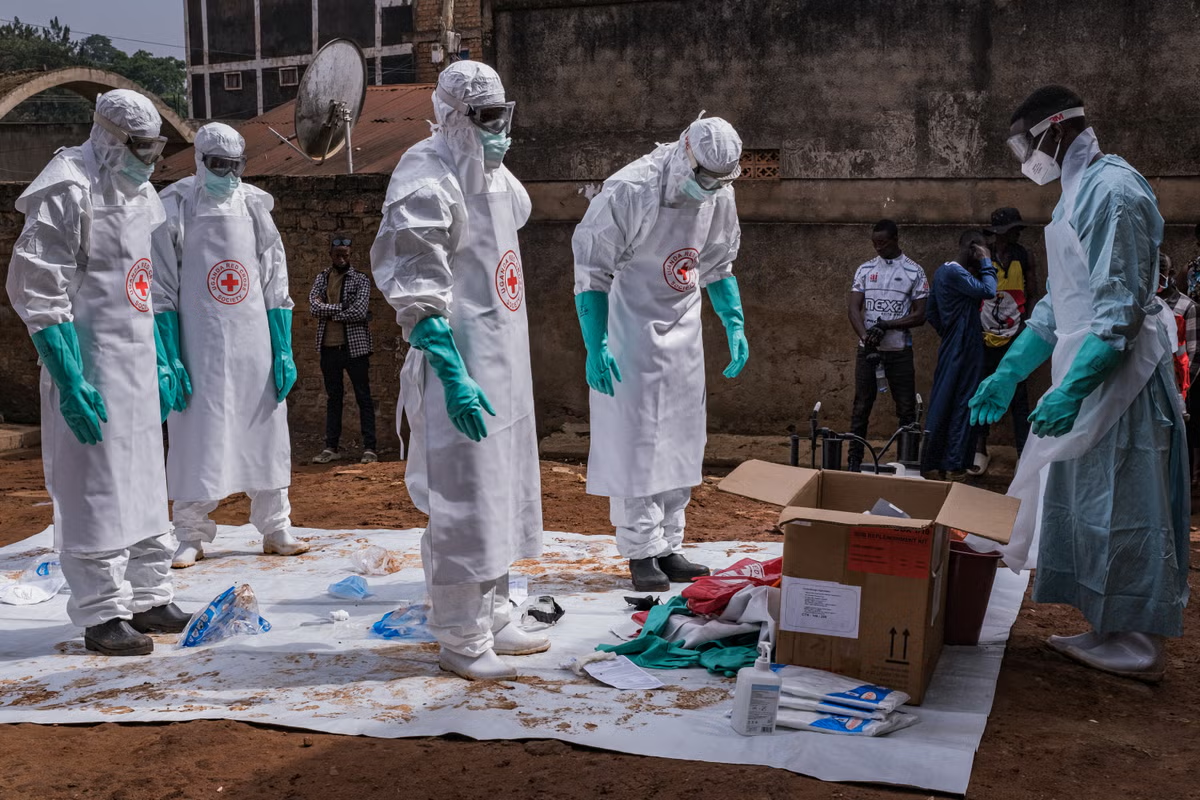
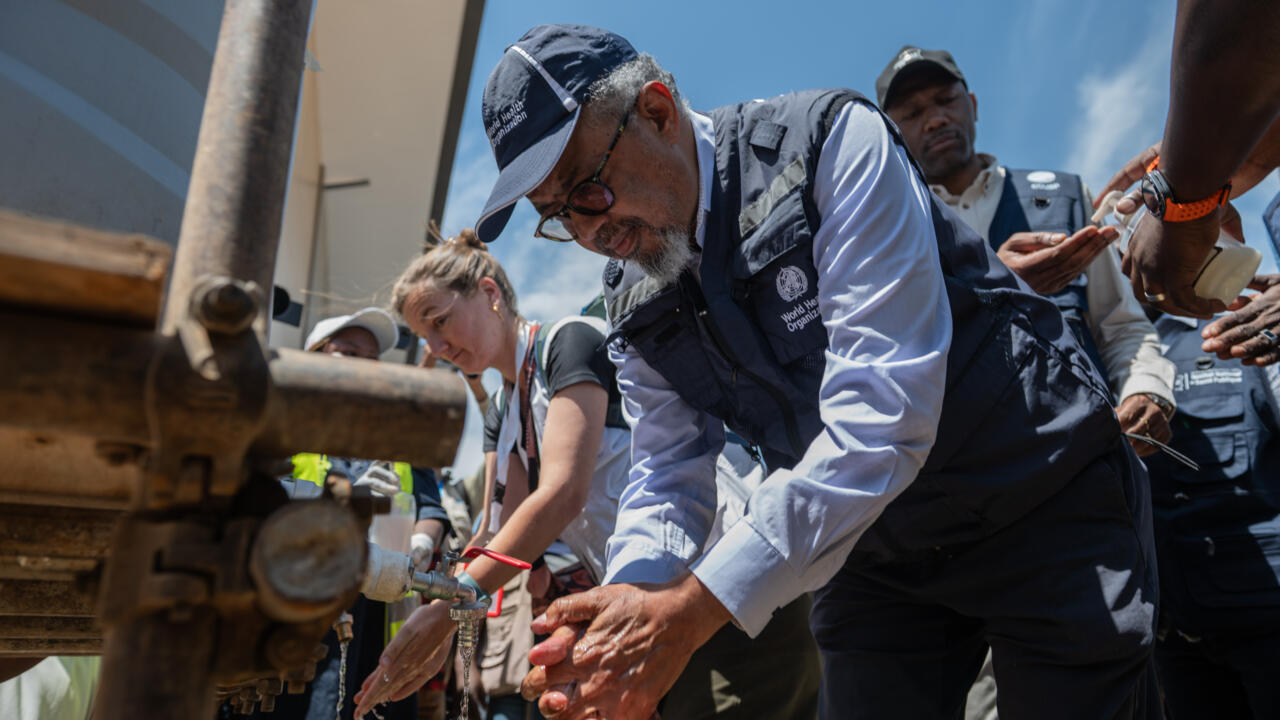
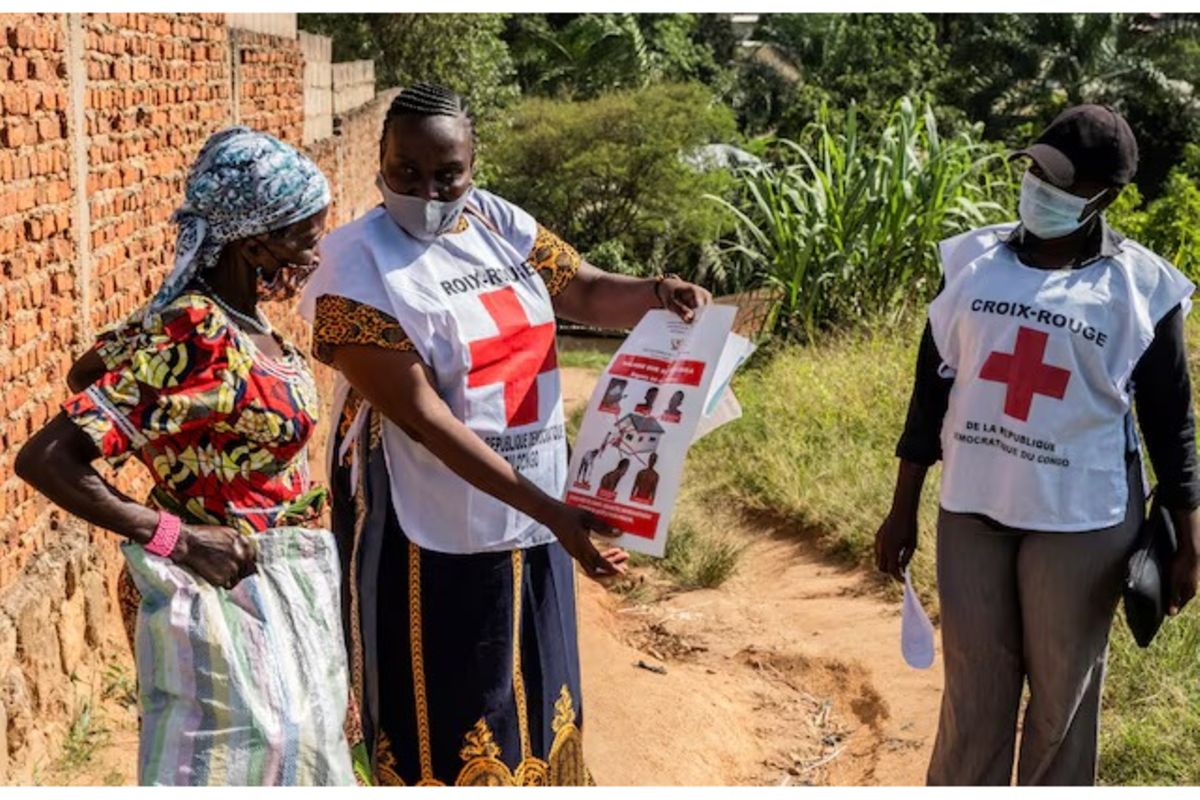
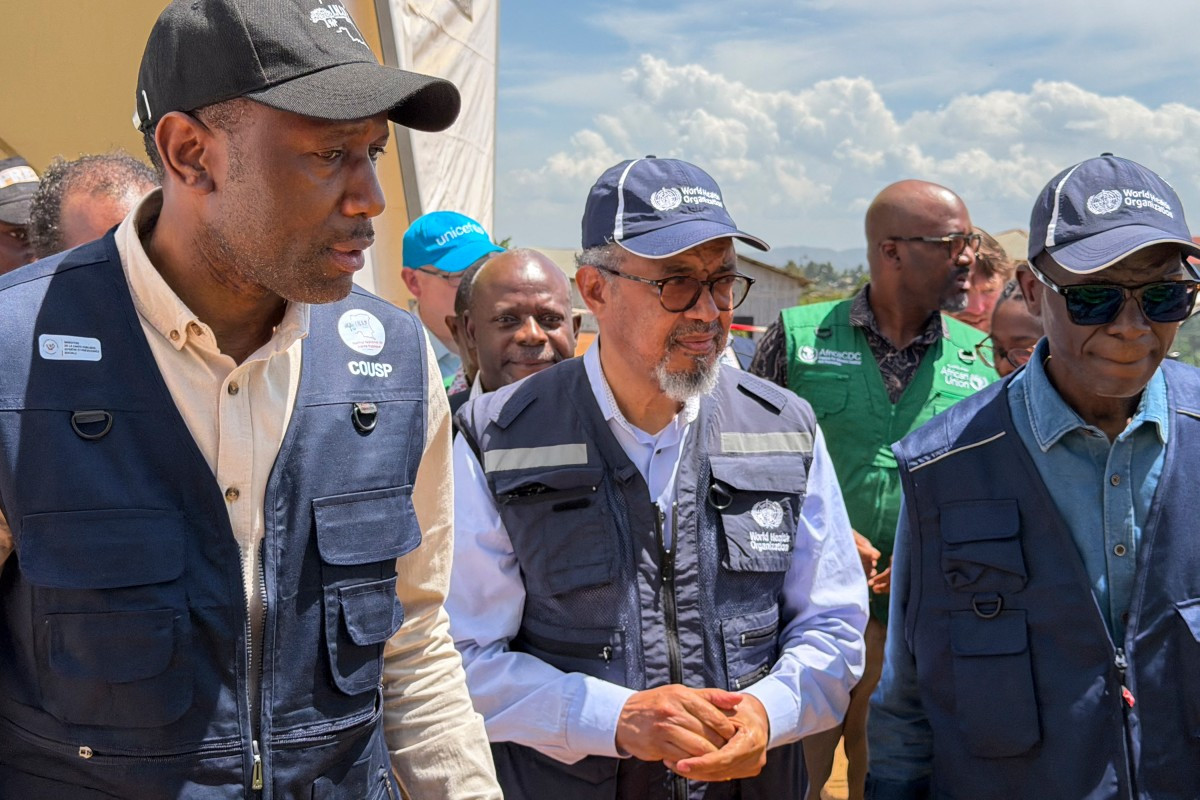
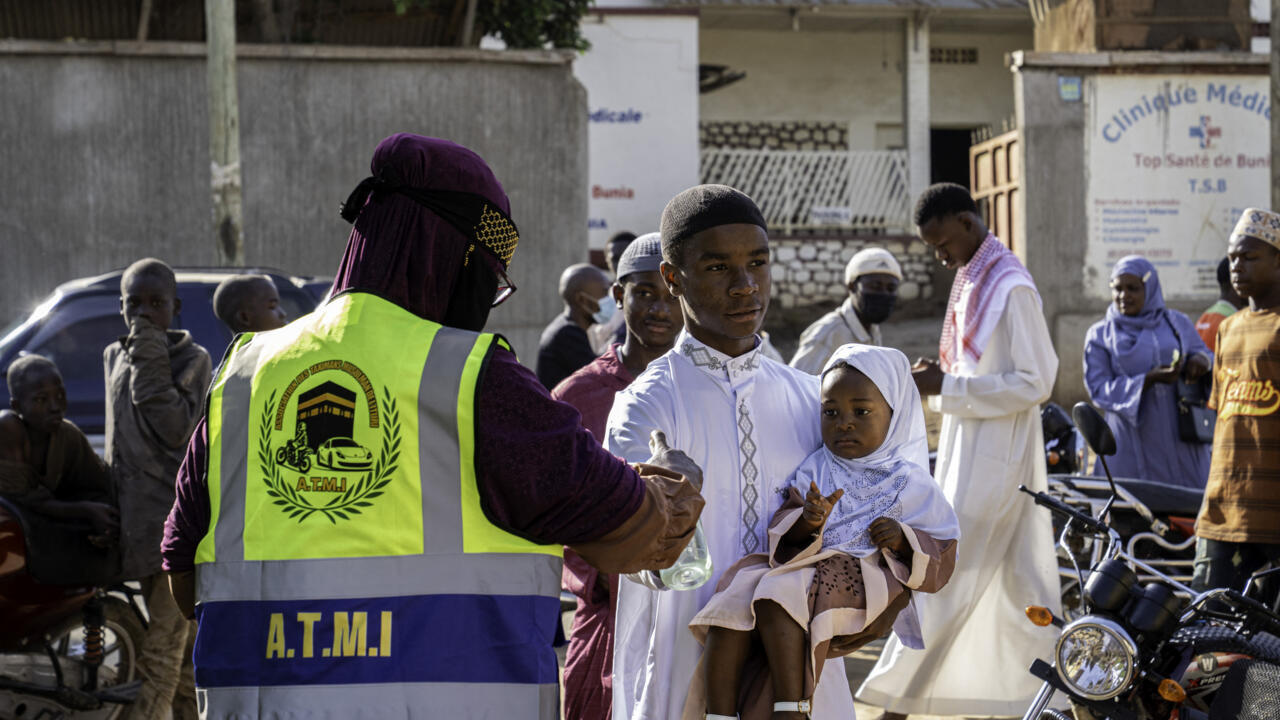
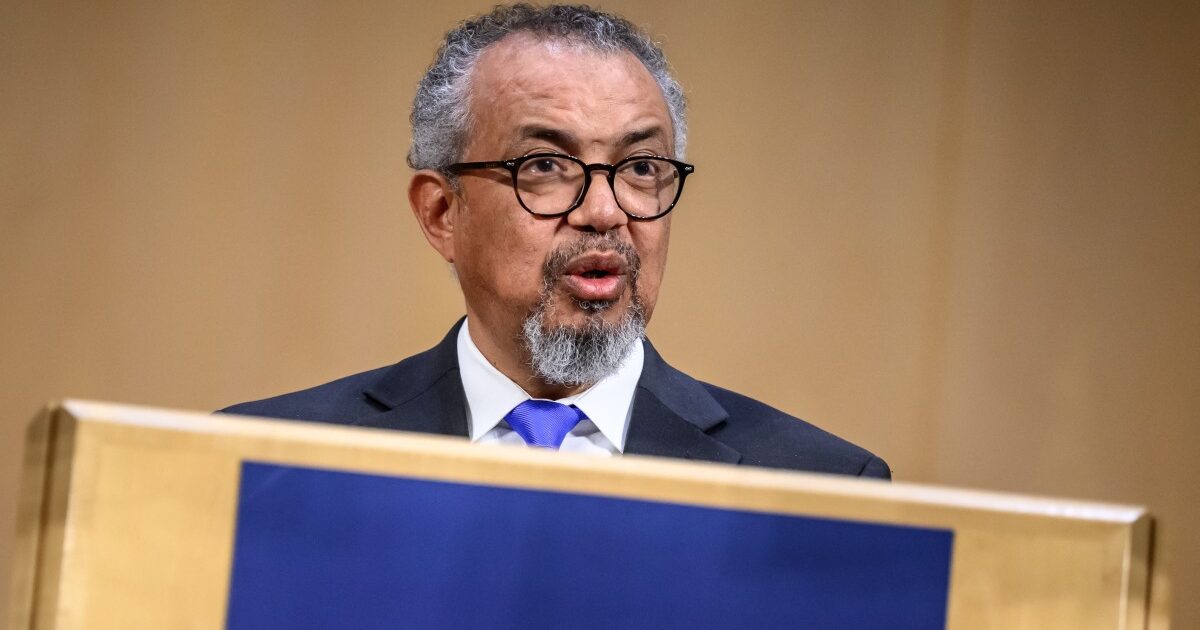
Ahead of his arrival, Tedros Adhanom Ghebreyesus appealed to armed groups to declare a ceasefire so that health workers can reach people and halt spread of the disease. Since 15 May, UN agencies have been supporting the DRC and neighbouring Uganda to contain the outbreak caused by the rare Bundibugyo strain of the Ebola virus, for which there is no treatment.
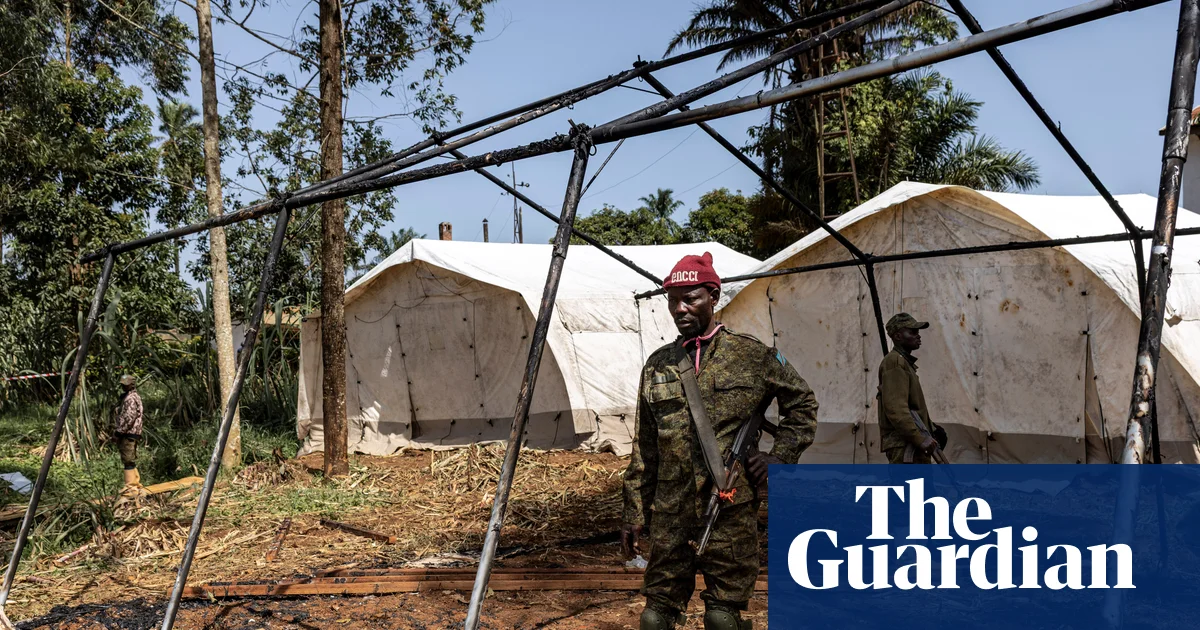
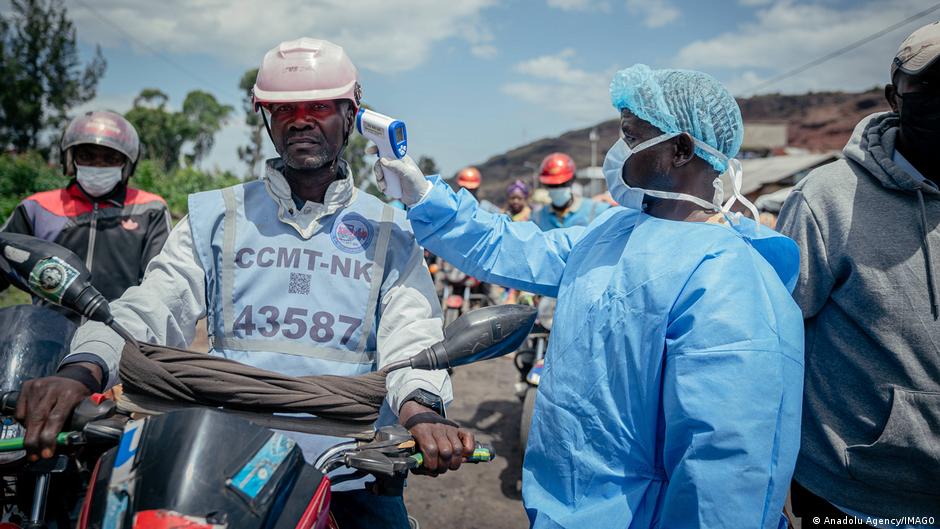
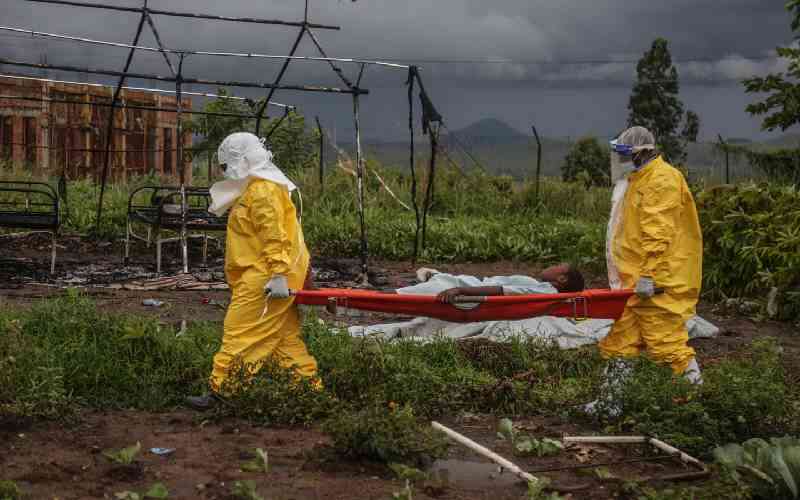
As of Wednesday, there were more than 900 suspected cases, 105 confirmed cases and 10 confirmed deaths in the DRC, while Uganda reported seven confirmed cases and one death. ‘We are committed’ In a message to the people of DRC, particularly those in Ituri province – the epicentre of the crisis -Tedros underscored WHO’s solidarity. “We are working under the leadership of the Government of DRC, together with all relevant partners, united around one goal: to stop this outbreak and protect your communities,” he wrote. “No one is working alone. No one is working at cross purposes. We are coordinated, we are committed, and we are here.” Similar challenges This marks the 17th time that the DRC is facing Ebola since the virus was first discovered in 1976. The largest outbreak – which spread across North Kivu, South Kivu and Ituri provinces – took place from 2018 to 2020. “Ebola is not new to me personally,” Tedros said, as during that epidemic he made 14 visits to North Kivu, the epicentre of that particular outbreak – “one of the most complex in history”. It unfolded amid armed conflict that sparked displacement and disrupted supply routes, with “health workers operating under constant threat”. At the same time, “mistrust ran deep,” he recalled. Heavy burden in Ituri Tedros noted that such challenges are not so different today in Ituri, where some 90 per cent of cases have been reported, with smaller numbers in the Kivus. He underscored the burden the people of the province are bearing. “You are already carrying so much: malaria, hunger, insecurity, and the daily struggle to keep your families safe. And now Ebola,” he said. “It is not fair, and I will not pretend otherwise.” He highlighted the vital role of young people, urging them to talk to their friends and families and share what they know about Ebola in efforts to “help break the fear and the silence that allow this virus to spread.”